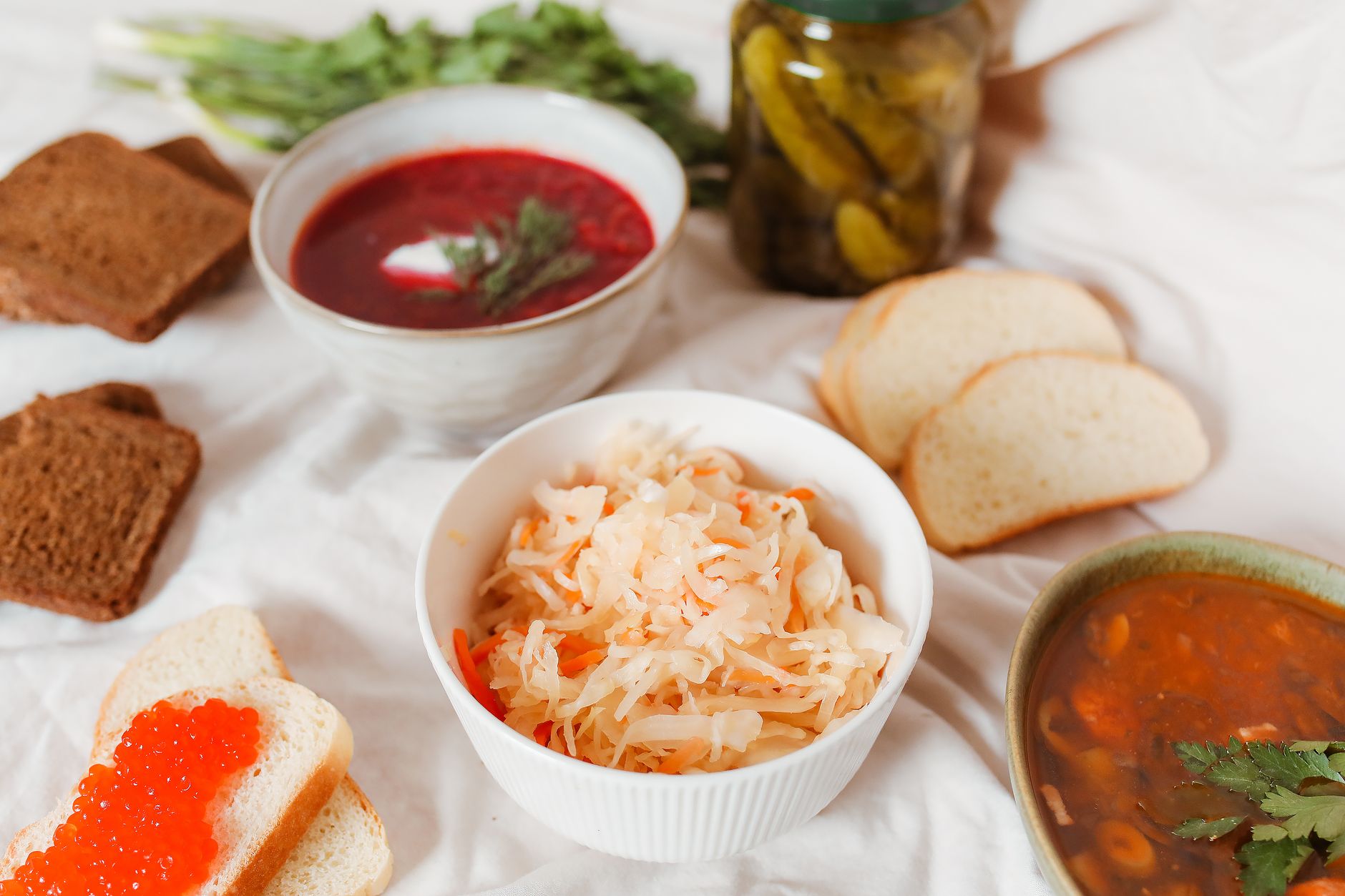
Yogurt, kimchi, kefir, kombucha — fermented foods are everywhere in 2026 wellness, and for once the hype has real science behind it. A landmark Stanford trial found that adding fermented foods to the diet improved gut microbiome diversity and lowered inflammation in just 10 weeks. But not everything labeled “fermented” actually helps, and more isn’t always comfortable. Here’s what fermented foods really do for your gut, what genuinely counts, and how to add them without the bloating.
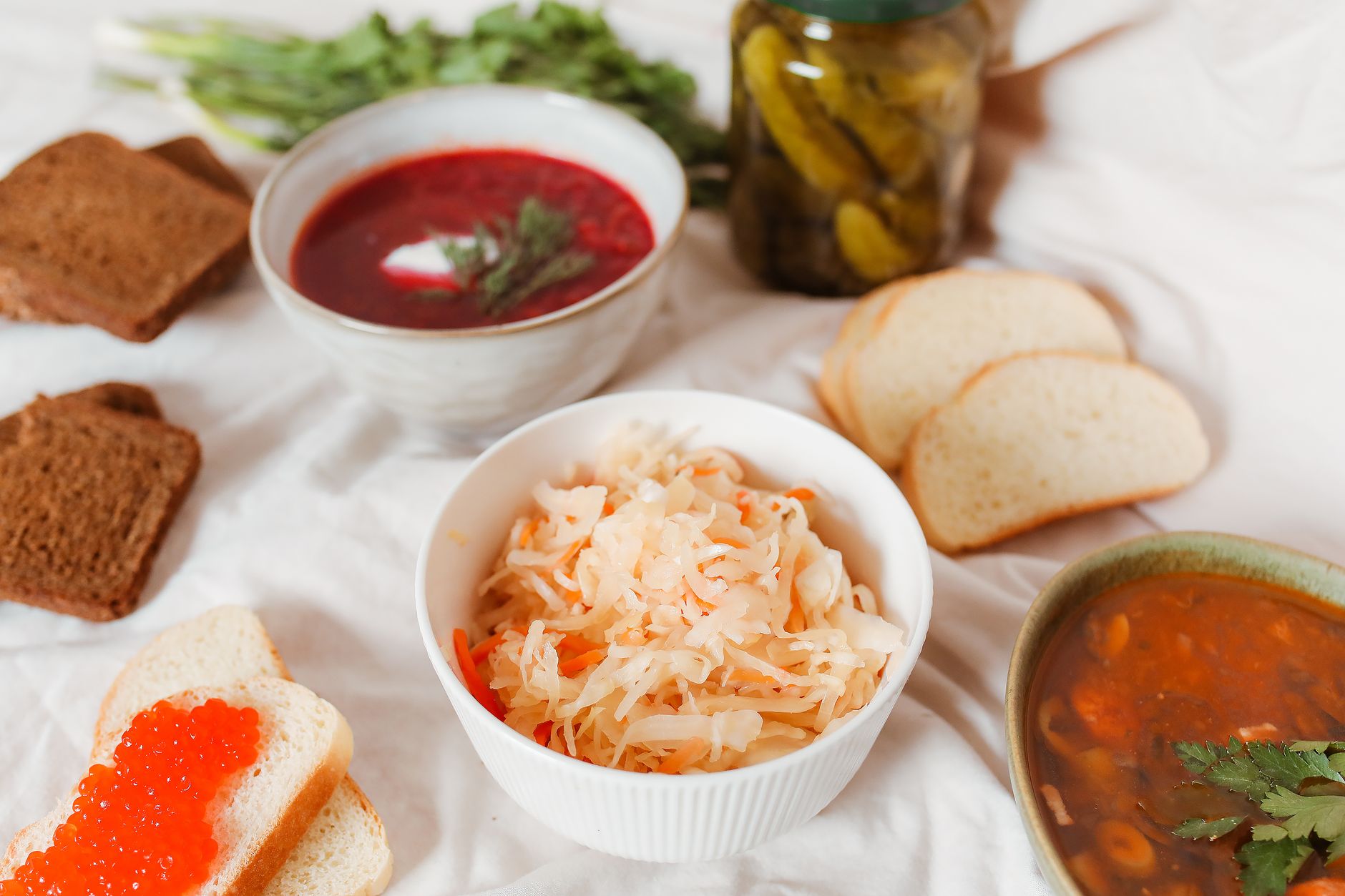
What fermented foods actually are
Fermentation is an ancient preservation method in which microbes — bacteria or yeasts — break down sugars in food. Along the way they create tangy flavors, and in many cases leave behind live beneficial microbes (and the compounds they produce) by the time the food reaches your plate.
That’s the key difference from a fiber-rich diet. Fiber feeds the good bacteria already living in your gut; fermented foods can actually add live microbes and their byproducts. The two work together, but they’re not the same tool.
The Stanford study that put them on the map
The reason fermented foods jumped from folk wisdom to headlines is a 2021 Stanford School of Medicine trial (published in Cell). Researchers had 36 healthy adults follow either a fermented-foods diet or a high-fiber diet for 10 weeks.
The results were striking. The fermented-foods group saw a clear increase in gut microbiome diversity — a marker of a healthy gut — and a drop in several markers of inflammation. The high-fiber group, over the same period, didn’t show the same rise in diversity. The effect was also dose-dependent: more daily servings, bigger benefit.
One honest caveat: it was a small, short study in healthy adults, so it’s promising rather than the final word. But it’s solid evidence that what you eat can shift your gut quickly.
What counts (and what doesn’t)
This is where many people go wrong. The benefit comes from live cultures, and plenty of “fermented” foods don’t have them:
| Has live cultures | Usually does NOT |
|---|---|
| Yogurt & kefir (with live/active cultures) | Bread (baked) |
| Kimchi, sauerkraut (refrigerated, unpasteurized) | Shelf-stable, pasteurized kraut/pickles |
| Kombucha, miso, tempeh, natto | Vinegar pickles (not fermented) |
| Fermented cottage cheese | Beer & wine (alcohol) |
Two rules help: look for “live and active cultures” on the label and buy from the refrigerated section, and don’t boil them — high heat kills the microbes, so stir miso in after cooking.
How to add them without the bloat
Going from zero to six servings overnight is a recipe for gas and bloating. Ease in:
- Start with one small serving a day — a few spoonfuls of yogurt or kimchi
- Build up gradually over a couple of weeks as your gut adjusts
- Favor variety — different foods carry different microbes
- Pair with fiber (vegetables, whole grains, legumes); fiber feeds the microbes you’re adding
💡 Tip: Easy entry points: a dollop of plain live-culture yogurt at breakfast, kimchi as a side, or a small glass of kefir or kombucha. Consistency beats quantity — a little most days is better than a lot once a week.
Who should go easy
Fermented foods are healthy for most people, but a few should be cautious:
- Histamine intolerance: fermented foods are high in histamine and can trigger symptoms in sensitive people
- Weakened immune system: raw, unpasteurized ferments carry a small infection risk — check with your doctor first
- Watching sodium / blood pressure: kimchi and sauerkraut can be very salty, so mind portions
- Sensitive gut (IBS): start especially slowly, as some people get more bloating at first
As always, fermented foods are a helpful addition to a good diet, not a cure for digestive disease. Persistent gut symptoms deserve a doctor’s evaluation.
FAQ
Q. Are fermented foods better than probiotic supplements?
They’re different. Fermented foods deliver a diverse mix of microbes plus nutrients and fiber in real food, while supplements provide specific, measured strains. Food is a great everyday foundation; supplements can target specific needs. For general gut health, fermented foods are an easy, evidence-supported place to start.
Q. How long until I notice a difference?
The Stanford trial saw microbiome and inflammation changes over 10 weeks of daily servings. Digestive comfort may shift sooner or, at first, feel slightly worse (gas) as your gut adjusts — which is why starting small matters.
Q. Does cooking destroy the benefits?
High heat kills the live cultures, so cooked or baked fermented foods lose that benefit. Eat them cold or add heat-sensitive ones like miso at the end of cooking to keep the cultures alive.
Sources
- Stanford Medicine — Fermented-food diet increases microbiome diversity, decreases inflammation (FeFiFo study)
- Harvard Health — Fermented foods for better gut health
⚠️ Medical disclaimer: This article is for general information only and is not a substitute for medical advice. If you have persistent digestive symptoms or a weakened immune system, consult a healthcare professional.


Leave a Reply