Category: Digestion

  • Foods That Support a Healthy Gut Microbiome

    Foods That Support a Healthy Gut Microbiome

    Your gut is home to trillions of microbes that influence digestion, immunity, and even mood. The single biggest lever you have over this “microbiome” is what you eat. Here are the foods that help your good gut bacteria thrive — no expensive supplements required.

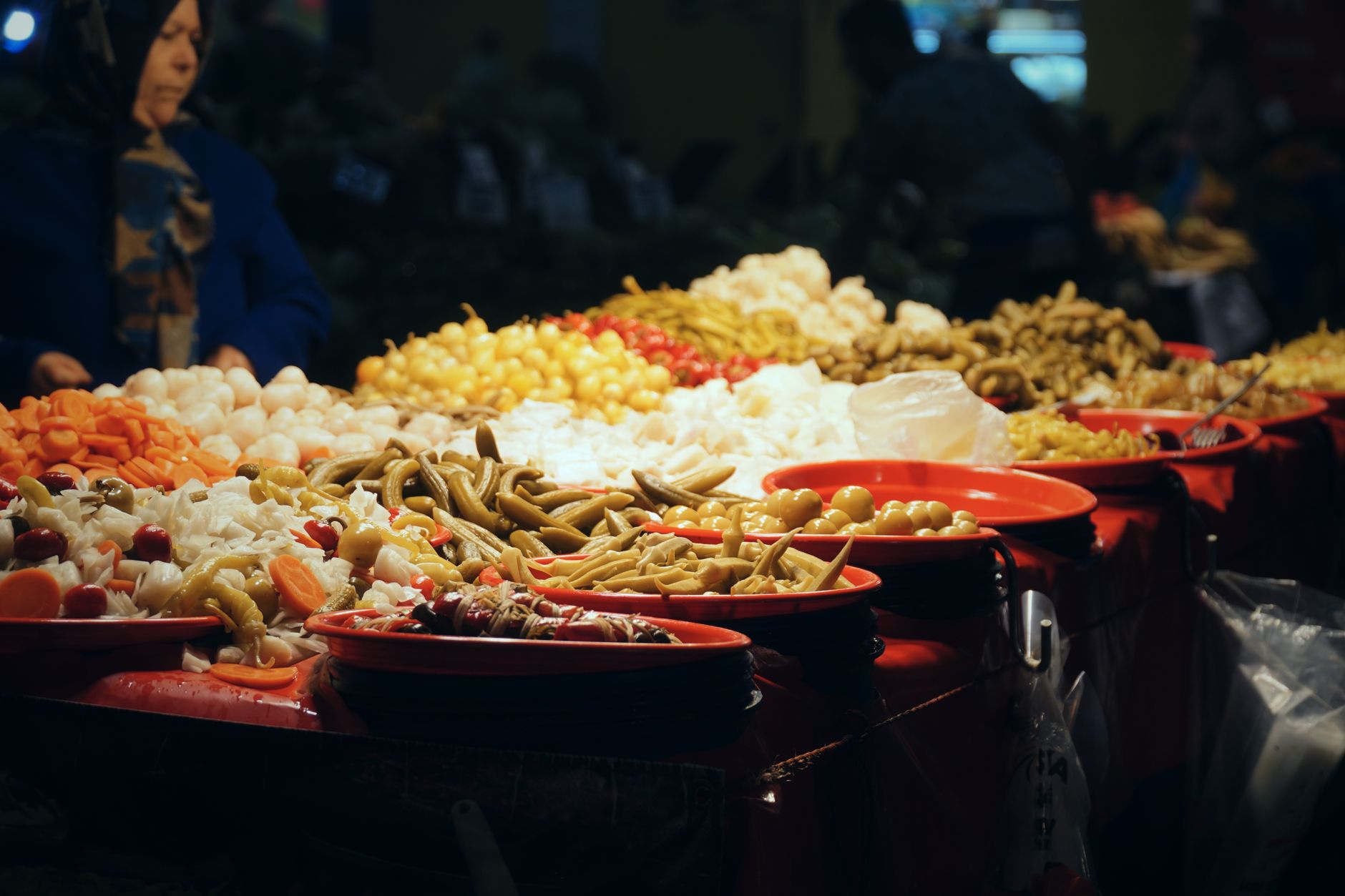
    Vibrant assortment of pickles on display at an indoor market stall.
    A diverse, plant-rich diet feeds a diverse gut microbiome (사진: 424fotograf / Pexels)

    What your gut bacteria want

    Two things matter most:

    • Prebiotics — fibers that feed your good bacteria
    • Diversity — a wide variety of plants supports a wide variety of microbes

    Fermented foods can also add beneficial microbes directly.

    Best foods for your gut

    1. High-fiber plants

    Vegetables, fruit, whole grains, beans, and lentils provide the fiber your microbes ferment into beneficial compounds.

    2. Prebiotic-rich foods

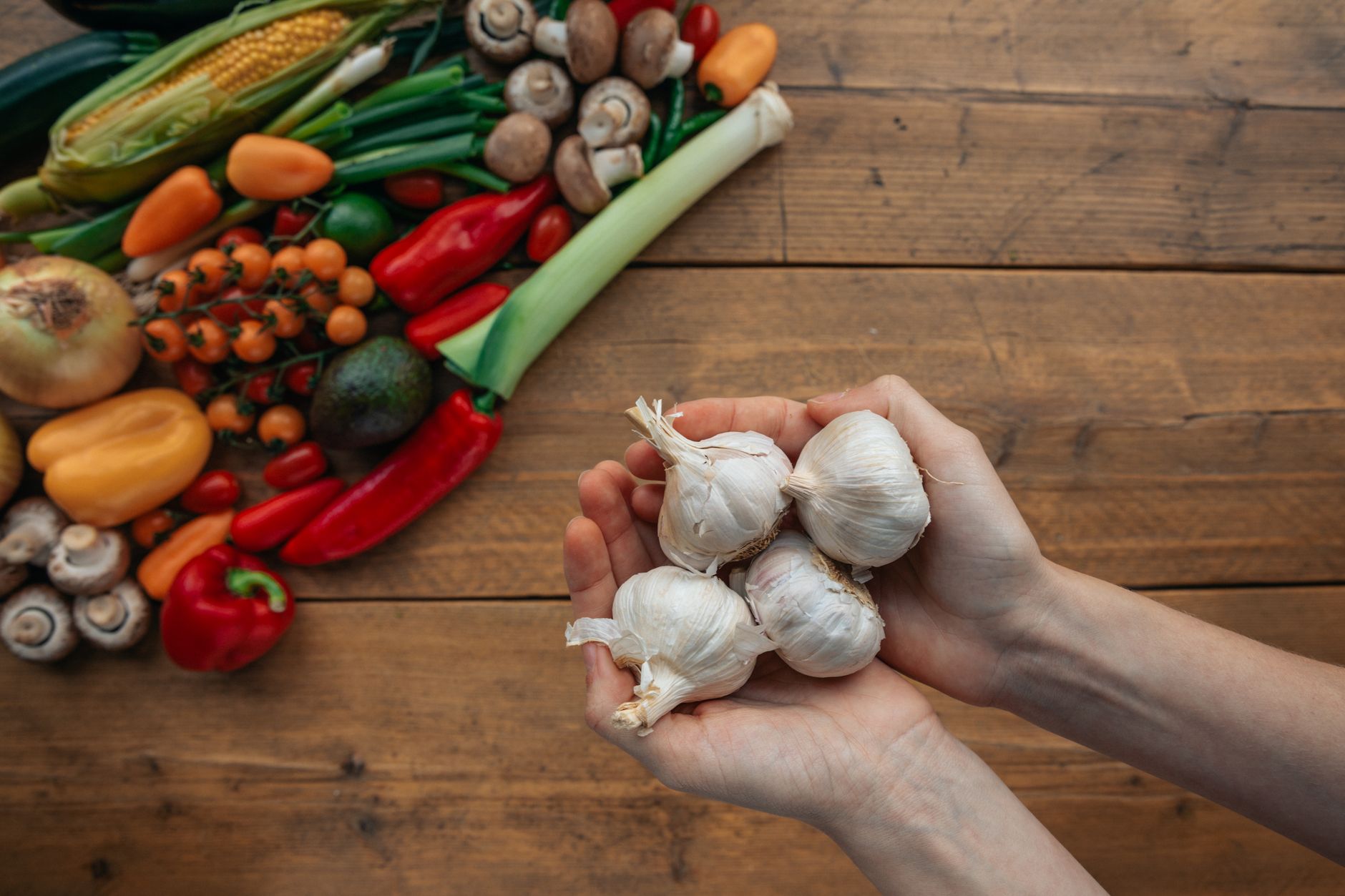
    Onions, garlic, leeks, asparagus, bananas, and oats are especially good “food” for gut bacteria.

    3. Fermented foods

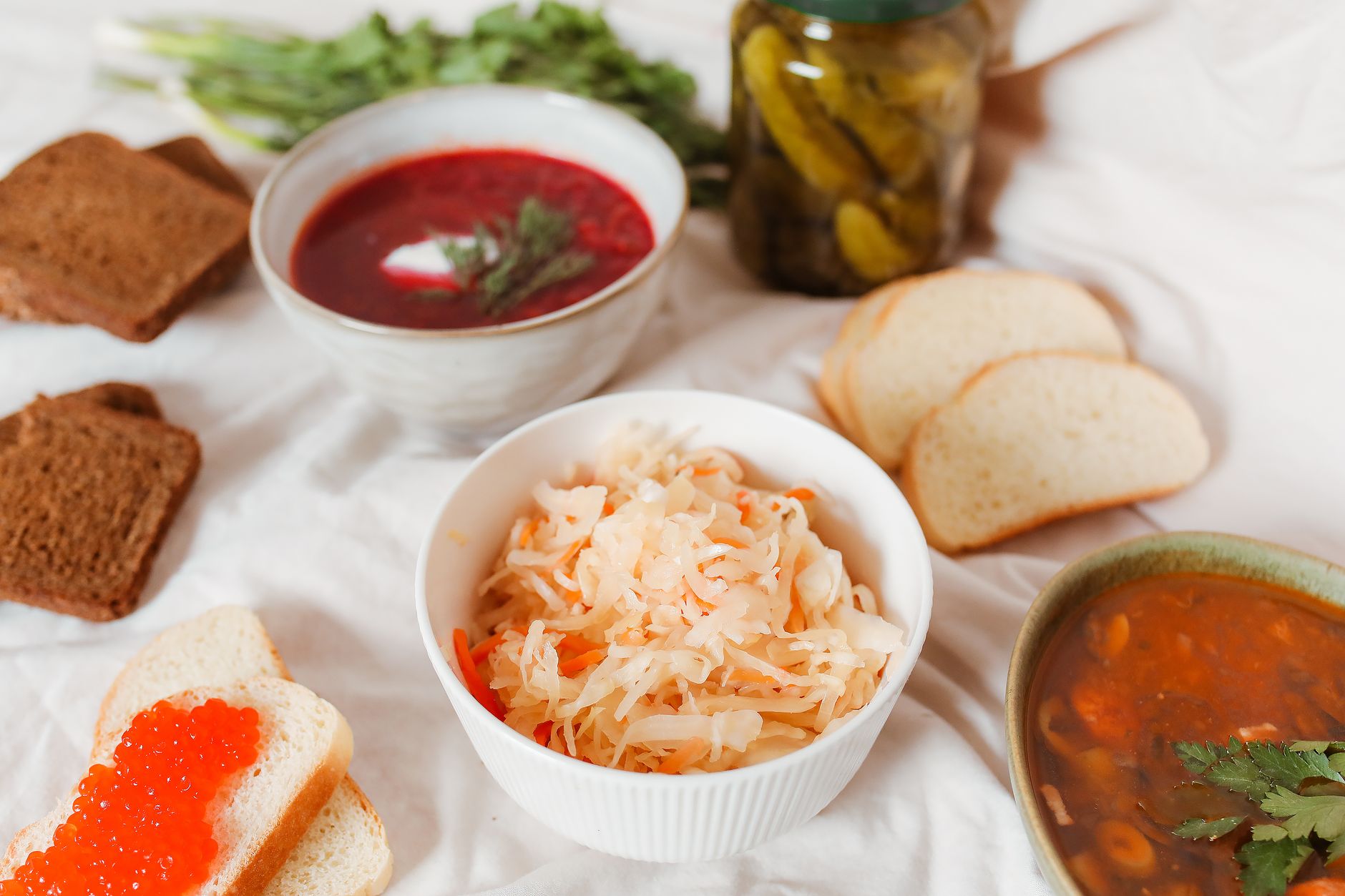
    Yogurt, kefir, kimchi, sauerkraut, miso, and tempeh add live microbes.

    4. Polyphenol-rich foods

    Berries, green tea, dark chocolate, and olive oil contain plant compounds that support gut health.

    5. A wide variety of plants

    Aim for many different plants each week — variety may matter more than quantity.

    A simple weekly goal

    Goal Why
    30+ different plant foods/week Linked to greater microbiome diversity
    Some fermented food daily Adds beneficial microbes
    Limit ultra-processed foods They tend to reduce diversity

    💡 Tip: “Eat the rainbow” isn’t just about vitamins — different colored plants feed different gut microbes. Variety is the goal.

    What harms gut health

    • Diets very high in ultra-processed foods and added sugar
    • Very low fiber intake
    • Unnecessary antibiotic use (use only when needed, as prescribed)

    FAQ

    Q. Do I need a probiotic supplement?
    Often not. Fiber-rich, varied, plant-forward eating with some fermented foods supports your gut naturally.

    Q. How fast can diet change my gut?
    The microbiome can shift within days of dietary change, though lasting benefits come from consistent habits.

    Q. Are fermented foods safe for everyone?
    Most people tolerate them well. Introduce gradually, and check with a doctor if you’re immunocompromised.


    Sources

    • Harvard T.H. Chan School of Public Health — The Microbiome
    • Research on dietary diversity and the gut microbiome

    ⚠️ Medical disclaimer: This article is for general information only and is not a substitute for medical advice. Consult a professional if you have a digestive condition.

  • Why Am I Always Bloated? Common Causes and Relief

    Why Am I Always Bloated? Common Causes and Relief

    That tight, puffy, full feeling in your belly is one of the most common digestive complaints. Occasional bloating is normal, but if it’s frequent, it’s worth understanding why — and what actually helps. Here’s a practical guide.

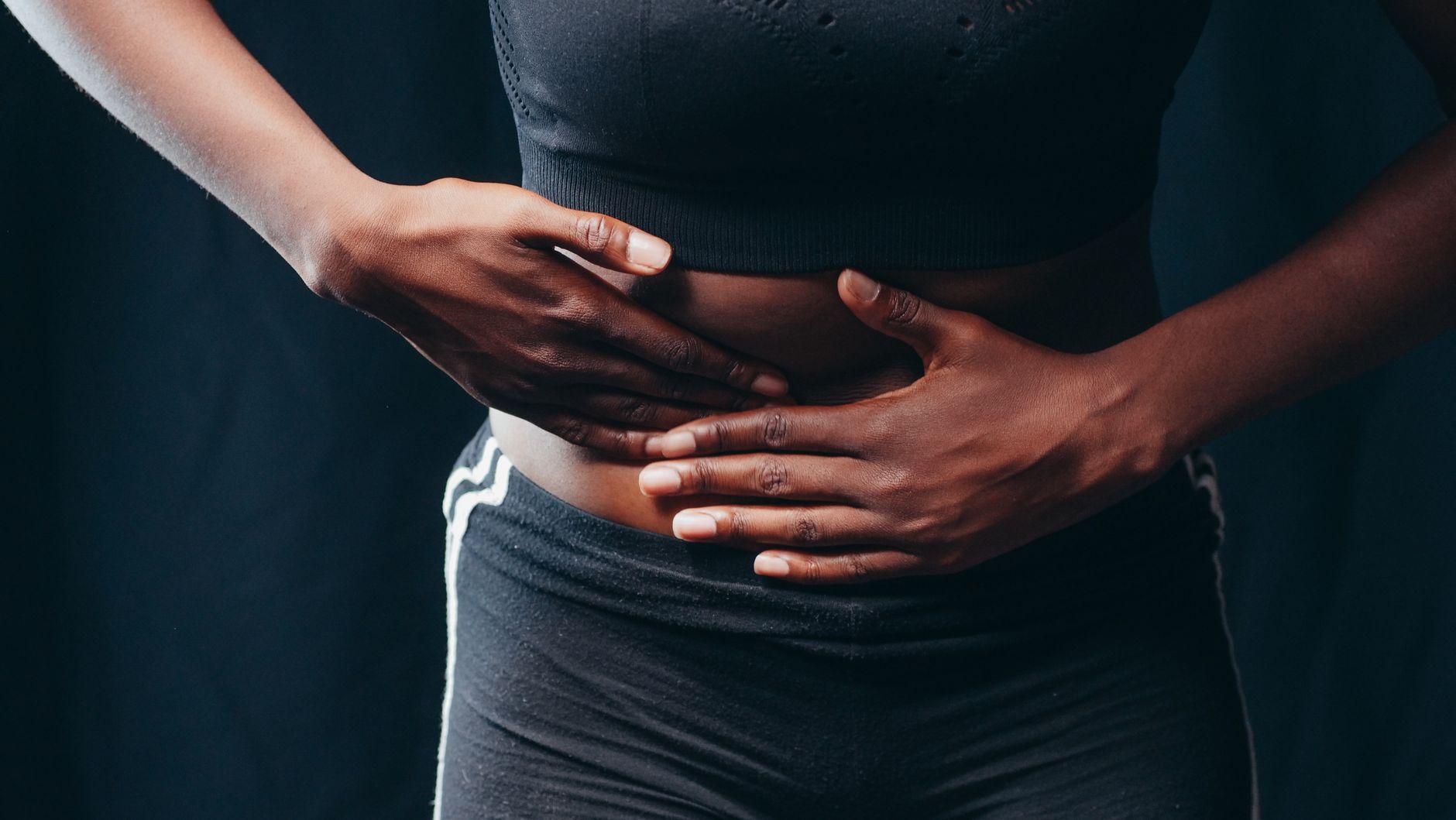
    Close-up of a person pressing hands on abdomen, indicating discomfort or pain, against a black background.
    Frequent bloating usually traces back to a handful of common causes (사진: Kindel Media / Pexels)

    What is bloating?

    Bloating is the sensation of increased pressure or fullness in your abdomen, sometimes with visible swelling. It’s usually related to gas or digestion rather than anything serious — but persistent bloating deserves attention.

    Common causes

    1. Eating too fast or too much

    Rushing meals means swallowing air and overloading digestion.

    2. Gas-producing foods

    Beans, onions, certain vegetables, and carbonated drinks commonly produce gas — normal, but uncomfortable for some.

    3. Too much salt

    High sodium causes water retention and a bloated feeling.

    4. Food intolerances

    Lactose or certain carbohydrates (FODMAPs) can trigger bloating in sensitive people.

    5. Constipation

    Backed-up stool leads to gas and pressure.

    6. Hormonal changes

    Many people experience bloating around their menstrual cycle.

    Ways to find relief

    • Eat slowly and chew well
    • Identify trigger foods (a food diary helps)
    • Cut back on carbonated drinks and excess salt
    • Stay hydrated and get enough fiber (increase gradually)
    • Move after meals — a short walk aids digestion
    • Manage stress, which affects the gut

    💡 Tip: Increasing fiber too fast can cause bloating. Add it gradually and drink water alongside it.

    When to see a doctor

    See a professional if bloating is persistent or severe, or comes with weight loss, blood in stool, ongoing pain, or major changes in bowel habits. These warrant evaluation.

    FAQ

    Q. Why am I bloated even when I eat healthy?
    Healthy foods like beans, certain vegetables, and lots of fiber can produce gas. It’s not “bad” — your gut may just need a gradual approach.

    Q. Do probiotics help bloating?
    They may help some people, depending on the cause and strain. Results vary.

    Q. Is bloating ever serious?
    Usually not, but persistent bloating with warning signs (weight loss, blood, severe pain) should be checked by a doctor.


    Sources

    • Mayo Clinic — Gas and bloating
    • U.S. National Institute of Diabetes and Digestive and Kidney Diseases (NIDDK)

    ⚠️ Medical disclaimer: This article is for general information only and is not a substitute for medical advice. Persistent or severe symptoms should be evaluated by a healthcare professional.