Probiotics get all the marketing — the yogurt ads, the pill bottles promising a “healthier gut.” But their quieter cousin, prebiotics, may do just as much for your microbiome, and you can get plenty of them from ordinary food. If probiotics are the seeds, prebiotics are the fertilizer. Here’s what prebiotics actually are, what the evidence shows they do, the best foods to find them in, and why more isn’t always better.
Prebiotics vs. probiotics: what’s the difference?
It’s an easy mix-up, but they’re opposites in a useful way.
- Probiotics are live beneficial bacteria you swallow — in fermented foods or supplements — hoping to add helpful microbes to your gut.
- Prebiotics are specialized plant fibers your body can’t digest. Instead, they travel to your large intestine and become food for the beneficial bacteria you already have, helping them grow and thrive.
In other words, probiotics try to add new tenants; prebiotics feed the ones already living there. Many researchers think feeding your existing microbes is at least as valuable as trying to introduce new ones — which is why prebiotics deserve more attention than they usually get.
What prebiotics actually do
When gut bacteria ferment prebiotic fiber, they produce short-chain fatty acids (SCFAs) like butyrate — and these are where much of the benefit lives. SCFAs:
- Nourish the cells lining your colon and help maintain a strong gut barrier
- Support immune balance — a large share of your immune system sits around the gut
- Are linked to better metabolic health, including blood sugar and appetite signals
Human studies show that even modest amounts of certain prebiotics — around 5 to 8 grams a day of inulin-type fibers — can measurably increase beneficial Bifidobacteria. The effects are real, though they’re about supporting a healthy system, not curing disease.
The best prebiotic foods
You don’t need a supplement to get prebiotics — many common foods are rich in them. The catch is that cooking and eating variety matters more than chasing one “superfood.”
| Food | Prebiotic notes |
|---|---|
| Chicory root, Jerusalem artichoke | Among the highest in inulin |
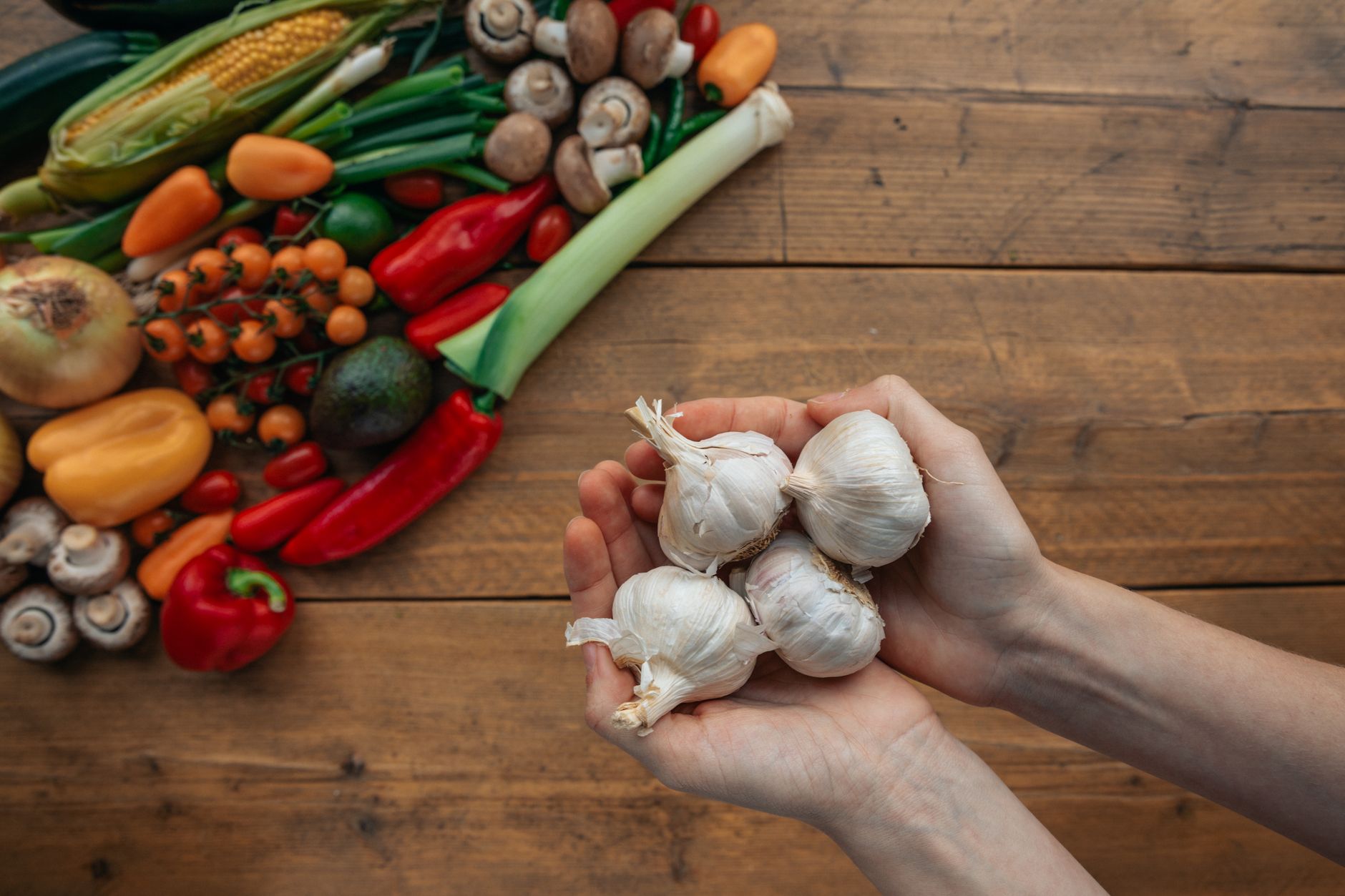
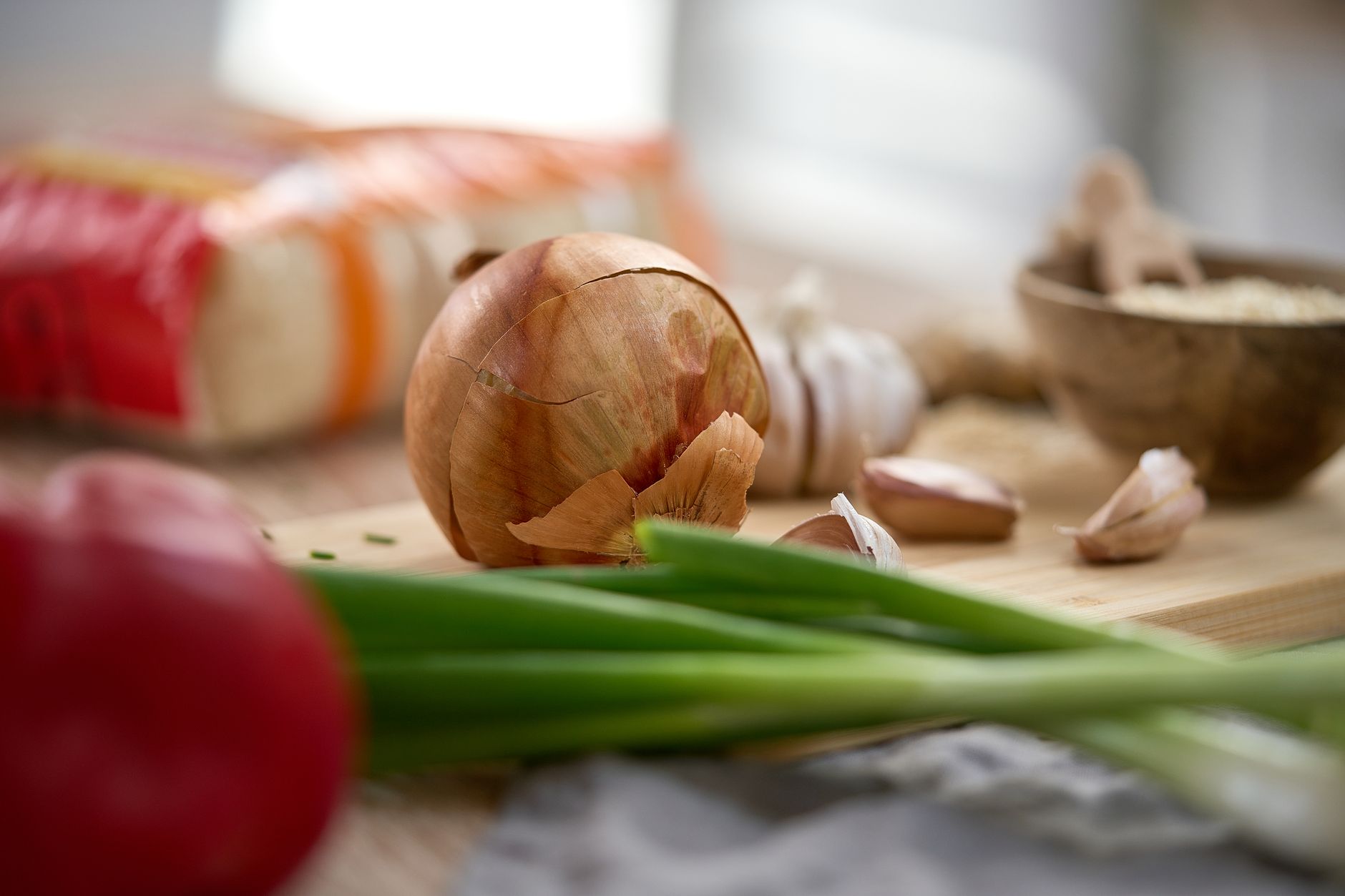
| Garlic, onions, leeks | Everyday staples rich in prebiotic fibers |
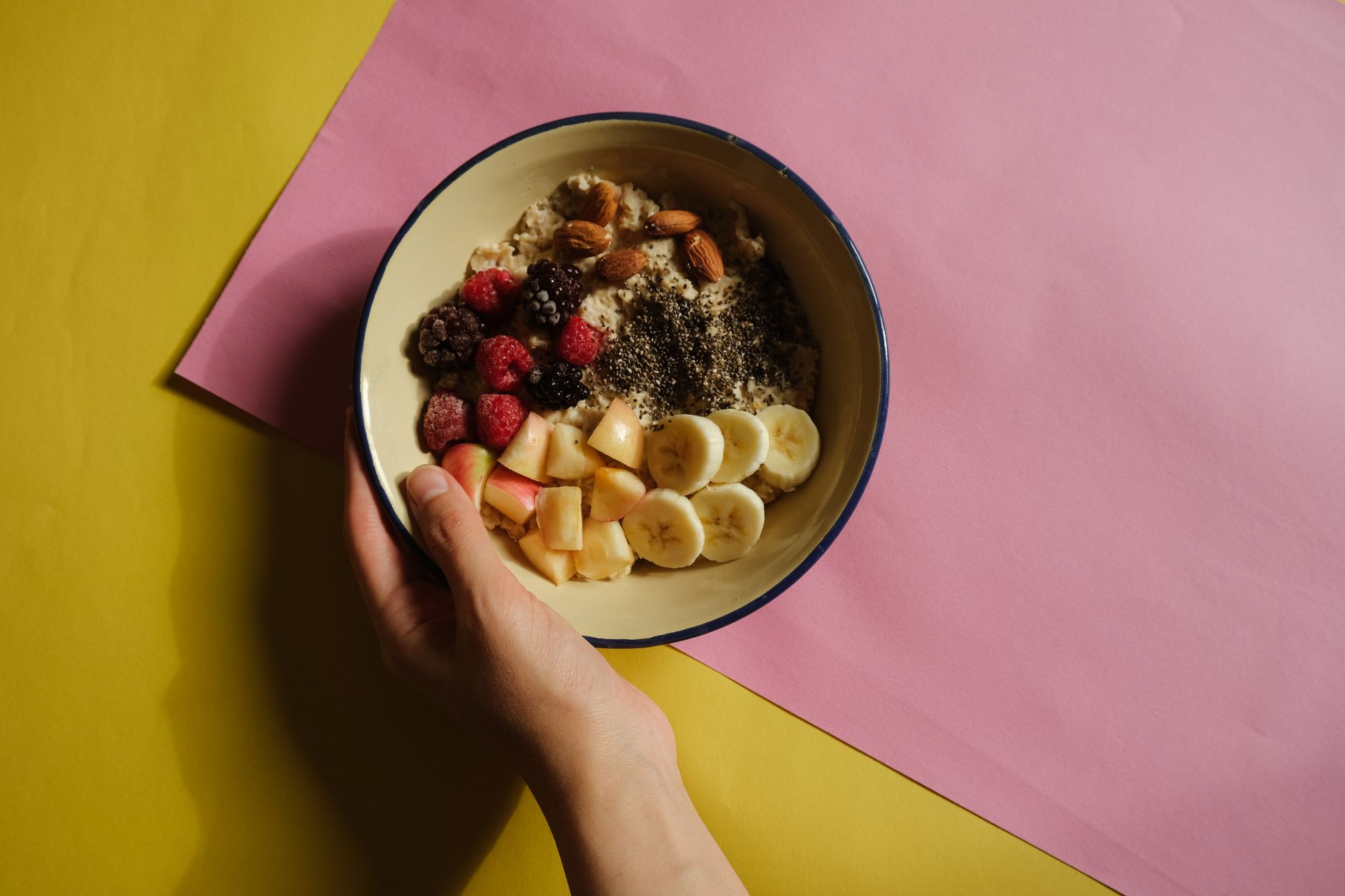
| Oats and barley | Contain beta-glucan, a prebiotic fiber |
| Slightly underripe bananas | More resistant starch than very ripe ones |
| Apples, asparagus, legumes | Broadly gut-friendly fibers |
A practical tip: cooked-then-cooled starches (potatoes, rice, pasta) form resistant starch, another prebiotic. And eating a variety of plants feeds a wider range of microbes than eating a lot of any single one.
Supplements: helpful, or just gas?
Prebiotic powders — often pure inulin — are everywhere now. They can work, but they come with a real-world catch: gas and bloating, especially if you start with a big dose.
- Start low and go slow. Begin with a small amount and build up over a couple of weeks so your gut can adapt.
- Food first. For most people, a fiber-rich diet delivers prebiotics with fewer side effects than a concentrated powder.
- Blends may be gentler. Multi-fiber products often ferment more gradually than pure inulin, producing less gas.
💡 Tip: If a prebiotic supplement leaves you bloated, it’s not necessarily “bad for you” — it usually means you ramped up too fast. Cut the dose, build slowly, and drink plenty of water.
Who should go slow or check with a doctor
Prebiotics are healthy for most people, but a few groups should be cautious.
- People with IBS or a sensitive gut. Many prebiotics are high in FODMAPs, which can trigger bloating, cramping, and gas. A low-FODMAP approach — ideally with a dietitian — may be needed.
- Anyone with SIBO (small intestinal bacterial overgrowth), where feeding bacteria can worsen symptoms.
- People not used to fiber. Jumping from a low-fiber diet to lots of prebiotics quickly is a recipe for discomfort — increase gradually.
If you have a diagnosed digestive condition, talk to your doctor or a dietitian before loading up, especially with supplements.
FAQ
Q. Are prebiotics or probiotics more important?
They do different jobs, and both help — but you can get prebiotics reliably from everyday food, while probiotic benefits are more strain-specific and less predictable. Feeding the microbes you already have (prebiotics) is a solid, low-cost foundation for gut health.
Q. Can I just eat prebiotic foods instead of taking a supplement?
For most people, yes. A varied, plant-rich diet — vegetables, whole grains, legumes, fruit — supplies plenty of prebiotic fiber, usually with fewer side effects than a concentrated powder. Supplements are an option if your diet is low in fiber, but food comes first.
Q. Why do prebiotics make me gassy?
Gas is a normal byproduct of bacteria fermenting fiber. A sudden increase produces more gas than your gut is used to. Ramping up slowly over a couple of weeks usually reduces bloating a lot. Persistent, severe symptoms are worth discussing with a doctor.
Sources
- Harvard T.H. Chan School of Public Health — The Microbiome
- Cleveland Clinic — Does Inulin Help Improve Gut Health?
⚠️ Medical disclaimer: This article is for general information only and is not a substitute for medical advice. If you have IBS, SIBO, or another digestive condition, talk to a healthcare professional or dietitian before making big changes to your fiber or prebiotic intake.

Leave a Reply