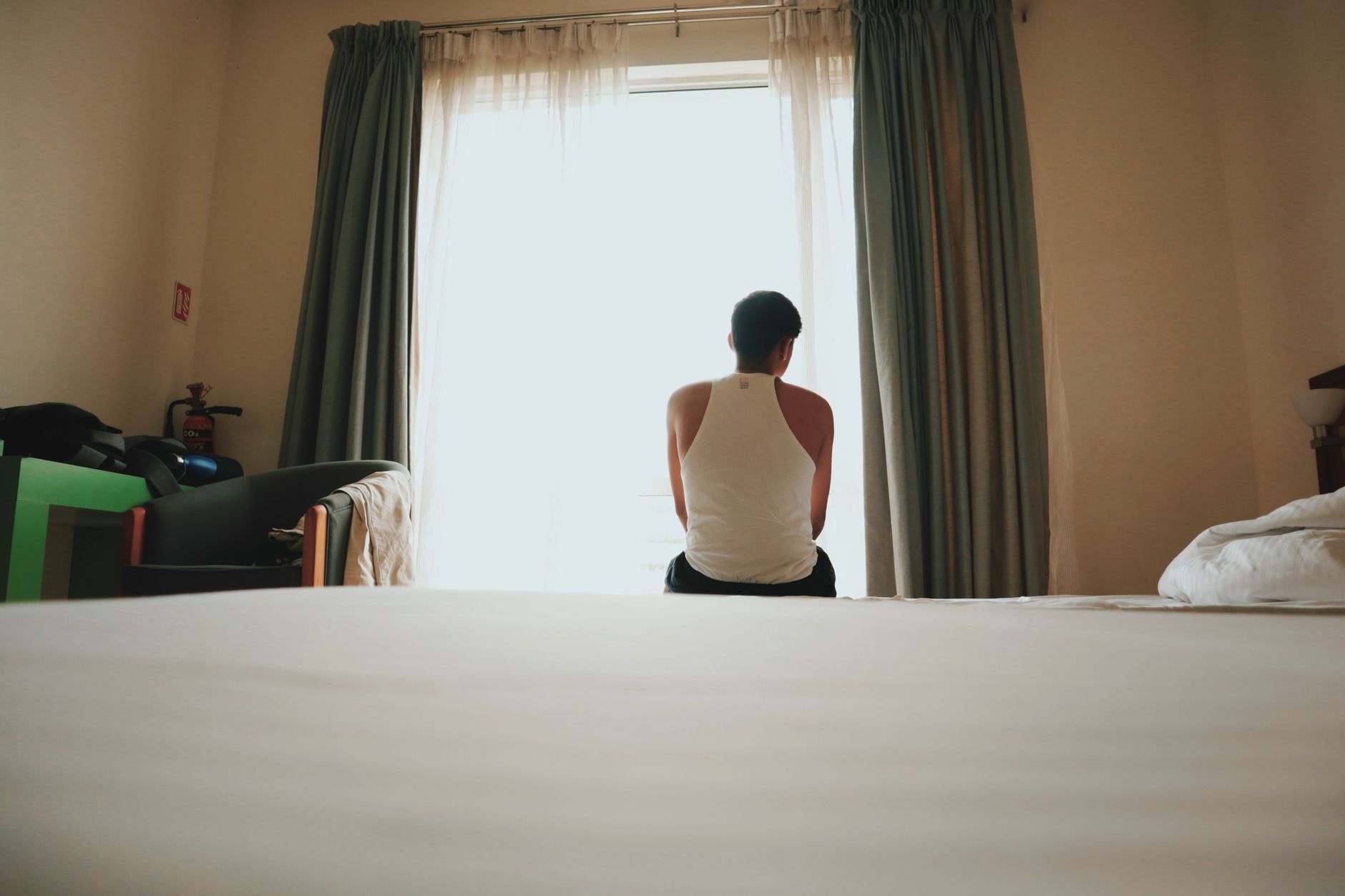
We tend to treat loneliness as a passing mood — something to shake off, not a health concern. But a growing body of research says otherwise: chronic loneliness is linked to real, measurable harm to the body, on a scale that rivals well-known risks like smoking. In 2023 the U.S. Surgeon General went so far as to call it a public health epidemic. Here’s what the science actually shows, why social connection affects your physical health, and concrete steps that help — without pretending it’s simple.

Loneliness isn’t the same as being alone
An important distinction up front: loneliness and social isolation aren’t the same thing.
- Social isolation is objective — having few relationships or contacts.
- Loneliness is subjective — the feeling that your connections are fewer or less meaningful than you want.
You can be surrounded by people and feel deeply lonely, or live alone and feel richly connected. This matters because the health effects track most closely with the felt experience of disconnection, not just the number of people around you.
What the research actually shows
The headline finding is striking: lacking strong social connection is associated with a mortality risk comparable to smoking up to 15 cigarettes a day — and greater than the risk from obesity or physical inactivity. According to the Surgeon General’s advisory, poor or insufficient connection is linked to:
- A 29% higher risk of heart disease
- A 32% higher risk of stroke
- A ~50% higher risk of dementia in older adults
- Higher rates of depression and anxiety
One honest caveat: much of this is associational. Loneliness and illness can feed each other — being sick can isolate you, and isolation can worsen health — so the arrow points both ways. But the links are strong, consistent, and biologically plausible, which is why health authorities take them seriously.
Why connection affects the body
How does a feeling reach the heart and brain? Researchers point to several overlapping pathways:
- Chronic stress. Persistent loneliness keeps the body’s stress response switched on, raising inflammation and stress hormones that, over time, wear on the heart and blood vessels.
- Behavior. Lonely people are, on average, less likely to exercise, sleep well, or eat well, and more likely to cope in unhealthy ways.
- Less buffering. Strong relationships help regulate stress and encourage healthier habits; without them, small problems compound.
In other words, connection isn’t a luxury layered on top of health — it’s woven into it.

What actually helps
There’s no single fix, and “just socialize more” can feel useless when you’re already struggling. But the evidence — and common sense — point to a few realistic moves:
- Prioritize a few close ties over many shallow ones. Depth beats breadth; one or two genuine relationships matter more than a big contact list.
- Make it regular, not grand. A standing weekly call, a recurring walk, or a class you attend consistently builds connection more than occasional big efforts.
- Help someone. Volunteering and small acts of service reliably reduce loneliness and boost mood — connection often grows from contributing.
- Use social media actively, not passively. Scrolling and comparing tends to worsen loneliness; using it to arrange real, in-person contact tends to help.
- Lower the barrier to reaching out. A short text to one person today counts. Connection is built in small, repeated steps.
💡 Tip: If loneliness feels heavy and persistent, treat it like any other health concern worth attention — not a personal failing. Start with one small, repeatable point of contact rather than trying to overhaul your social life at once.
When to seek help
Loneliness that lingers can slide into depression or anxiety, and it’s a real risk factor for both. Consider reaching out to a doctor or mental health professional if you:
- Feel persistently hopeless, empty, or withdrawn for more than a couple of weeks
- Notice loneliness affecting your sleep, appetite, or ability to function
- Are using alcohol or other substances to cope
- Have any thoughts of self-harm — in that case, contact a crisis line or emergency services right away
Asking for help is a practical step, not a weakness — and connection, including professional support, is exactly what helps.
FAQ
Q. Is loneliness really as bad for you as smoking?
Research links a lack of strong social connection to a mortality risk comparable to smoking up to 15 cigarettes a day. It’s an association rather than a perfect one-to-one comparison, but it captures how seriously the health data treat chronic loneliness — on par with major physical risk factors.
Q. Can you be lonely even with people around you?
Yes. Loneliness is about the quality and felt meaning of your connections, not the number of people nearby. Many people feel lonely in a crowd or even within a relationship, while others feel connected despite living alone.
Q. What’s the fastest way to feel less lonely?
There’s no instant cure, but small, repeated actions help most: a regular check-in with one person, joining a recurring activity, or volunteering. Depth and consistency matter more than doing something big once. If it’s persistent and affecting your health, talk to a professional.
Sources
- U.S. Surgeon General — Our Epidemic of Loneliness and Isolation (Advisory)
- CDC — Health Effects of Social Isolation and Loneliness
⚠️ Medical disclaimer: This article is for general information only and is not a substitute for professional advice. If loneliness is affecting your health or mood, or you have thoughts of self-harm, please reach out to a healthcare professional or a crisis line in your area right away.




Leave a Reply