Category: Nutrition

  • Nature’s Ozempic? Foods That Support GLP-1 Naturally

    Nature’s Ozempic? Foods That Support GLP-1 Naturally

    GLP-1 medications like Ozempic and Wegovy are everywhere — and so is the phrase “nature’s Ozempic.” But you don’t need a prescription to have GLP-1: your gut makes this fullness hormone every time you eat. Food won’t match a drug, but the right meals can nudge it in the right direction. Here’s what actually helps.

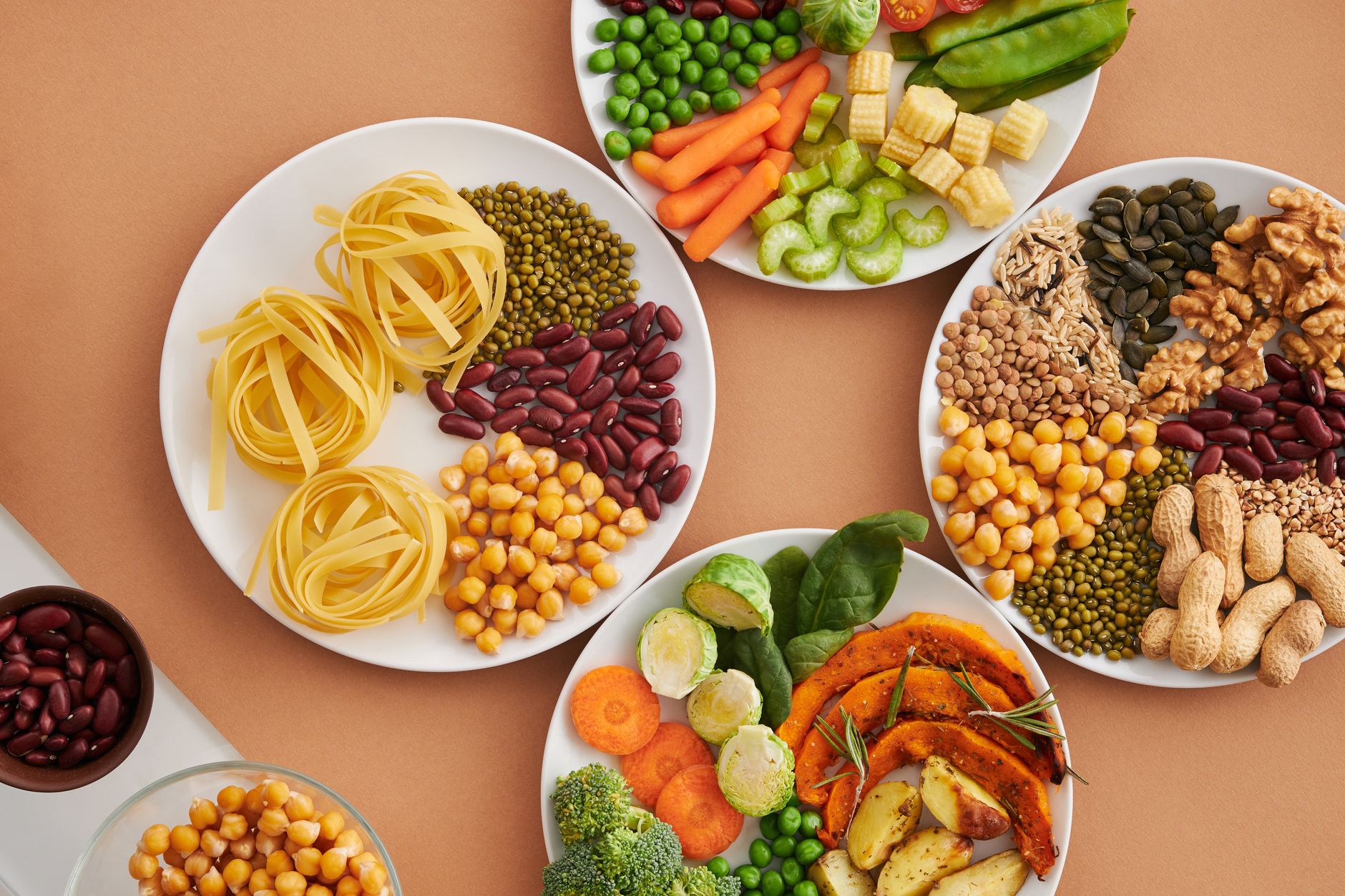
    Flat lay of chickpeas, lentils, mung beans, and pumpkin seeds with pink backdrop.
    Legumes are rich in fermentable fiber, which feeds gut bacteria that help trigger GLP-1 (사진: AI25.Studio Studio / Pexels)

    What GLP-1 actually is

    GLP-1 (glucagon-like peptide-1) is a hormone released by cells in your gut after you eat. It does a few useful things:

    • Signals fullness to your brain
    • Slows how fast your stomach empties, so you feel satisfied longer
    • Helps steady blood sugar after meals

    Medications copy this hormone at high, steady levels. Food works with your own, smaller supply.

    Why “nature’s Ozempic” is a stretch

    No food matches a GLP-1 drug. Meals raise the hormone for a while; medications keep it elevated around the clock. Eating well can genuinely curb appetite and steady blood sugar — just don’t expect dramatic, drug-like results. Think “support,” not “replace.”

    ⚠️ If you’re considering medication for obesity or diabetes, that’s a conversation for your doctor — not something food alone replaces.

    Foods that nudge GLP-1 up

    Two nutrients do most of the work: protein triggers GLP-1 quickly at a meal, and fermentable fiber feeds gut bacteria that release it more slowly.

    Food Why it helps
    Beans, lentils, chickpeas Resistant starch + soluble fiber; strong GLP-1 response
    Oats & barley Beta-glucan fiber steadies blood sugar
    Eggs, fish, Greek yogurt Protein triggers fullness hormones
    Olive oil, avocado, nuts Healthy fats stimulate GLP-1 release
    Fatty fish (salmon, sardines) Omega-3s may support the metabolic benefits

    Build a GLP-1-friendly plate

    Aim for protein + fiber + a little healthy fat at each meal — say, lentils with olive oil and vegetables, or eggs with oats and berries. The combination keeps you full longer than any single food.

    Habits that matter as much as foods

    • Eat slowly — fullness signals take time to register
    • Be consistent with fiber so your gut bacteria adapt
    • Include fermented foods (yogurt, kimchi) that support a healthy microbiome
    • Don’t skip meals and then overeat, which blunts the benefit

    💡 Tip: Starting a meal with vegetables or a little protein, then eating the starch, can soften the post-meal blood-sugar spike.

    What about “GLP-1 booster” supplements?

    Pills promising to “boost GLP-1” are flooding the market. The evidence is thin, quality varies, and some can interact with medications. Whole foods give you fiber, protein, and healthy fats together — for far less money and with real evidence behind them.

    ⚠️ Talk to a healthcare professional before starting any supplement, especially if you take medication or are pregnant.

    When food isn’t enough

    For some people with obesity or type 2 diabetes, diet alone won’t be enough — and that’s not a personal failure. GLP-1 medications exist for good reasons. Food and medication aren’t either/or; the basics (protein, fiber, movement, sleep) help no matter which path you’re on.

    FAQ

    Can food really replace GLP-1 medication?
    No. Food nudges your natural GLP-1 modestly, while medication keeps it high steadily. Eating well can still curb appetite and steady blood sugar — a worthwhile foundation, not a swap.

    Is there one food that boosts GLP-1 the most?
    There’s no magic food. The strongest combination is fermentable fiber (beans, oats) plus protein at the same meal. Legumes are among the most consistent performers in studies.

    How quickly does this work?
    Protein and fat raise GLP-1 within the meal itself. The fiber-and-microbiome effect builds over weeks as your gut bacteria adapt to a higher-fiber diet.


    Sources

    • Cleveland Clinic — GLP-1 (glucagon-like peptide-1)
    • Harvard T.H. Chan School of Public Health — Fiber

    ⚠️ Medical disclaimer: This article is for general information only and is not a substitute for medical advice. Talk to a qualified professional about your own diet, medications, and health.

  • How to Lower Cholesterol Naturally: Foods and Habits That Help

    How to Lower Cholesterol Naturally: Foods and Habits That Help

    If your last blood test flagged high cholesterol, the good news is that food and daily habits can make a real difference. Here’s what actually moves the needle — the foods that help lower LDL (“bad”) cholesterol, what to cut back on, and the lifestyle changes worth making.

    A nutritious breakfast bowl featuring fresh berries and walnuts, served with sliced fruit and kiwi.
    Oats, nuts, avocado, and olive oil are staples of a heart-friendly diet (사진: Rafael Minguet Delgado / Pexels)

    First, what the numbers mean

    Cholesterol isn’t all bad — your body needs it. What matters is the balance:

    • LDL (“bad”) — too much can build up in artery walls
    • HDL (“good”) — helps carry cholesterol away
    • Triglycerides — a blood fat linked to diet and weight

    The goal of eating for your heart is mainly to lower LDL while supporting HDL.

    Foods that help lower LDL

    Two things do most of the work: soluble fiber (which binds cholesterol in the gut) and swapping saturated fat for unsaturated fat.

    Food Why it helps
    Oats, barley Rich in soluble fiber (beta-glucan)
    Beans, lentils Soluble fiber + plant protein
    Nuts (almonds, walnuts) Unsaturated fats; a small daily handful
    Olive oil Replaces saturated fat
    Fatty fish (salmon, sardines) Omega-3s; good for triglycerides
    Avocado Monounsaturated fat + fiber
    Fruits & vegetables Fiber and plant compounds

    💡 Tip: Soluble fiber is the star. Aim to build meals around oats, beans, fruit, and vegetables most days.

    What to cut back on

    • Saturated fat — fatty cuts of meat, butter, full-fat dairy, many baked goods
    • Trans fat — found in some fried and packaged foods; check for “partially hydrogenated oil”
    • Ultra-processed foods — often high in both, plus refined carbs

    You don’t have to be perfect. Small, steady swaps (olive oil for butter, fish or beans for fatty meat) add up.

    It’s not just diet

    Food matters, but so do these:

    • Move more — regular activity can raise HDL and lower triglycerides
    • Reach a healthy weight — even modest loss helps
    • Quit smoking — improves HDL and artery health
    • Limit alcohol — excess raises triglycerides

    When food isn’t enough

    Diet and lifestyle help, but some people have high cholesterol for genetic reasons (familial hypercholesterolemia) and need medication such as statins. That’s not a failure — it’s just biology.

    ⚠️ Don’t stop or skip prescribed cholesterol medication based on diet changes alone. Talk to your doctor first.

    FAQ

    Do eggs raise cholesterol?
    For most people, dietary cholesterol in eggs has a smaller effect on blood cholesterol than saturated and trans fats do. Most can eat eggs in moderation.

    How fast can I lower cholesterol with diet?
    Some people see changes within a few weeks to a few months. Your doctor can recheck your levels and guide the timeline.

    Is there a single best food for cholesterol?
    No single food does it alone. Oats, beans, nuts, and olive oil together — as part of an overall pattern — work better than any one “superfood.”


    Sources

    • American Heart Association — cholesterol and dietary fats guidance
    • U.S. National Institutes of Health (NIH) — cholesterol overview

    ⚠️ Medical disclaimer: This article is for general information only and is not a substitute for medical advice. Consult a healthcare professional before changing your diet or medication.

  • Caffeine: How Much Is Too Much?

    Caffeine: How Much Is Too Much?

    For most people, caffeine is a safe, even beneficial part of the day — it boosts alertness and focus. But there’s a point where helpful tips into jittery, anxious, and sleep-wrecking. So how much is too much? Here’s a clear guide.

    Vibrant striped cup overflowing with dark roasted coffee beans against a black background.
    Caffeine is safe for most adults — up to a point (사진: Magda Ehlers / Pexels)

    The general safe limit

    For most healthy adults, up to about 400 mg of caffeine per day is considered safe — roughly 4 cups of brewed coffee. Sensitivity varies a lot from person to person, though.

    How much caffeine is in common drinks?

    Drink Approx. caffeine
    Brewed coffee (240 ml) ~95 mg
    Espresso (1 shot) ~63 mg
    Black tea (240 ml) ~47 mg
    Green tea (240 ml) ~28 mg
    Cola (350 ml) ~35 mg
    Energy drink (250 ml) ~80 mg (varies widely)

    Watch for hidden sources: energy drinks, pre-workout supplements, and even some medications contain caffeine.

    Signs you’ve had too much

    • Jitteriness or shakiness
    • Racing heart
    • Anxiety or restlessness
    • Trouble sleeping
    • Headache, irritability
    • Upset stomach

    Caffeine and sleep

    Caffeine can linger for 6 hours or more. A mid-afternoon coffee can still be affecting you at bedtime. If you sleep poorly, try keeping caffeine to the morning and early afternoon.

    💡 Tip: If you feel anxious or wired, you may simply be sensitive to caffeine. Try cutting back gradually — sudden quitting can cause headaches.

    Who should have less

    • People who are pregnant (lower limits advised — check with your doctor)
    • Those with anxiety, certain heart conditions, or acid reflux
    • People sensitive to caffeine or who sleep poorly

    FAQ

    Q. How many cups of coffee is 400 mg?
    Roughly four 8-oz (240 ml) cups of brewed coffee, though strength varies a lot.

    Q. Is caffeine bad for you?
    For most healthy adults in moderation, no — it has some benefits. Problems come from excess or individual sensitivity.

    Q. How can I cut back without headaches?
    Reduce gradually over a week or two rather than quitting cold, and stay hydrated.


    Sources

    • U.S. Food and Drug Administration (FDA) — Spilling the Beans: How Much Caffeine is Too Much
    • Mayo Clinic — Caffeine: how much is too much?

    ⚠️ Medical disclaimer: This article is for general information only and is not a substitute for medical advice. If you’re pregnant or have a health condition, ask your doctor about caffeine.

  • Intermittent Fasting for Beginners: A Simple, Safe Guide

    Intermittent Fasting for Beginners: A Simple, Safe Guide

    Intermittent fasting (IF) has become one of the most popular eating approaches — not about what you eat, but when. For some people it’s a simple way to manage eating and weight. Here’s a clear beginner’s guide, including who should be careful.

    Colorful Mexican salad with avocado, black beans, and lime on a light blue surface.
    Intermittent fasting is about when you eat, not just what you eat (사진: Ella Olsson / Pexels)

    What is intermittent fasting?

    IF cycles between periods of eating and fasting. During fasting windows you have water, plain tea, or black coffee; during eating windows you eat normally (ideally, healthily).

    Popular methods

    Method How it works
    16:8 Fast 16 hours, eat within an 8-hour window (most popular)
    12:12 Gentler — 12 hours fasting, 12 eating
    5:2 Eat normally 5 days, eat very little on 2 non-consecutive days

    For beginners, 12:12 or 16:8 is the easiest starting point — often just skipping late-night snacking and a later breakfast.

    Potential benefits

    • May help with weight management by naturally reducing calorie intake
    • Some people find it simplifies eating (fewer decisions)
    • Research suggests possible benefits for blood sugar control, though evidence is still developing

    Importantly, IF isn’t magic — results depend on overall diet quality and calories.

    How to start gently

    1. Begin with a 12-hour overnight fast (e.g., 8 PM–8 AM)
    2. Gradually extend the fasting window if it feels good
    3. Eat balanced, satisfying meals in your window — don’t binge
    4. Stay hydrated
    5. Listen to your body; stop if you feel unwell

    💡 Tip: IF works only if your eating-window meals are reasonable. Overeating processed food in 8 hours won’t help.

    Who should be cautious or avoid it

    • People with a history of disordered eating
    • Those who are pregnant or breastfeeding
    • People with diabetes or on medications affecting blood sugar (medical guidance needed)
    • Children and teens

    FAQ

    Q. Will I lose weight with intermittent fasting?
    Possibly, mainly if it helps you eat fewer calories overall. It’s a tool, not a guarantee.

    Q. Can I drink coffee while fasting?
    Black coffee, plain tea, and water are generally fine during the fasting window.

    Q. Is fasting safe long-term?
    For many healthy adults, moderate IF appears safe. If you have a health condition, check with a doctor first.


    Sources

    • Johns Hopkins Medicine — Intermittent fasting: what is it?
    • Research reviews on time-restricted eating

    ⚠️ Medical disclaimer: This article is for general information only and is not a substitute for medical advice. Consult a healthcare professional before starting intermittent fasting, especially with a medical condition.

  • Simple Ways to Eat Less Sugar Without Feeling Deprived

    Simple Ways to Eat Less Sugar Without Feeling Deprived

    Most of us eat far more added sugar than we realize — often hidden in drinks, sauces, and “healthy” snacks. The goal isn’t zero sugar; it’s cutting the excess added sugar that sneaks in. Here are realistic ways to do it without feeling deprived.

    Top view of brown sugar cubes scattered on a pink background with a spoon.
    Most added sugar hides in drinks and processed foods, not the sugar bowl (사진: Leeloo The First / Pexels)

    Why cut back on added sugar?

    Too much added sugar is linked to weight gain, dental problems, and higher risk of metabolic issues over time. Health guidelines suggest keeping added sugar to a small fraction of daily calories — yet many people double it, mostly without noticing.

    Where sugar hides

    The biggest sources usually aren’t dessert:

    • Sugary drinks (soda, sweetened coffee, juice, energy drinks)
    • Sauces and dressings (ketchup, BBQ, some pasta sauces)
    • Breakfast cereals and flavored yogurts
    • “Health” snacks (granola bars, smoothies)

    Practical ways to eat less sugar

    1. Tackle drinks first

    Sugary drinks are the single biggest source for many people. Swap to water, sparkling water, or unsweetened tea/coffee for a quick win.

    2. Read labels for “added sugars”

    Check the added sugars line and the ingredient list (sugar has many names: syrup, dextrose, cane juice…).

    3. Choose plain, then add your own

    Buy plain yogurt or oatmeal and add fruit yourself — far less sugar than pre-sweetened versions.

    4. Don’t go cold turkey

    Reduce gradually. Your palate adjusts, and over time very sweet foods start to taste too sweet.

    5. Eat enough protein and fiber

    Balanced meals reduce sugar cravings driven by blood-sugar swings.

    💡 Tip: You don’t have to ban dessert. Keep treats as treats, and focus on cutting the invisible sugar in everyday drinks and processed foods.

    FAQ

    Q. Is fruit sugar bad?
    No. Whole fruit comes with fiber, water, and nutrients. The concern is added sugar, not whole fruit.

    Q. Are artificial sweeteners a good swap?
    They can help reduce sugar for some people, but it’s best to also reduce overall sweetness preference over time.

    Q. How long until cravings fade?
    Many people notice cravings ease within a couple of weeks of consistently cutting back.


    Sources

    • World Health Organization — Guideline on sugars intake
    • American Heart Association — Added sugars

    ⚠️ Medical disclaimer: This article is for general information only and is not a substitute for personalized dietary advice, especially if you have diabetes or other conditions.

  • Are Eggs Good or Bad for You? The Cholesterol Question

    Are Eggs Good or Bad for You? The Cholesterol Question

    Few foods have flip-flopped in reputation like the egg — from breakfast staple to cholesterol villain and back again. So what’s the verdict? Here’s a clear look at eggs, cholesterol, and how they fit into a healthy diet.

    A top-down view of brown organic eggs piled in a white bowl against a dark surface.
    Eggs are nutrient-dense — and for most people, not the cholesterol threat once believed (사진: Rio Lecatompessy / Pexels)

    Why eggs got a bad reputation

    Egg yolks are high in dietary cholesterol, and for years that was assumed to directly raise blood cholesterol. We now understand the picture is more nuanced: for most people, saturated and trans fats in the diet affect blood cholesterol more than dietary cholesterol itself.

    What eggs actually offer

    Eggs are genuinely nutrient-dense:

    • High-quality protein (~6g per egg)
    • Choline (important for the brain)
    • Vitamins B12, D, and A
    • Lutein and zeaxanthin (eye health)

    So how many eggs are safe?

    For most healthy people, up to about one egg per day fits comfortably within a balanced diet, according to current evidence. Some people respond more strongly to dietary cholesterol, and those with diabetes or heart disease may need more personalized guidance.

    Who General guidance
    Most healthy adults ~1 egg/day is fine
    Diabetes / heart disease Ask your doctor for personalized advice

    The bigger picture

    What you eat with your eggs matters too. Eggs fried in lots of butter alongside processed meats are different from eggs with vegetables and whole-grain toast.

    💡 Tip: Focus on the whole meal and overall diet pattern, not a single food. Eggs can absolutely be part of a healthy diet for most people.

    FAQ

    Q. Do eggs raise cholesterol?
    For most people, dietary cholesterol from eggs has a modest effect. Saturated fat in the overall diet matters more.

    Q. Are egg whites healthier than whole eggs?
    Whites are pure protein, but the yolk holds most of the nutrients. Whole eggs are fine for most people.

    Q. How should I cook eggs healthily?
    Boiling, poaching, or scrambling with minimal added fat — and pairing with vegetables — is a great approach.


    Sources

    • Harvard T.H. Chan School of Public Health — Eggs and heart disease
    • American Heart Association — Dietary cholesterol and eggs

    ⚠️ Medical disclaimer: This article is for general information only and is not a substitute for medical advice. If you have diabetes or heart disease, follow your healthcare provider’s guidance.

  • What Is Fiber and How Much Do You Really Need?

    What Is Fiber and How Much Do You Really Need?

    Fiber is one of the most underrated parts of a healthy diet — and most people fall well short. It supports digestion, steadies blood sugar, helps cholesterol, and keeps you full. Here’s what fiber actually is, how much you need, and how to get more without the bloating.

    Close-up of pinto beans, lentils, and other grains in burlap sacks in a market setting.
    Fiber comes from whole plants — grains, beans, fruit, and vegetables (사진: Engin Akyurt / Pexels)

    What is fiber?

    Fiber is the part of plant foods your body can’t fully digest. There are two main types, and you need both:

    • Soluble fiber dissolves in water, helping lower cholesterol and steady blood sugar (oats, beans, apples).
    • Insoluble fiber adds bulk and keeps things moving through your gut (whole grains, vegetables, nuts).

    How much do you need?

    General guidance for adults is roughly:

    • Women: ~25 grams per day
    • Men: ~38 grams per day

    Most people get only about half that. The fix is simple — eat more whole plants.

    Why fiber matters

    Benefit How fiber helps
    Digestion Prevents constipation, supports regularity
    Heart health Soluble fiber helps lower cholesterol
    Blood sugar Slows sugar absorption, steadies energy
    Fullness Keeps you satisfied, aiding weight control
    Gut health Feeds beneficial gut bacteria

    Easy ways to eat more fiber

    • Choose whole grains over refined (brown rice, whole-grain bread, oats)
    • Add beans or lentils to soups, salads, and bowls
    • Keep the skin on fruits and vegetables
    • Snack on fruit, nuts, or seeds instead of processed snacks
    • Add vegetables to meals you already eat

    💡 Tip: Increase fiber gradually and drink plenty of water. Adding too much too fast can cause gas and bloating.

    FAQ

    Q. Can I get enough fiber from supplements?
    Supplements can help fill gaps, but whole foods provide fiber plus vitamins, minerals, and other benefits. Food first.

    Q. Why does fiber make me bloated?
    Usually because it was increased too quickly. Ramp up slowly and hydrate, and your gut will adjust.

    Q. Which foods are highest in fiber?
    Beans, lentils, whole grains, berries, avocado, and vegetables like broccoli are all excellent sources.


    Sources

    • U.S. National dietary guidelines — Dietary fiber
    • Mayo Clinic — Dietary fiber: essential for a healthy diet

    ⚠️ Medical disclaimer: This article is for general information only and is not a substitute for medical advice. If you have a digestive condition, consult a healthcare professional before making big dietary changes.

  • High-Protein Breakfast Ideas to Keep You Full Until Lunch

    High-Protein Breakfast Ideas to Keep You Full Until Lunch

    If you’re hungry an hour after breakfast, the problem may be what’s on your plate. Carb-heavy breakfasts spike and crash; protein keeps you fuller for longer and steadies energy. Here are simple, high-protein breakfasts you can actually make on a busy morning.

    A vibrant breakfast plate featuring avocado, eggs, and crisp bread on a blue dish.
    Protein at breakfast helps curb mid-morning hunger (사진: Daka / Pexels)

    Why protein at breakfast helps

    Protein is the most filling macronutrient. A protein-rich breakfast can:

    • Reduce hunger and snacking before lunch
    • Help steady blood sugar and energy
    • Support muscle maintenance

    A good target is around 20–30 grams of protein at breakfast.

    Easy high-protein breakfast ideas

    1. Greek yogurt bowl

    Plain Greek yogurt (high in protein) with berries, a spoon of nuts, and seeds. ~20g protein.

    2. Eggs, two ways

    Two or three eggs scrambled or boiled, with whole-grain toast and veggies. Simple and filling.

    3. Overnight oats with protein

    Oats soaked with milk or yogurt and a scoop of protein powder; add fruit. Make it the night before.

    4. Cottage cheese plate

    Cottage cheese is very high in protein — pair with tomato and whole-grain crackers, or fruit.

    5. Tofu scramble

    A plant-based option: scramble firm tofu with vegetables and turmeric.

    6. Protein smoothie

    Blend milk or a plant milk, protein powder, a banana, and spinach for a grab-and-go option.

    💡 Tip: Add a protein anchor to whatever you already eat — a side of eggs, a scoop of yogurt, or a handful of nuts — rather than overhauling breakfast entirely.

    Quick protein comparison

    Food (typical serving) Protein
    Greek yogurt (170g) ~17g
    2 large eggs ~12g
    Cottage cheese (½ cup) ~14g
    Protein powder (1 scoop) ~20–25g

    FAQ

    Q. How much protein should breakfast have?
    Aiming for 20–30g works well for most adults to stay full and support muscle.

    Q. Is skipping breakfast bad?
    Not necessarily — it depends on the person. But if you do eat breakfast, making it protein-rich helps with fullness and energy.

    Q. Are protein powders necessary?
    No. Whole foods like eggs, yogurt, and cottage cheese work great. Powders are just convenient.


    Sources

    • Harvard T.H. Chan School of Public Health — Protein
    • National dietary guidelines on protein intake

    ⚠️ Medical disclaimer: This article is for general information only and is not a substitute for personalized dietary advice. Consult a professional if you have specific health or dietary needs.

  • 9 Foods That Help Lower Blood Pressure Naturally

    9 Foods That Help Lower Blood Pressure Naturally

    What you eat has a real, measurable effect on blood pressure. Alongside medical care, a few smart food choices — more potassium, less sodium, more whole plants — can help keep numbers in a healthy range. Here are 9 foods worth putting on your plate more often.

    Colorful assortment of fresh fruits displayed for sale at a market stall.
    A colorful, plant-rich plate supports healthy blood pressure (사진: Dipankar Layek / Pexels)

    Why food matters for blood pressure

    Two themes drive most of the benefit:

    • More potassium, which helps balance sodium and relax blood vessel walls
    • Less excess sodium, which can pull more water into the bloodstream

    Many of the foods below are simply rich in potassium, fiber, and protective plant compounds.

    The 9 foods

    1. Leafy greens

    Spinach, kale, and Swiss chard are loaded with potassium and nitrates that support healthy blood flow.

    2. Berries

    Blueberries and strawberries provide antioxidants (anthocyanins) linked to better vascular health.

    3. Bananas

    A famous potassium source — easy to add to breakfast or a snack.

    4. Beets

    Beets are high in nitrates, which the body converts to compounds that help relax blood vessels.

    5. Oats

    The soluble fiber in oats supports both blood pressure and cholesterol.

    6. Fatty fish

    Salmon, mackerel, and sardines provide omega-3 fats associated with heart health.

    7. Plain yogurt

    Low-fat dairy is part of eating patterns shown to support healthy blood pressure — choose unsweetened.

    8. Garlic

    May have a modest blood-pressure-lowering effect and adds flavor without salt.

    9. Nuts and seeds

    Pistachios, almonds, and pumpkin seeds offer magnesium, potassium, and healthy fats.

    The bigger picture: the DASH approach

    These foods work best as part of an overall pattern. The widely recommended DASH eating style emphasizes:

    Eat more Eat less
    Vegetables, fruit, whole grains Salt / sodium
    Beans, nuts, seeds Added sugar
    Low-fat dairy, fish, poultry Highly processed foods

    💡 Tip: The simplest high-impact change for many people is cutting back on salt and ultra-processed foods, where most sodium hides.

    FAQ

    Q. How quickly can food affect blood pressure?
    Some people see changes within a few weeks of consistent dietary improvement, but results vary by individual.

    Q. Should I stop my blood pressure medication if I eat well?
    Never stop or change prescribed medication on your own. Diet works alongside — not instead of — your doctor’s plan.

    Q. Is coffee bad for blood pressure?
    Caffeine can cause a short-term rise. If you’re sensitive, monitor how you respond, but moderate intake is fine for many people.


    Sources

    • American Heart Association — The DASH Diet
    • U.S. National Heart, Lung, and Blood Institute (NHLBI) — DASH Eating Plan

    ⚠️ Medical disclaimer: This article is for general information only and is not a substitute for medical advice, diagnosis, or treatment. If you have high blood pressure, work with your healthcare provider on a plan that’s right for you.

  • How Much Water Should You Actually Drink a Day?

    How Much Water Should You Actually Drink a Day?

    “Drink 8 glasses of water a day” is one of the most repeated pieces of health advice — but it’s more of a rough rule of thumb than a scientific law. Your real needs depend on your body, activity, climate, and even what you eat. Here’s a clearer, more practical answer.

    Close-up of sparkling water being poured from a bottle into a glass with bubbles visible.
    Your water needs depend on your body, activity, and climate (사진: Pixabay / Pexels)

    So, how much do you really need?

    General guidance from health authorities suggests a total daily fluid intake of roughly:

    • About 2.7 liters (≈11 cups) for women
    • About 3.7 liters (≈15 cups) for men

    But here’s the key: that’s total fluids from all sources, not just plain water. And about 20% of it typically comes from food.

    What counts toward your fluids

    You don’t have to get every drop from a water bottle. These all contribute:

    • Water, sparkling water
    • Tea and coffee (yes — in normal amounts they hydrate, despite the old myth)
    • Milk and plant milks
    • Water-rich foods: fruit, vegetables, soups

    Simple signs you’re well hydrated

    Forget counting every milliliter. Your body gives good signals:

    Sign What it suggests
    Pale yellow urine Well hydrated
    Dark yellow urine Drink more
    Rarely thirsty Likely fine
    Headache, fatigue, dry mouth Possible dehydration

    💡 Tip: Thirst is a reliable everyday guide for most healthy adults. Drink when thirsty, and a bit more around exercise, heat, and illness.

    When you need more

    Bump up your intake when you’re:

    • Exercising or sweating heavily
    • In hot or humid weather
    • Sick with fever, vomiting, or diarrhea
    • Pregnant or breastfeeding

    Can you drink too much?

    Rarely, but yes. Drinking extreme amounts in a short time can dilute blood sodium (hyponatremia), which is dangerous. For everyday life this is uncommon — spread your intake through the day rather than forcing huge amounts at once.

    FAQ

    Q. Does coffee dehydrate me?
    In normal amounts, no. The fluid in coffee and tea more than offsets their mild diuretic effect.

    Q. Should I drink a fixed number of glasses?
    A target can help as a reminder, but it’s not mandatory. Use urine color and thirst as your guide.

    Q. Is it better to drink cold or warm water?
    Hydration is the same either way — drink whichever you’ll actually drink more of.


    Sources

    • U.S. National Academies of Sciences — Dietary Reference Intakes for water
    • Mayo Clinic — Water: How much should you drink every day?

    ⚠️ Medical disclaimer: This article is for general information only and is not a substitute for medical advice. If you have a heart, kidney, or other condition that affects fluid intake, follow your doctor’s guidance.