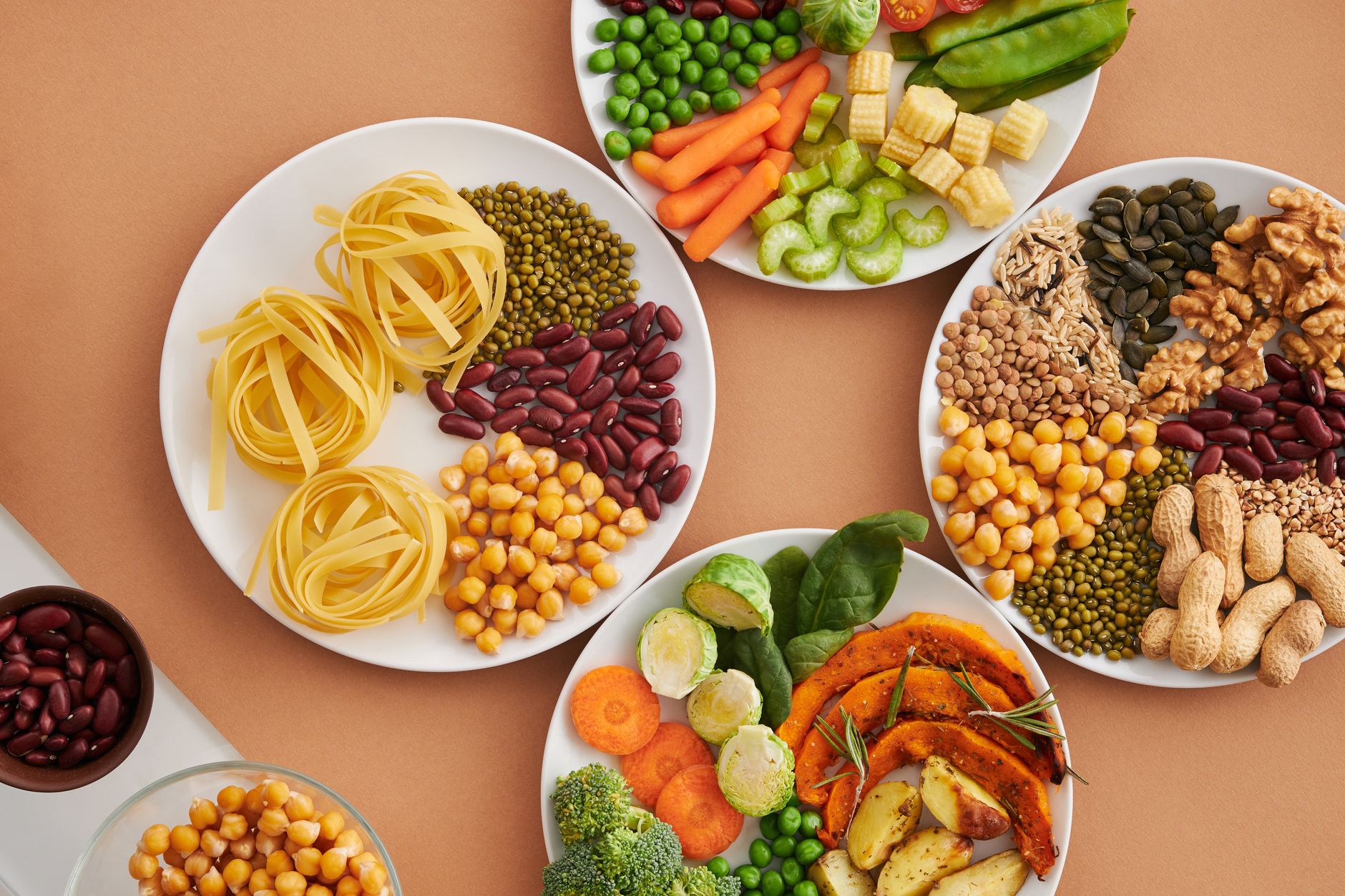
If you’re constantly tired despite sleeping enough, low iron is one of the most common culprits worth ruling out. Iron deficiency is the world’s most widespread nutrient shortfall, and because its main symptom — fatigue — is so easy to blame on a busy life, it often goes unnoticed for months. Here’s how to recognize it, who’s most at risk, how to get more iron from food, and the one safety rule that matters most before you reach for a supplement.
Why iron matters
Iron is the core of hemoglobin, the protein in red blood cells that carries oxygen from your lungs to the rest of your body. When iron runs low, your blood carries less oxygen, and everything from your muscles to your brain works harder for less. That’s why the hallmark of deficiency is a deep, persistent tiredness that sleep doesn’t fix. Left unaddressed, it can progress to iron-deficiency anemia.
Signs you might be low
Symptoms often build gradually, which is why they’re easy to miss:
- Persistent fatigue and low stamina
- Shortness of breath, especially on exertion
- Pale skin, or pale inner eyelids
- Cold hands and feet
- Brittle nails, hair shedding
- Headaches or trouble concentrating
- Restless legs at night
- In more severe cases, pica — craving non-foods like ice
These overlap with many other conditions, so they point you toward testing rather than a diagnosis on their own.
Who’s most at risk
Some groups are far more likely to run low:
| Group | Why |
|---|---|
| Menstruating women, esp. heavy periods | Regular blood (and iron) loss |
| Pregnant people | Iron needs rise substantially |
| Vegetarians and vegans | Plant iron is absorbed less efficiently |
| Frequent blood donors / endurance athletes | Higher turnover and losses |
| People with celiac, IBD, or gut conditions | Impaired absorption |
In adults, especially men and postmenopausal women, unexplained iron deficiency can also be a sign of slow blood loss in the gut — which is exactly why it shouldn’t be self-treated without finding the cause.
Getting iron from food (heme vs non-heme)
There are two types of dietary iron, and they behave differently:
- Heme iron (from meat, poultry, fish) is absorbed efficiently
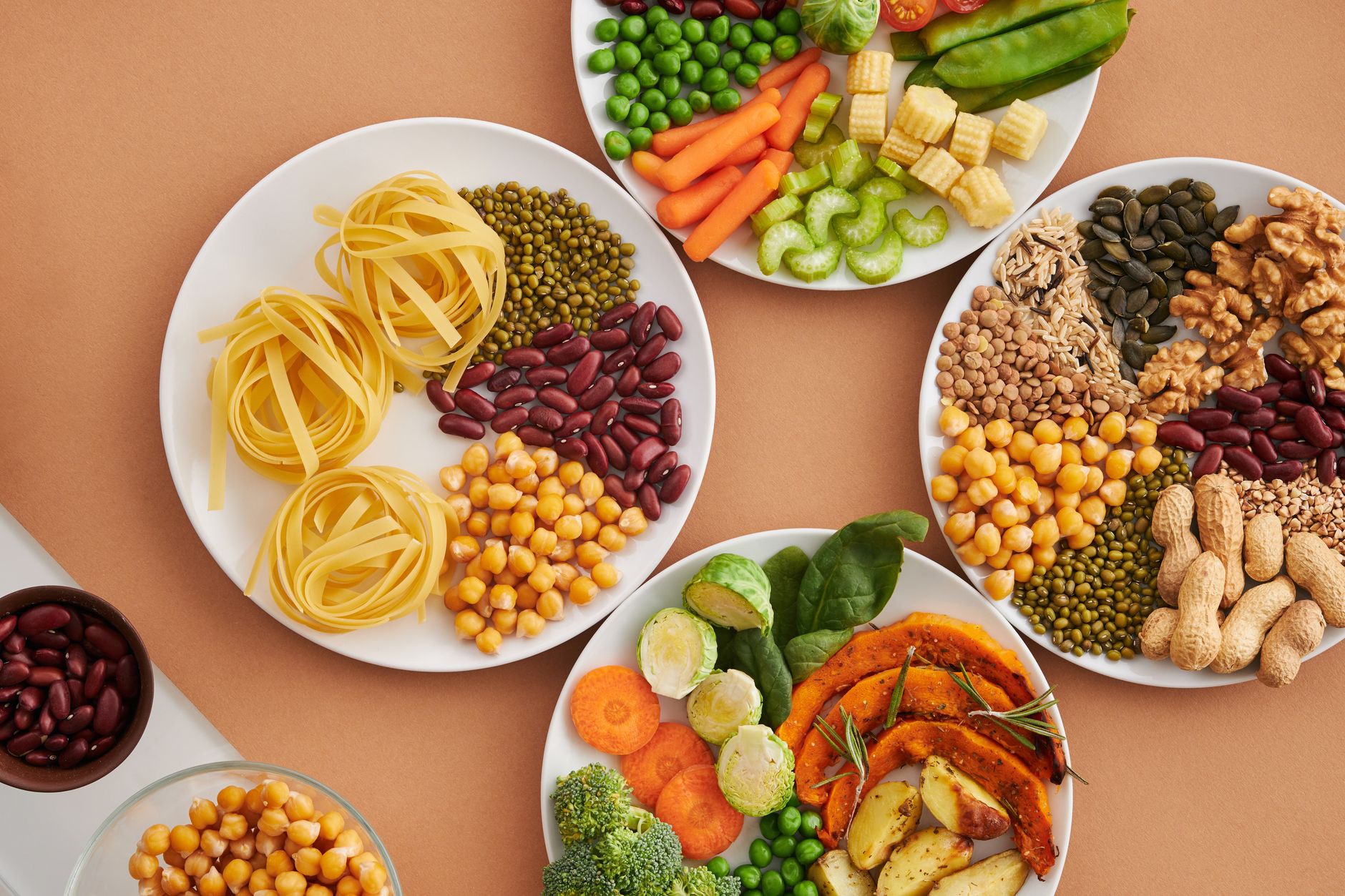
- Non-heme iron (from plants — beans, lentils, tofu, spinach, fortified cereals) is absorbed less well
Two simple tricks make a real difference for plant iron:
- Pair with vitamin C — peppers, citrus, tomatoes, or strawberries alongside iron-rich foods boost absorption
- Separate from inhibitors — coffee, black tea, and calcium-rich foods reduce non-heme iron absorption, so keep them away from your main iron meals
💡 Tip: A squeeze of lemon on lentils or spinach, or fruit with an iron-fortified breakfast, is an easy way to absorb noticeably more of the iron you’re already eating.
Don’t guess — test before you supplement
This is the most important point. Don’t start iron supplements based on symptoms alone. Fatigue has many causes, and taking iron you don’t need is not harmless: excess iron can cause constipation and nausea, and in some people builds up to harmful levels. Just as importantly, self-treating can mask a problem — like gastrointestinal bleeding — that needs proper diagnosis. The right move is a simple blood test (including ferritin, which reflects iron stores). If you’re low, a clinician can find out why and recommend the correct dose and form.
FAQ
Q. Can low iron cause fatigue without full anemia?
Yes. You can feel tired, foggy, and low on stamina from depleted iron stores (low ferritin) before your hemoglobin drops enough to be called anemia, which is why a ferritin test is useful.
Q. What are the best foods for iron?
Red meat, poultry, fish, and shellfish provide well-absorbed heme iron; beans, lentils, tofu, spinach, and fortified cereals provide non-heme iron. Pair plant sources with vitamin C and keep coffee or tea separate from those meals.
Q. Should I just take an iron supplement to be safe?
No — test first. Iron supplements help when you’re genuinely deficient, but taking iron you don’t need can cause side effects, build up to harmful levels, and hide an underlying cause. Get a blood test and follow medical advice.
Sources
- U.S. National Institutes of Health, Office of Dietary Supplements — Iron
- Mayo Clinic — Iron deficiency anemia
⚠️ Medical disclaimer: This article is for general information only and is not a substitute for medical advice. Persistent fatigue or suspected iron deficiency should be evaluated with a blood test and a qualified healthcare professional before starting supplements.


Leave a Reply