Category: Supplements

  • Creatine Beyond the Gym: Brain, Aging, and Everyday Benefits

    Creatine Beyond the Gym: Brain, Aging, and Everyday Benefits

    Creatine has spent decades labeled a “gym supplement,” but recent research keeps pointing somewhere bigger — your brain, healthy aging, and women’s health. It’s one of the most studied supplements there is. Here’s the honest picture: what it can do beyond muscle, how to take it, and who should be careful.

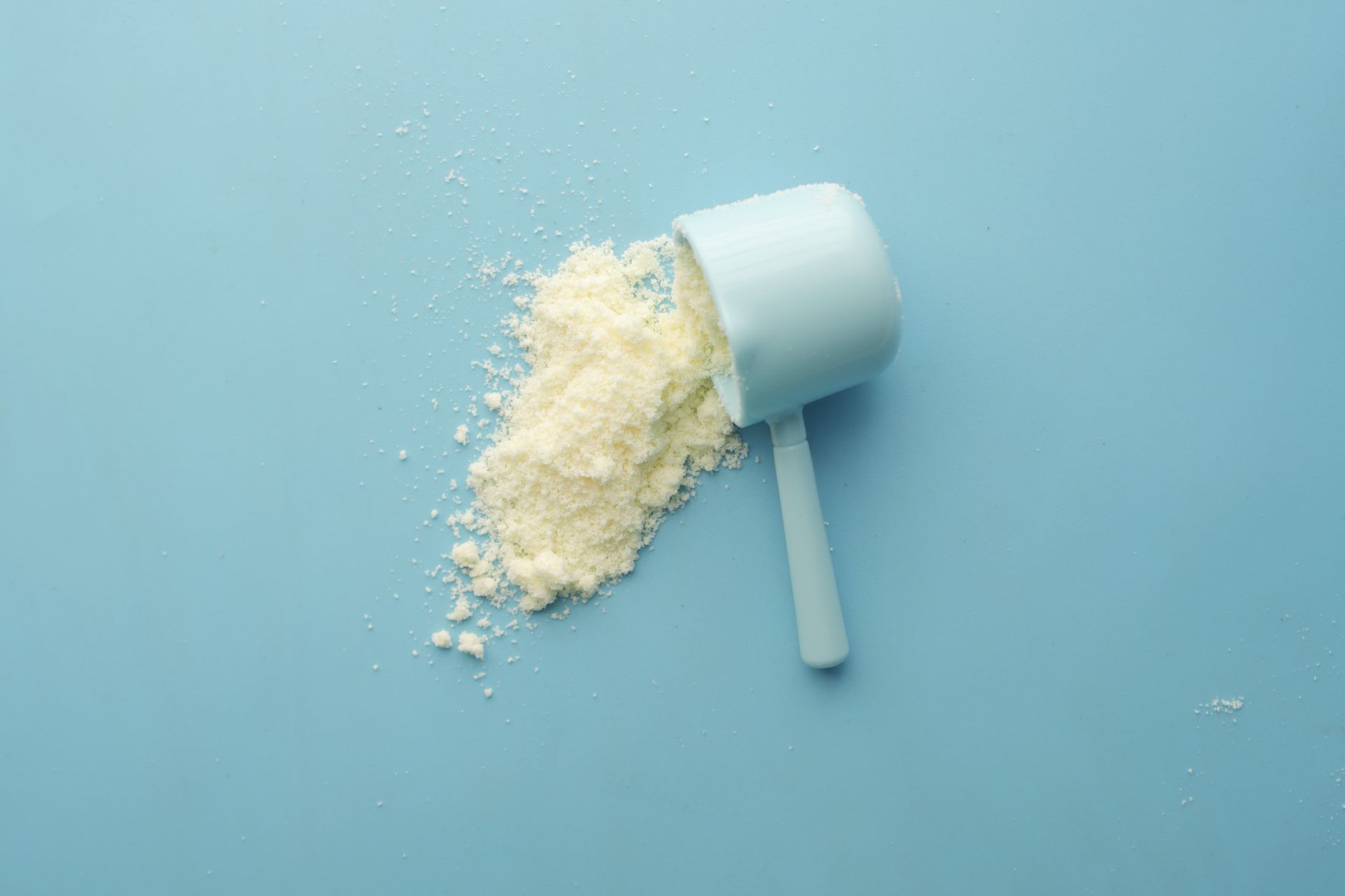
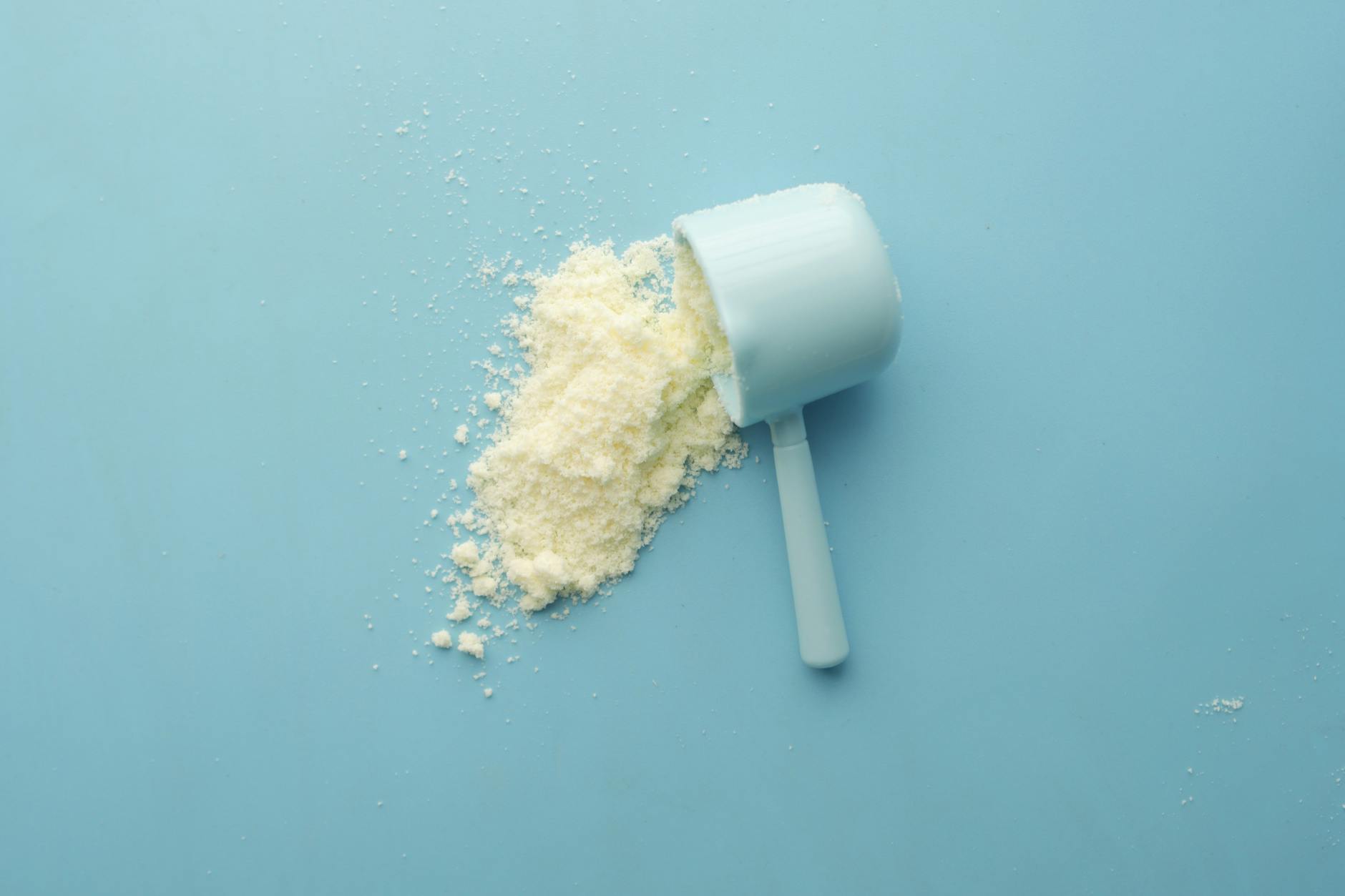
    White powder spilled from a scoop on bright blue background. Clean and minimalistic food photo.
    Creatine monohydrate is cheap, well-studied, and usually taken as a few grams a day (사진: Towfiqu barbhuiya / Pexels)

    What creatine is (and isn’t)

    Creatine is a compound your body already makes and stores, mostly in muscle, where it helps cells produce quick energy (ATP). You also get it from meat and fish. The supplement — usually creatine monohydrate — simply tops up those stores.

    • It is not a steroid or a stimulant
    • It works by supporting your cells’ energy supply
    • Monohydrate is the cheapest and most studied form

    Beyond muscle: the everyday case

    Most people know creatine for strength and muscle. The newer interest is what it may do elsewhere:

    • Brain: modest gains in memory and mental clarity, especially when you’re sleep-deprived or stressed
    • Mood: some evidence it supports mood, particularly in women
    • Aging: combined with resistance training, it helps preserve muscle and bone

    Creatine and women

    Research in women — including during perimenopause and menopause — is growing fast. Early trials point to possible benefits for brain creatine levels, mood, and strength. It’s promising rather than settled, but women have historically been under-studied here.

    What the evidence does and doesn’t show

    Be realistic: the muscle benefits are well-established, while the brain benefits are promising but smaller.

    Area Strength of evidence
    Muscle strength & lean mass Strong, especially with training
    Brain under stress or sleep loss Promising, modest gains
    Cognition in healthy older adults Limited, modest
    Mood and depression support Emerging, not conclusive

    How to take it

    • A daily 3–5 g dose of creatine monohydrate is enough for most people
    • “Loading” (around 20 g/day for a week) fills stores faster but isn’t necessary
    • Timing doesn’t matter much — pick a moment you’ll remember
    • Take it with water and stay consistent; effects build over weeks

    💡 Tip: Plain creatine monohydrate works as well as fancier, pricier forms. You don’t need to pay extra.

    Is it safe?

    For healthy adults, creatine is one of the safest supplements studied, even over long periods. A few myths worth retiring:

    • It does not damage kidneys in healthy people
    • It is not a steroid
    • Any early weight gain is water held in muscle, not fat

    ⚠️ If you have kidney disease, are pregnant or breastfeeding, or take medications, check with a healthcare professional first.

    Who might consider it

    • Older adults doing resistance training, to protect muscle and bone
    • Vegetarians and vegans, who tend to have lower baseline stores
    • Anyone wanting a little cognitive support during stressful, low-sleep stretches

    It’s a helpful tool, not a magic pill — the basics of sleep, protein, and movement still come first.

    FAQ

    Do I need to “load” creatine?
    No. Loading just fills your stores faster. A steady 3–5 g a day reaches the same level in about three to four weeks.

    Will creatine make me gain weight?
    You may see a small bump early on — that’s water stored in muscle, not fat. For many people it’s barely noticeable.

    Is creatine safe for your kidneys?
    In healthy people, studies show no harm to kidney function. If you have kidney disease, talk to your doctor before starting.


    Sources

    • International Society of Sports Nutrition — creatine position stand
    • Mayo Clinic — Creatine

    ⚠️ Medical disclaimer: This article is for general information only and is not a substitute for medical advice. Talk to a qualified professional before starting any supplement, especially if you take medication or have a health condition.

  • Zinc for Immunity: What It Does and Where to Get It

    Zinc for Immunity: What It Does and Where to Get It

    Zinc is a small mineral with a big role — especially in your immune system. It’s involved in immune cell function, wound healing, and more. Here’s what zinc does, how to get enough, and what to know before supplementing.

    A close-up shot of organic pumpkin seeds showcasing their natural texture and green hue.
    Meat, shellfish, seeds, and legumes are good sources of zinc (사진: Anna Tarazevich / Pexels)

    Why zinc matters

    Zinc supports:

    • Immune function — immune cells depend on it
    • Wound healing and tissue repair
    • Taste and smell
    • Normal growth and development

    Because the body doesn’t store much zinc, you need a steady supply from food.

    Signs you might be low

    ⚠️ These overlap with other causes; a doctor can assess properly.

    • Frequent infections or slow healing
    • Reduced sense of taste or smell
    • Hair thinning
    • Poor appetite

    Best food sources

    Food Notes
    Oysters Exceptionally high in zinc
    Meat & poultry Well-absorbed source
    Pumpkin seeds, cashews Good plant sources
    Legumes (chickpeas, lentils) Plant source (absorbed less efficiently)
    Whole grains, dairy Contribute to intake

    Plant-based eaters absorb zinc less efficiently, so they may need somewhat more.

    About supplements and the “zinc for colds” idea

    Zinc lozenges are popular at the first sign of a cold; some evidence suggests they may slightly shorten cold duration, but results are mixed. A few cautions:

    • Too much zinc can cause nausea and, long-term, interfere with copper absorption
    • Don’t exceed recommended doses
    • Nasal zinc products have been linked to loss of smell — avoid

    💡 Tip: For everyday immune support, a varied diet with zinc-rich foods beats high-dose supplements.

    FAQ

    Q. Does zinc cure colds?
    No. Some evidence suggests zinc lozenges may modestly shorten a cold, but it’s not a cure and results vary.

    Q. How much zinc do I need?
    Roughly 8–11 mg/day for adults. More isn’t better — high doses can backfire.

    Q. Can I get enough from a plant-based diet?
    Yes, with attention to zinc-rich plant foods; some people may need a little more due to lower absorption.


    Sources

    • U.S. National Institutes of Health (NIH), Office of Dietary Supplements — Zinc Fact Sheet
    • National dietary reference intakes for zinc

    ⚠️ Medical disclaimer: This article is for general information only and is not a substitute for medical advice. Consult a healthcare professional before taking zinc supplements.

  • Probiotics: Do They Actually Work for Gut Health?

    Probiotics: Do They Actually Work for Gut Health?

    Probiotics — live “good” bacteria — are marketed for everything from digestion to immunity. The reality is more nuanced than the hype. Here’s an honest look at what probiotics can and can’t do, and how to support your gut.

    A flat lay of traditional Turkish meze plates featuring pickled vegetables and cheese.
    Fermented foods like yogurt and kimchi are natural sources of probiotics (사진: Mavi Yıldız Restoran Cumalıkızık Bursa / Pexels)

    What are probiotics?

    Probiotics are live microorganisms that, in adequate amounts, may offer health benefits. They’re found in supplements and in fermented foods like yogurt, kefir, kimchi, sauerkraut, and miso.

    Your gut is home to trillions of microbes (the “microbiome”) that influence digestion and more.

    What the evidence actually supports

    Probiotic effects are strain-specific — different strains do different things, and results vary by person. Areas with reasonable evidence include:

    Use Evidence
    Antibiotic-related diarrhea May help reduce risk
    Some digestive complaints (e.g., IBS) May help certain people
    General “boosting immunity” Weak / overstated

    The takeaway: probiotics aren’t magic, and a product that helped one person may do nothing for another.

    Food first: feed your gut

    Often more impactful than any pill:

    • Fermented foods (yogurt, kefir, kimchi, sauerkraut)
    • Fiber and “prebiotics” that feed good bacteria (onions, garlic, oats, bananas, legumes)
    • A varied, plant-rich diet supports a diverse microbiome

    💡 Tip: Diversity of plants in your diet may matter more for gut health than any single probiotic supplement.

    Should you take a supplement?

    A probiotic may be worth trying for a specific reason (like after antibiotics), ideally with guidance on the strain. For general wellness, food-based approaches are a sensible first step.

    FAQ

    Q. Do I need a probiotic supplement?
    Not necessarily. Many people support gut health well through fermented foods and fiber. Supplements help in specific situations.

    Q. Are probiotics safe?
    Generally yes for healthy people. Those who are seriously ill or immunocompromised should check with a doctor first.

    Q. How long until I notice effects?
    If a probiotic helps, it’s often within a few weeks. If nothing changes, the strain may not be right for you.


    Sources

    • U.S. National Institutes of Health (NIH) — Probiotics Fact Sheet
    • Harvard Health — Probiotics and the gut microbiome

    ⚠️ Medical disclaimer: This article is for general information only and is not a substitute for medical advice. Consult a healthcare professional about your specific situation.

  • Omega-3: Benefits, Sources, and How Much You Need

    Omega-3: Benefits, Sources, and How Much You Need

    Omega-3 fatty acids are “essential” fats — your body can’t make them, so you must get them from food. They’re best known for heart and brain benefits. Here’s a clear, no-hype look at what omega-3 does, where to get it, and how much you need.

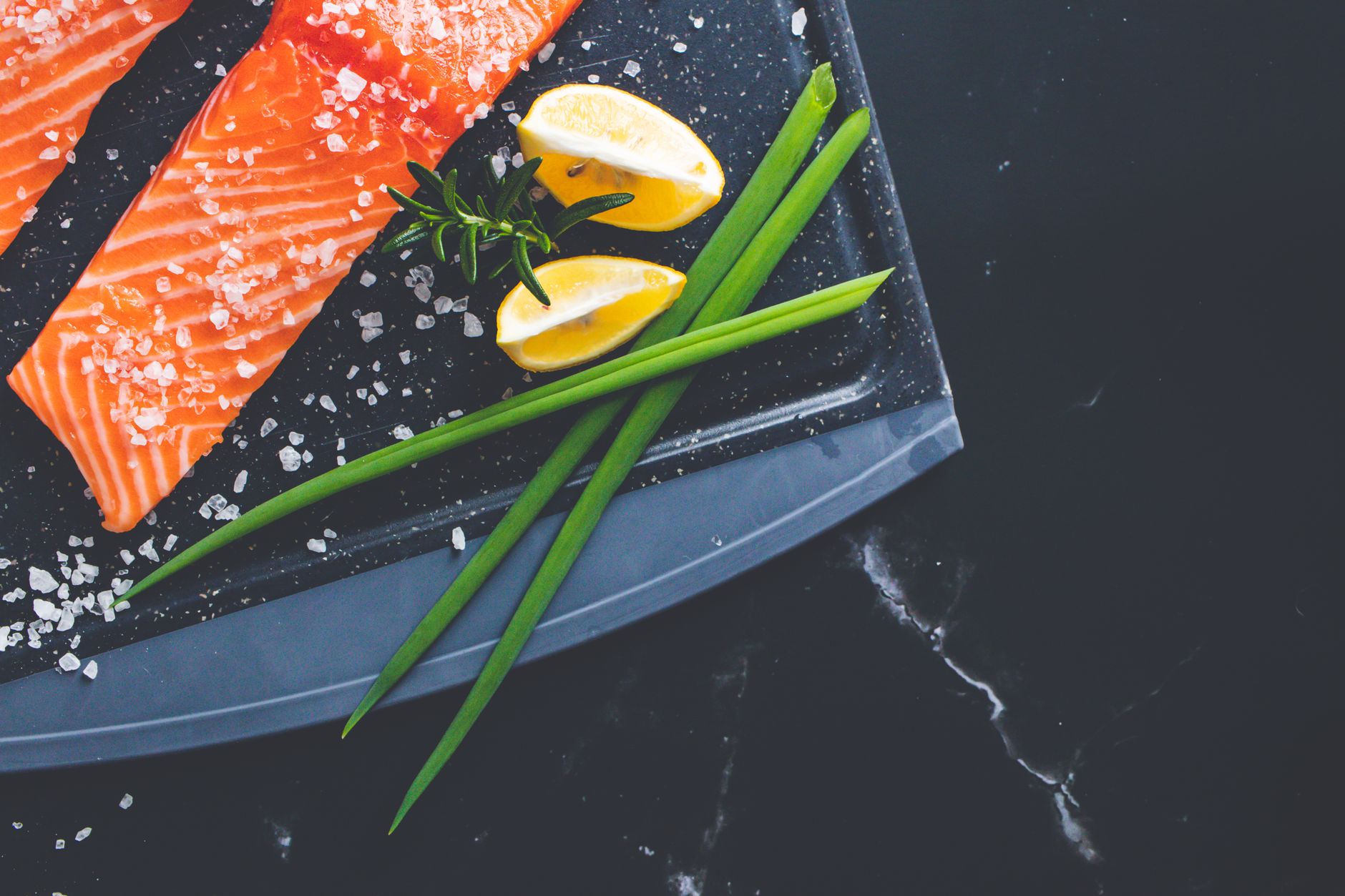
    Top view of raw salmon fillets with lemon wedges, rosemary, and chives on a black tray.
    Fatty fish like salmon is one of the richest omega-3 sources (사진: Anastasia Yudin / Pexels)

    The main types of omega-3

    • EPA and DHA — found in fish and seafood; the most directly useful forms
    • ALA — found in plants (flax, chia, walnuts); the body converts only a small amount into EPA/DHA

    Benefits supported by evidence

    Area What omega-3 may support
    Heart Healthy triglyceride levels and heart health
    Brain Normal brain function; DHA is a key structural fat
    Eyes DHA is a major component of the retina
    Inflammation May help regulate inflammatory processes

    Best food sources

    Marine (EPA/DHA)

    • Salmon, mackerel, sardines, herring, trout
    • Aim for two servings of fatty fish per week

    Plant (ALA)

    • Flaxseed and flaxseed oil
    • Chia seeds, walnuts
    • Important for vegetarians and vegans (consider an algae-based supplement for DHA)

    Do you need a supplement?

    If you eat fatty fish a couple of times a week, you’re likely getting enough. If you don’t eat fish, a fish-oil or algae-based omega-3 supplement can help fill the gap.

    💡 Tip: Vegans can get DHA directly from algae oil — the same source the fish get it from — without needing fish.

    FAQ

    Q. How much omega-3 do I need?
    Many guidelines suggest about 250–500 mg of combined EPA/DHA per day for general health, often achievable with two fish servings weekly.

    Q. Is fish oil safe?
    For most people, yes, at recommended doses. High doses can thin the blood — check with a doctor if you take blood thinners.

    Q. Are plant sources enough?
    ALA converts poorly to EPA/DHA, so plant-only eaters may benefit from an algae-based DHA supplement.


    Sources

    • U.S. National Institutes of Health (NIH), Office of Dietary Supplements — Omega-3 Fatty Acids
    • American Heart Association — Fish and omega-3 fatty acids

    ⚠️ Medical disclaimer: This article is for general information only and is not a substitute for medical advice. Consult a healthcare professional before starting supplements, especially if you take medication.

  • Vitamin B12 Deficiency: Signs You Shouldn’t Ignore

    Vitamin B12 Deficiency: Signs You Shouldn’t Ignore

    Vitamin B12 keeps your nerves and blood cells healthy and helps make DNA. A shortfall develops slowly and can be easy to miss — but left unchecked, it can cause real problems. Here are the signs to watch for, who’s at risk, and how to get enough.

    Plate of cheese, boiled eggs, bread, walnuts, and blueberries for a hearty breakfast.
    Animal foods like eggs, fish, and dairy are the main natural sources of B12 (사진: Nataliya Vaitkevich / Pexels)

    What B12 does

    Vitamin B12 is essential for:

    • Healthy red blood cells (preventing a type of anemia)
    • Nerve function
    • Energy metabolism
    • Making DNA

    Signs of B12 deficiency

    ⚠️ These can have other causes. A blood test is the only way to confirm.

    • Persistent fatigue and weakness
    • Tingling or numbness in hands and feet
    • Brain fog, poor concentration, or memory issues
    • Pale or slightly yellowish skin
    • A sore, red tongue or mouth
    • Low mood

    Who’s most at risk

    Higher risk Why
    Vegans / vegetarians B12 comes mainly from animal foods
    Older adults Absorption declines with age
    People on certain meds E.g., long-term acid reducers, metformin
    Digestive conditions Reduced absorption (e.g., pernicious anemia)

    How to get enough

    From food

    B12 is found almost entirely in animal products:

    • Fish, shellfish, meat, poultry
    • Eggs and dairy
    • Fortified foods (plant milks, cereals, nutritional yeast) — important for vegans

    From supplements

    If you follow a plant-based diet or have absorption issues, a supplement or fortified foods are reliable and important. Ask your doctor about the right dose.

    💡 Tip: If you’re vegan, B12 isn’t optional — plan for fortified foods or a supplement, since plant foods don’t reliably provide it.

    FAQ

    Q. Can B12 deficiency be reversed?
    Yes, usually — with diet, supplements, or injections as advised by a doctor. Early treatment prevents lasting nerve issues.

    Q. How do I know if I’m low?
    A simple blood test. See a doctor if you have ongoing fatigue, tingling, or brain fog.

    Q. Can you take too much B12?
    B12 has low toxicity since excess is excreted, but always follow recommended doses and medical advice.


    Sources

    • U.S. National Institutes of Health (NIH), Office of Dietary Supplements — Vitamin B12 Fact Sheet
    • National dietary reference intakes for B12

    ⚠️ Medical disclaimer: This article is for general information only and is not a substitute for medical diagnosis or treatment. Talk to a healthcare professional about testing and supplementation.

  • Vitamin D Deficiency: Symptoms, Causes, and How to Get Enough

    Vitamin D Deficiency: Symptoms, Causes, and How to Get Enough

    Vitamin D is unusual: it’s a nutrient your body can make from sunlight, yet deficiency is one of the most common in the world. Because the symptoms are vague, many people don’t realize they’re low. Here’s what to watch for and how to fix it.

    A low-angle shot of golden sheer curtains beautifully illuminated by sunlight.
    Sunlight is the body’s main natural source of vitamin D (사진: Pexels User / Pexels)

    Why vitamin D matters

    Vitamin D helps your body:

    • Absorb calcium for strong bones
    • Support immune function
    • Maintain muscle function
    • Regulate mood (low levels are associated with low mood, though the relationship is complex)

    Common symptoms of deficiency

    ⚠️ Symptoms are often subtle and overlap with other causes. A blood test is the only way to confirm.

    • Persistent fatigue or low energy
    • Bone aches or muscle weakness
    • Frequent illness or slow recovery
    • Low mood, especially in darker months
    • Hair thinning (in some cases)

    Who’s most at risk

    Some people are far more likely to run low:

    Higher risk Why
    Limited sun exposure Indoor lifestyle, covered skin
    Darker skin tones More melanin reduces vitamin D production
    Older adults Skin makes less vitamin D with age
    Northern climates / winter Weak sun angle much of the year
    Higher body weight Vitamin D can be stored away in fat tissue

    Three ways to get enough

    1. Sunlight

    Short, regular sun exposure helps your skin make vitamin D. The amount needed varies widely by skin tone, location, and season — and sun safety still matters.

    2. Food

    Few foods are naturally rich in vitamin D, but good sources include:

    • Fatty fish (salmon, mackerel, sardines)
    • Egg yolks
    • Fortified foods (milk, plant milks, some cereals)

    3. Supplements

    When sunlight and food fall short — common in winter — a vitamin D supplement is a reliable option. Dosing should match your needs, so testing first is ideal.

    💡 Tip: If you suspect you’re low, ask your doctor for a simple blood test (25-hydroxyvitamin D) rather than guessing at a dose.

    FAQ

    Q. How much vitamin D do I need?
    General guidance is often around 600–800 IU per day for adults, but individual needs vary. Your doctor can advise based on a blood test.

    Q. Can I get too much vitamin D?
    Yes — very high supplement doses over time can be harmful. Stick to recommended amounts unless a doctor directs otherwise.

    Q. Is sunscreen blocking my vitamin D?
    Sunscreen reduces production somewhat, but sun safety remains important. Food and supplements can fill the gap.


    Sources

    • U.S. National Institutes of Health (NIH), Office of Dietary Supplements — Vitamin D Fact Sheet
    • National dietary reference intakes for vitamin D

    ⚠️ Medical disclaimer: This article is for general information only and is not a substitute for medical diagnosis or treatment. Talk to a healthcare professional before starting supplements, especially at higher doses.

  • Magnesium Deficiency: 7 Signs and How to Fix It With Food

    Magnesium Deficiency: 7 Signs and How to Fix It With Food

    If your eyelid keeps twitching, you get leg cramps at night, or you feel tired for no clear reason, it might be worth looking at one often-overlooked mineral: magnesium. It’s involved in more than 300 processes in the body, yet modern diets make it surprisingly easy to fall short.

    Here are 7 common signs your magnesium may be low — and how to top it up with food before reaching for a supplement.

    A vibrant brunch bowl with fruit, greens, and nuts for a nutritious meal.
    Nuts, seeds, and leafy greens are rich in magnesium (사진: Nadin Sh / Pexels)

    What magnesium does in your body

    Magnesium quietly powers a lot of behind-the-scenes work:

    • Muscle contraction and relaxation (the “relaxation” part matters)
    • Nerve signaling
    • Energy production
    • Blood sugar and blood pressure regulation
    • Bone health

    Because of this, a shortfall tends to show up first in your muscles, nerves, and energy.

    7 signs your magnesium might be low

    ⚠️ These signs can have other causes too. Treat them as a prompt to look closer, not a diagnosis.

    1. Eyelid or eye twitching

    A classic, harmless-but-annoying sign. Muscles that can’t relax properly may twitch. It overlaps with stress, fatigue, and too much caffeine.

    2. Leg cramps and muscle spasms

    Frequent night-time calf cramps are commonly linked to low magnesium.

    3. Unexplained fatigue

    Since magnesium helps produce energy, being low can leave you feeling drained even after rest.

    4. Trouble sleeping

    Magnesium helps calm the nervous system, so a shortfall can make it harder to fall or stay asleep.

    5. Feeling on edge

    Linked to nerve regulation — you may feel more irritable or tense than usual.

    6. Constipation

    Magnesium supports the muscle movement of the gut, so low levels can contribute to constipation.

    7. Headaches

    Connected to muscle tension and blood-vessel function, low magnesium may make headaches more frequent.

    How to fix it with food first

    The good news: magnesium is found in plenty of everyday foods. Check your plate before buying supplements.

    Food group Examples
    Nuts & seeds Almonds, pumpkin seeds, cashews
    Dark leafy greens Spinach, Swiss chard
    Legumes Black beans, lentils, tofu
    Whole grains Brown rice, oats, whole wheat
    Others Dark chocolate (70%+), bananas, avocado

    💡 Tip: Diets heavy in processed foods tend to be low in magnesium. Adding whole grains, vegetables, and a small handful of nuts can make a real difference.

    What to know before taking a supplement

    If food alone isn’t enough, supplements can help — but a few notes:

    • Forms differ. Glycinate is often gentler on the stomach and popular for relaxation/sleep; citrate is commonly used when constipation is a concern.
    • Too much causes diarrhea. Don’t exceed the recommended dose.
    • Kidney disease: magnesium can build up — talk to a doctor first.
    • On medication? Magnesium can interact with some antibiotics and blood-pressure drugs. Check with a pharmacist or doctor.

    FAQ

    Q. When is the best time to take magnesium?
    For relaxation or sleep, many people take it after dinner. Follow the directions on your specific product.

    Q. Will magnesium alone stop my eye twitching?
    Eye twitches have many causes — stress, fatigue, caffeine, and poor sleep included. Address those too, and see a doctor if it persists.

    Q. Can I get enough from food alone?
    For most people, a balanced diet is enough. Supplements are best thought of as a backup when your diet falls short.


    Sources

    • U.S. National Institutes of Health (NIH), Office of Dietary Supplements — Magnesium Fact Sheet
    • National dietary reference intakes for magnesium

    ⚠️ Medical disclaimer: This article is for general information only and is not a substitute for medical diagnosis or treatment. If symptoms persist, or you have a health condition or take medication, consult a healthcare professional before using supplements.