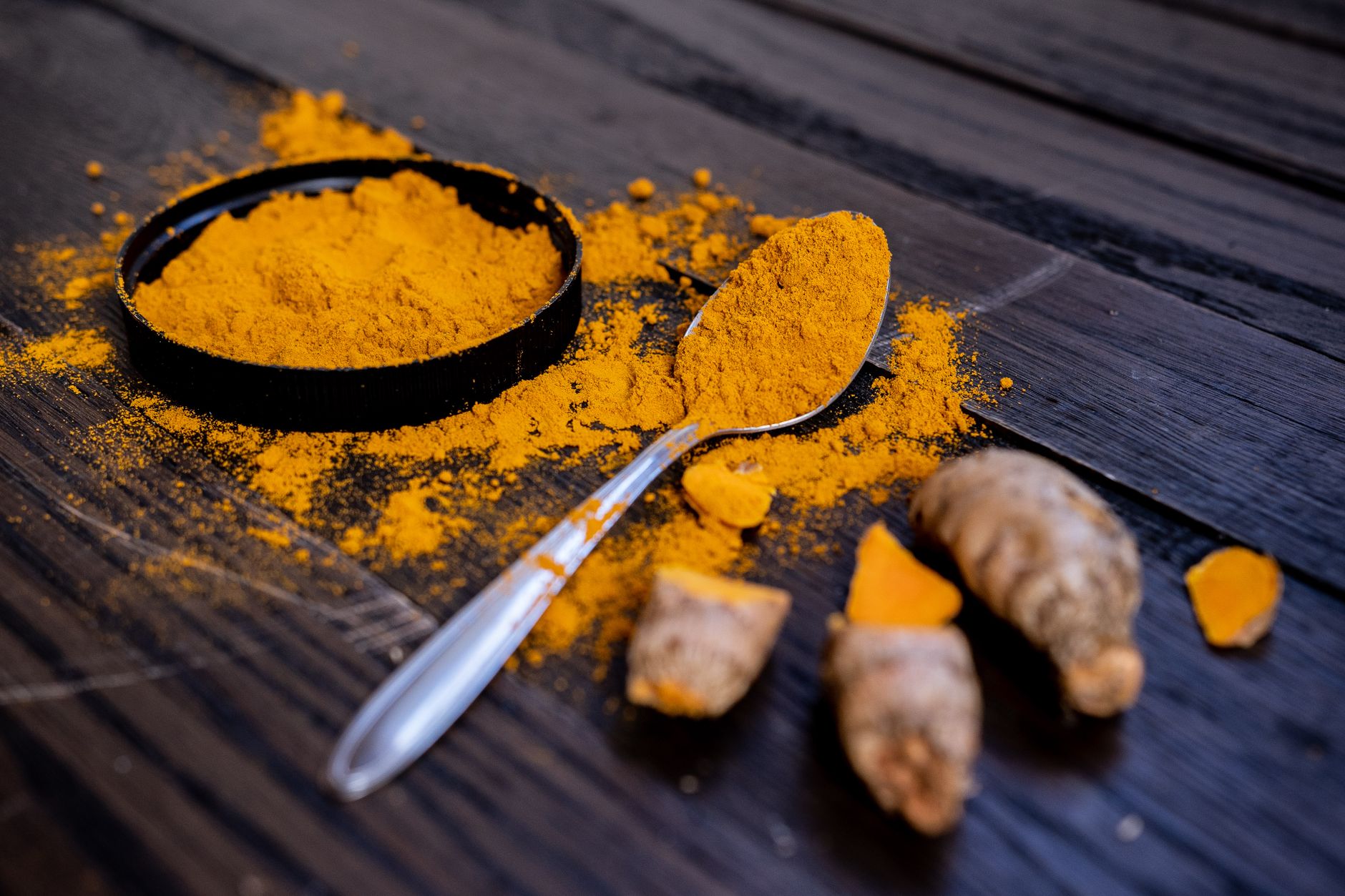
Turmeric is one of the most hyped supplements on the shelf — sold as a cure for everything from joint pain to memory. Some of that is marketing, but underneath it is a compound with genuinely solid research behind certain uses. The catch is that it has a major absorption problem most people don’t know about, and it interacts with real medications. Here’s what turmeric and curcumin actually do, how to take them so they work, and who should steer clear.
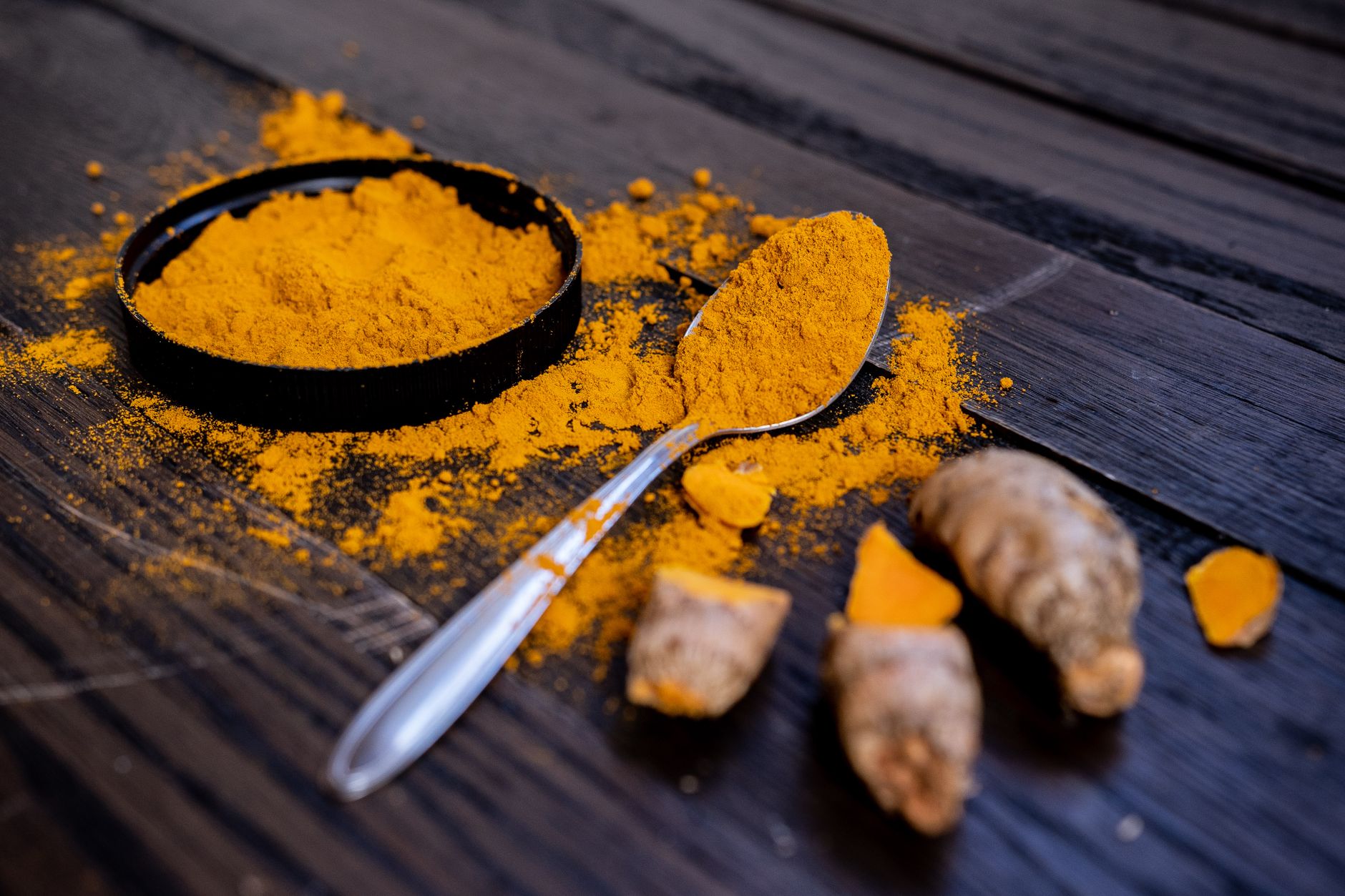
Turmeric vs curcumin
This distinction matters more than any other. Turmeric is the golden spice; curcumin is the active compound inside it responsible for most of its anti-inflammatory and antioxidant effects. But curcumin makes up only about 2–5% of turmeric by weight.
That’s why the turmeric in your curry, while healthy, delivers only a small dose of curcumin — not enough to match the doses used in studies. The research benefits come from concentrated curcumin extracts, not from sprinkling more spice on your food.
What the evidence actually supports
The strongest, most consistent evidence is for osteoarthritis and joint pain. Multiple trials and systematic reviews show that roughly 1,000 mg of curcumin a day for 8–12 weeks can reduce pain and improve function. In one notable trial, a turmeric extract worked about as well as a standard dose of paracetamol (acetaminophen) for knee osteoarthritis — a meaningful result.
Beyond joints, curcumin shows promise for markers of inflammation and metabolic health, but the evidence is thinner and less consistent. The honest summary: real and useful for joint pain, genuinely promising for inflammation, and over-hyped for the long list of “miracle” claims you’ll see online.
The absorption problem
Here’s the part the marketing rarely emphasizes: on its own, curcumin is poorly absorbed — your gut barely takes it up, and what does get in is cleared quickly. Eating plain turmeric does very little for this reason.
Two things dramatically improve it:
- Black pepper (piperine). A compound in black pepper can boost curcumin absorption by a striking amount — which is why so many supplements pair the two.
- Specialized formulations. Standardized forms designed for absorption (you’ll see names like Meriva, BCM-95, or Theracurmin) are built to get more curcumin into your bloodstream.
💡 Tip: A plain “turmeric” capsule with no piperine or absorption-enhancing formulation may do very little. Check the label for black pepper extract (piperine) or a standardized, bioavailable form.
How to take it
If you want to try curcumin for joint comfort, a few practical points:
- Dose: Studies commonly use around 500–1,000 mg of curcumin per day (note: curcumin, not raw turmeric powder)
- With food and fat: Curcumin is fat-soluble, so taking it with a meal helps
- Give it time: Benefits build over 8–12 weeks, not days
- Quality matters: Choose a product with third-party testing (such as USP or NSF) and a clear curcumin content
Side effects and who should avoid it
In normal amounts turmeric is very safe, and curcumin is well tolerated even at higher doses for most people. The most common side effects are digestive — nausea, reflux, or loose stools. There have also been rare reports of liver injury, mostly tied to high-dose, high-absorption formulations.
Some people should be cautious or avoid supplemental doses — talk to a doctor first if you:
| Group | Why |
|---|---|
| Take blood thinners or have a bleeding disorder | Curcumin can slow clotting and raise bleeding risk |
| Have gallstones or bile duct problems | It stimulates the gallbladder |
| Have surgery scheduled | Stop ~2 weeks before due to bleeding risk |
| Are pregnant | Avoid medicinal (supplement) amounts; culinary use is fine |
| Take diabetes medication | It may add to blood-sugar lowering |
| Get kidney stones (calcium-oxalate) | Turmeric is high in oxalate |
Culinary turmeric in food is safe for nearly everyone — these cautions apply to concentrated supplement doses.
FAQ
Q. Is cooking with turmeric enough, or do I need a supplement?
For general healthy eating, cooking with turmeric is great. But the spice contains only a small amount of curcumin and it’s poorly absorbed, so it won’t reach the doses studied for joint pain. For a therapeutic effect, a curcumin extract with an absorption enhancer is needed.
Q. Why is black pepper in so many turmeric supplements?
Because piperine, a compound in black pepper, sharply increases how much curcumin your body absorbs. Without it (or a specially formulated extract), much of the curcumin passes through unused.
Q. Is turmeric safe to take every day?
For most people, yes, in normal supplement doses over a few months. But it can interact with blood thinners and other medications, rarely affect the liver at high doses, and isn’t right for everyone — so check with a doctor if you take medication or have a health condition.
Sources
- NIH National Center for Complementary and Integrative Health — Turmeric
- Johns Hopkins Medicine — Turmeric Benefits
⚠️ Medical disclaimer: This article is for general information only and is not a substitute for medical advice. Curcumin can interact with medications — talk to a healthcare professional before taking it, especially if you take blood thinners, have gallbladder issues, or are pregnant.



Leave a Reply