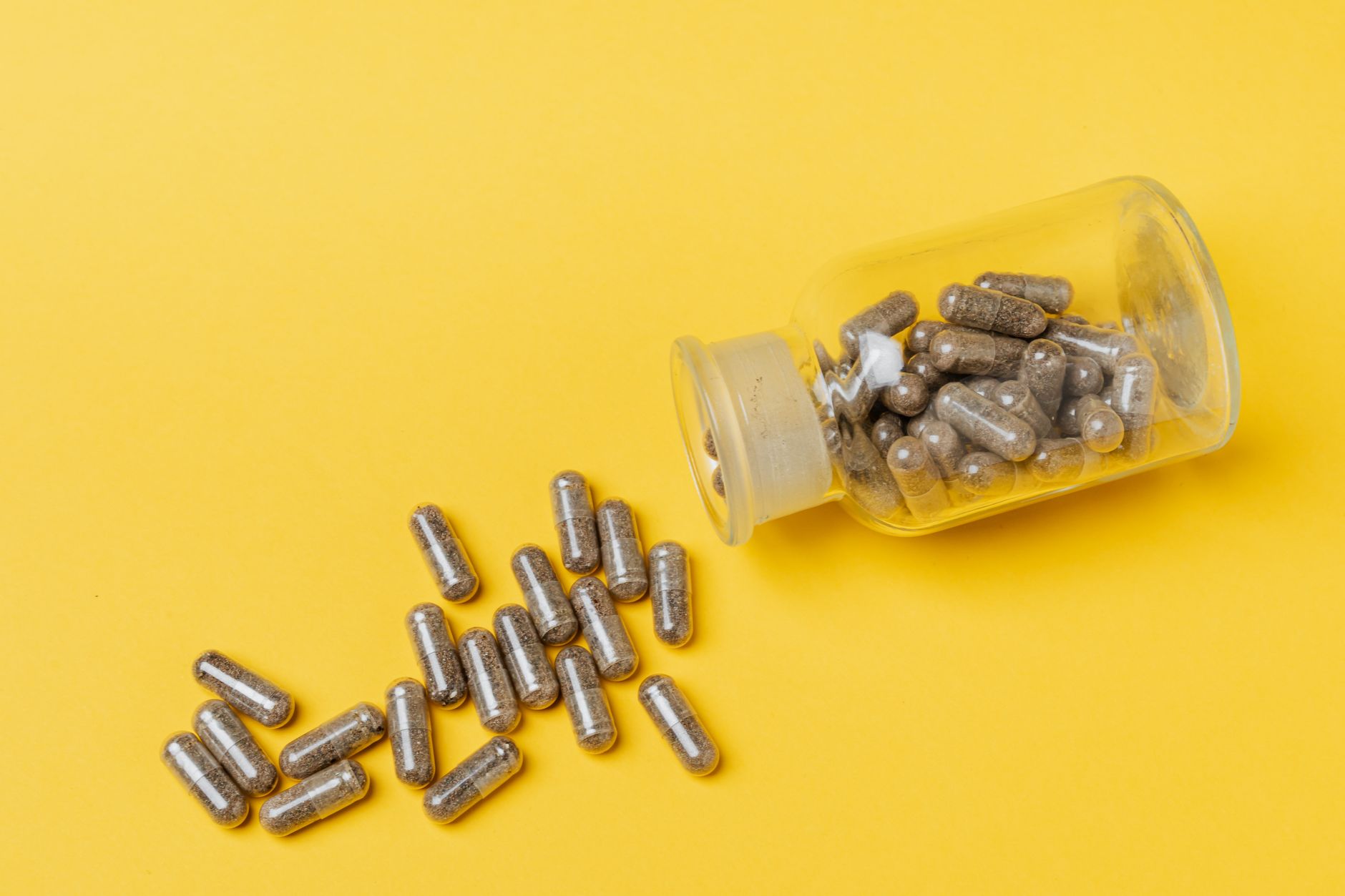
Berberine exploded across social media as “nature’s Ozempic” — a cheap plant supplement promising weight loss and blood sugar control. That nickname is catchy and mostly wrong, but the compound underneath the hype is genuinely interesting and has real research behind it. Here’s what berberine actually is, what the evidence supports, how it’s taken, and — most importantly — who should steer clear, because this is a supplement with real drug-like interactions.
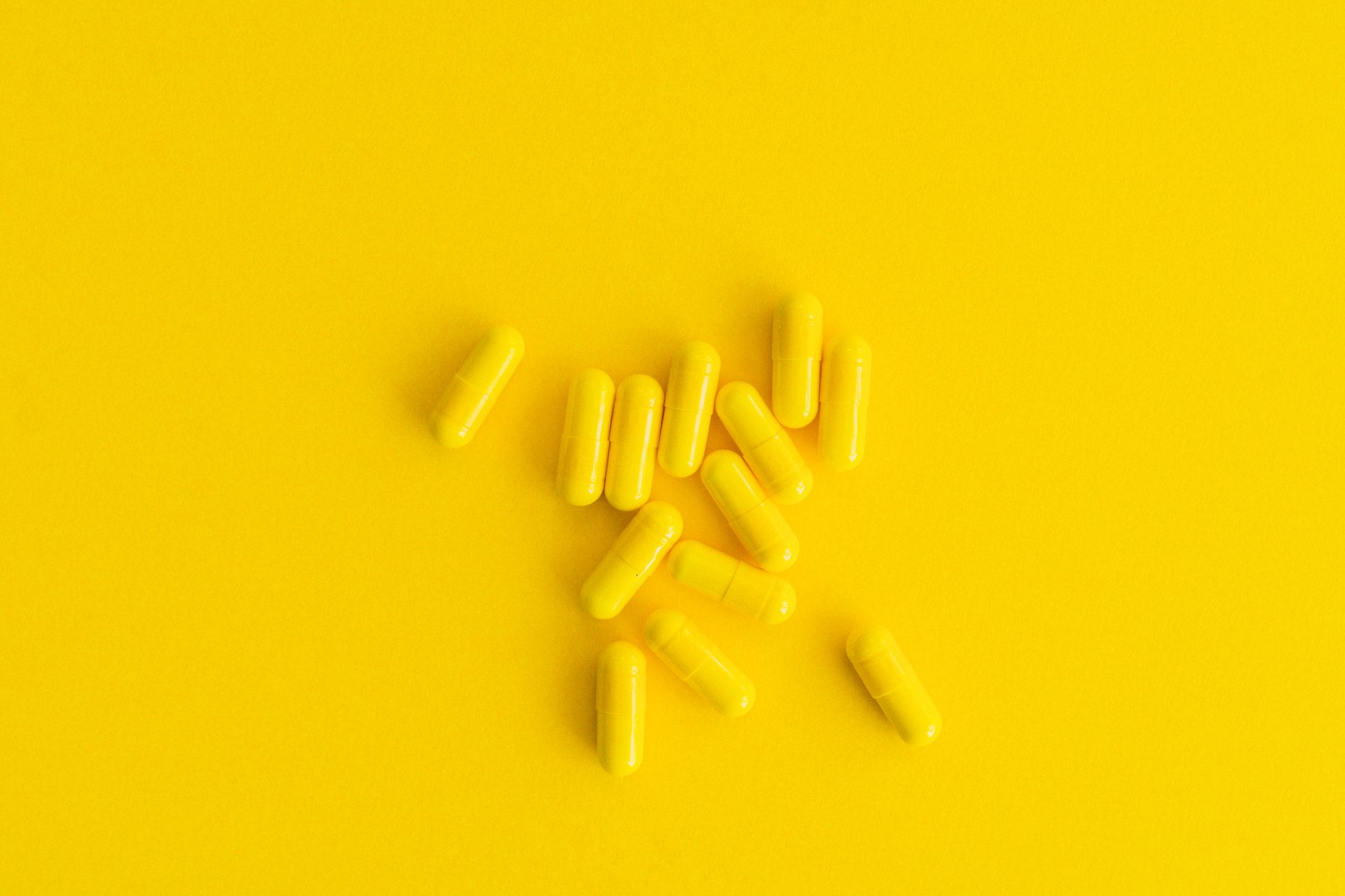
What berberine is (and the “Ozempic” myth)
Berberine is a bright-yellow compound found in several plants — goldenseal, barberry, and Oregon grape among them — and it’s been used for centuries in traditional Chinese and Ayurvedic medicine. Today it’s sold as a metabolic supplement, mostly for blood sugar, cholesterol, and weight.
The “nature’s Ozempic” label, though, oversells it badly. Ozempic and similar GLP-1 drugs are powerful, tightly studied prescription medicines that produce large, reliable weight loss. Berberine works through an entirely different mechanism and has far smaller, less consistent effects. It’s better thought of as a modest metabolic helper — not a substitute for those medications or for lifestyle change.
What the evidence actually shows
This is where berberine earns some respect. The strongest evidence is for blood sugar: a meta-analysis pooling 37 studies and over 3,000 people found berberine meaningfully lowered fasting glucose, HbA1c (a 3-month average), and post-meal glucose. It also tends to improve cholesterol — lowering LDL and triglycerides — and some trials show modest weight loss.
Two honest caveats matter. Many studies are small, short, and conducted in China with variable quality. And berberine has not been directly proven as good as standard drugs like metformin — it’s a supplement, not an approved treatment. The takeaway: real but modest effects, best seen as support rather than therapy.
How it works and how it’s taken
Berberine’s main trick is activating an enzyme called AMPK, often described as a “metabolic master switch” that helps cells take up and use glucose and improves insulin sensitivity — interestingly, a similar target to metformin.
If someone chooses to try it, here’s how it’s typically used in studies:
- Dose: about 0.9–1.5 g per day, split into 2–3 doses (e.g., 500 mg two or three times daily)
- With meals: taking it with food improves tolerance and matches post-meal blood sugar
- Start low: berberine is poorly absorbed and hard on the gut, so building up gradually helps
💡 Tip: Splitting the dose across the day isn’t optional fine-tuning — berberine clears the body quickly, so 2–3 smaller doses with meals work far better than one large dose.
Side effects and quality concerns
The most common problems are digestive: in trials, nausea (around 1 in 5), constipation, cramping, and diarrhea were the main complaints. The good news is these often ease within the first month, and starting at a low dose reduces them.
There’s also a quality issue baked into the supplement world: berberine is not FDA-approved, and products vary in purity, dose, and what they actually contain. If you use it, choose a brand with third-party testing (such as USP or NSF) and treat label claims with healthy skepticism.
Who should avoid it
This is the section that matters most, because berberine behaves more like a drug than a vitamin. Avoid it, or talk to a doctor first, if you:
| Group | Why |
|---|---|
| Are pregnant or breastfeeding | Can cross to the baby; linked to serious risk in newborns — avoid entirely |
| Take diabetes medication | Added glucose-lowering can cause dangerous hypoglycemia |
| Take blood thinners | Berberine may increase bleeding risk |
| Take blood pressure or heart medication | Effects can stack; it may affect heart rhythm |
| Take other prescriptions | It interferes with a liver enzyme (CYP3A4) that processes many drugs, including statins |
Because that drug-processing interaction is so broad, the safest rule is simple: if you take any regular medication, check with a pharmacist or doctor before starting berberine.
FAQ
Q. Is berberine really like Ozempic?
No. The nickname is marketing. GLP-1 drugs like Ozempic produce large, well-documented weight loss through a different mechanism; berberine’s effects on weight and blood sugar are real but much smaller and less consistent. It’s a modest helper, not an equivalent.
Q. Can I take berberine with my diabetes medication?
Not without medical supervision. Both lower blood sugar, so combining them can push your levels dangerously low. Talk to your doctor, who can advise on whether and how to use it safely.
Q. How long before berberine works?
In studies, blood sugar and cholesterol changes typically show over several weeks of consistent daily use, with treatment cycles often running 1–3 months. It’s not a quick fix, and it works best alongside diet and exercise.
Sources
- Cleveland Clinic — Berberine: What It Is, Benefits & Side Effects
- Nebraska Medicine — Is berberine a safe alternative treatment for diabetes?
⚠️ Medical disclaimer: This article is for general information only and is not a substitute for medical advice. Berberine interacts with many medications — talk to a healthcare professional before starting it, especially if you take prescription drugs or have a health condition.


Leave a Reply