Blog

  • Strength Training After 40: Why Muscle Is Your Longevity Asset

    Strength Training After 40: Why Muscle Is Your Longevity Asset

    Cardio gets the spotlight, but if you want to stay strong, steady, and independent as you age, muscle is the asset to protect. From around your late 30s, you slowly lose it — and strength training is the most effective way to fight back. Here’s why it matters and how to start at any age.

    Senior woman performing outdoor exercise with a resistance band in a park setting.
    Resistance bands, dumbbells, or just bodyweight — strength training works at any age and any level (사진: SHVETS production / Pexels)

    Why muscle matters more with age

    After roughly 30 to 40, we gradually lose muscle — a process called sarcopenia that speeds up after 60. That loss isn’t just about looks. Muscle drives your strength, balance, metabolism, and blood-sugar control, and it’s a big part of staying independent later in life.

    The encouraging part: muscle responds to training at any age.

    The longevity link

    Research consistently finds that people with more muscle and stronger grip tend to live longer and stay functionally independent — more so than body weight alone predicts. Strength training is the single most effective tool against age-related muscle loss, and it’s never too late to start. Studies show meaningful gains even in people in their 80s and 90s.

    How much, and how often

    You don’t need to live in the gym. The basics are simple:

    • 2 to 4 days a week, with rest days between
    • Work all the major muscle groups (legs, hips, back, chest, shoulders, arms)
    • Aim for around 8–12 repetitions per set, with good form
    • Gradually add resistance over time (progressive overload)

    It’s not just heavy weights

    Bodyweight squats, sit-to-stands, push-ups against a wall, resistance bands, or carrying groceries all build strength. Start where you are — form comes before load, and something is always better than nothing.

    Pair it with protein

    Muscle is built from protein plus the stimulus of training. Research shows resistance exercise combined with enough protein beats either one alone for building and keeping muscle. Many older adults under-eat protein, so spreading it across meals — eggs, yogurt, beans, fish, lean meat — helps.

    💡 Tip: Aim for a protein source at each meal rather than loading it all into dinner. Your muscles use it best in steady doses.

    Beyond muscle: balance and bones

    Strength work pays off in ways you feel daily. It improves balance, which helps prevent falls, and it stresses bone in a way that supports density. Functional moves — sitting and standing, stepping up, lifting and carrying — carry directly into real life and independence.

    Getting started safely

    Begin light and learn good form, whether from a trainer, a class, or reputable videos. Build up gradually rather than going all-out on day one. If you have a heart condition, joint problems, or are new to exercise, check with a healthcare professional about what’s right for you. Consistency, not intensity, is what wins over the years.

    FAQ

    Is it too late to start strength training?
    No. Studies show people gain strength and muscle even in their 80s and 90s. Muscle responds to training at any age, so the best time to start is now.

    Do I need a gym or heavy weights?
    No. Bodyweight moves, resistance bands, and household items work well, especially at first. What matters is challenging your muscles and gradually progressing over time.

    How soon will I see results?
    Strength often improves within a few weeks as your nervous system adapts. Visible muscle and everyday functional gains build over a couple of months of consistent training.


    Sources

    • American College of Sports Medicine — resistance training for older adults
    • National Institute on Aging (NIH) — strength and balance exercises

    ⚠️ Medical disclaimer: This article is for general information only and is not a substitute for medical advice. If you have a health condition or are new to exercise, talk to a qualified professional before starting a strength program.

  • Eye Health 101: Foods and Habits That Protect Your Vision

    Eye Health 101: Foods and Habits That Protect Your Vision

    We ask a lot of our eyes — hours of screens, bright sun, and the slow effects of age. The good news is that a few foods and simple habits genuinely support long-term eye health. No single trick gives you “perfect vision,” but together these basics add up.

    Irritated ethnic female entrepreneur in casual wear sitting at table with netbook and touching head while waiting for internet connection during remote work
    Short breaks from the screen — looking into the distance — give tired eyes a rest (사진: Andrea Piacquadio / Pexels)

    What your eyes actually need

    Your eyes are living tissue that benefit from antioxidants, a couple of specific pigments, and healthy blood flow. That means diet, daily habits, and protection from sun and strain all play a part — not any one miracle food or supplement.

    Think of it as three layers: feed your eyes well, rest them often, and protect them from damage.

    The key nutrients for eyes

    A handful of nutrients have the most evidence behind them.

    Nutrient Where to find it
    Lutein & zeaxanthin Leafy greens, egg yolks, corn
    Omega-3 (DHA/EPA) Salmon, sardines, walnuts, flax
    Vitamin A / beta-carotene Carrots, sweet potato, squash
    Vitamin C & E Citrus, peppers, nuts, seeds
    Zinc Beans, eggs, lean meat, seeds

    The carrot myth

    Carrots earned their reputation because vitamin A matters for night vision — but eating extra only helps if you were low to begin with. They won’t give you super-sight. If anything, leafy greens rich in lutein are the underrated eye food.

    Screens and digital eye strain

    Long hours on screens cause “digital eye strain”: dry, tired eyes, blurriness, and headaches. The main culprits are reduced blinking and holding your focus at one distance for too long.

    It’s uncomfortable, but in adults it isn’t known to cause permanent damage. Small adjustments make a real difference.

    Habits that ease screen strain

    • Take distance breaks. The popular 20-20-20 rule — every 20 minutes, look at something 20 feet away for 20 seconds — is low-risk and easy, though the evidence is mixed.
    • Blink on purpose. We blink less at screens, which dries the eyes.
    • Fix your setup. Reduce glare, soften lighting, and keep the screen a bit below eye level and an arm’s length away.
    • Get outside. Time in daylight may help, especially for children’s developing eyes.

    💡 Tip: If your eyes feel dry by evening, a humidifier and the occasional lubricating eye drop can help — and remember to blink during long focus sessions.

    Protect your eyes long-term

    Beyond screens, a few habits protect vision over the years:

    • Wear UV-blocking sunglasses outdoors
    • Don’t smoke — it raises the risk of several eye diseases
    • Keep blood sugar and blood pressure in check, since diabetes and hypertension damage the eyes
    • Get regular eye exams, which catch problems early — often before you notice symptoms

    When to see an eye doctor

    Some symptoms need prompt attention: a sudden change in vision, new flashes or floaters, persistent pain or redness, or strain that won’t settle. Supplements such as the AREDS2 formula are meant for people with diagnosed macular degeneration, not for general use — so check before starting.

    FAQ

    Do blue-light glasses work?
    The evidence is mixed. Most screen discomfort comes from reduced blinking and dryness rather than blue light itself, so taking breaks and blinking more tends to help more than the glasses.

    Can food reverse vision problems?
    No. A good diet supports eye health and may lower the risk of some conditions, but it won’t fix refractive errors or reverse disease. See an eye doctor for any real change in vision.

    Is screen time permanently damaging my eyes?
    Digital eye strain is uncomfortable but isn’t known to cause permanent damage in adults. In children, lots of close-up work with little outdoor time is linked to short-sightedness.


    Sources

    • American Academy of Ophthalmology — diet and nutrition for your eyes
    • National Eye Institute (NIH) — keep your eyes healthy

    ⚠️ Medical disclaimer: This article is for general information only and is not a substitute for professional eye care. For any change in vision or persistent symptoms, consult a qualified eye-care professional.

  • Anti-Inflammatory Eating: What It Means and How to Start

    Anti-Inflammatory Eating: What It Means and How to Start

    “Anti-inflammatory” is on every food label and feed in 2026. Some of it is hype — but the core idea is real and well-studied. Here’s what inflammation actually is, which foods genuinely help calm it, which ones fuel it, and how to start without overhauling your life.

    A top-view shot of a vibrant salmon and avocado salad with arugula, cherry tomatoes, and feta cheese.
    The anti-inflammatory plate looks a lot like the Mediterranean one: fish, greens, olive oil, nuts, and berries (사진: Kiro Wang / Pexels)

    What “inflammation” actually means

    Inflammation isn’t all bad. Acute inflammation is your body healing — the redness around a cut, fighting off a cold. The concern is chronic, low-grade inflammation that simmers quietly for years.

    • Acute: short-term, helpful, part of healing
    • Chronic: long-term, silent, linked to heart disease, diabetes, and more
    • Sometimes called “inflammaging” as it rises with age

    Diet is one lever you can actually pull on the chronic kind.

    Why food matters

    What you eat can shift inflammatory markers (like CRP) within weeks. A big part of the effect runs through your gut: fiber and plant polyphenols feed helpful bacteria, while ultra-processed foods can do the opposite. The whole eating pattern matters far more than any single food.

    Foods that calm inflammation

    Food Why it helps
    Fatty fish (salmon, sardines) Omega-3 fats, strongly anti-inflammatory
    Berries & colorful fruit Polyphenols and antioxidants
    Leafy greens & vegetables Fiber, vitamins, plant compounds
    Olive oil Healthy fat at the heart of the pattern
    Nuts, beans, whole grains Fiber that feeds a calmer gut
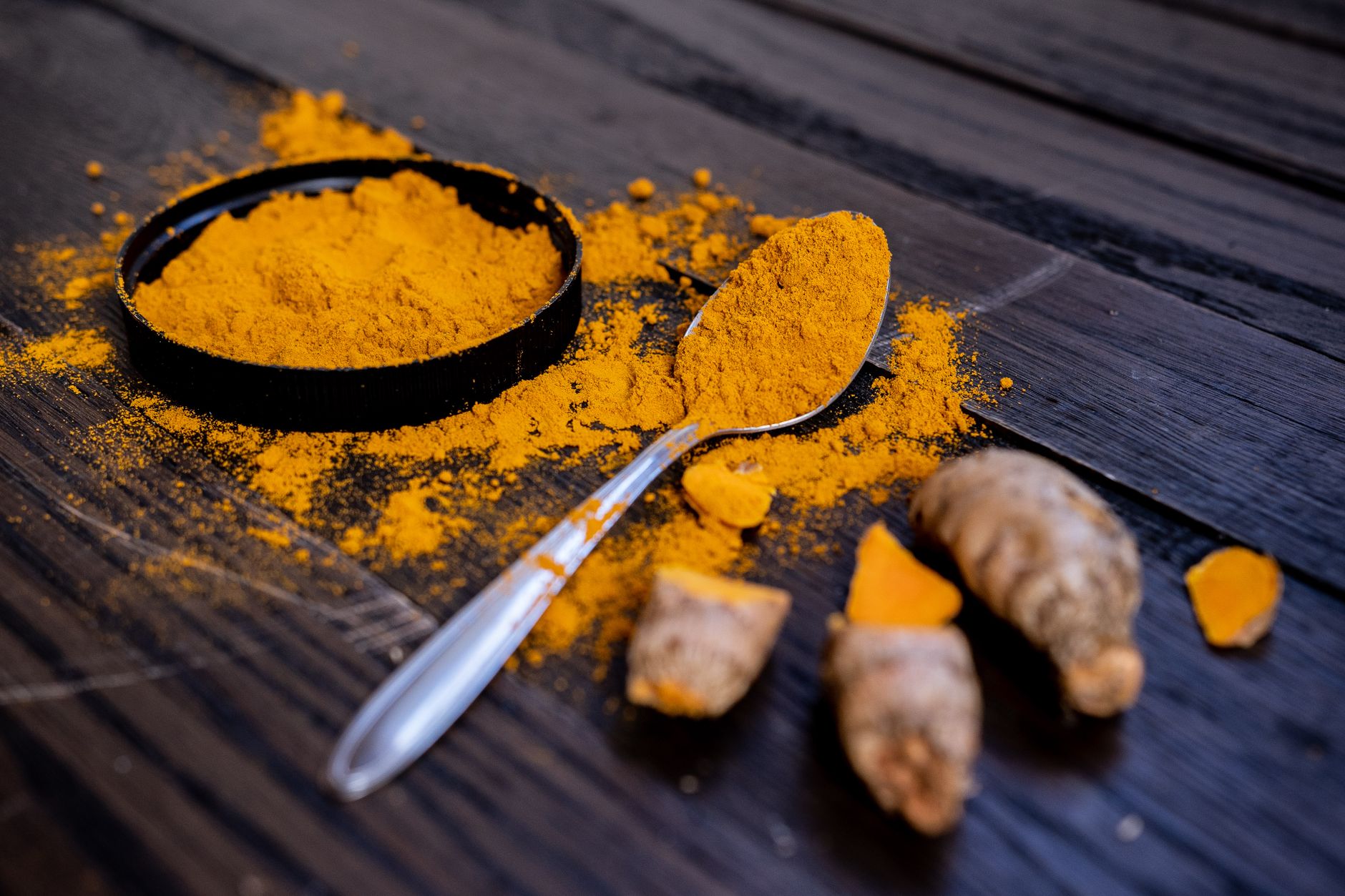
    Herbs & spices (turmeric, ginger) Compounds being actively studied

    It’s the pattern, not a “superfood”

    No single food cancels out inflammation — not turmeric, not blueberries. The most studied approach is the Mediterranean pattern: lots of plants, fish, olive oil, and whole grains. Consistency across meals is what moves the needle.

    Foods that fuel it

    On the other side, some foods tend to push inflammation up when eaten often:

    • Ultra-processed foods and sugary drinks
    • Refined carbs and added sugar
    • Processed meats
    • Excess alcohol and trans fats

    The goal is to lean away from these most of the time — not to fear a single meal.

    Start simple

    You don’t need a new diet, just a few swaps you’ll actually keep:

    • Use olive oil instead of butter
    • Eat fish a couple of times a week
    • Make fruit your usual dessert
    • Choose water or tea over soda
    • Add one vegetable to each meal

    💡 Tip: Change one thing this week and let it stick before adding the next. Small, lasting swaps beat a strict plan you drop in a month.

    What to expect (and when to see a doctor)

    The effects are real but gradual — inflammatory markers may improve over 4 to 8 weeks. This is supportive, not a cure for any disease. If you have a chronic condition or raised markers, work with a healthcare professional; anti-inflammatory eating complements treatment, it doesn’t replace it.

    FAQ

    Is there one best anti-inflammatory food?
    No. No single food does the job — the overall pattern matters most. A varied, Mediterranean-style way of eating beats chasing any one “superfood.”

    How fast does anti-inflammatory eating work?
    Inflammatory markers can shift within about 4–8 weeks of consistent changes, and some people feel better sooner. Think steady habits, not a quick detox.

    Do I need supplements like turmeric or fish oil?
    Whole foods come first. Supplement evidence is mixed, doses vary, and some can interact with medications — check with a professional before relying on them.


    Sources

    • Harvard Health Publishing — foods that fight inflammation
    • Cleveland Clinic — anti-inflammatory diet

    ⚠️ Medical disclaimer: This article is for general information only and is not a substitute for medical advice. If you have a health condition, talk to a qualified professional before making major dietary changes.

  • Eat for Your Skin: Foods That Support a Healthy Glow

    Eat for Your Skin: Foods That Support a Healthy Glow

    Serums and sunscreen get the attention, but your skin is also built from what you eat. No food erases wrinkles or clears breakouts overnight — yet a steady, colorful diet gives skin the raw materials and protection it needs. Here’s what the evidence actually supports, minus the miracle claims.

    A vibrant salad featuring fresh lettuce, avocado slices, cherry tomatoes, pine nuts, and cheese, perfect for a healthy meal.
    A plate full of color — berries, greens, nuts, and good fats — gives skin the building blocks it needs (사진: Shameel mukkath / Pexels)

    Does food really affect your skin?

    Yes — but it’s one factor among several. Sleep, sun exposure, genetics, and your skincare routine all matter too. What you eat supplies the building blocks for collagen and the antioxidants that defend skin from daily wear.

    Think of diet as the foundation, not a cure-all. It works quietly, over weeks, alongside everything else.

    Antioxidants: your skin’s daily defense

    Every day, sunlight and pollution create “free radicals” that wear skin down. Antioxidants help neutralize them.

    • Vitamin C: citrus, peppers, kiwi — also needed to build collagen
    • Vitamin E and carotenoids: nuts, seeds, leafy greens, carrots
    • Polyphenols: berries, green tea, tomatoes (lycopene)

    A simple rule: the more natural color on your plate, the broader your antioxidant coverage.

    Healthy fats and protein

    Fats and protein keep skin supple and firm. Omega-3 fats help maintain the skin barrier and reduce moisture loss, while protein and vitamin C together give your body what it needs to make collagen.

    • Omega-3s: salmon, sardines, walnuts, flax and chia seeds
    • Protein: eggs, fish, beans, yogurt — the raw material for collagen and elastin

    The grape headline

    A recent small study made news when daily grapes appeared to shift skin-related gene activity in just two weeks. It’s intriguing — but early, and grapes are no magic bullet. The real lesson is the same as ever: variety and consistency beat any single “miracle” food.

    The sugar–skin connection

    Here’s the habit worth rethinking. Too much sugar drives a process called glycation, where sugar latches onto collagen and elastin and stiffens them — sometimes called “sugar sag.” Heavily processed foods, fried foods, and a lot of alcohol work against your skin too.

    This isn’t about perfection. It’s about dialing back the extras, not banning dessert forever.

    Build a skin-friendly plate

    Food What it gives skin
    Oily fish (salmon, sardines) Omega-3s for a strong barrier
    Berries & citrus Vitamin C and polyphenols
    Leafy greens Carotenoids and folate
    Tomatoes Lycopene, a sun-defending antioxidant
    Nuts & seeds Vitamin E and healthy fats
    Water Hydration that supports skin from within

    Beyond the plate

    Food can’t do it alone. Daily hydration, enough sleep, sun protection, and not smoking arguably matter as much as any single food. As for collagen supplements, the evidence is modest and mixed — a balanced diet with protein and vitamin C does much of the same work for less.

    💡 Tip: Build one colorful habit at a time — a handful of berries at breakfast, greens at lunch. Small, repeatable wins beat a short-lived “skin detox.”

    FAQ

    Can what I eat clear up my skin?
    Diet can support healthier skin, but it rarely fixes everything on its own. Persistent acne, rashes, or other concerns deserve a dermatologist’s input rather than a food fix alone.

    Do collagen supplements work?
    Some early studies suggest modest gains in hydration or elasticity, but results are mixed and quality varies. For most people, eating enough protein plus vitamin C is a cheaper, well-supported first step.

    How long until diet changes show on my skin?
    Skin renews over weeks, so give consistent changes about 4–8 weeks. Pair them with sleep and sun protection — diet works best as part of the whole picture.


    Sources

    • American Academy of Dermatology — how diet can affect your skin
    • Harvard T.H. Chan School of Public Health — nutrition and skin health

    ⚠️ Medical disclaimer: This article is for general information only and is not a substitute for medical or dermatological advice. For persistent skin concerns, consult a qualified professional.

  • Exercise Snacks: Tiny Workouts That Add Up

    Exercise Snacks: Tiny Workouts That Add Up

    If a full workout feels impossible some days, there’s good news: tiny bursts of movement count too. “Exercise snacks” — short, frequent bouts of activity spread through your day — are one of 2026’s most talked-about fitness ideas, and the research behind them is genuinely encouraging.

    A woman performs squats on a yoga mat in a cozy living room, promoting home fitness and wellness.
    A minute of stairs or a quick set of squats counts — exercise snacks fit into the gaps in your day (사진: Kampus Production / Pexels)

    What an “exercise snack” is

    An exercise snack is a short burst of movement — roughly 30 seconds to a couple of minutes — done several times a day instead of (or alongside) one long session.

    • A close cousin is VILPA: vigorous intermittent lifestyle physical activity
    • That just means everyday bursts — climbing stairs, carrying heavy groceries, a fast walk to the bus
    • No gym, no kit, no changing clothes required

    Why short bursts work

    The findings surprised even researchers. In people who didn’t otherwise exercise, just 3–4 minutes a day of vigorous bursts was linked to around a 40% lower risk of dying from any cause and nearly 50% lower from heart disease. Short, all-out stair-climbing “snacks” measurably improved fitness in trials. Your body responds to movement even in small doses.

    Easy exercise snacks to try

    Snack When it fits
    Climb a flight of stairs briskly Instead of the lift
    10–20 bodyweight squats While the kettle boils
    A fast 1–2 minute walk Between meetings or calls
    Calf raises or marching in place At your desk
    Carry groceries the long way On the way home

    Make them stick

    Anchor each snack to something you already do: squats after your morning coffee, stairs every bathroom break, a brisk lap after lunch. Start with one or two a day and build — easy beats ambitious when it comes to habits.

    Snacks for blood sugar

    Moving for just a minute or two after meals helps blunt the post-meal blood-sugar spike — and short squat breaks can beat one long walk for this. If you sit for work, try to break up long stretches every 30 to 60 minutes, even just to stand and stretch.

    💡 Tip: Set a gentle reminder to move once an hour. The goal isn’t intensity every time — it’s interrupting long stretches of sitting.

    Do they replace regular exercise?

    Exercise snacks aren’t a loophole that cancels everything else — but they absolutely count toward your weekly activity, and they’re a brilliant option for busy or mostly sedentary days. Over time, still aim for a mix of cardio and strength. Snacks are a floor, not a ceiling.

    Safety and getting started

    Build up gradually, and give vigorous bursts a few easy movements first to warm up. If you have a heart condition, joint problems, or are new to exercise, check with a healthcare professional about what intensity is right for you.

    FAQ

    How short can an exercise snack be?
    Very short — anywhere from about 20 seconds to a couple of minutes. Even 3–4 minutes total per day of vigorous bursts has been linked to real health benefits.

    Do exercise snacks really count toward fitness?
    Yes. Trials show short bursts can improve cardiorespiratory fitness and blood-sugar control. The bouts add up across the day, even without a formal workout.

    What if I can’t do vigorous activity?
    Lighter movement still helps. Standing, walking, or stretching every 30 to 60 minutes improves metabolic health compared with sitting all day. Do what your body allows.


    Sources

    • British Journal of Sports Medicine — vigorous intermittent lifestyle physical activity (VILPA)
    • American Heart Association — move more, sit less

    ⚠️ Medical disclaimer: This article is for general information only and is not a substitute for medical advice. If you have a health condition or are new to exercise, talk to a qualified professional before increasing intensity.

  • The Gut–Brain Connection: How Your Gut Shapes Your Mood

    The Gut–Brain Connection: How Your Gut Shapes Your Mood

    Ever had a “gut feeling” or felt butterflies before something stressful? That’s your gut and brain talking. Research now treats this conversation — the gut–brain axis — as one of the most exciting areas in health. Here’s what it really means for your mood, minus the hype.

    Close-up of traditional Korean kimchi in a dark ceramic bowl with tongs.
    Fiber-rich and fermented foods feed the gut bacteria that help shape mood signals (사진: makafood / Pexels)

    What the gut–brain axis is

    Your gut and brain are linked by a two-way line of communication. It runs along the vagus nerve, through immune and hormone signals, and through chemicals your gut bacteria make.

    • The brain affects the gut: stress can upset digestion
    • The gut affects the brain: gut signals influence mood and alertness
    • Trillions of gut microbes sit in the middle, shaping those signals

    It’s a conversation, not a one-way street.

    The serotonin myth

    You may have read that “90% of your serotonin is made in your gut, so your gut controls your mood.” The first half is roughly true — but gut serotonin mostly stays in the gut, helping digestion. It doesn’t cross into the brain.

    So your gut doesn’t ship happiness straight to your head. Instead, gut bacteria influence mood through other, more indirect routes.

    How gut bacteria reach the brain

    Pathway What it does
    Vagus nerve Carries gut signals straight to the brain
    Short-chain fatty acids Made when bacteria ferment fiber; calm inflammation
    Immune system Gut health influences body-wide inflammation, tied to mood
    Stress (HPA) axis Microbes help regulate the stress-hormone system
    Neurotransmitter precursors Bacteria affect building blocks like GABA and tryptophan

    What the research can and can’t say

    This field is exciting but young. Much of the strongest data is from animal studies or short human trials, and a lot is association rather than proof. A healthy gut may support a steadier mood — but it is not a cure for anxiety or depression.

    Foods that support a mood-friendly gut

    Diet is the single biggest lever on your microbiome — bigger than any one supplement.

    • Fiber and variety: lots of different plants feed diverse, helpful bacteria
    • Fermented foods: yogurt, kefir, kimchi, sauerkraut add live microbes
    • Omega-3s: oily fish, walnuts, flax support a calmer gut and brain
    • Polyphenols: berries, olive oil, green tea feed good bacteria
    • Go easy on: ultra-processed food and heavy alcohol, which narrow gut diversity

    Beyond food

    Your microbiome and vagus nerve respond to more than diet. Regular sleep, daily movement, time outdoors, and managing stress all shape gut–brain signaling. Slow breathing, in particular, tones the vagus nerve and nudges your body toward calm.

    💡 Tip: Add one new plant food a week rather than overhauling everything. Variety, built slowly, is what gut bacteria thrive on.

    When to get help

    Eating well supports your mood, but it doesn’t replace care. Persistent low mood, anxiety, or ongoing gut symptoms deserve a professional’s attention. Food can be part of the picture — not the whole treatment.

    FAQ

    Can changing my diet cure anxiety or depression?
    No. A gut-friendly diet may support a steadier mood, but it’s not a cure. Think of it as one helpful layer alongside proper care, sleep, and movement.

    Are probiotic supplements worth it for mood?
    Some specific strains (sometimes called “psychobiotics”) show early promise, but the evidence is still thin. For most people, fiber and fermented foods are a better first step than a pricey pill.

    How long until gut changes affect how I feel?
    Your microbiome can shift within days of eating differently, but any mood effect is gradual and varies person to person. Consistency over weeks matters more than a quick fix.


    Sources

    • Harvard Health Publishing — The gut-brain connection
    • Cleveland Clinic — The gut-brain axis

    ⚠️ Medical disclaimer: This article is for general information only and is not a substitute for medical or mental-health care. If you’re struggling, please consult a qualified professional.

  • Creatine Beyond the Gym: Brain, Aging, and Everyday Benefits

    Creatine Beyond the Gym: Brain, Aging, and Everyday Benefits

    Creatine has spent decades labeled a “gym supplement,” but recent research keeps pointing somewhere bigger — your brain, healthy aging, and women’s health. It’s one of the most studied supplements there is. Here’s the honest picture: what it can do beyond muscle, how to take it, and who should be careful.

    White powder spilled from a scoop on bright blue background. Clean and minimalistic food photo.
    Creatine monohydrate is cheap, well-studied, and usually taken as a few grams a day (사진: Towfiqu barbhuiya / Pexels)

    What creatine is (and isn’t)

    Creatine is a compound your body already makes and stores, mostly in muscle, where it helps cells produce quick energy (ATP). You also get it from meat and fish. The supplement — usually creatine monohydrate — simply tops up those stores.

    • It is not a steroid or a stimulant
    • It works by supporting your cells’ energy supply
    • Monohydrate is the cheapest and most studied form

    Beyond muscle: the everyday case

    Most people know creatine for strength and muscle. The newer interest is what it may do elsewhere:

    • Brain: modest gains in memory and mental clarity, especially when you’re sleep-deprived or stressed
    • Mood: some evidence it supports mood, particularly in women
    • Aging: combined with resistance training, it helps preserve muscle and bone

    Creatine and women

    Research in women — including during perimenopause and menopause — is growing fast. Early trials point to possible benefits for brain creatine levels, mood, and strength. It’s promising rather than settled, but women have historically been under-studied here.

    What the evidence does and doesn’t show

    Be realistic: the muscle benefits are well-established, while the brain benefits are promising but smaller.

    Area Strength of evidence
    Muscle strength & lean mass Strong, especially with training
    Brain under stress or sleep loss Promising, modest gains
    Cognition in healthy older adults Limited, modest
    Mood and depression support Emerging, not conclusive

    How to take it

    • A daily 3–5 g dose of creatine monohydrate is enough for most people
    • “Loading” (around 20 g/day for a week) fills stores faster but isn’t necessary
    • Timing doesn’t matter much — pick a moment you’ll remember
    • Take it with water and stay consistent; effects build over weeks

    💡 Tip: Plain creatine monohydrate works as well as fancier, pricier forms. You don’t need to pay extra.

    Is it safe?

    For healthy adults, creatine is one of the safest supplements studied, even over long periods. A few myths worth retiring:

    • It does not damage kidneys in healthy people
    • It is not a steroid
    • Any early weight gain is water held in muscle, not fat

    ⚠️ If you have kidney disease, are pregnant or breastfeeding, or take medications, check with a healthcare professional first.

    Who might consider it

    • Older adults doing resistance training, to protect muscle and bone
    • Vegetarians and vegans, who tend to have lower baseline stores
    • Anyone wanting a little cognitive support during stressful, low-sleep stretches

    It’s a helpful tool, not a magic pill — the basics of sleep, protein, and movement still come first.

    FAQ

    Do I need to “load” creatine?
    No. Loading just fills your stores faster. A steady 3–5 g a day reaches the same level in about three to four weeks.

    Will creatine make me gain weight?
    You may see a small bump early on — that’s water stored in muscle, not fat. For many people it’s barely noticeable.

    Is creatine safe for your kidneys?
    In healthy people, studies show no harm to kidney function. If you have kidney disease, talk to your doctor before starting.


    Sources

    • International Society of Sports Nutrition — creatine position stand
    • Mayo Clinic — Creatine

    ⚠️ Medical disclaimer: This article is for general information only and is not a substitute for medical advice. Talk to a qualified professional before starting any supplement, especially if you take medication or have a health condition.

  • Nature’s Ozempic? Foods That Support GLP-1 Naturally

    Nature’s Ozempic? Foods That Support GLP-1 Naturally

    GLP-1 medications like Ozempic and Wegovy are everywhere — and so is the phrase “nature’s Ozempic.” But you don’t need a prescription to have GLP-1: your gut makes this fullness hormone every time you eat. Food won’t match a drug, but the right meals can nudge it in the right direction. Here’s what actually helps.

    Flat lay of chickpeas, lentils, mung beans, and pumpkin seeds with pink backdrop.
    Legumes are rich in fermentable fiber, which feeds gut bacteria that help trigger GLP-1 (사진: AI25.Studio Studio / Pexels)

    What GLP-1 actually is

    GLP-1 (glucagon-like peptide-1) is a hormone released by cells in your gut after you eat. It does a few useful things:

    • Signals fullness to your brain
    • Slows how fast your stomach empties, so you feel satisfied longer
    • Helps steady blood sugar after meals

    Medications copy this hormone at high, steady levels. Food works with your own, smaller supply.

    Why “nature’s Ozempic” is a stretch

    No food matches a GLP-1 drug. Meals raise the hormone for a while; medications keep it elevated around the clock. Eating well can genuinely curb appetite and steady blood sugar — just don’t expect dramatic, drug-like results. Think “support,” not “replace.”

    ⚠️ If you’re considering medication for obesity or diabetes, that’s a conversation for your doctor — not something food alone replaces.

    Foods that nudge GLP-1 up

    Two nutrients do most of the work: protein triggers GLP-1 quickly at a meal, and fermentable fiber feeds gut bacteria that release it more slowly.

    Food Why it helps
    Beans, lentils, chickpeas Resistant starch + soluble fiber; strong GLP-1 response
    Oats & barley Beta-glucan fiber steadies blood sugar
    Eggs, fish, Greek yogurt Protein triggers fullness hormones
    Olive oil, avocado, nuts Healthy fats stimulate GLP-1 release
    Fatty fish (salmon, sardines) Omega-3s may support the metabolic benefits

    Build a GLP-1-friendly plate

    Aim for protein + fiber + a little healthy fat at each meal — say, lentils with olive oil and vegetables, or eggs with oats and berries. The combination keeps you full longer than any single food.

    Habits that matter as much as foods

    • Eat slowly — fullness signals take time to register
    • Be consistent with fiber so your gut bacteria adapt
    • Include fermented foods (yogurt, kimchi) that support a healthy microbiome
    • Don’t skip meals and then overeat, which blunts the benefit

    💡 Tip: Starting a meal with vegetables or a little protein, then eating the starch, can soften the post-meal blood-sugar spike.

    What about “GLP-1 booster” supplements?

    Pills promising to “boost GLP-1” are flooding the market. The evidence is thin, quality varies, and some can interact with medications. Whole foods give you fiber, protein, and healthy fats together — for far less money and with real evidence behind them.

    ⚠️ Talk to a healthcare professional before starting any supplement, especially if you take medication or are pregnant.

    When food isn’t enough

    For some people with obesity or type 2 diabetes, diet alone won’t be enough — and that’s not a personal failure. GLP-1 medications exist for good reasons. Food and medication aren’t either/or; the basics (protein, fiber, movement, sleep) help no matter which path you’re on.

    FAQ

    Can food really replace GLP-1 medication?
    No. Food nudges your natural GLP-1 modestly, while medication keeps it high steadily. Eating well can still curb appetite and steady blood sugar — a worthwhile foundation, not a swap.

    Is there one food that boosts GLP-1 the most?
    There’s no magic food. The strongest combination is fermentable fiber (beans, oats) plus protein at the same meal. Legumes are among the most consistent performers in studies.

    How quickly does this work?
    Protein and fat raise GLP-1 within the meal itself. The fiber-and-microbiome effect builds over weeks as your gut bacteria adapt to a higher-fiber diet.


    Sources

    • Cleveland Clinic — GLP-1 (glucagon-like peptide-1)
    • Harvard T.H. Chan School of Public Health — Fiber

    ⚠️ Medical disclaimer: This article is for general information only and is not a substitute for medical advice. Talk to a qualified professional about your own diet, medications, and health.

  • How to Manage Stress and Cortisol Naturally

    How to Manage Stress and Cortisol Naturally

    “Lower your cortisol” is everywhere online — but cortisol isn’t the enemy. It’s a normal hormone you actually need. The goal isn’t zero stress; it’s helping your body switch out of “alert” mode more easily. Here’s what cortisol really does and the everyday habits that help.

    A man enjoys outdoor relaxation and mindfulness beneath a bright, cloudy sky, exuding calm and peace.
    Slow breathing and time outdoors are simple ways to dial down the stress response (사진: Kelvin Valerio / Pexels)

    What cortisol actually does

    Cortisol is your main stress hormone, released by the adrenal glands. It’s helpful and necessary:

    • Wakes you up in the morning (it naturally peaks early)
    • Releases energy when you need it
    • Helps manage inflammation and blood pressure

    Problems come from chronic stress — when the “on” switch rarely gets a break. The aim is balance, not elimination.

    Signs stress may be running high

    ⚠️ These are general signs, not a diagnosis. Persistent symptoms deserve a doctor’s review.

    • Trouble falling or staying asleep
    • Feeling “wired but tired”
    • Cravings, especially for sugar
    • Irritability or trouble concentrating
    • Tense shoulders, headaches, upset stomach

    Daily habits that help

    No single trick resets your stress. These small, repeatable habits do the real work.

    Habit Why it helps
    Slow breathing Activates the body’s “rest” response
    Regular sleep schedule Supports natural cortisol rhythm
    Movement & walks Burns off stress chemistry; outdoors is a bonus
    Less late caffeine Caffeine can keep stress signals elevated
    Connection & downtime Social support buffers stress

    💡 Tip: Try a simple breathing pattern — inhale 4 seconds, exhale 6 seconds, for a couple of minutes. A longer exhale nudges your body toward calm.

    Watch the stress amplifiers

    Some everyday things quietly keep stress high: doom-scrolling before bed, skipping meals, too much alcohol, and a packed schedule with no buffer. You don’t need to fix them all — pick one to ease this week.

    What about “cortisol-lowering” supplements?

    You’ll see ashwagandha, magnesium, and others marketed for stress. Evidence is mixed and quality varies, and supplements can interact with medications. Foundations — sleep, movement, breathing, connection — matter more and cost nothing.

    ⚠️ Talk to a healthcare professional before starting any supplement, especially if you take medication or are pregnant.

    When to seek help

    Stress that won’t lift, panic, or feeling unable to cope are worth talking to a professional about. Persistent anxiety or low mood is treatable — reaching out is a strength, not a weakness.

    FAQ

    Can I lower cortisol quickly?
    A few minutes of slow breathing or a short walk can ease the moment. Lasting change comes from steady habits like sleep, movement, and downtime.

    Does cortisol cause weight gain?
    Chronic stress can influence appetite and where the body stores fat, but weight is shaped by many factors. Cortisol alone isn’t the whole story.

    Is high cortisol a medical condition?
    Usually it reflects everyday stress. Rarely, very high cortisol has a medical cause (such as Cushing’s syndrome), which a doctor can test for.


    Sources

    • U.S. National Institute of Mental Health (NIMH) — stress and coping
    • American Psychological Association — stress management guidance

    ⚠️ Medical disclaimer: This article is for general information only and is not a substitute for medical or mental-health care. If you’re struggling, please consult a qualified professional.

  • How to Lower Cholesterol Naturally: Foods and Habits That Help

    How to Lower Cholesterol Naturally: Foods and Habits That Help

    If your last blood test flagged high cholesterol, the good news is that food and daily habits can make a real difference. Here’s what actually moves the needle — the foods that help lower LDL (“bad”) cholesterol, what to cut back on, and the lifestyle changes worth making.

    A nutritious breakfast bowl featuring fresh berries and walnuts, served with sliced fruit and kiwi.
    Oats, nuts, avocado, and olive oil are staples of a heart-friendly diet (사진: Rafael Minguet Delgado / Pexels)

    First, what the numbers mean

    Cholesterol isn’t all bad — your body needs it. What matters is the balance:

    • LDL (“bad”) — too much can build up in artery walls
    • HDL (“good”) — helps carry cholesterol away
    • Triglycerides — a blood fat linked to diet and weight

    The goal of eating for your heart is mainly to lower LDL while supporting HDL.

    Foods that help lower LDL

    Two things do most of the work: soluble fiber (which binds cholesterol in the gut) and swapping saturated fat for unsaturated fat.

    Food Why it helps
    Oats, barley Rich in soluble fiber (beta-glucan)
    Beans, lentils Soluble fiber + plant protein
    Nuts (almonds, walnuts) Unsaturated fats; a small daily handful
    Olive oil Replaces saturated fat
    Fatty fish (salmon, sardines) Omega-3s; good for triglycerides
    Avocado Monounsaturated fat + fiber
    Fruits & vegetables Fiber and plant compounds

    💡 Tip: Soluble fiber is the star. Aim to build meals around oats, beans, fruit, and vegetables most days.

    What to cut back on

    • Saturated fat — fatty cuts of meat, butter, full-fat dairy, many baked goods
    • Trans fat — found in some fried and packaged foods; check for “partially hydrogenated oil”
    • Ultra-processed foods — often high in both, plus refined carbs

    You don’t have to be perfect. Small, steady swaps (olive oil for butter, fish or beans for fatty meat) add up.

    It’s not just diet

    Food matters, but so do these:

    • Move more — regular activity can raise HDL and lower triglycerides
    • Reach a healthy weight — even modest loss helps
    • Quit smoking — improves HDL and artery health
    • Limit alcohol — excess raises triglycerides

    When food isn’t enough

    Diet and lifestyle help, but some people have high cholesterol for genetic reasons (familial hypercholesterolemia) and need medication such as statins. That’s not a failure — it’s just biology.

    ⚠️ Don’t stop or skip prescribed cholesterol medication based on diet changes alone. Talk to your doctor first.

    FAQ

    Do eggs raise cholesterol?
    For most people, dietary cholesterol in eggs has a smaller effect on blood cholesterol than saturated and trans fats do. Most can eat eggs in moderation.

    How fast can I lower cholesterol with diet?
    Some people see changes within a few weeks to a few months. Your doctor can recheck your levels and guide the timeline.

    Is there a single best food for cholesterol?
    No single food does it alone. Oats, beans, nuts, and olive oil together — as part of an overall pattern — work better than any one “superfood.”


    Sources

    • American Heart Association — cholesterol and dietary fats guidance
    • U.S. National Institutes of Health (NIH) — cholesterol overview

    ⚠️ Medical disclaimer: This article is for general information only and is not a substitute for medical advice. Consult a healthcare professional before changing your diet or medication.