Category: Fitness

  • 7 Desk Stretches to Relieve Neck and Shoulder Tension

    7 Desk Stretches to Relieve Neck and Shoulder Tension

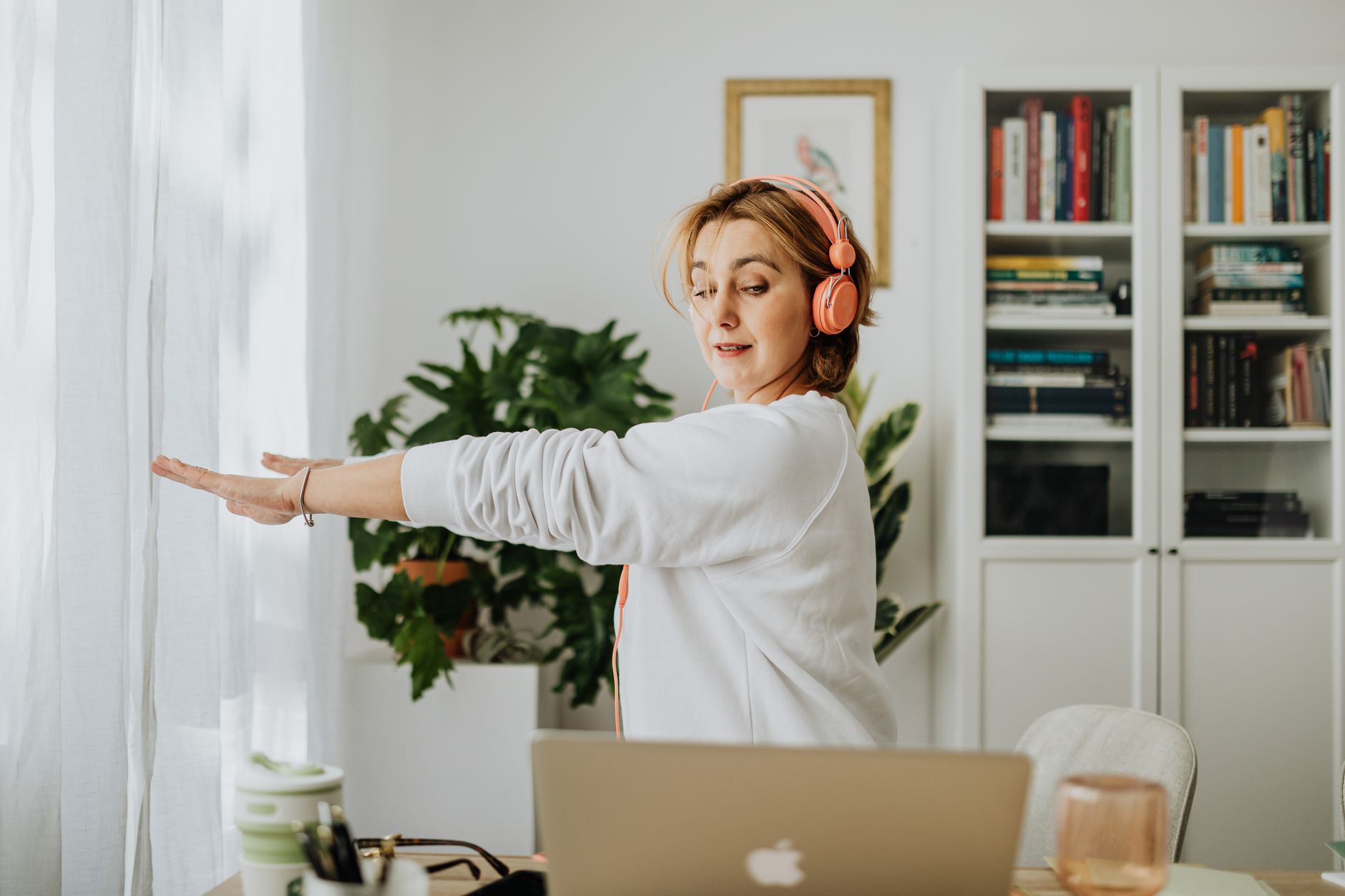
    Hours at a desk leave most of us with a stiff neck, tight shoulders, and a hunched posture. The fix doesn’t require a gym — just a few simple stretches you can do right at your chair. Here are 7 to loosen up and feel better.

    Caucasian woman practicing yoga and stretching outdoors on a sunny day.
    A few stretches at your desk can relieve built-up tension (사진: KoolShooters / Pexels)

    Why desk tension builds up

    Sitting still for long periods — often leaning toward a screen — keeps certain muscles shortened and others strained. Over time that creates the familiar neck, shoulder, and upper-back tightness. Movement is the antidote.

    7 simple desk stretches

    1. Neck side stretch

    Slowly drop your right ear toward your right shoulder; hold 20–30 seconds. Switch sides.

    2. Chin tucks

    Gently draw your chin straight back (making a “double chin”). Hold 5 seconds, repeat 5 times — great for “tech neck.”

    3. Shoulder rolls

    Roll your shoulders backward in slow circles 10 times to release tension.

    4. Seated chest opener

    Clasp your hands behind your back (or chair), straighten your arms, and lift your chest to counter hunching.

    5. Upper-trapezius stretch

    With one hand, gently guide your head diagonally forward while reaching the other arm down. Hold and switch.

    6. Seated spinal twist

    Sit tall, place a hand on the opposite knee, and gently twist. Hold, then switch sides.

    7. Wrist and forearm stretch

    Extend one arm, gently pull the fingers back, then down. Eases typing strain.

    💡 Tip: Set a reminder to stand and stretch every 30–60 minutes. Frequent short breaks beat one long stretch session.

    Build better habits, too

    Do Avoid
    Screen at eye level Looking down at a laptop for hours
    Feet flat, back supported Slouching or perching
    Stand/move hourly Sitting motionless all day

    FAQ

    Q. How often should I do these?
    A quick round every hour is ideal. Even once or twice a day helps.

    Q. Will stretching fix my posture?
    Stretching helps, but pairing it with movement breaks and a better setup matters most.

    Q. Should stretching hurt?
    No — aim for gentle tension, never pain. Stop if anything feels sharp.


    Sources

    • Mayo Clinic — Office stretches and ergonomics
    • U.S. OSHA — Computer workstation guidance

    ⚠️ Medical disclaimer: This article is for general information only and is not a substitute for medical advice. If you have persistent or severe neck or back pain, see a healthcare professional.

  • How Many Steps a Day Do You Really Need?

    How Many Steps a Day Do You Really Need?

    The “10,000 steps a day” target is famous — but it started as a marketing slogan, not science. So how many steps do you actually need for real health benefits? The encouraging answer: probably fewer than you think.

    Woman walking under blooming trees in a sculpture garden during spring.
    Even modest daily walking delivers meaningful health benefits (사진: Paige Thompson / Pexels)

    Where 10,000 came from

    The 10,000-step goal traces back to a 1960s Japanese pedometer marketing campaign, not a health study. It’s a fine goal — but not a magic threshold.

    What research actually suggests

    Studies on step counts and health point to a few useful takeaways:

    • Health benefits start well below 10,000 steps
    • For many adults, benefits rise sharply up to around 7,000–8,000 steps, then level off
    • For older adults, even ~6,000 steps is linked to meaningful benefit
    • Any increase from a low baseline helps — going from 3,000 to 5,000 matters

    The big message: more than your current amount is the real goal, not a fixed number.

    Why walking is so valuable

    Benefit Notes
    Heart health Supports healthy blood pressure and circulation
    Weight management Burns calories, easy to sustain
    Mood Walking, especially outdoors, lifts mood
    Joints & longevity Low-impact, linked to longer healthy life

    Easy ways to add steps

    • Take a short walk after meals
    • Park farther away; take stairs
    • Walking meetings or phone calls
    • A 10-minute walk three times a day adds up fast

    💡 Tip: Don’t fixate on hitting 10,000. Add 1,000–2,000 steps to your current average and build from there — consistency beats perfection.

    FAQ

    Q. Is 10,000 steps necessary?
    No. Substantial benefits appear at 7,000–8,000 for many adults, and even fewer for older people.

    Q. Does walking count as real exercise?
    Yes. Brisk walking is excellent moderate-intensity activity and counts toward weekly activity guidelines.

    Q. Faster or longer — which is better?
    Both help. A brisk pace adds intensity, but total movement throughout the day matters most.


    Sources

    • U.S. Physical Activity Guidelines for Americans
    • Research reviews on daily step counts and mortality

    ⚠️ Medical disclaimer: This article is for general information only and is not a substitute for medical advice. If you have a health condition, check with a professional before increasing activity.