If a full workout feels impossible on some days, the useful finding of the last few years is that tiny bursts of movement still count. “Exercise snacks” — short, frequent bouts spread through the day — have real evidence behind them. That evidence is also routinely overstated online, so this article gives the actual numbers from the actual study.
What an “exercise snack” is
A short burst of movement — roughly 30 seconds to a couple of minutes — done several times a day, instead of or alongside one long session.
- The research term is VILPA: vigorous intermittent lifestyle physical activity
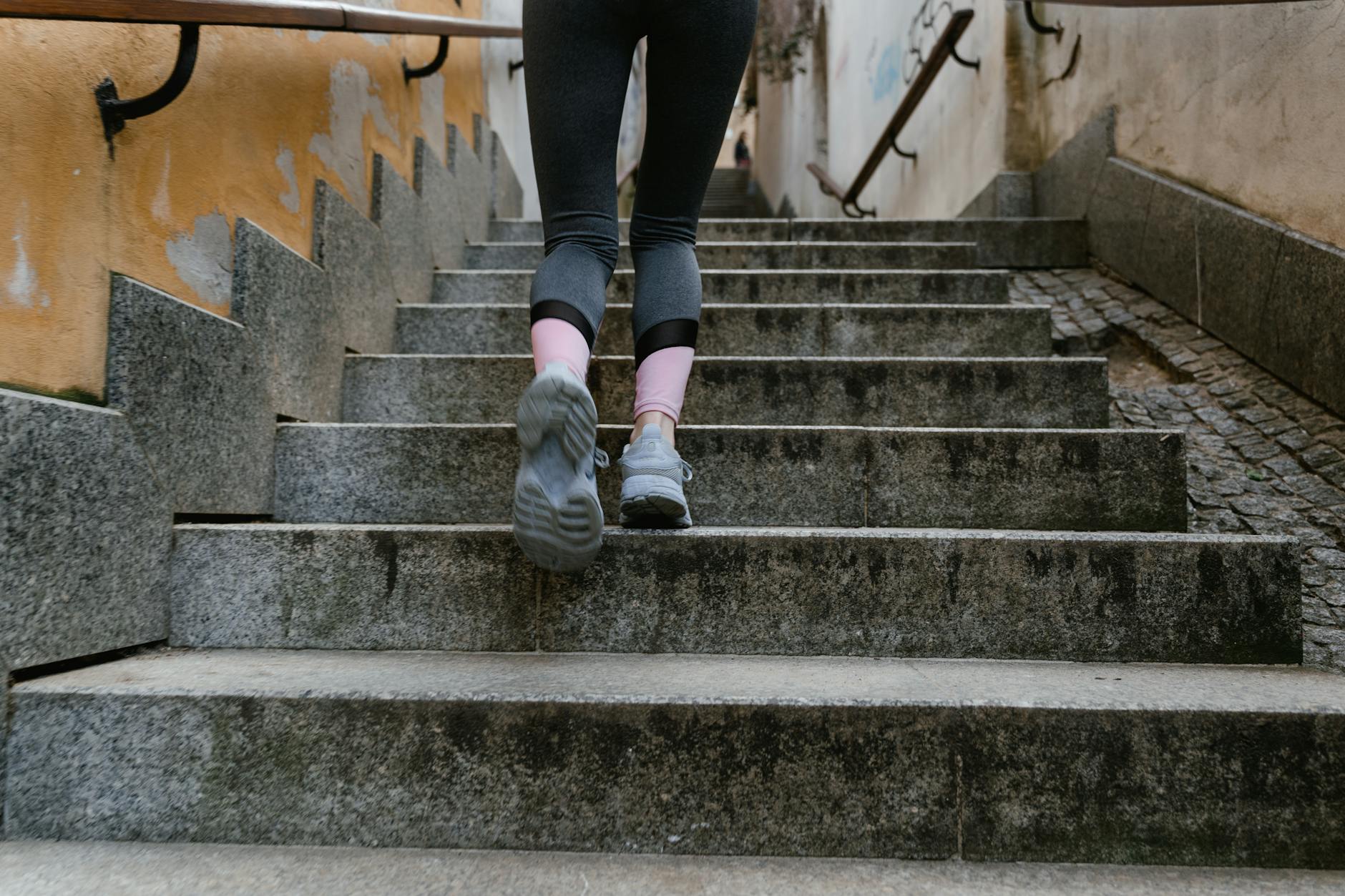
- It means everyday bursts — climbing stairs, carrying heavy shopping, a fast walk to catch a bus
- No gym, no kit, no changing clothes
The distinction that matters: VILPA is movement already embedded in your day, done harder. It is not a workout performed in short pieces.
What the evidence actually says
The headline study is Stamatakis et al., Nature Medicine (2022), which tracked 25,241 UK Biobank participants who did not exercise at all — average age 61.8 — using wrist accelerometers, over an average of 6.9 years.
At the sample’s median VILPA of about 4.4 minutes a day, the associations were:
| Outcome | Associated reduction |
|---|---|
| All-cause mortality | 26–30% lower |
| Cancer mortality | 26–30% lower |
| Cardiovascular mortality | 32–34% lower |
The relationship was near-linear: more VILPA tracked with lower risk, without an obvious threshold you had to cross.
Three caveats that usually get dropped:
- This is an association, not a demonstrated cause. It is an observational cohort. People who spontaneously take stairs fast may differ from those who do not in ways no statistical adjustment fully captures.
- The population was non-exercisers with an average age of 62. Going from nothing to something is the largest available gain. Someone already training several times a week should not expect the same effect from adding stair bursts.
- You may see bigger figures quoted. Numbers like “40% lower mortality” circulate widely for this study. The reductions reported at the median dose are the ones above — and they remain a striking result for four minutes a day.
Easy exercise snacks to try
| Snack | When it fits |
|---|---|
| Climb a flight of stairs briskly | Instead of the lift |
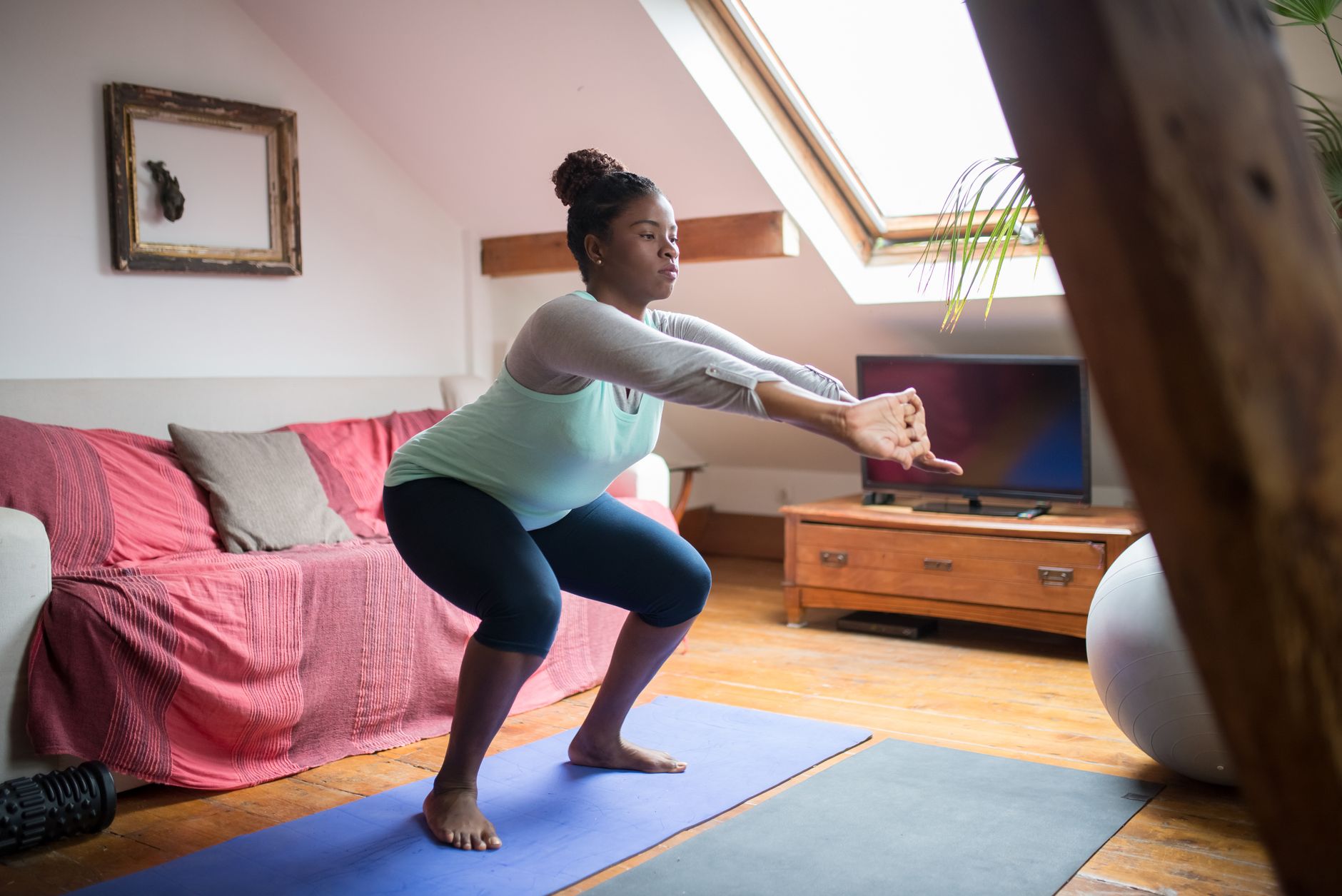
| 10–20 bodyweight squats | While the kettle boils |
| A fast 1–2 minute walk | Between meetings or calls |
| Calf raises or marching in place | At your desk |
| Carry shopping the long way | On the way home |
Make them stick
Anchor each snack to something you already do: squats after your morning coffee, stairs on every bathroom break, a brisk lap after lunch. Start with one or two a day. The failure mode here is ambition, not laziness — a plan of eight daily snacks lasts about four days.
Snacks for blood sugar
Moving for even a couple of minutes after eating blunts the post-meal glucose rise, and this is one place where short and frequent genuinely beats long and occasional: a few minutes of light activity spread after meals does more for post-meal glucose than the same total time taken as one walk elsewhere in the day.
If you sit for work, breaking up long stretches every 30 to 60 minutes — even just standing — is the version of this with the least resistance.
💡 Tip: Set a gentle hourly reminder. The goal is not intensity every time; it is interrupting long unbroken sitting.
Do they replace regular exercise?
No. Snacks are a floor, not a ceiling. They count toward your weekly activity and they are an excellent option for busy or sedentary days, but the guidelines still point at a mix of aerobic work and resistance training — and VILPA’s evidence base is specifically about people who were doing nothing. If you can train properly, train properly, and use snacks to fill the gaps.
Who should be cautious
“Vigorous” is doing real work in the phrase “vigorous intermittent lifestyle physical activity”, and going from sedentary to all-out has risks that a walk does not:
- Known or suspected heart disease. Sudden vigorous exertion in an untrained person is the classic risk scenario. If you have cardiac disease, uncontrolled high blood pressure, or symptoms such as chest pain, breathlessness out of proportion to effort, or fainting, get individual advice before adding vigorous bursts.
- Long sedentary period. Build intensity over weeks. Stairs at a brisk walk before stairs taken two at a time.
- Joint problems. Squats and stairs load knees and hips. Substitute — calf raises, marching, a fast flat walk — rather than pushing through pain.
- Osteoporosis or a history of falls. Speed on stairs is a fall risk. Choose ground-level snacks.
- Pregnancy, or a recent illness or surgery. Follow the advice you have been given rather than a general article.
Warm up the movement you are about to do vigorously — a few easy stairs before fast ones. Stop for chest pain, dizziness, or unusual breathlessness, and get those assessed rather than trained through.
FAQ
Q. How short can an exercise snack be?
Bouts in the VILPA research were typically one to two minutes, and the median total was about 4.4 minutes a day. Shorter still is not wasted — it is just less.
Q. Do exercise snacks really count toward fitness?
Yes. Short repeated bursts improve cardiorespiratory fitness and post-meal glucose control in trials, and the accumulated bouts count toward weekly activity totals.
Q. Is the mortality benefit proven?
No — it is an association from an observational cohort, which cannot establish cause. It is a strong, dose-responsive association in a large well-measured sample, which is about as good as this kind of evidence gets without a randomised trial that would be near-impossible to run.
Q. What if I can’t do vigorous activity?
Lighter movement still helps. Standing, walking, or stretching every 30 to 60 minutes improves metabolic markers compared with unbroken sitting. Do what your body allows, and see the cautions above.
Sources
- Stamatakis et al., Nature Medicine 2022 — Association of wearable device-measured vigorous intermittent lifestyle physical activity with mortality
- British Journal of Sports Medicine
- American Heart Association — Recommendations for physical activity in adults
⚠️ Medical disclaimer: This article is for general information only and is not a substitute for medical advice. If you have a health condition or are new to exercise, talk to a qualified professional before increasing intensity.


Leave a Reply