Category: Sleep
Better sleep starts with understanding how sleep actually works. These guides cover evening routines, what to do when you wake at 3 a.m., napping, sleep apnea warning signs, and how light and habits shape your body clock — all grounded in sleep research, with practical steps you can try tonight.
-
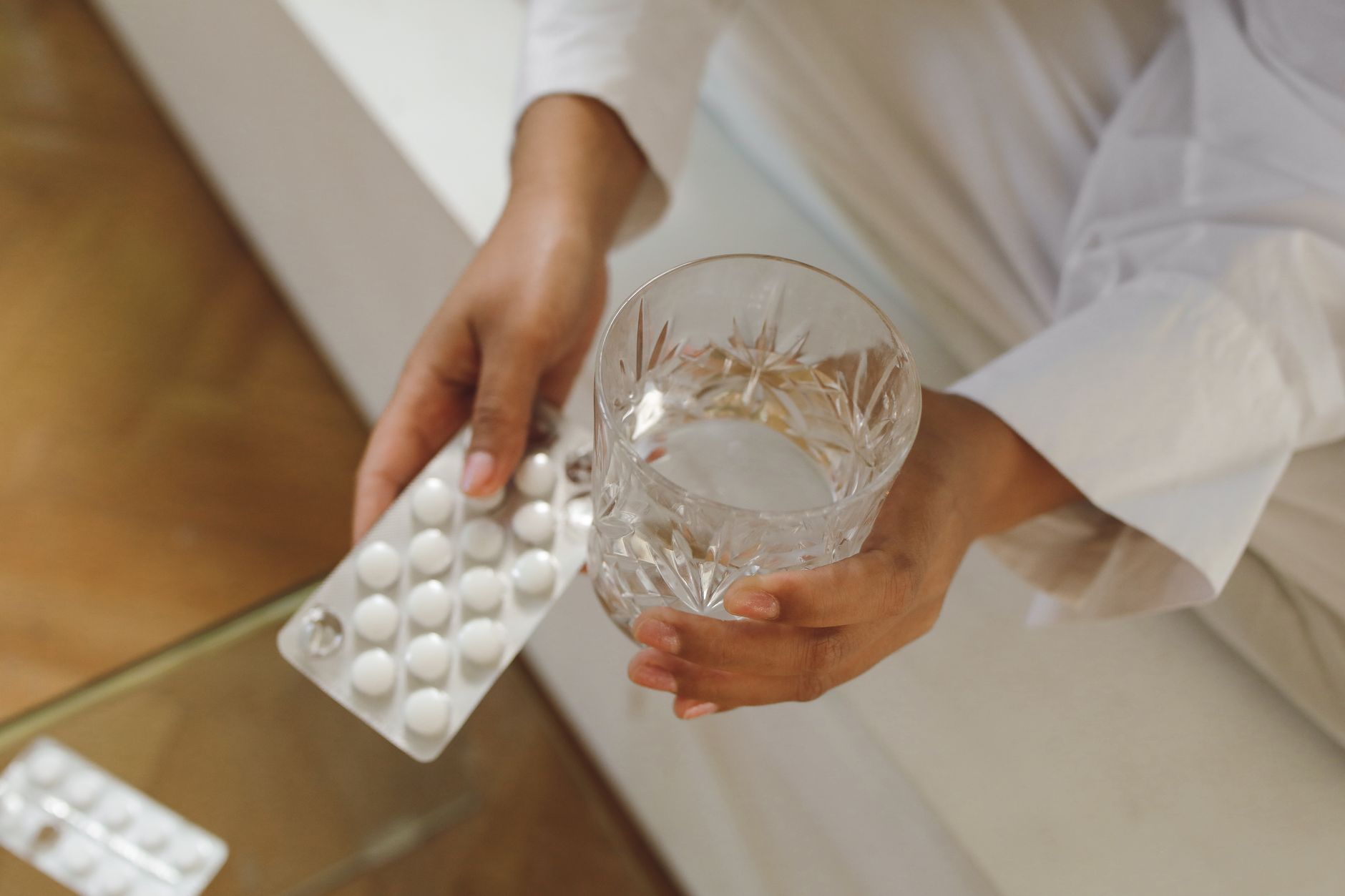
Do Melatonin Supplements Actually Work? What the Science Says
Melatonin is one of the most popular sleep aids — but it’s misunderstood. Here’s what it actually does, when it helps, the right dose and timing, and the real safety concerns, especially for kids.
-
Sleep Apnea: The Warning Signs and When to Get Tested
Loud snoring, gasping at night, exhausted all day? It could be sleep apnea — and most people who have it never get diagnosed. Here are the signs, risks, and when to get tested.
-
Morning Sunlight: The Free Habit That Resets Your Sleep and Mood
A few minutes of morning light sets your body clock for the whole day — improving sleep, alertness, and mood. Here’s the science and how to actually do it.
-
Is Napping Good or Bad for You? What the Science Says
Naps can boost alertness — or wreck your night’s sleep. Here’s the science of nap length, the ideal timing, the coffee-nap trick, and when napping does more harm than good.
-
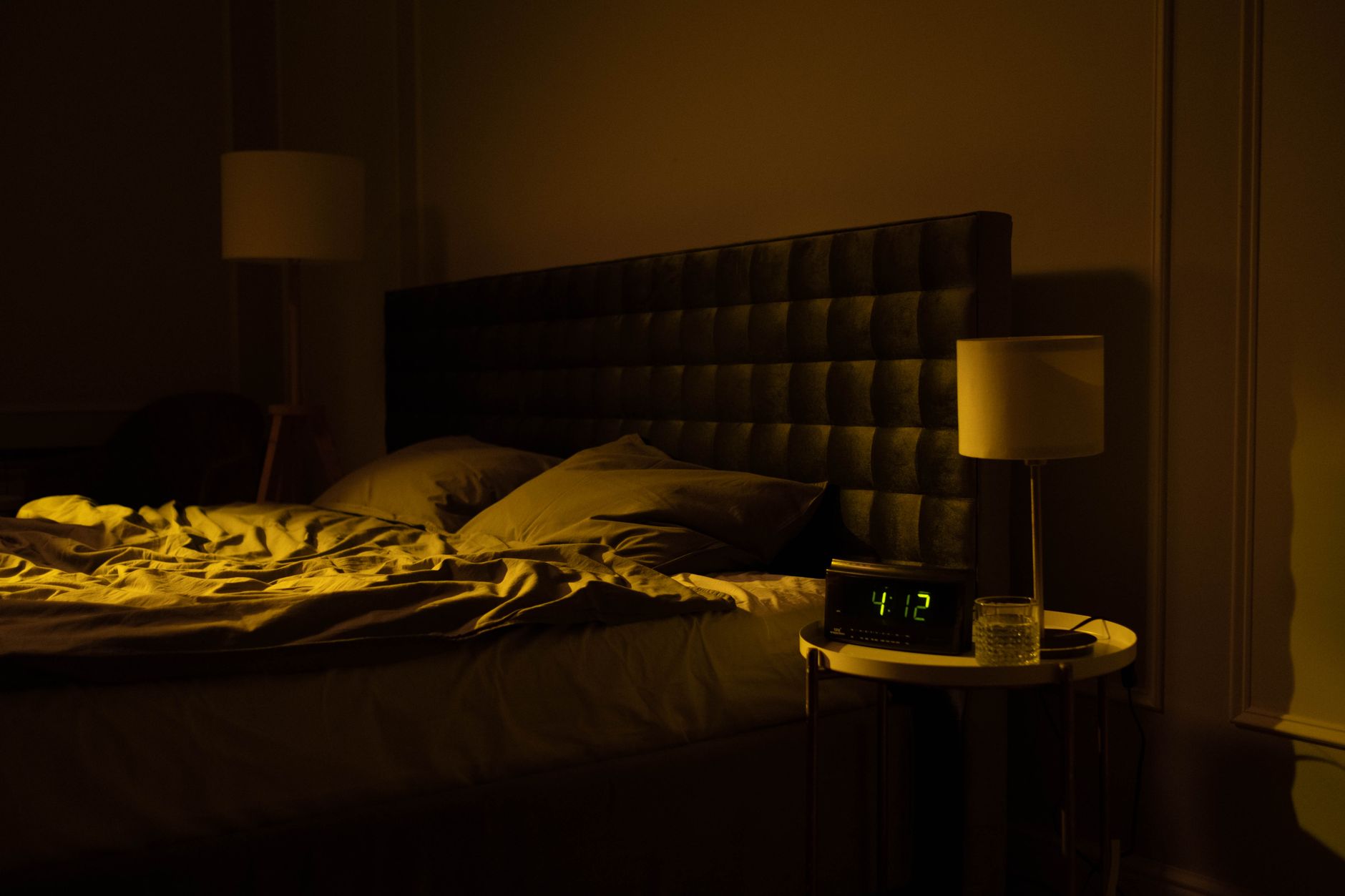
Why Do You Wake Up at 3 AM? Common Causes and Fixes
Waking up at the same time every night? Here’s the science of why you wake around 3 AM, why thoughts feel darker then, and practical ways to sleep through.
-
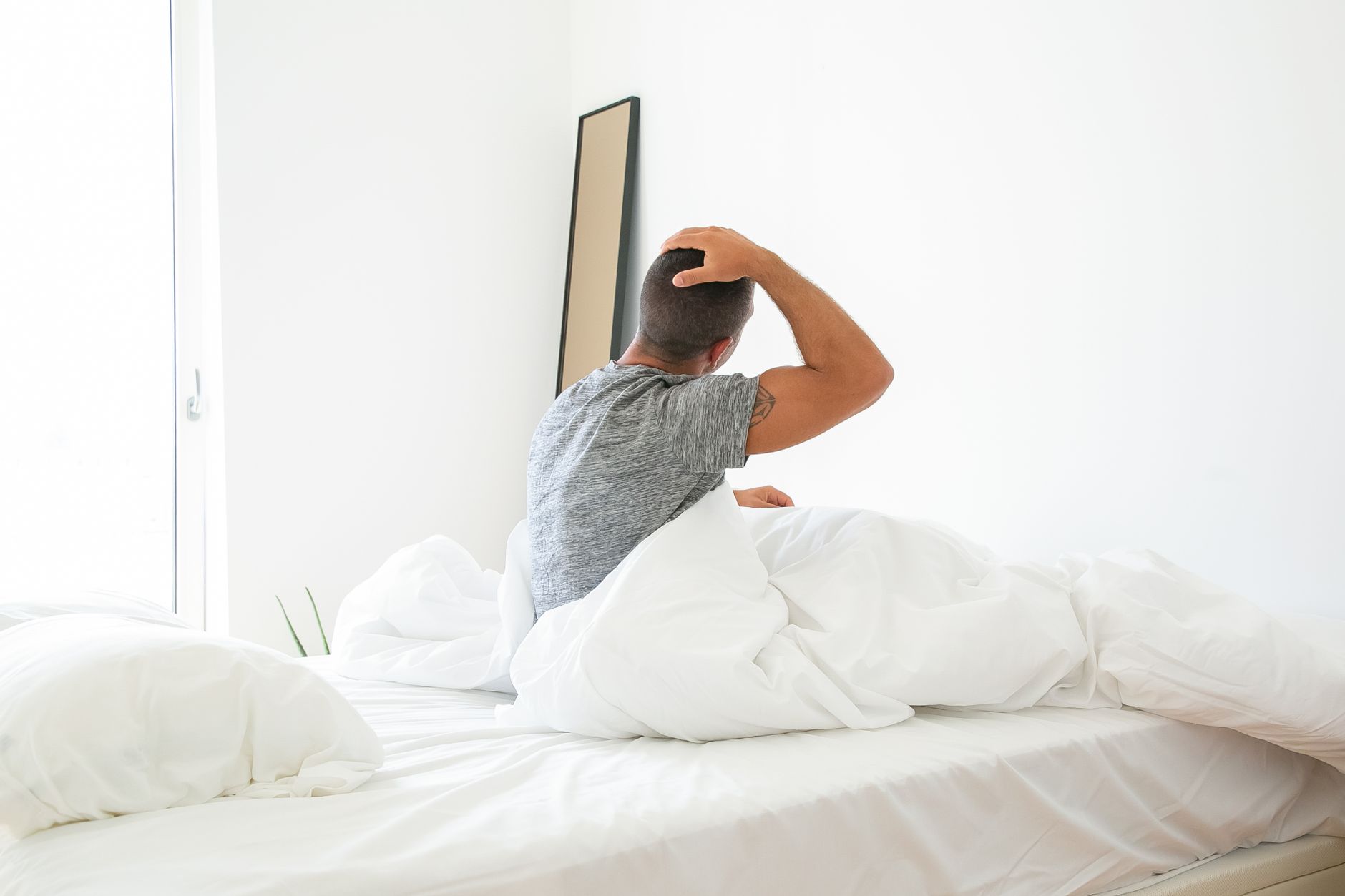
6 Gentle Bedtime Stretches for Better Sleep
A few minutes of gentle stretching before bed can ease tension and help you wind down. Here are 6 simple bedtime stretches, why they work, and how to do them safely.
-
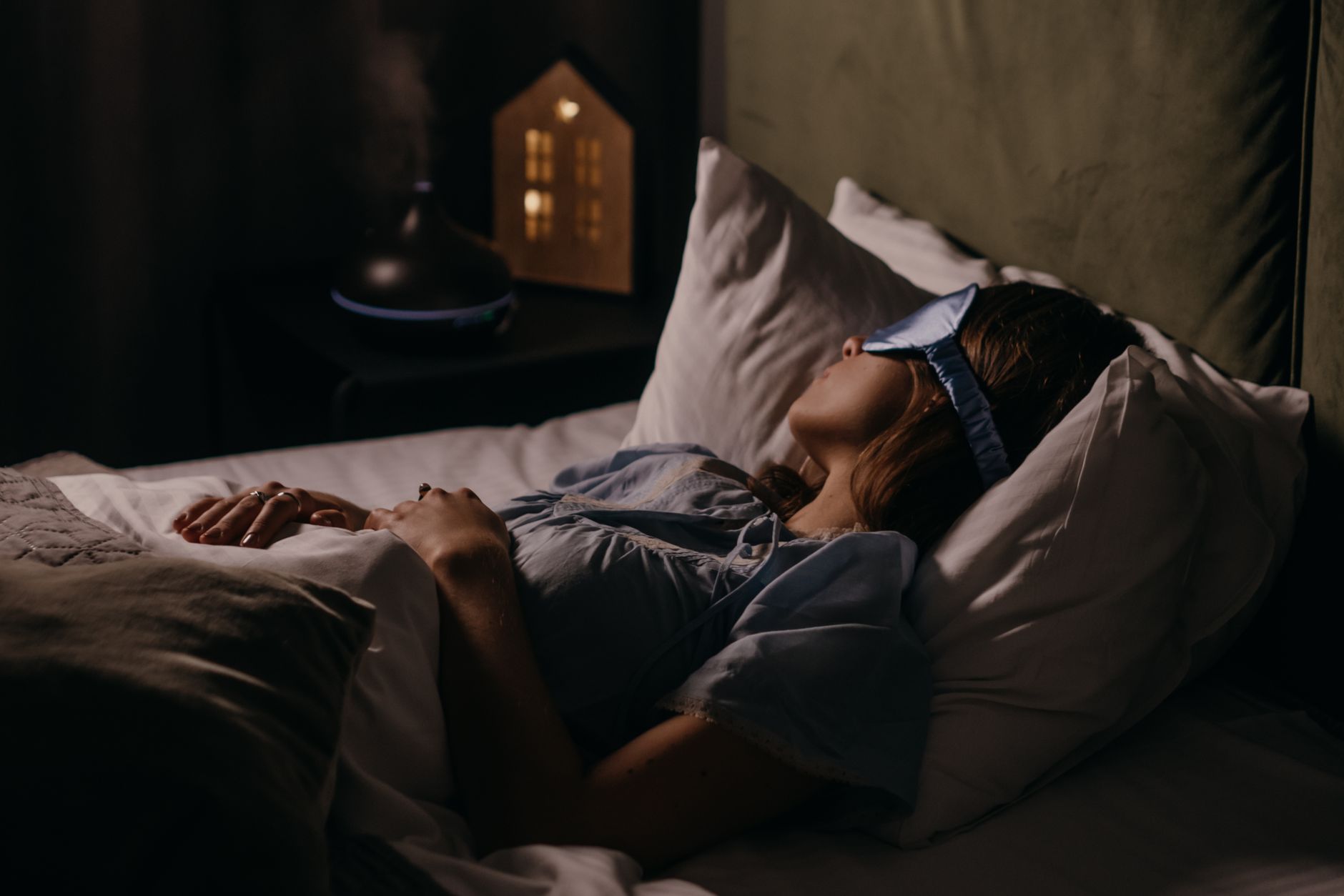
Can’t Sleep at Night? 7 Evening Habits That Improve Sleep Quality
Trouble falling asleep or waking at night? The fix is usually your evening habits. Here are 7 science-backed routines — and the sleep science behind why they work.