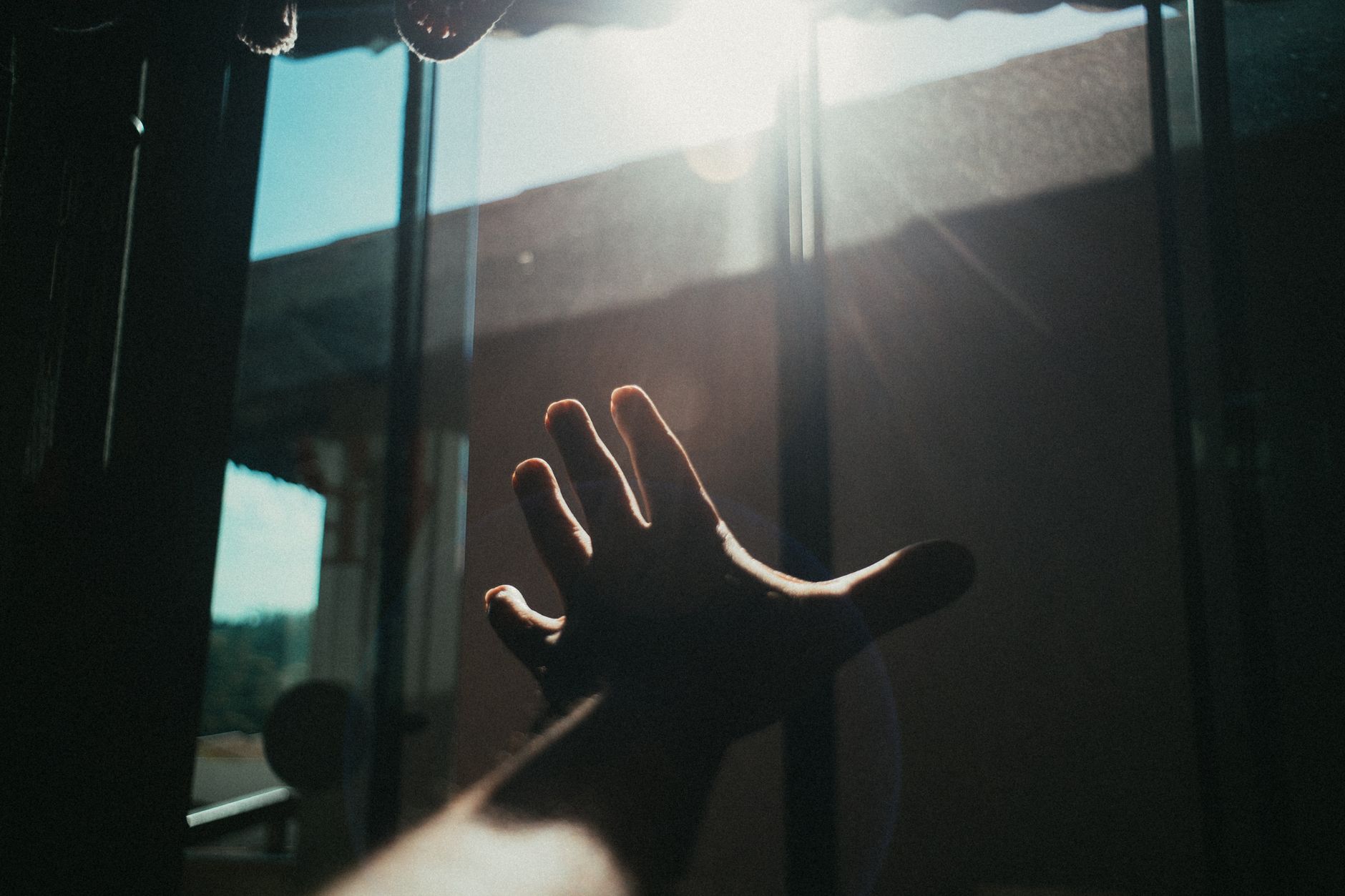
One of the most effective sleep habits costs nothing and takes a few minutes: getting daylight into your eyes soon after you wake. Morning light is the main signal your body clock uses to set itself for the day — and studies tie it to better sleep, steadier mood, and sharper morning alertness. Here’s how it works and how to fit it in.
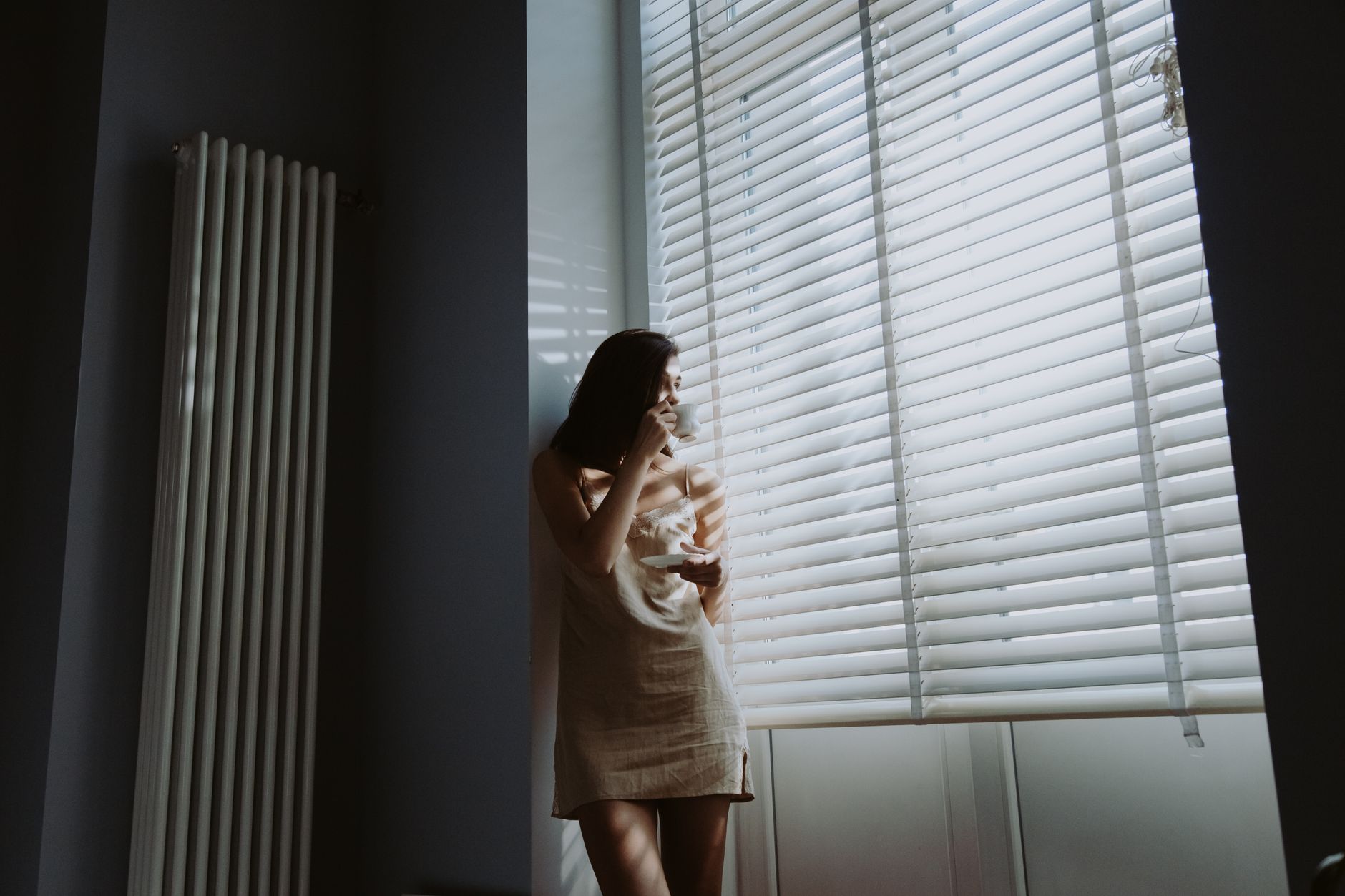
Your body runs on a daily clock
Deep in your brain sits a master clock — the suprachiasmatic nucleus — that keeps your sleep, hormones, and alertness on a roughly 24-hour cycle. It doesn’t keep perfect time on its own. It relies on outside cues to stay aligned, and the strongest cue by far is light hitting your eyes. Morning light advances the clock (nudging you toward earlier, more restful sleep), while bright light late at night delays it.
Why morning is the key window
Your clock is especially sensitive to light in roughly the first hour after waking. Catching daylight then tells your brain, clearly, that the day has begun. That single signal helps in several ways at once:
| Benefit | What happens |
|---|---|
| Better sleep | Sets the timer so melatonin rises earlier in the evening |
| Morning alertness | Triggers a healthy, natural cortisol bump to wake you up |
| Mood | Light exposure is linked to lower stress and steadier mood |
In one analysis, every extra 30 minutes of morning sun was associated with measurably better sleep quality.
How to actually do it
The habit is simple, and you don’t need bright summer sun:
- Timing: within the first 30–60 minutes of waking.
- How long: about 10 minutes on a bright day, 15–20 if it’s overcast or you’re behind glass.
- Where: outside is best — a walk, balcony, or doorway. A window helps but is weaker, since glass filters much of the useful light.
- No staring: never look directly at the sun. Just be outside with your eyes open; ambient light is plenty.
💡 Tip: Pair it with something you already do — coffee on the step, the dog’s walk, the commute on foot. Habits stick when they piggyback on an existing routine.
Even on cloudy days
This is the part people underestimate. A bright indoor room is only a few hundred lux; an overcast day outdoors is often 10,000 lux or more. So outdoor light on a gray morning still vastly outperforms staying inside by the window. Cloudy weather is no excuse to skip it.
Bookend it: dim light at night
Morning light works best paired with its opposite. Bright light — especially from screens — in the late evening delays your clock and pushes sleep later. Dimming the lights and easing off screens an hour or two before bed lets melatonin rise on schedule, so the morning signal and the evening calm reinforce each other.
FAQ
How long do I need in the morning?
Roughly 10 minutes outdoors on a bright day, or 15–20 minutes if it’s cloudy or you’re behind a window. Consistency matters more than squeezing out extra minutes.
Does light through a window count?
A little, but glass filters out much of the useful light, so it’s far weaker than being outside. If you can only get it through a window, stay longer — and step outside when you can.
What if I wake up before sunrise?
Turn on bright indoor lights to get going, then get real daylight as soon as it’s available. In winter or for night-shift workers, a 10,000-lux light therapy lamp is a reasonable stand-in — ask your doctor if you’re considering one.
Sources
- Stanford Lifestyle Medicine — sunlight exposure and sleep
- BMC Public Health (2025) — morning, evening and late light exposure and sleep regulation
⚠️ Medical disclaimer: This article is for general information only and is not a substitute for medical advice. For persistent sleep problems or a circadian rhythm disorder, consult a qualified healthcare professional.




Leave a Reply