Tag: sleep

  • Morning Sunlight: The Free Habit That Resets Your Sleep and Mood

    Morning Sunlight: The Free Habit That Resets Your Sleep and Mood

    One of the most effective sleep habits costs nothing and takes a few minutes: getting daylight into your eyes soon after you wake. Morning light is the main signal your body clock uses to set itself for the day — and studies tie it to better sleep, steadier mood, and sharper morning alertness. Here’s how it works and how to fit it in.

    A woman in soft morning light stands by the window, holding a cup and saucer, savoring a peaceful moment.
    A few minutes of morning daylight anchors your body clock for the whole day (사진: cottonbro studio / Pexels)

    Your body runs on a daily clock

    Deep in your brain sits a master clock — the suprachiasmatic nucleus — that keeps your sleep, hormones, and alertness on a roughly 24-hour cycle. It doesn’t keep perfect time on its own. It relies on outside cues to stay aligned, and the strongest cue by far is light hitting your eyes. Morning light advances the clock (nudging you toward earlier, more restful sleep), while bright light late at night delays it.

    Why morning is the key window

    Your clock is especially sensitive to light in roughly the first hour after waking. Catching daylight then tells your brain, clearly, that the day has begun. That single signal helps in several ways at once:

    Benefit What happens
    Better sleep Sets the timer so melatonin rises earlier in the evening
    Morning alertness Triggers a healthy, natural cortisol bump to wake you up
    Mood Light exposure is linked to lower stress and steadier mood

    In one analysis, every extra 30 minutes of morning sun was associated with measurably better sleep quality.

    How to actually do it

    The habit is simple, and you don’t need bright summer sun:

    • Timing: within the first 30–60 minutes of waking.
    • How long: about 10 minutes on a bright day, 15–20 if it’s overcast or you’re behind glass.
    • Where: outside is best — a walk, balcony, or doorway. A window helps but is weaker, since glass filters much of the useful light.
    • No staring: never look directly at the sun. Just be outside with your eyes open; ambient light is plenty.

    💡 Tip: Pair it with something you already do — coffee on the step, the dog’s walk, the commute on foot. Habits stick when they piggyback on an existing routine.

    Even on cloudy days

    This is the part people underestimate. A bright indoor room is only a few hundred lux; an overcast day outdoors is often 10,000 lux or more. So outdoor light on a gray morning still vastly outperforms staying inside by the window. Cloudy weather is no excuse to skip it.

    Bookend it: dim light at night

    Morning light works best paired with its opposite. Bright light — especially from screens — in the late evening delays your clock and pushes sleep later. Dimming the lights and easing off screens an hour or two before bed lets melatonin rise on schedule, so the morning signal and the evening calm reinforce each other.

    FAQ

    How long do I need in the morning?
    Roughly 10 minutes outdoors on a bright day, or 15–20 minutes if it’s cloudy or you’re behind a window. Consistency matters more than squeezing out extra minutes.

    Does light through a window count?
    A little, but glass filters out much of the useful light, so it’s far weaker than being outside. If you can only get it through a window, stay longer — and step outside when you can.

    What if I wake up before sunrise?
    Turn on bright indoor lights to get going, then get real daylight as soon as it’s available. In winter or for night-shift workers, a 10,000-lux light therapy lamp is a reasonable stand-in — ask your doctor if you’re considering one.


    Sources

    • Stanford Lifestyle Medicine — sunlight exposure and sleep
    • BMC Public Health (2025) — morning, evening and late light exposure and sleep regulation

    ⚠️ Medical disclaimer: This article is for general information only and is not a substitute for medical advice. For persistent sleep problems or a circadian rhythm disorder, consult a qualified healthcare professional.
  • Is Napping Good or Bad for You? What the Science Says

    Is Napping Good or Bad for You? What the Science Says

    Naps have a mixed reputation: a quick recharge for some, a recipe for grogginess and bad nights for others. The science says both can be true — it mostly comes down to how long and when you nap. Done right, a nap genuinely boosts alertness, mood, and memory; done wrong, it leaves you foggy and steals from your night. Here’s how to land on the good side.

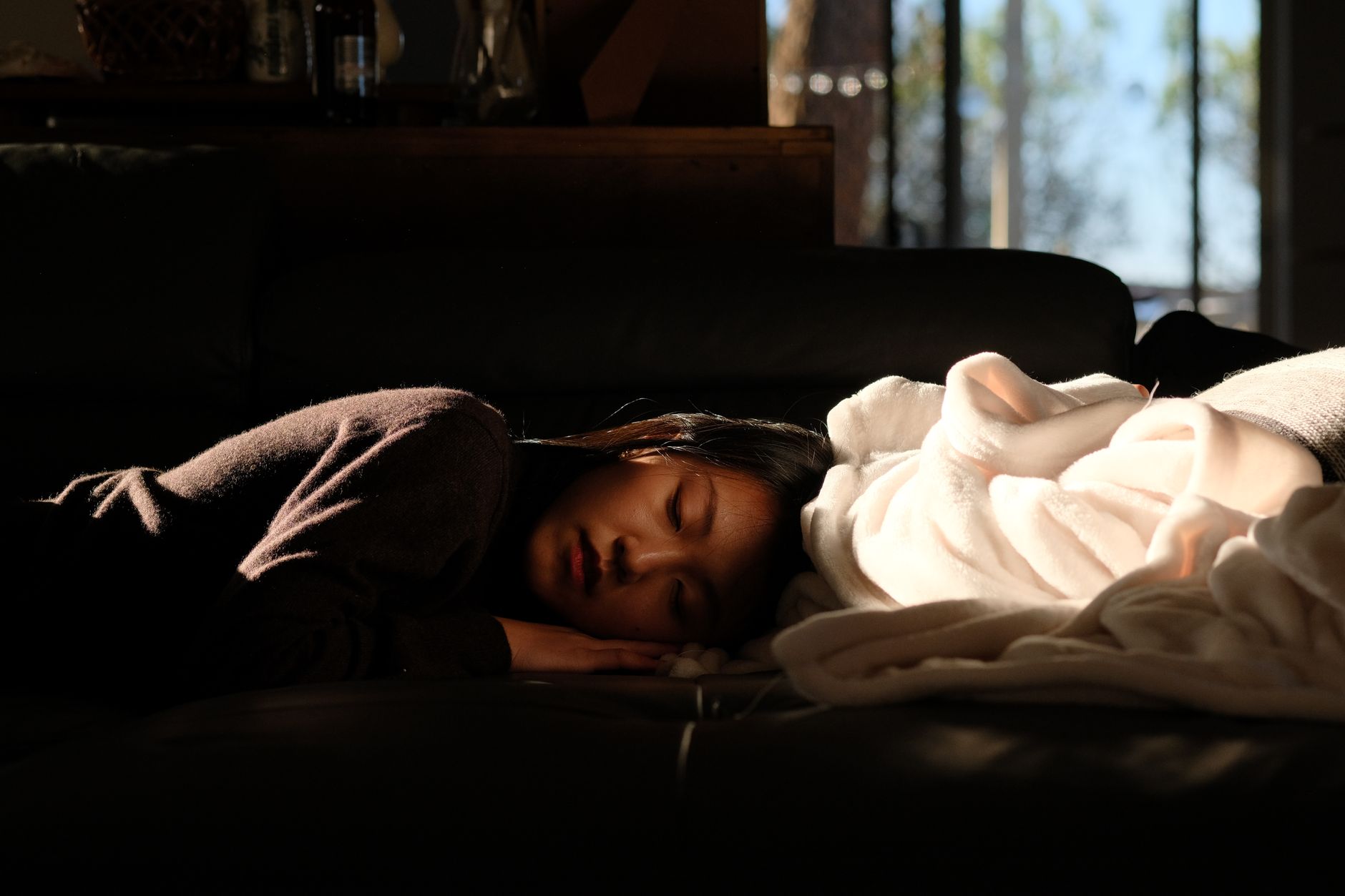
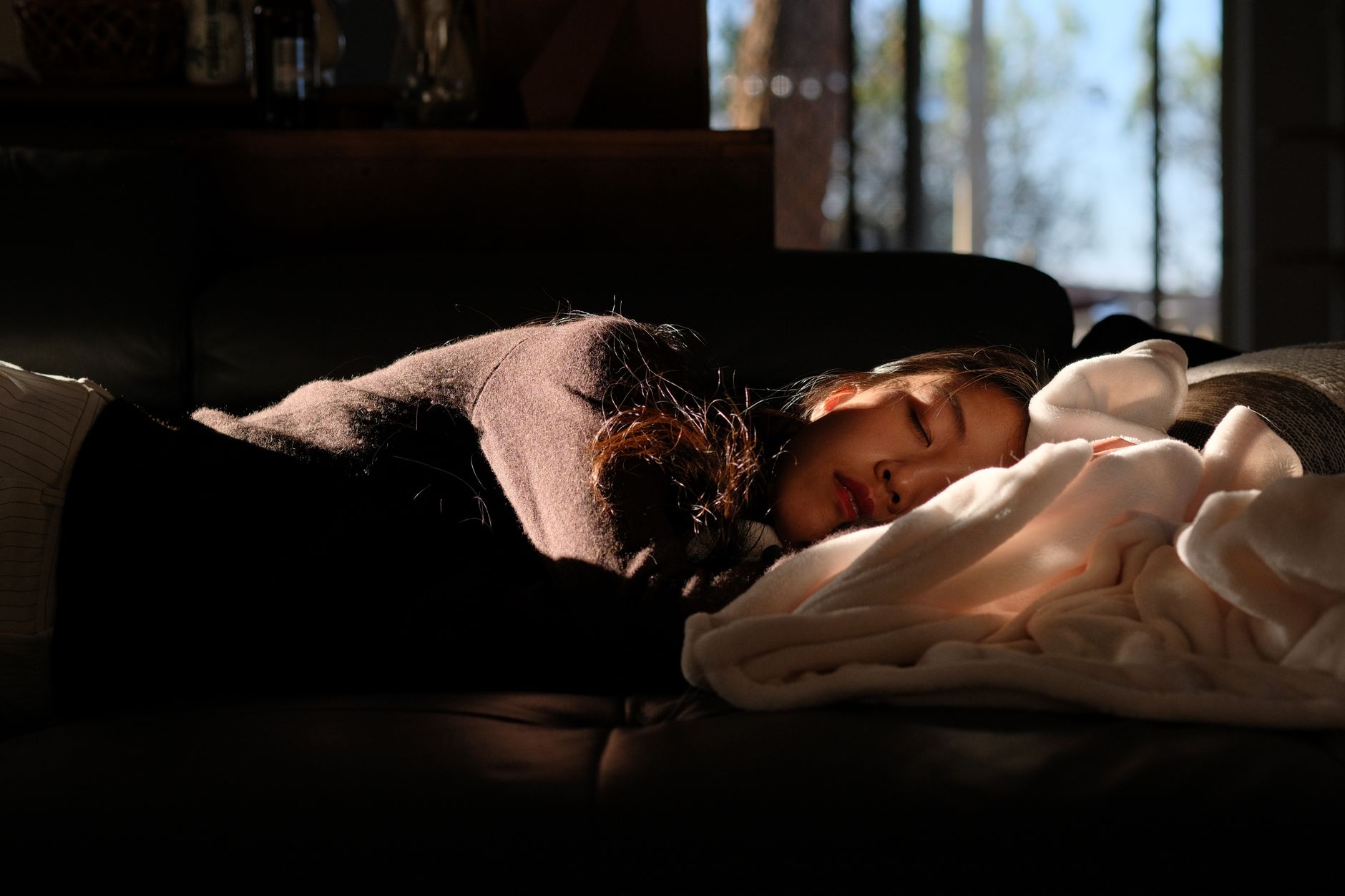
    A woman peacefully sleeping on a couch under warm sunlight streaming through the window.
    A short, well-timed nap can boost alertness without wrecking your night (사진: Jasmine Pang / Pexels)

    The benefits of a good nap

    A short nap can sharpen alertness and mood, improve focus and memory, and take the edge off fatigue when you’re running short on sleep. Astronauts, pilots, and shift workers use brief naps as a proven performance tool. The key word, as you’ll see, is short.

    Why nap length matters

    The reason length matters so much comes down to sleep stages. In the first 10–20 minutes you stay in light sleep, which is easy to wake from and leaves you refreshed. Go longer and you slide into deep sleep — and waking out of deep sleep causes that heavy, disoriented grogginess called sleep inertia.

    Nap length Effect
    10–20 minutes Quick alertness boost, easy to wake
    30 minutes Often leaves you groggy
    60 minutes Can help memory, but grogginess likely
    90 minutes A full sleep cycle — you wake from light sleep again, often refreshing

    For most people a 10–20 minute nap is the sweet spot. If you have the time and want a deeper recharge, a full 90-minute cycle is the next best bet, because you wake from light sleep rather than mid-deep-sleep.

    When to nap

    There’s a real biological reason the afternoon feels sleepy: a natural dip in your circadian rhythm in the early afternoon (around 1–3 PM) — it’s not just the lunch. That’s the ideal nap window. Avoid napping late in the day, because every nap reduces your built-up “sleep pressure,” and a late one can leave you not tired enough to fall asleep at night.

    💡 Tip: Try a “coffee nap” — drink a coffee, then nap 20 minutes. Caffeine takes about 20 minutes to kick in, so it lands just as you wake, stacking with the nap for an extra alertness boost.

    When napping does more harm than good

    Napping can work against you in a few situations. If you struggle with insomnia, daytime naps lower your nighttime sleep drive and can make falling asleep harder — often the first thing to cut. Using naps to mask chronic poor sleep treats the symptom, not the cause; fix the night first. And it’s worth knowing the nuance behind scary headlines: studies linking long, frequent daytime napping to health risks in older adults are mostly showing an association, where heavy napping is often a marker of an underlying problem (like fragmented night sleep or illness) rather than the cause. The practical signal: excessive daytime sleepiness that naps never satisfy can point to something like sleep apnea and deserves a check-up.

    How to nap well

    • Keep it to 10–20 minutes and set an alarm
    • Nap in a cool, dark, quiet spot
    • Don’t nap after mid-afternoon
    • If you can’t fall asleep, even resting with your eyes closed still helps
    • Give yourself a few minutes to shake off any grogginess before tasks that need focus

    FAQ

    Q. Does napping mean I’m not sleeping enough at night?
    Sometimes. An occasional nap is perfectly fine, but a strong daily need to nap can be a sign your nighttime sleep — in quantity or quality — needs attention.

    Q. Why do I feel worse after a long nap?
    You likely woke from deep sleep, triggering sleep inertia — that heavy, foggy feeling. It fades within 15–30 minutes, but you avoid it by keeping naps to 10–20 minutes or taking a full 90-minute cycle.

    Q. Is it bad to nap every day?
    A short daily nap is fine for many people and can be a healthy habit. Keep it short and early enough not to disrupt night sleep. If you suddenly need long naps and still feel exhausted, see a doctor.


    Sources

    ⚠️ Medical disclaimer: This article is for general information only and is not a substitute for medical advice. Persistent excessive daytime sleepiness should be discussed with a healthcare professional.

  • Why Do You Wake Up at 3 AM? Common Causes and Fixes

    Why Do You Wake Up at 3 AM? Common Causes and Fixes

    Waking up at roughly the same time every night — often around 3 AM — is a surprisingly common frustration. Usually it isn’t a sign of anything serious: it’s normal sleep architecture meeting one or two disruptors. Here’s what’s actually happening in your brain at that hour, why the thoughts feel so heavy, and how to get back to sleep.

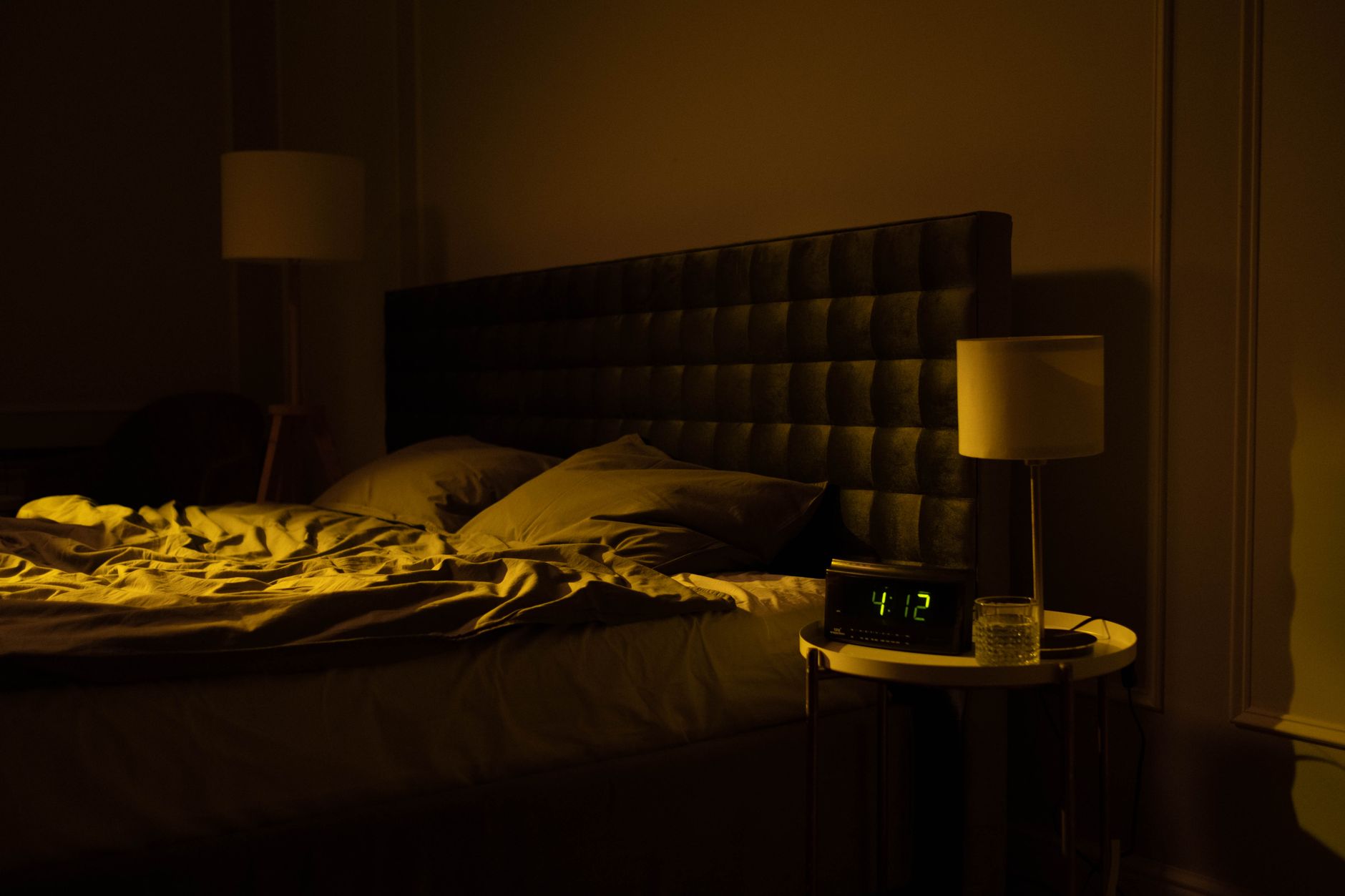
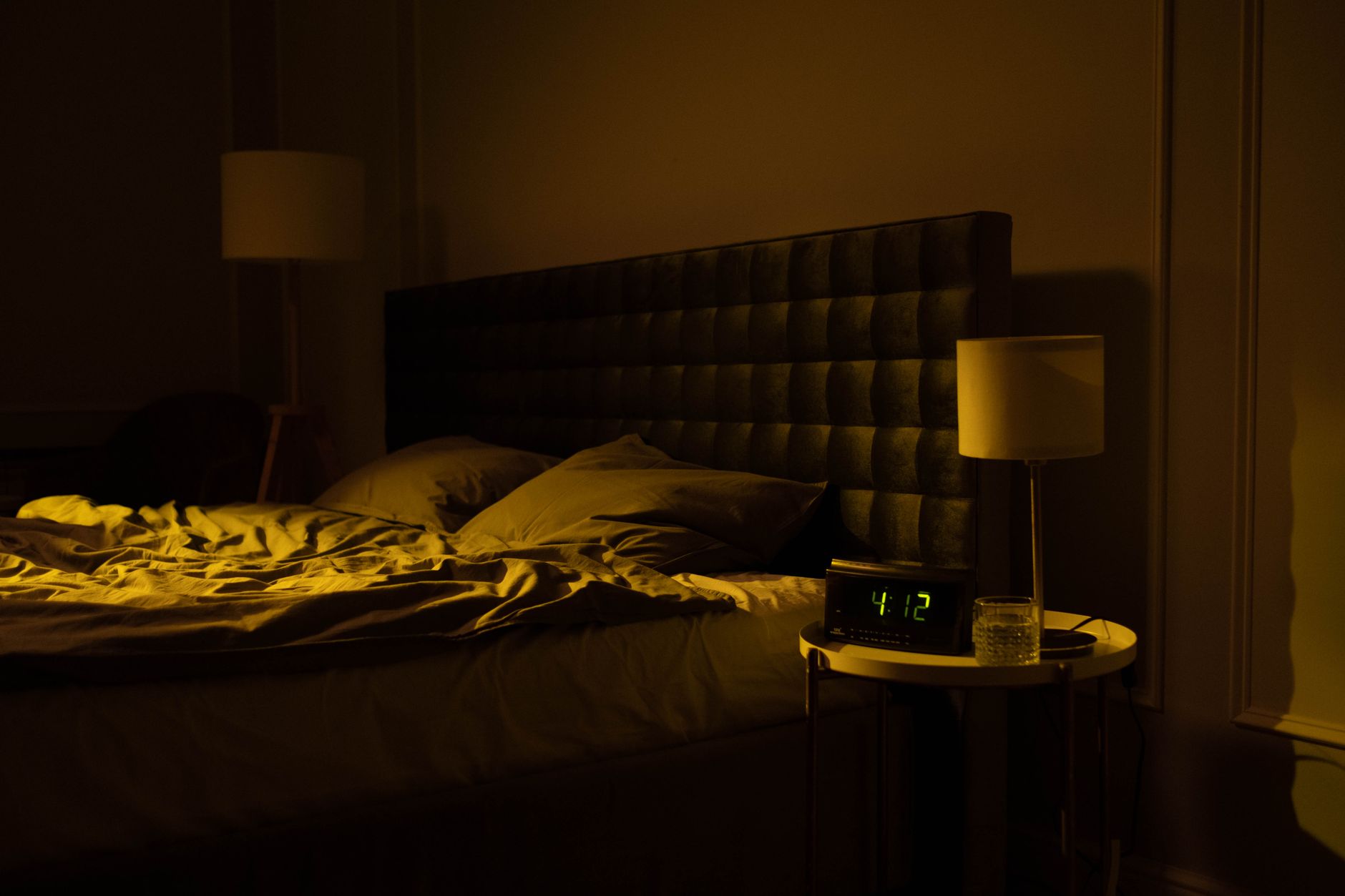
    Relaxing dimly lit bedroom with an unmade bed, digital clock displaying 4:12, and warm ambient lighting.
    Waking briefly at night is normal — the problem is struggling to fall back asleep (사진: cottonbro studio / Pexels)

    First, some reassurance

    Brief awakenings throughout the night are completely normal. But there’s a reason 3 AM is a common time: your sleep isn’t uniform. The first half of the night is rich in deep sleep, while the second half shifts toward lighter sleep and more dreaming — so you naturally surface more easily in the early hours. Your body also begins its cortisol rise before dawn to prepare for waking, which adds a nudge toward alertness. Put together, light sleep plus rising cortisol means a small disturbance is far more likely to fully wake you at 3 AM than at 11 PM. The real problem isn’t waking up — it’s struggling to fall back asleep.

    Common reasons you wake at 3 AM

    • Stress and an active mind — elevated stress hormones nudge you awake, and a racing mind keeps you up
    • Alcohol in the evening — it helps you fall asleep but disrupts the second half of the night as it wears off
    • A full bladder — drinking too much late leads to bathroom trips that fully wake you
    • Room temperature and light — a too-warm room or early light/noise pulls you out of light sleep
    • Blood sugar dips — for some people, going to bed hungry contributes to night waking

    Why 3 AM thoughts feel so dark

    If your worries seem overwhelming at 3 AM but manageable by morning, that’s not your imagination. A half-asleep, sleep-deprived brain leans toward negative, catastrophic thinking, and the dark, silent, distraction-free environment gives those thoughts nowhere to go but louder. Combined with that early-hours cortisol rise, it’s a near-perfect setup for rumination. Knowing this is itself useful: the 3 AM version of a problem is almost always exaggerated, and it will look smaller in daylight.

    How to sleep through the night

    • Keep a consistent wake time to stabilize your sleep rhythm
    • Limit alcohol and large drinks in the last few hours before bed
    • Keep the room cool, dark, and quiet (earplugs, blackout curtains)
    • Don’t check the clock — it fuels the anxiety of being awake and feeds the habit
    • If you’re awake more than about 20 minutes, get out of bed, do something calm in dim light, and return only when sleepy

    That last rule comes from CBT-I (cognitive behavioral therapy for insomnia), the gold-standard treatment. The logic: lying in bed frustrated trains your brain to associate the bed with being awake. Getting up breaks that learned link, so the bed stays a cue for sleep.

    💡 Tip: The harder you “try” to fall back asleep, the more alert you become. Aim to relax rather than force sleep — slow breathing with a long exhale helps shift your body toward rest.

    When to see a doctor

    Most night waking is harmless, but talk to a professional if it’s frequent and leaves you exhausted, if you snore heavily or wake gasping or choking (possible sleep apnea), or if anxiety or low mood is disrupting your sleep over several weeks. For ongoing insomnia, CBT-I is more effective and longer-lasting than sleeping pills, and a doctor can point you to it.

    FAQ

    Q. Why is it always the same time?
    Your sleep cycles are fairly regular and your cortisol rises on a schedule, so you tend to surface at similar points each night. Habit and clock-watching reinforce it.

    Q. Should I eat something if I wake up?
    A small snack helps some people who go to bed hungry, but eating a lot can wake you further and isn’t a good habit. Experiment cautiously.

    Q. Is waking at night a sign of a serious problem?
    Usually not. But persistent, exhausting awakenings — especially with loud snoring or breathing pauses — are worth discussing with a doctor, as they can signal sleep apnea.


    Sources

    ⚠️ Medical disclaimer: This article is for general information only and is not a substitute for medical advice. If sleep problems persist or you suspect sleep apnea, consult a healthcare professional.

  • 6 Gentle Bedtime Stretches for Better Sleep

    6 Gentle Bedtime Stretches for Better Sleep

    If you lie down tense and wired, a few minutes of gentle stretching can help signal to your body that the day is over. Bedtime stretches won’t replace good sleep habits, but they’re a calm, screen-free way to release tension and ease into rest — and research on gentle pre-sleep movement suggests it can genuinely improve sleep quality for many people. Here are 6 simple stretches, why they work, and how to make them a habit.

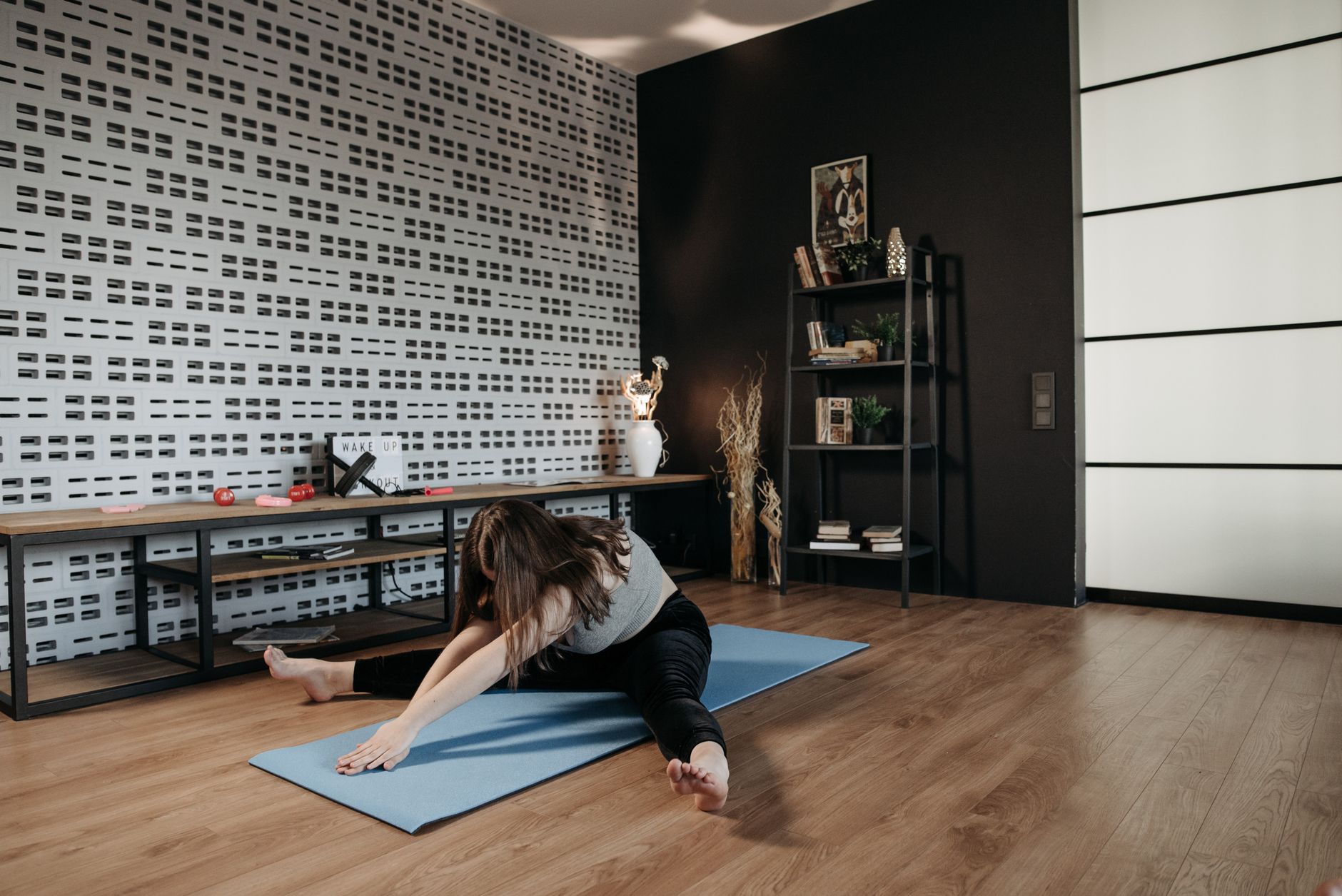
    A woman performing a stretching exercise on a yoga mat in a stylish indoor space.
    A few minutes of gentle stretching helps your body wind down (사진: Pavel Danilyuk / Pexels)

    Why stretching before bed helps

    Gentle, slow stretching nudges your nervous system out of “go” mode. By moving slowly and breathing deeply, you activate the parasympathetic (“rest and digest”) response — the same shift that lowers heart rate and prepares your body for sleep. It also releases the physical tension that builds up from a day of sitting and stress, and pulls your attention away from a racing mind and into your body. The key word is gentle: this is a wind-down, not a workout, so move slowly and never stretch into pain.

    6 gentle bedtime stretches

    1. Neck release

    Sitting comfortably, slowly drop your right ear toward your right shoulder. Hold for 20–30 seconds, then switch sides. Great for releasing screen-and-desk tension.

    2. Seated forward fold

    Sit with legs extended, hinge gently at the hips, and reach toward your feet. Let your head and neck relax. Breathe slowly for 30 seconds.

    3. Child’s pose

    Kneel and sit back on your heels, then fold forward with arms extended. A classic calming stretch for the back and hips. Hold for up to a minute.

    4. Knees-to-chest

    Lying on your back, gently hug both knees toward your chest. Rock slightly side to side to massage the lower back.

    5. Lying spinal twist

    On your back, drop both knees to one side while keeping shoulders down. Hold, breathe, then switch sides. Eases the lower back and hips.

    6. Legs up the wall

    Lie down and rest your legs up against a wall. This restful position helps you relax and slow your breathing before sleep.

    The routine matters as much as the stretches

    Part of why a bedtime stretch works isn’t just the physical release — it’s the ritual. Doing the same calm, screen-free sequence each night becomes a cue your brain learns to associate with sleep, the way a consistent routine helps a child settle. That’s why pairing the stretches with slow breathing and dim light amplifies the effect, and why consistency beats intensity.

    💡 Tip: Pair the stretches with slow breathing — inhale for 4 seconds and exhale for 6. The long exhale helps activate your body’s “rest” mode and deepens the wind-down.

    How to do it safely and make it a habit

    Do Avoid
    Move slowly and gently Bouncing or forcing
    Keep lights dim Bright screens during
    Breathe steadily Holding your breath
    Stop if anything hurts Pushing into pain

    A simple 5-minute routine, done consistently, becomes a powerful “time to sleep” signal. If you’re pregnant, recovering from an injury, or have a back or joint condition, modify or skip any pose that doesn’t feel right, and check with a professional if unsure.

    Stretching is one piece of better sleep

    Stretching helps you relax, but it works best inside good overall sleep habits. Keeping consistent sleep and wake times, dimming lights and screens in the evening, getting daylight in the morning, and limiting late caffeine and alcohol all do heavy lifting. Think of bedtime stretches as one reliable signal in a wind-down routine — not a standalone cure for persistent insomnia, which deserves a proper look from a professional.

    FAQ

    Q. How long before bed should I stretch?
    Anytime in the 30–60 minutes before bed works well, as part of winding down. Doing it at the same time each night strengthens the sleep association.

    Q. Is stretching enough to fix insomnia?
    It can help you relax, but it’s one piece. Consistent sleep and wake times, dim evening light, and limiting late caffeine matter too. Persistent insomnia is worth discussing with a doctor.

    Q. Should stretching ever hurt?
    No. Gentle tension is fine; pain is a signal to ease off. Back out of any stretch that pinches or sharpens.


    Sources

    ⚠️ Medical disclaimer: This article is for general information only and is not a substitute for medical advice. If you have an injury, are pregnant, or have a medical condition, check with a healthcare professional before starting new stretches.

  • Can’t Sleep at Night? 7 Evening Habits That Improve Sleep Quality

    Can’t Sleep at Night? 7 Evening Habits That Improve Sleep Quality

    You feel exhausted, but the moment you lie down your mind races — and even when you do drift off, you keep waking up before dawn. The problem usually isn’t willpower. It’s your evening habits. Sleep isn’t a switch you flip; it’s a process your body prepares for hours in advance. Below are 7 routines sleep researchers consistently recommend, plus the science behind why they work. Change one at a time.

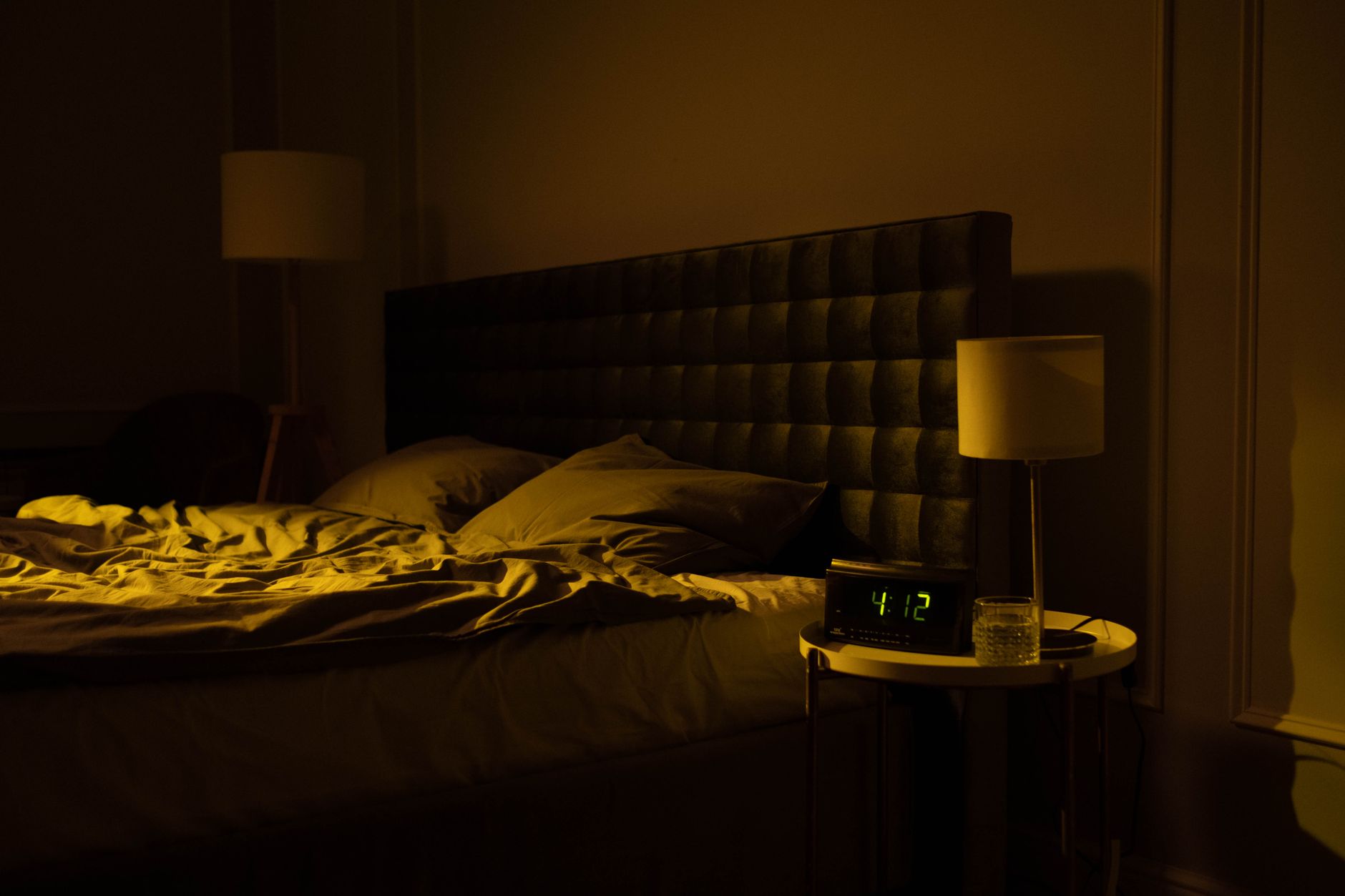
    Relaxing dimly lit bedroom with an unmade bed, digital clock displaying 4:12, and warm ambient lighting.
    A dark, cool bedroom is where good sleep begins (사진: cottonbro studio / Pexels)

    Why can’t you fall asleep?

    Two systems govern sleep. One is sleep pressure: a chemical called adenosine builds up the longer you’re awake, making you sleepier as the day goes on. The other is your circadian rhythm, your internal 24-hour clock, which releases melatonin as night falls and lets your core temperature drop to prepare for sleep. Good sleep happens when these line up. Bright light, caffeine, late screens, and irregular bedtimes all interfere — so the goal isn’t to chase sleep, but to create the conditions for it. (And most adults genuinely need 7–9 hours; chronically sleeping less isn’t something you can fully train away.)

    1. Go to bed and wake up at the same time

    The most basic habit, and the most powerful — it keeps your circadian clock aligned. Try not to shift your wake-up time by more than an hour, even on weekends.

    💡 Fix your wake-up time first. Once that’s consistent, your bedtime naturally follows.

    2. Dim the lights 1–2 hours before bed

    Bright evening light and screen glare suppress melatonin and push your clock later. Lower your room lights to a warm tone, switch your phone to night mode, and try to put screens away about 30 minutes before bed.

    3. Cut off caffeine by early afternoon

    Caffeine has a half-life of about 5 hours, meaning half of an afternoon coffee is still in your system at bedtime — and it works by blocking the very adenosine that makes you sleepy. If you sleep poorly, switch to caffeine-free drinks from early afternoon on.

    A refreshing iced coffee served in a blue cup on a rustic wooden table, perfect for summer outdoor vibes.
    A late-afternoon coffee can quietly disrupt that night’s sleep (사진: Sóc Năng Động / Pexels)

    4. Take a warm shower

    A warm shower 1–2 hours before bed brings blood to the skin, so your core temperature falls afterward — and that temperature drop is one of the body’s signals that it’s time to sleep.

    5. Optimize your bedroom

    The rule is dark, cool, and quiet.

    Factor Recommended
    Temperature A slightly cool ~18–20°C
    Light Blackout curtains; cover even small LED lights
    Noise Earplugs or white noise
    Use Keep the bed for sleeping only

    That last point matters more than people think: using the bed only for sleep helps your brain associate it with sleep rather than scrolling or worrying.

    6. Wind down with breathing or stretching

    If your thoughts won’t stop, relax your body first — it’s easier to calm the mind through the body than by force.

    • 4-7-8 breathing: inhale 4s, hold 7s, exhale slowly 8s — repeat 5 times
    • Gentle neck and shoulder stretches
    • Write tomorrow’s worries in a notebook and hand them to “tomorrow you”

    7. Get daylight and move during the day

    Night sleep is actually decided during the day. Morning light anchors your body clock so melatonin arrives on time at night, and daytime activity builds the adenosine “sleep pressure” that helps you drift off. Just avoid intense exercise in the hour or two right before bed.

    About that nightcap

    Alcohol is a common DIY sleep aid — and a trap. It can help you fall asleep faster, but it suppresses REM sleep and fragments the second half of the night, so you wake more and feel less rested. A nightcap buys quicker sleep onset at the cost of sleep quality.

    When to see a doctor

    If, despite these changes, any of the following lasts more than 3 weeks, talk to a professional:

    • It takes 30+ minutes to fall asleep most nights and it affects your day
    • Loud snoring with pauses in breathing, or waking gasping (possible sleep apnea)
    • Severe daytime drowsiness that disrupts daily life

    For ongoing insomnia, the most effective treatment is CBT-I (cognitive behavioral therapy for insomnia), which works better and lasts longer than sleeping pills — ask your doctor about it.

    FAQ

    Q. Should I just lie there if I can’t sleep?
    If you’re still awake after about 20 minutes, get up, do something calm in dim light, and return to bed only when you feel sleepy. Lying there frustrated trains your brain to associate the bed with being awake.

    Q. Does a nightcap help?
    You may fall asleep faster, but alcohol lowers sleep quality, suppresses REM, and makes you wake more during the night — so you feel less rested overall.

    Q. How many hours do I actually need?
    Most adults need 7–9 hours. Quality matters too: consistent, uninterrupted sleep is more restorative than the same hours broken up, so the habits above help on both fronts.


    Sources

    ⚠️ Medical disclaimer: This article is for general information only and is not a substitute for medical diagnosis or treatment. If sleep problems persist, consult a healthcare professional.