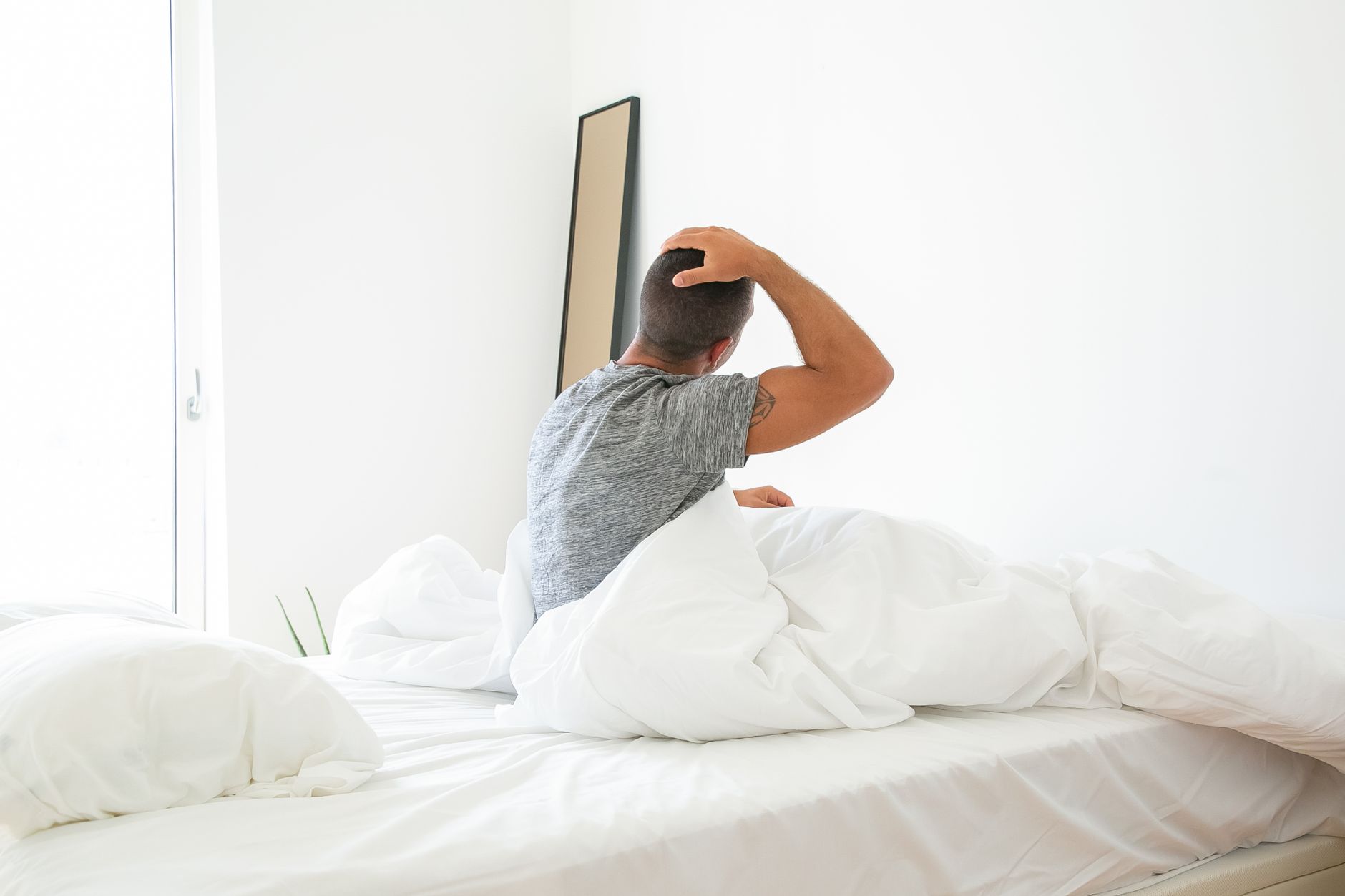
If you lie down tense and wired, a few minutes of gentle stretching can help signal to your body that the day is over. Bedtime stretches won’t replace good sleep habits, but they’re a calm, screen-free way to release tension and ease into rest — and research on gentle pre-sleep movement suggests it can genuinely improve sleep quality for many people. Here are 6 simple stretches, why they work, and how to make them a habit.
Why stretching before bed helps
Gentle, slow stretching nudges your nervous system out of “go” mode. By moving slowly and breathing deeply, you activate the parasympathetic (“rest and digest”) response — the same shift that lowers heart rate and prepares your body for sleep. It also releases the physical tension that builds up from a day of sitting and stress, and pulls your attention away from a racing mind and into your body. The key word is gentle: this is a wind-down, not a workout, so move slowly and never stretch into pain.
6 gentle bedtime stretches
1. Neck release
Sitting comfortably, slowly drop your right ear toward your right shoulder. Hold for 20–30 seconds, then switch sides. Great for releasing screen-and-desk tension.
2. Seated forward fold
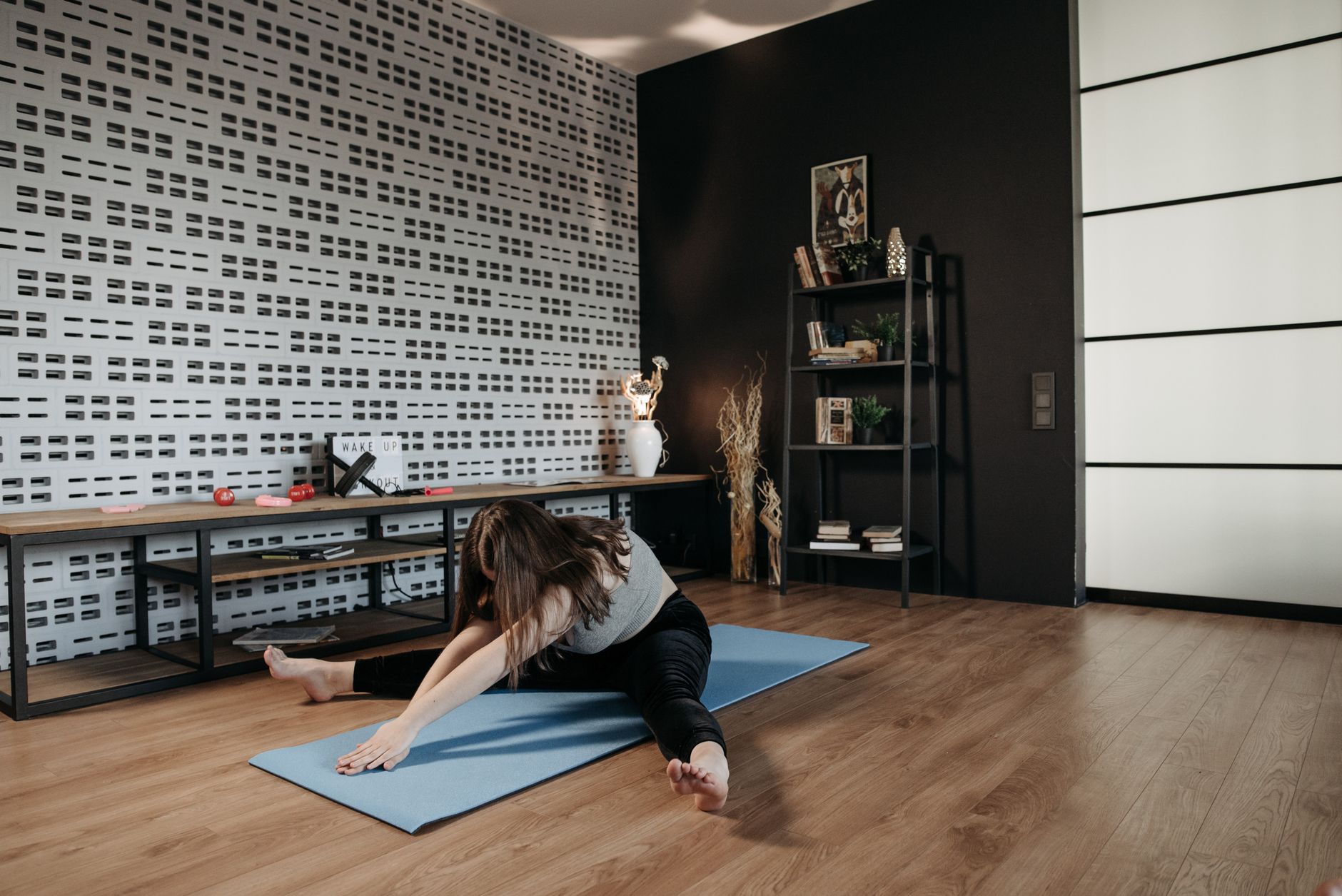
Sit with legs extended, hinge gently at the hips, and reach toward your feet. Let your head and neck relax. Breathe slowly for 30 seconds.
3. Child’s pose
Kneel and sit back on your heels, then fold forward with arms extended. A classic calming stretch for the back and hips. Hold for up to a minute.
4. Knees-to-chest
Lying on your back, gently hug both knees toward your chest. Rock slightly side to side to massage the lower back.
5. Lying spinal twist
On your back, drop both knees to one side while keeping shoulders down. Hold, breathe, then switch sides. Eases the lower back and hips.
6. Legs up the wall
Lie down and rest your legs up against a wall. This restful position helps you relax and slow your breathing before sleep.
The routine matters as much as the stretches
Part of why a bedtime stretch works isn’t just the physical release — it’s the ritual. Doing the same calm, screen-free sequence each night becomes a cue your brain learns to associate with sleep, the way a consistent routine helps a child settle. That’s why pairing the stretches with slow breathing and dim light amplifies the effect, and why consistency beats intensity.
💡 Tip: Pair the stretches with slow breathing — inhale for 4 seconds and exhale for 6. The long exhale helps activate your body’s “rest” mode and deepens the wind-down.
How to do it safely and make it a habit
| Do | Avoid |
|---|---|
| Move slowly and gently | Bouncing or forcing |
| Keep lights dim | Bright screens during |
| Breathe steadily | Holding your breath |
| Stop if anything hurts | Pushing into pain |
A simple 5-minute routine, done consistently, becomes a powerful “time to sleep” signal. If you’re pregnant, recovering from an injury, or have a back or joint condition, modify or skip any pose that doesn’t feel right, and check with a professional if unsure.
Stretching is one piece of better sleep
Stretching helps you relax, but it works best inside good overall sleep habits. Keeping consistent sleep and wake times, dimming lights and screens in the evening, getting daylight in the morning, and limiting late caffeine and alcohol all do heavy lifting. Think of bedtime stretches as one reliable signal in a wind-down routine — not a standalone cure for persistent insomnia, which deserves a proper look from a professional.
FAQ
Q. How long before bed should I stretch?
Anytime in the 30–60 minutes before bed works well, as part of winding down. Doing it at the same time each night strengthens the sleep association.
Q. Is stretching enough to fix insomnia?
It can help you relax, but it’s one piece. Consistent sleep and wake times, dim evening light, and limiting late caffeine matter too. Persistent insomnia is worth discussing with a doctor.
Q. Should stretching ever hurt?
No. Gentle tension is fine; pain is a signal to ease off. Back out of any stretch that pinches or sharpens.
Sources
⚠️ Medical disclaimer: This article is for general information only and is not a substitute for medical advice. If you have an injury, are pregnant, or have a medical condition, check with a healthcare professional before starting new stretches.




Leave a Reply