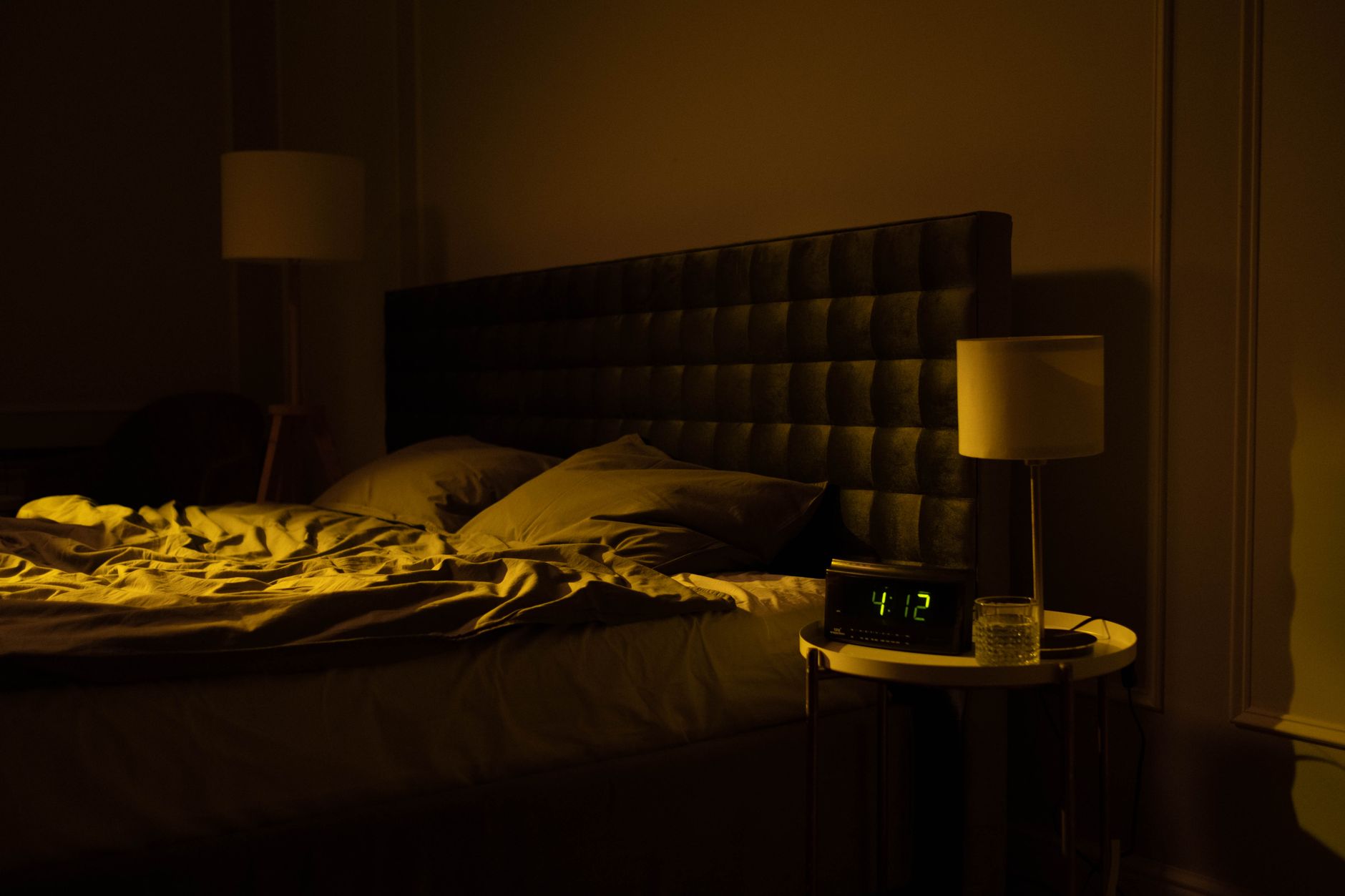
Waking up at roughly the same time every night — often around 3 AM — is a surprisingly common frustration. Usually it isn’t a sign of anything serious: it’s normal sleep architecture meeting one or two disruptors. Here’s what’s actually happening in your brain at that hour, why the thoughts feel so heavy, and how to get back to sleep.
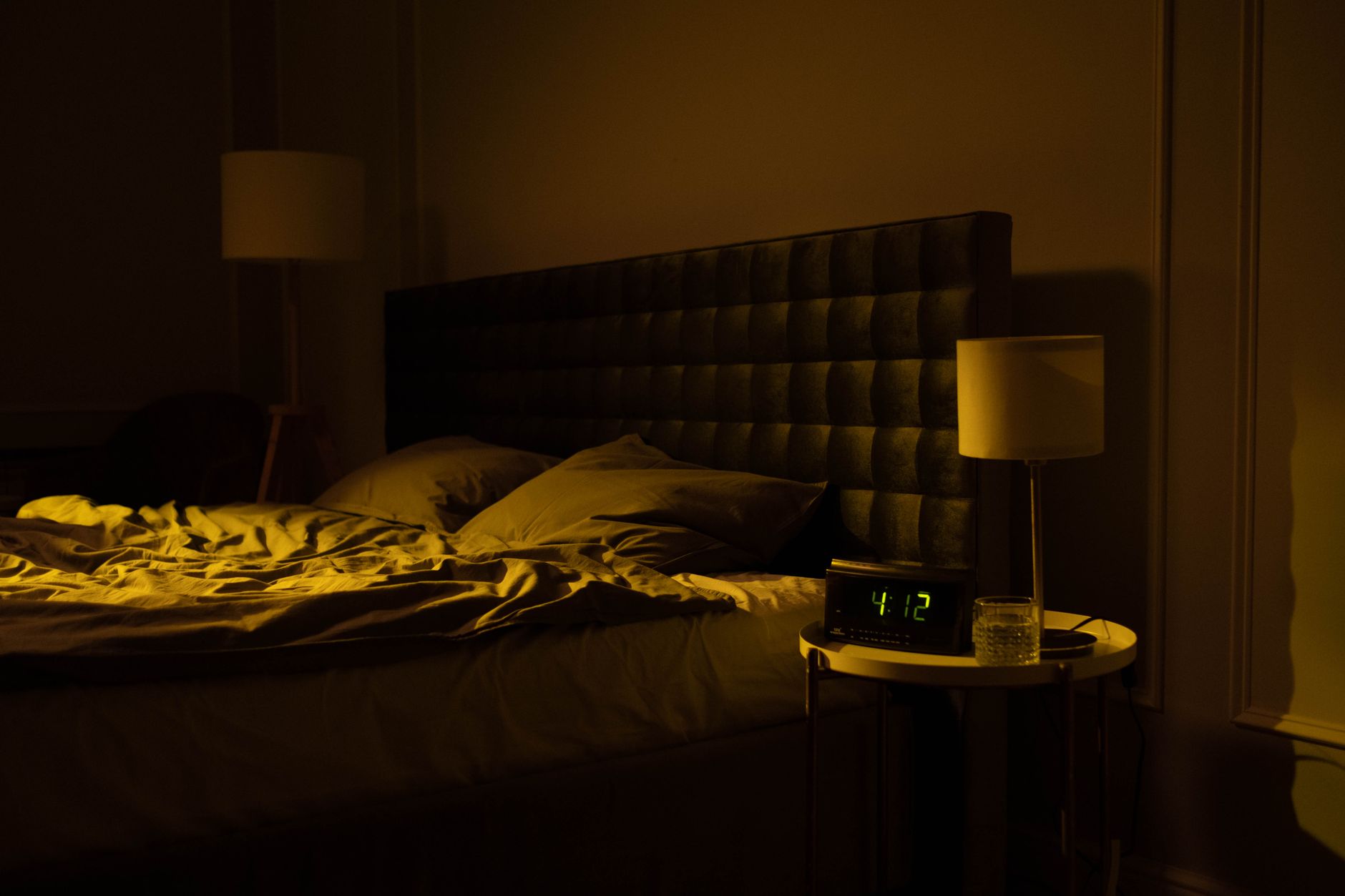
First, some reassurance
Brief awakenings throughout the night are completely normal. But there’s a reason 3 AM is a common time: your sleep isn’t uniform. The first half of the night is rich in deep sleep, while the second half shifts toward lighter sleep and more dreaming — so you naturally surface more easily in the early hours. Your body also begins its cortisol rise before dawn to prepare for waking, which adds a nudge toward alertness. Put together, light sleep plus rising cortisol means a small disturbance is far more likely to fully wake you at 3 AM than at 11 PM. The real problem isn’t waking up — it’s struggling to fall back asleep.
Common reasons you wake at 3 AM
- Stress and an active mind — elevated stress hormones nudge you awake, and a racing mind keeps you up
- Alcohol in the evening — it helps you fall asleep but disrupts the second half of the night as it wears off
- A full bladder — drinking too much late leads to bathroom trips that fully wake you
- Room temperature and light — a too-warm room or early light/noise pulls you out of light sleep
- Blood sugar dips — for some people, going to bed hungry contributes to night waking
Why 3 AM thoughts feel so dark
If your worries seem overwhelming at 3 AM but manageable by morning, that’s not your imagination. A half-asleep, sleep-deprived brain leans toward negative, catastrophic thinking, and the dark, silent, distraction-free environment gives those thoughts nowhere to go but louder. Combined with that early-hours cortisol rise, it’s a near-perfect setup for rumination. Knowing this is itself useful: the 3 AM version of a problem is almost always exaggerated, and it will look smaller in daylight.
How to sleep through the night
- Keep a consistent wake time to stabilize your sleep rhythm
- Limit alcohol and large drinks in the last few hours before bed
- Keep the room cool, dark, and quiet (earplugs, blackout curtains)
- Don’t check the clock — it fuels the anxiety of being awake and feeds the habit
- If you’re awake more than about 20 minutes, get out of bed, do something calm in dim light, and return only when sleepy
That last rule comes from CBT-I (cognitive behavioral therapy for insomnia), the gold-standard treatment. The logic: lying in bed frustrated trains your brain to associate the bed with being awake. Getting up breaks that learned link, so the bed stays a cue for sleep.
💡 Tip: The harder you “try” to fall back asleep, the more alert you become. Aim to relax rather than force sleep — slow breathing with a long exhale helps shift your body toward rest.
When to see a doctor
Most night waking is harmless, but talk to a professional if it’s frequent and leaves you exhausted, if you snore heavily or wake gasping or choking (possible sleep apnea), or if anxiety or low mood is disrupting your sleep over several weeks. For ongoing insomnia, CBT-I is more effective and longer-lasting than sleeping pills, and a doctor can point you to it.
FAQ
Q. Why is it always the same time?
Your sleep cycles are fairly regular and your cortisol rises on a schedule, so you tend to surface at similar points each night. Habit and clock-watching reinforce it.
Q. Should I eat something if I wake up?
A small snack helps some people who go to bed hungry, but eating a lot can wake you further and isn’t a good habit. Experiment cautiously.
Q. Is waking at night a sign of a serious problem?
Usually not. But persistent, exhausting awakenings — especially with loud snoring or breathing pauses — are worth discussing with a doctor, as they can signal sleep apnea.
Sources
⚠️ Medical disclaimer: This article is for general information only and is not a substitute for medical advice. If sleep problems persist or you suspect sleep apnea, consult a healthcare professional.




Leave a Reply