Category: Mental Health

  • How to Manage Stress and Cortisol Naturally

    How to Manage Stress and Cortisol Naturally

    “Lower your cortisol” is everywhere online — but cortisol isn’t the enemy. It’s a normal hormone you actually need. The goal isn’t zero stress; it’s helping your body switch out of “alert” mode more easily. Here’s what cortisol really does and the everyday habits that help.

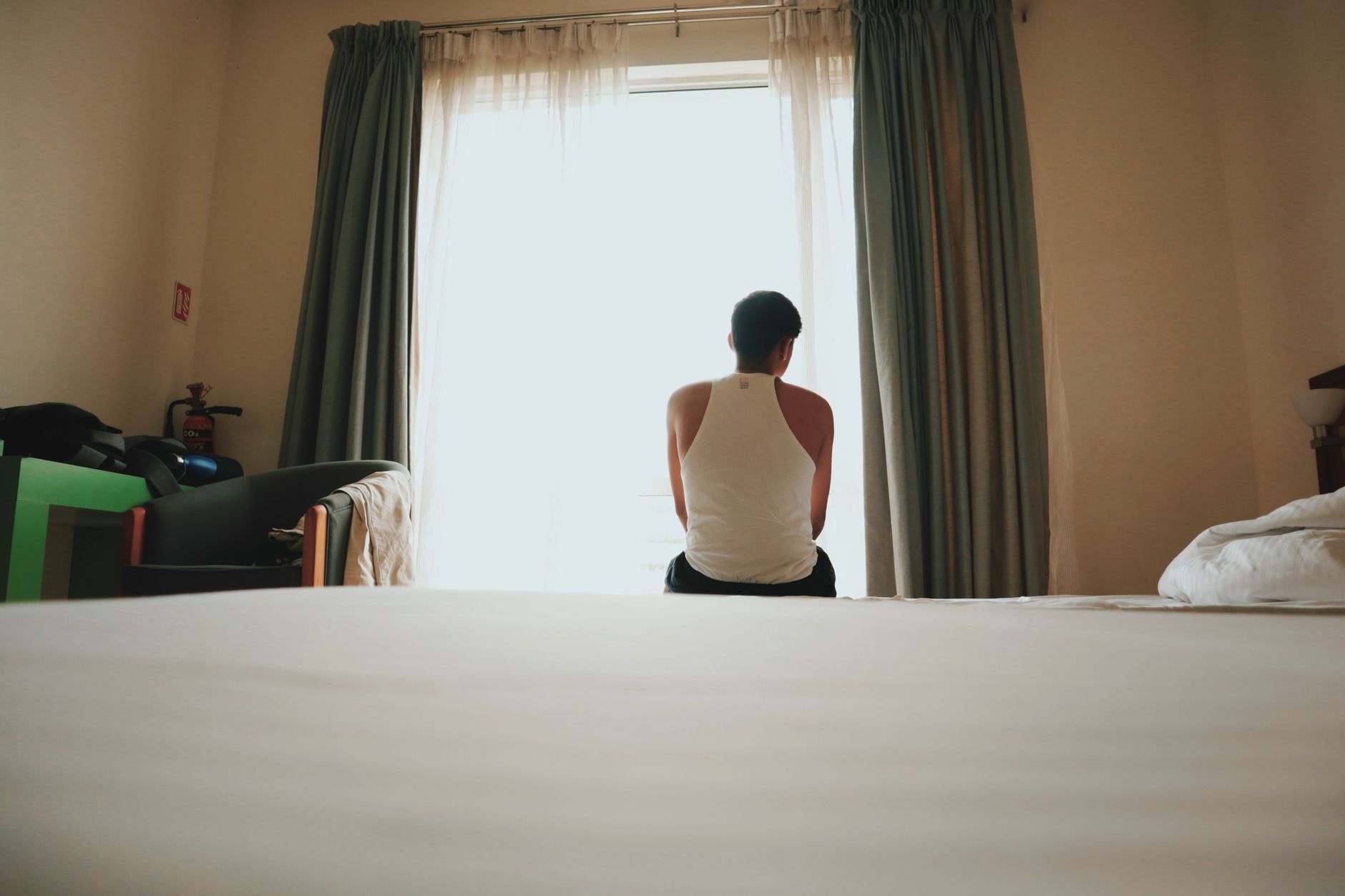
    A man enjoys outdoor relaxation and mindfulness beneath a bright, cloudy sky, exuding calm and peace.
    Slow breathing and time outdoors are simple ways to dial down the stress response (사진: Kelvin Valerio / Pexels)

    What cortisol actually does

    Cortisol is your main stress hormone, released by the adrenal glands. It’s helpful and necessary:

    • Wakes you up in the morning (it naturally peaks early)
    • Releases energy when you need it
    • Helps manage inflammation and blood pressure

    Problems come from chronic stress — when the “on” switch rarely gets a break. The aim is balance, not elimination.

    Signs stress may be running high

    ⚠️ These are general signs, not a diagnosis. Persistent symptoms deserve a doctor’s review.

    • Trouble falling or staying asleep
    • Feeling “wired but tired”
    • Cravings, especially for sugar
    • Irritability or trouble concentrating
    • Tense shoulders, headaches, upset stomach

    Daily habits that help

    No single trick resets your stress. These small, repeatable habits do the real work.

    Habit Why it helps
    Slow breathing Activates the body’s “rest” response
    Regular sleep schedule Supports natural cortisol rhythm
    Movement & walks Burns off stress chemistry; outdoors is a bonus
    Less late caffeine Caffeine can keep stress signals elevated
    Connection & downtime Social support buffers stress

    💡 Tip: Try a simple breathing pattern — inhale 4 seconds, exhale 6 seconds, for a couple of minutes. A longer exhale nudges your body toward calm.

    Watch the stress amplifiers

    Some everyday things quietly keep stress high: doom-scrolling before bed, skipping meals, too much alcohol, and a packed schedule with no buffer. You don’t need to fix them all — pick one to ease this week.

    What about “cortisol-lowering” supplements?

    You’ll see ashwagandha, magnesium, and others marketed for stress. Evidence is mixed and quality varies, and supplements can interact with medications. Foundations — sleep, movement, breathing, connection — matter more and cost nothing.

    ⚠️ Talk to a healthcare professional before starting any supplement, especially if you take medication or are pregnant.

    When to seek help

    Stress that won’t lift, panic, or feeling unable to cope are worth talking to a professional about. Persistent anxiety or low mood is treatable — reaching out is a strength, not a weakness.

    FAQ

    Can I lower cortisol quickly?
    A few minutes of slow breathing or a short walk can ease the moment. Lasting change comes from steady habits like sleep, movement, and downtime.

    Does cortisol cause weight gain?
    Chronic stress can influence appetite and where the body stores fat, but weight is shaped by many factors. Cortisol alone isn’t the whole story.

    Is high cortisol a medical condition?
    Usually it reflects everyday stress. Rarely, very high cortisol has a medical cause (such as Cushing’s syndrome), which a doctor can test for.


    Sources

    • U.S. National Institute of Mental Health (NIMH) — stress and coping
    • American Psychological Association — stress management guidance

    ⚠️ Medical disclaimer: This article is for general information only and is not a substitute for medical or mental-health care. If you’re struggling, please consult a qualified professional.

  • What Is Burnout? Signs and How to Recover

    What Is Burnout? Signs and How to Recover

    Burnout isn’t just a bad week — it’s a state of chronic exhaustion that builds when stress goes unmanaged for too long. It’s increasingly common, and recognizing it early makes recovery much easier. Here’s what burnout looks like and how to climb out of it.

    Tired woman resting head on arms at desk with laptop, showing fatigue in modern office.
    Burnout is chronic, unmanaged stress — not just ordinary tiredness (사진: www.kaboompics.com / Pexels)

    What is burnout?

    Burnout is often described as having three core features:

    • Exhaustion — drained, depleted, no energy
    • Cynicism or detachment — feeling distant or negative about work/life
    • Reduced effectiveness — feeling unproductive or that nothing you do matters

    While most associated with work, burnout can come from caregiving, study, or any prolonged demand.

    Warning signs

    • Constant fatigue that rest doesn’t fix
    • Dreading tasks you once managed fine
    • Irritability, cynicism, or emotional numbness
    • Trouble concentrating
    • Physical symptoms: headaches, disrupted sleep, frequent illness
    • Withdrawing from people and activities

    What causes it

    Driver Example
    Chronic overload Too much, for too long, with no recovery
    Lack of control Little say over how you work
    Insufficient reward Effort goes unrecognized
    Unclear expectations Constant ambiguity and pressure
    No boundaries Work bleeds into all hours

    How to recover

    1. Acknowledge it

    Naming burnout is the first step. Pushing harder usually makes it worse.

    2. Rest — really rest

    Prioritize sleep and genuine downtime, not just collapsing in front of a screen.

    3. Set boundaries

    Protect off-hours. Learn to say no, and create clear stop times.

    4. Reconnect with basics

    Movement, daylight, nutrition, and social connection rebuild your baseline.

    5. Address the source

    Recovery sticks only if the underlying demands change. Talk to a manager, redistribute load, or get support.

    💡 Tip: Recovery isn’t a single weekend off — it’s restoring sustainable balance. Small, consistent changes beat one dramatic reset.

    When to get help

    If you feel persistently hopeless, can’t function, or are struggling with your mental health, reach out to a healthcare professional. Burnout can overlap with depression and deserves proper support.

    FAQ

    Q. Is burnout the same as depression?
    No, though they can overlap and share symptoms. Persistent low mood or hopelessness warrants professional evaluation.

    Q. How long does recovery take?
    It varies — weeks to months — and depends on addressing the causes, not just resting briefly.

    Q. Can I recover without quitting my job?
    Often yes, by changing workload, boundaries, and support. But the underlying drivers must be addressed.


    Sources

    • World Health Organization — Burn-out as an occupational phenomenon
    • American Psychological Association — Stress and burnout

    ⚠️ Medical disclaimer: This article is for general information only and is not a substitute for professional mental health care. If you’re struggling, please reach out to a qualified professional.

  • 5 Simple Breathing Exercises to Calm Anxiety in Minutes

    5 Simple Breathing Exercises to Calm Anxiety in Minutes

    When anxiety hits, your breathing gets fast and shallow — which signals “danger” to your body and fuels the cycle. The good news: you can reverse it. Slow, deliberate breathing activates your body’s “rest and digest” response. Here are 5 simple techniques you can use anywhere, in minutes.

    Side profile of a woman enjoying the sun outdoors, exuding calmness and confidence.
    Slowing your breath is one of the fastest ways to calm the nervous system (사진: Laura Garcia / Pexels)

    Why breathing works

    Slow breathing — especially a longer exhale — stimulates the vagus nerve and shifts your nervous system out of “fight or flight.” Your heart rate slows, and your mind tends to follow.

    5 breathing exercises to try

    1. 4-7-8 breathing

    Inhale through the nose for 4 seconds, hold for 7, exhale slowly through the mouth for 8. Repeat 4 times. Great for winding down.

    2. Box breathing

    Inhale 4, hold 4, exhale 4, hold 4 — like tracing a square. Used by athletes and first responders to stay calm under pressure.

    3. Extended exhale

    Simply make your exhale longer than your inhale (e.g., in for 4, out for 6). The long exhale is the key calming signal.

    4. Diaphragmatic (belly) breathing

    Place a hand on your belly and breathe so it rises more than your chest. Slow, deep belly breaths counter shallow anxious breathing.

    5. Physiological sigh

    Take a normal inhale, then a second small “top-up” inhale, followed by a long, slow exhale. Two or three rounds can quickly take the edge off.

    💡 Tip: Practice when you’re calm, so the technique feels familiar when you actually need it.

    Quick comparison

    Technique Best for
    4-7-8 Winding down, sleep
    Box breathing Staying steady under pressure
    Physiological sigh Fast in-the-moment relief

    When to seek more support

    Breathing helps in the moment, but if anxiety is frequent, intense, or interfering with daily life, talk to a healthcare professional. Effective treatments and support are available.

    FAQ

    Q. How fast does breathing calm anxiety?
    Many people feel some relief within a minute or two. It won’t erase anxiety, but it lowers the physical intensity.

    Q. Can I do these anywhere?
    Yes — most are invisible to others, so you can use them at work, on transit, or before a stressful event.

    Q. What if focusing on breath makes me more anxious?
    That happens for some people. Try a gentle technique like the extended exhale, or pair it with a grounding activity like walking.


    Sources

    • American Psychological Association — Stress and relaxation techniques
    • Harvard Health — Relaxation techniques and breath control

    ⚠️ Medical disclaimer: This article is for general information only and is not a substitute for professional mental health care. If anxiety is severe or persistent, please consult a qualified professional.