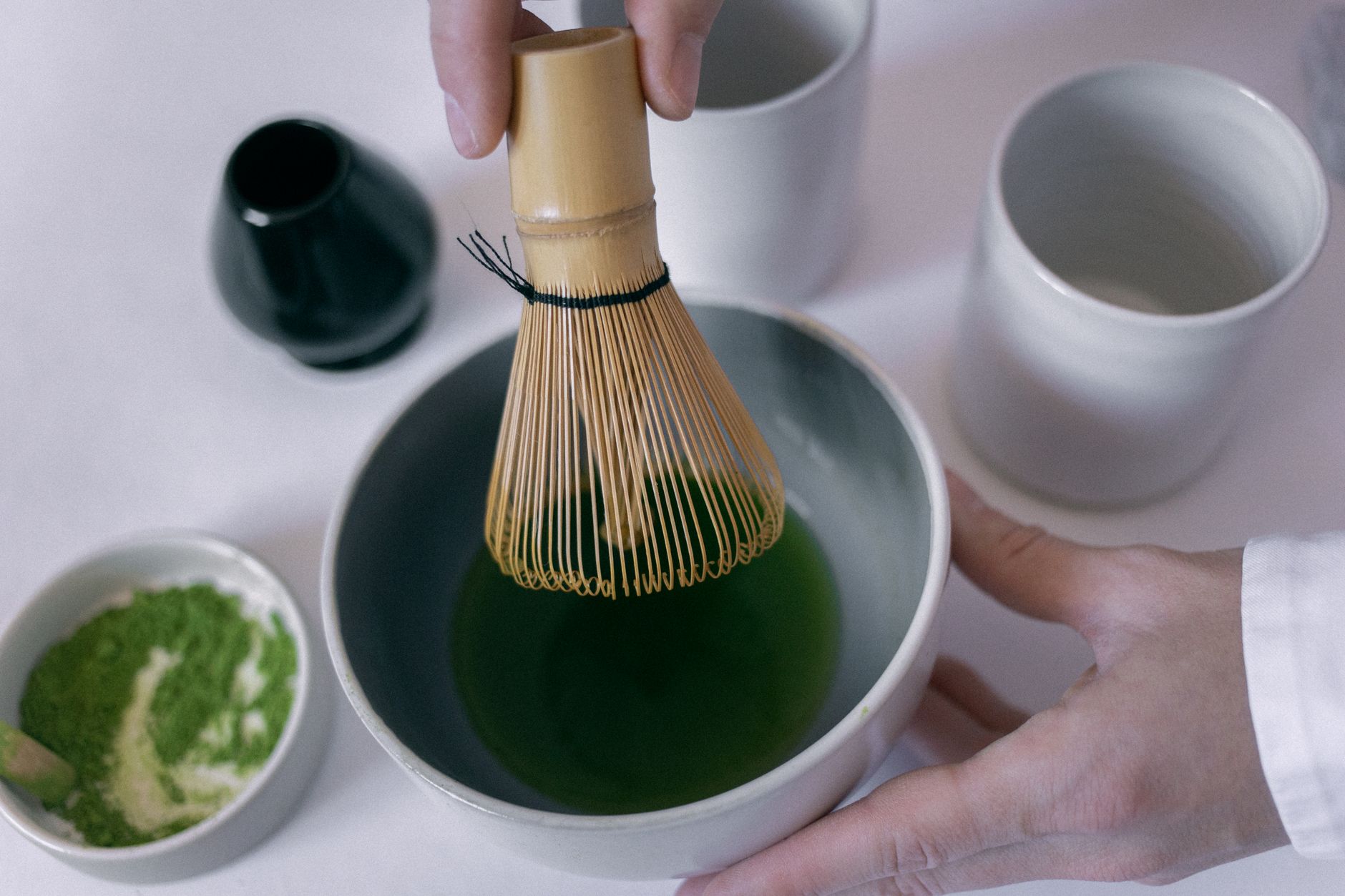
Matcha has gone from niche to everywhere — in lattes, smoothies, and “focus” drinks marketed as a calmer alternative to coffee. Some of the hype is earned: green tea is one of the most studied beverages on the planet, and a few of its benefits hold up well in human trials. But the metabolism-boosting, fat-melting claims are mostly wishful thinking. Here’s what matcha and green tea actually do, how much caffeine you’re getting, and the cautions that rarely make it onto the menu board.
What makes green tea — and matcha — different
Green tea is barely processed, which is why it keeps its high level of catechins — a family of plant antioxidants. The most abundant and most studied is EGCG (epigallocatechin gallate), the compound behind most of green tea’s researched effects.
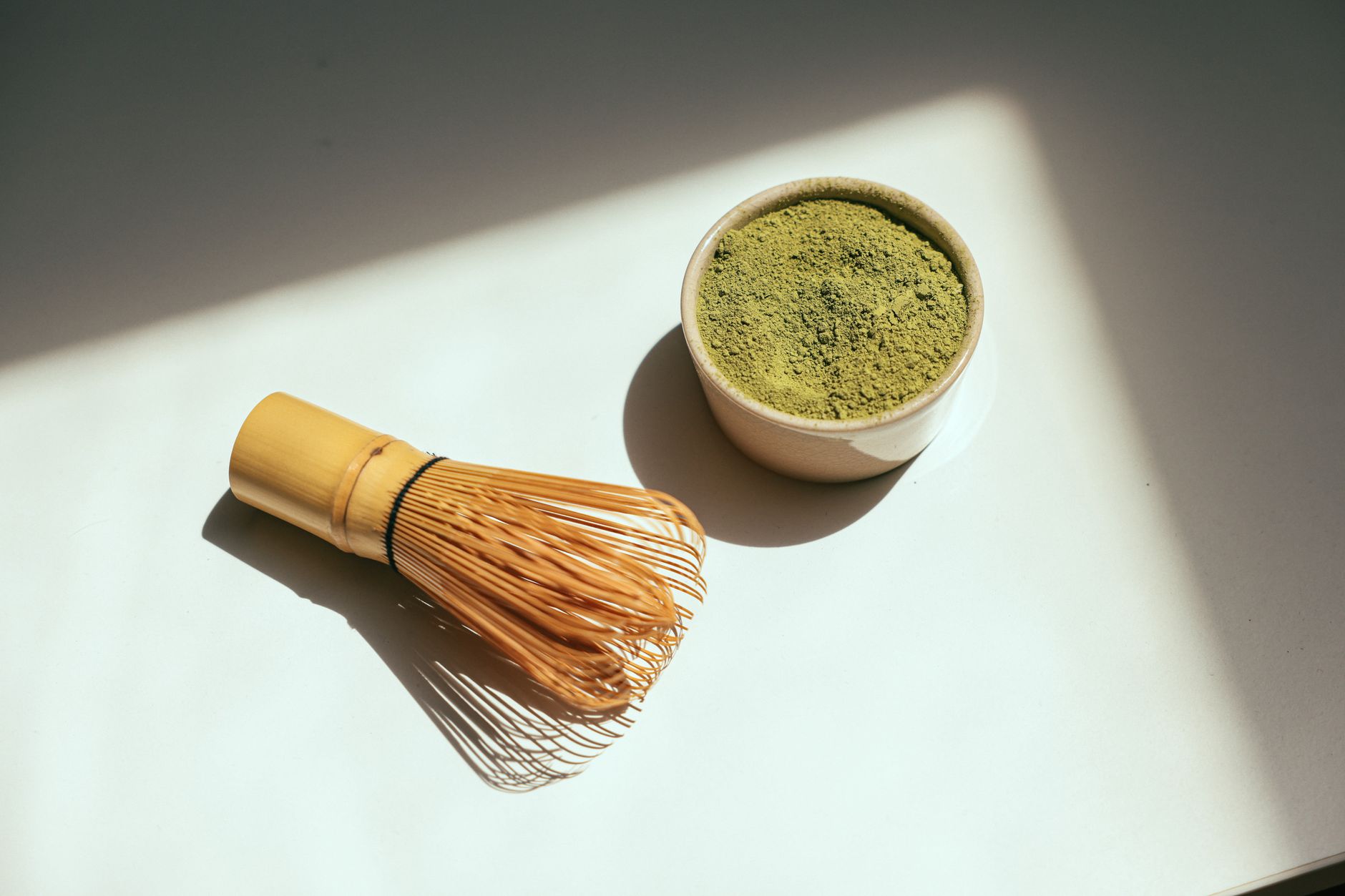
Matcha takes it a step further. The leaves are shade-grown, then ground into a fine powder that you whisk into water and drink whole. Because you consume the entire leaf rather than steeping and discarding it, a serving of matcha delivers more catechins, more L-theanine, and more caffeine than a typical cup of brewed green tea.
The benefits that hold up — and the one that’s oversold
The strongest human evidence is for heart and metabolic markers. Meta-analyses of randomized trials show green tea modestly lowers blood pressure — roughly 2 mmHg systolic and 1.7 mmHg diastolic — and reduces total and LDL cholesterol by around 5–8%. These are small effects, but they’re real and consistent.
For the brain, the picture is gentler. A 2024 PLOS One randomized trial gave older adults with mild cognitive decline matcha daily for 12 months and saw modest benefits to sleep and social cognition — promising, but not dramatic.
Here’s the part the marketing gets wrong: green tea is not a meaningful weight-loss or “fat-burning” tool, and the strong standalone claims for EGCG (curing cancer, sharply boosting metabolism) aren’t supported in humans. Treat matcha as a pleasant, antioxidant-rich drink with mild heart benefits — not a metabolism hack.
Caffeine and L-theanine: the “calm focus” combo
The reason matcha feels different from coffee comes down to two compounds working together.
- Caffeine. A cup of matcha has roughly 38–88 mg of caffeine (often around 70 mg), compared with about 95 mg in a cup of coffee.
- L-theanine. This amino acid, concentrated in green tea, promotes a relaxed-but-alert state and appears to take the edge off caffeine’s jitter.
Together they tend to produce a smoother, steadier alertness — the “calm focus” matcha is known for. Worth knowing: this effect comes from the caffeine-plus-theanine pairing, not from EGCG, so don’t expect plain green tea extract pills to do the same thing.
How much, and when to drink it
For most people, 1 to 3 cups a day is a sensible, well-tolerated range.
- Mind the timing. Caffeine has a half-life of about 5 hours, so an afternoon matcha can still disrupt sleep. Keep it to the morning or early afternoon if you’re sensitive.
- Brew it gently. Water that’s too hot makes green tea bitter; slightly cooled water gives a smoother cup.
- Between meals if your iron is low (more on that below).
💡 Tip: If you love matcha for focus, that’s the caffeine-and-theanine combo at work — a real effect. Just don’t reach for concentrated green tea extract supplements expecting the same thing; that’s where the safety concerns start.
Iron, the liver, and who should be cautious
Drinking green tea or matcha is safe for the vast majority of people. Two caveats are worth knowing:
- Iron absorption. The catechins and tannins in tea can block absorption of non-heme (plant) iron. If you’re prone to iron deficiency, drink tea between meals rather than with them, and pair iron-rich foods with vitamin C.
- The liver — but only with extracts. Drinking tea, even at high intakes, hasn’t been linked to liver harm. The rare cases of liver injury are tied to high-dose green tea extract supplements (around 800 mg of EGCG or more, especially on an empty stomach), which is exactly why the weight-loss pills are riskier than the drink.
Be more careful — and consider limiting or checking with a doctor — if you:
| Group | Why |
|---|---|
| Have iron deficiency or anemia | Tea blocks non-heme iron; drink it between meals |
| Are pregnant | Cap caffeine at ~200 mg/day; very high catechin intakes aren’t advised |
| Are caffeine-sensitive or have insomnia or anxiety | Even matcha’s moderate caffeine can be too much |
| Take certain medications | Caffeine and catechins can interact — ask a pharmacist |
| Use green tea extract supplements | High-dose EGCG is the real liver concern, not the drink |
The simplest takeaway: enjoy the tea, skip the concentrated extract pills.
FAQ
Q. Is matcha better for you than regular green tea?
Per serving, matcha delivers more catechins, theanine, and caffeine because you drink the whole powdered leaf. That can mean a bigger antioxidant and focus hit — but also more caffeine, so it’s not automatically “better” for everyone. Both are healthy choices.
Q. Will green tea help me lose weight?
Don’t count on it. Despite the marketing, the weight-loss effect in human studies is small to negligible. Green tea is a healthy, low-calorie drink, but it won’t melt fat on its own — diet and activity do the heavy lifting.
Q. How much matcha is too much?
The usual limit is caffeine, not the tea itself. For most adults, staying under about 400 mg of caffeine a day (roughly the amount in several cups) is fine; pregnant people should stay under 200 mg. The bigger caution is high-dose green tea extract supplements, not the drink.
Sources
- Harvard T.H. Chan School of Public Health — Tea
- NIH National Center for Complementary and Integrative Health — Green Tea
⚠️ Medical disclaimer: This article is for general information only and is not a substitute for medical advice. If you are pregnant, have a health condition, take medication, or are considering green tea extract supplements, talk to a healthcare professional first.


Leave a Reply