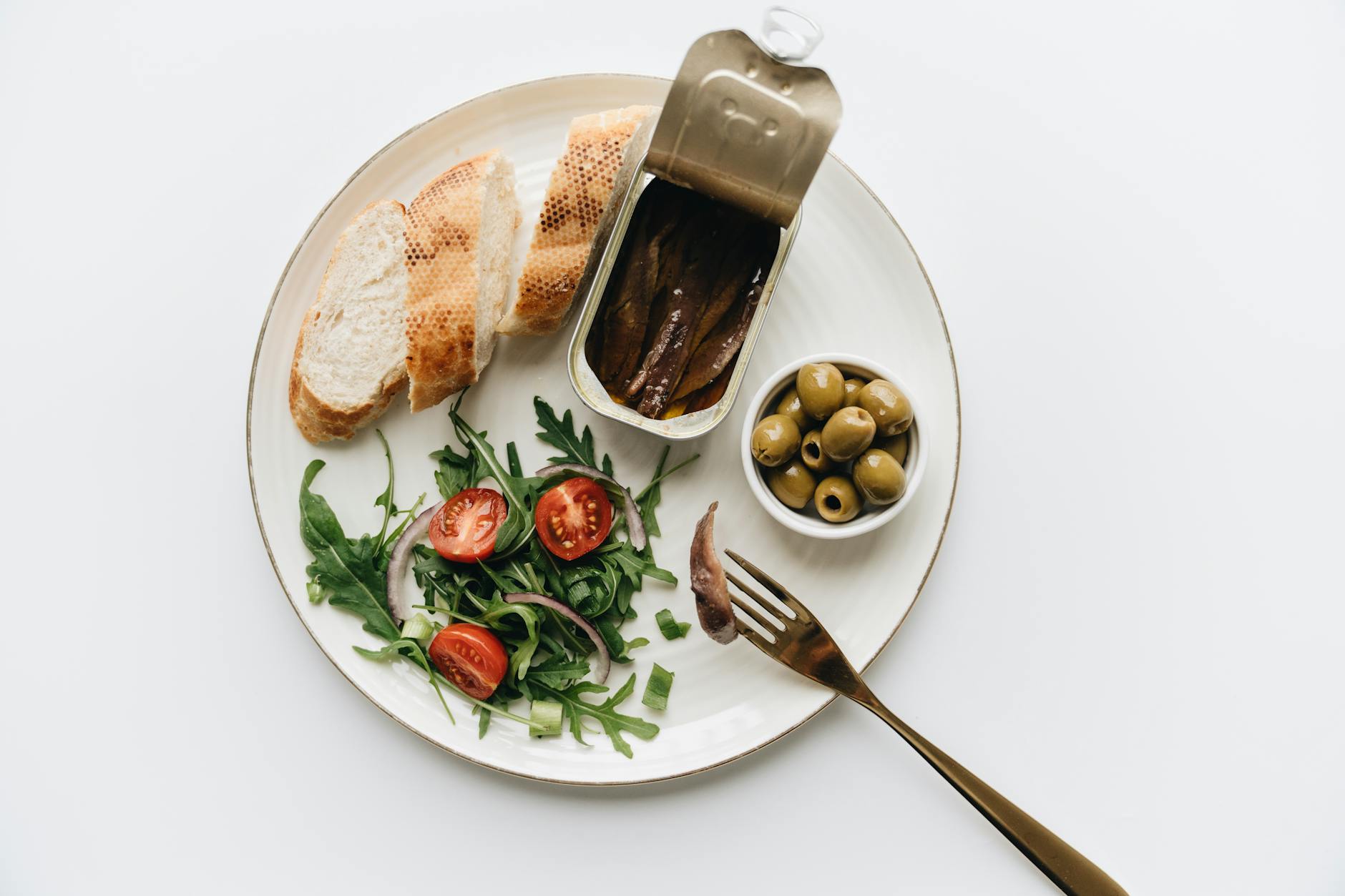
“Anti-inflammatory” is on every food label and feed in 2026. Some of it is hype — but the core idea is real and well studied. Here’s what inflammation actually is, what the strongest trial evidence shows, which foods genuinely help, and where the claims outrun the science.
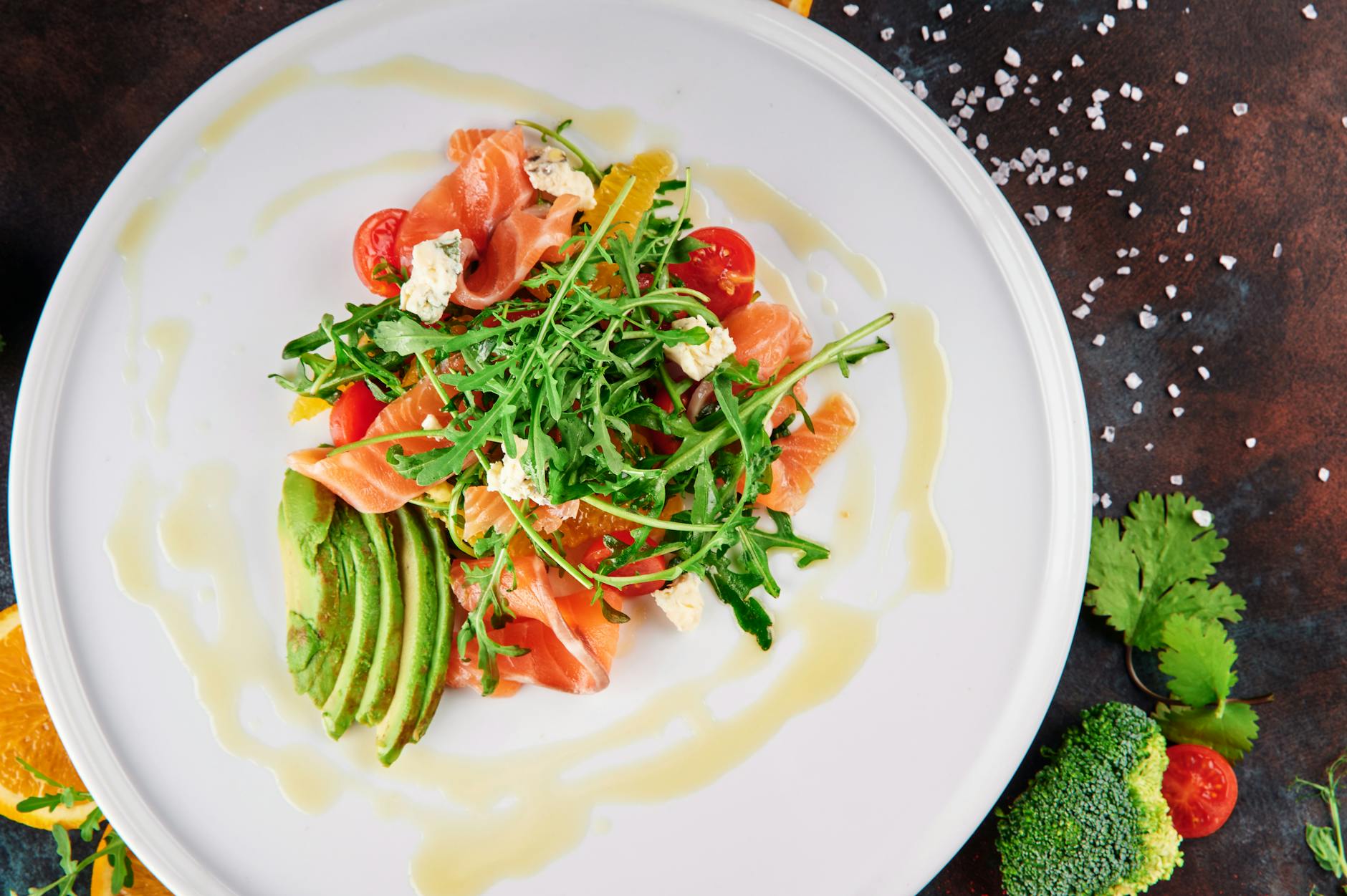
What “inflammation” actually means
Inflammation isn’t the enemy. Acute inflammation is your immune system working — the heat and redness around a cut, the fever that fights an infection. Suppressing it would be a bad idea.
The concern is chronic, low-grade inflammation: a signal that stays switched on for years at a level too low to feel. It is associated with cardiovascular disease, type 2 diabetes, and several other chronic conditions, and it tends to rise with age — sometimes called “inflammaging.”
It can be measured. The usual marker is high-sensitivity C-reactive protein (hs-CRP), and cardiology has used rough bands for years:
| hs-CRP | Conventional interpretation |
|---|---|
| Under 1 mg/L | Lower cardiovascular risk |
| 1–3 mg/L | Average risk |
| Above 3 mg/L | Higher risk |
| Above 10 mg/L | Usually acute infection or injury — repeat before interpreting |
These bands describe populations, not verdicts on an individual, and hs-CRP moves for many reasons that have nothing to do with diet. It is not a test to order on your own and interpret from a blog.
What the strongest evidence actually shows
The best trial in this area is PREDIMED: 7,447 adults in Spain at high cardiovascular risk, randomised to a Mediterranean diet supplemented with extra-virgin olive oil, the same diet with mixed nuts, or a control low-fat diet, and followed for a median of 4.8 years. The olive oil arm saw roughly a 31% relative reduction in the combined rate of heart attack, stroke, and cardiovascular death; the nut arm about 28%.
Two things should be said about that number rather than left out:
- The trial was retracted and republished. The 2013 paper was withdrawn in 2018 after irregularities in how some participants were randomised, then reanalysed and republished in the New England Journal of Medicine. The conclusions survived the reanalysis — but anyone citing PREDIMED should know it has that history.
- “31%” is relative, in a high-risk group. Participants were older adults who already had diabetes or several risk factors. A relative reduction of that size translates to a much smaller absolute change, and the result cannot be assumed to transfer unchanged to a healthy 30-year-old.
What PREDIMED supports well is the pattern. It does not show that any single food is anti-inflammatory.
Why food affects inflammation at all
Much of the effect appears to run through the gut. Fiber and plant polyphenols feed bacteria that ferment them into short-chain fatty acids, which support the intestinal barrier; a diet dominated by ultra-processed food tends to do the opposite. Omega-3 fats from oily fish are also incorporated into cell membranes, where they give rise to less inflammatory signalling molecules than the fats they displace.
Markers such as CRP can shift within about 4 to 8 weeks of consistent change. That is a real effect and a modest one.
Foods that help
| Food | Why it helps | A useful amount |
|---|---|---|
| Oily fish (salmon, sardines, mackerel) | EPA and DHA omega-3 fats | 2 servings a week (AHA) |
| Extra-virgin olive oil | Monounsaturated fat plus polyphenols; the PREDIMED arm with the largest effect | Used as the main cooking and dressing fat |
| Berries and colourful fruit | Polyphenols | Most days |
| Leafy greens and vegetables | Fiber, folate, plant compounds | Something green at most meals |
| Nuts | The other PREDIMED arm | About 30 g a day |
| Beans, lentils, whole grains | Fermentable fiber | Daily if tolerated |
| Herbs and spices | Under study; turmeric has the most data | Culinary amounts |
On turmeric specifically: culinary amounts in food are not the same as the doses used in trials, and curcumin is poorly absorbed on its own. That distinction is covered in the turmeric article.
It’s the pattern, not a “superfood”
No single food cancels out inflammation — not turmeric, not blueberries, not celery juice. Every trial that has shown something meaningful tested an eating pattern sustained for years. Adding a golden latte to an otherwise unchanged diet is not the intervention that was studied.
Foods that push the other way
- Ultra-processed foods and sugary drinks
- Refined carbohydrate and added sugar
- Processed meats
- Excess alcohol and trans fats
The goal is to lean away from these most of the time. One meal does not undo a pattern, in either direction.
Start simple
- Use olive oil instead of butter
- Eat fish a couple of times a week
- Make fruit your usual dessert
- Choose water or tea over soda
- Add one vegetable to each meal
💡 Tip: Change one thing this week and let it stick before adding the next. Small lasting swaps beat a strict plan you drop in a month.
Who should be cautious
- Anyone on anticoagulants or antiplatelets. High-dose fish oil and turmeric supplements (not food amounts) can add to bleeding risk. Tell your prescriber before starting either.
- Autoimmune and inflammatory disease. Diet may support treatment for rheumatoid arthritis, IBD, or psoriasis. It does not replace it, and stopping medication in favour of an eating plan is how people lose function.
- Pregnancy. Oily fish is encouraged, but limit high-mercury species — swordfish, king mackerel, shark, tilefish — and follow local advice on amounts.
- Irritable bowel syndrome. Beans, lentils, onions, and garlic are common triggers. See the gut article for the FODMAP problem.
- Anyone told their CRP is raised. That finding needs a cause investigated, not a diet plan applied over the top of it.
What to expect
Markers may improve over 4 to 8 weeks; the cardiovascular benefits in PREDIMED accrued over years. This is supportive eating, not treatment for any disease. If you have a chronic condition or raised markers, work with a clinician — an anti-inflammatory pattern complements care, it does not substitute for it.
FAQ
Q. Is there one best anti-inflammatory food?
No. Every meaningful trial tested a pattern sustained over years, not a single food. A varied Mediterranean-style way of eating beats chasing any one “superfood.”
Q. How fast does it work?
Inflammatory markers can shift within roughly 4–8 weeks of consistent change. The hard cardiovascular outcomes in PREDIMED took a median of 4.8 years to separate. Steady habits, not a detox.
Q. Should I get my CRP tested to track this?
Not on your own initiative. hs-CRP rises with infection, injury, obesity, and smoking, so a single number is hard to interpret without context, and a mildly raised result is more likely to cause anxiety than to change what you should eat.
Q. Do I need supplements — fish oil, curcumin, omega-3?
Food first. Supplement trials for inflammation have been far less consistent than the dietary pattern evidence, and the two above interact with blood thinners. If you rarely eat fish, that is worth discussing with a clinician rather than self-prescribing.
Sources
- Estruch et al., NEJM 2018 — Primary Prevention of Cardiovascular Disease with a Mediterranean Diet (PREDIMED, republished)
- Harvard T.H. Chan School of Public Health — PREDIMED study retraction and republication
- Harvard Health — Foods that fight inflammation
- Cleveland Clinic — C-reactive protein (CRP) test
- MedlinePlus (NIH) — C-reactive protein (CRP) test
⚠️ Medical disclaimer: This article is for general information only and is not a substitute for medical advice. Talk to a healthcare professional about your own situation.

Leave a Reply