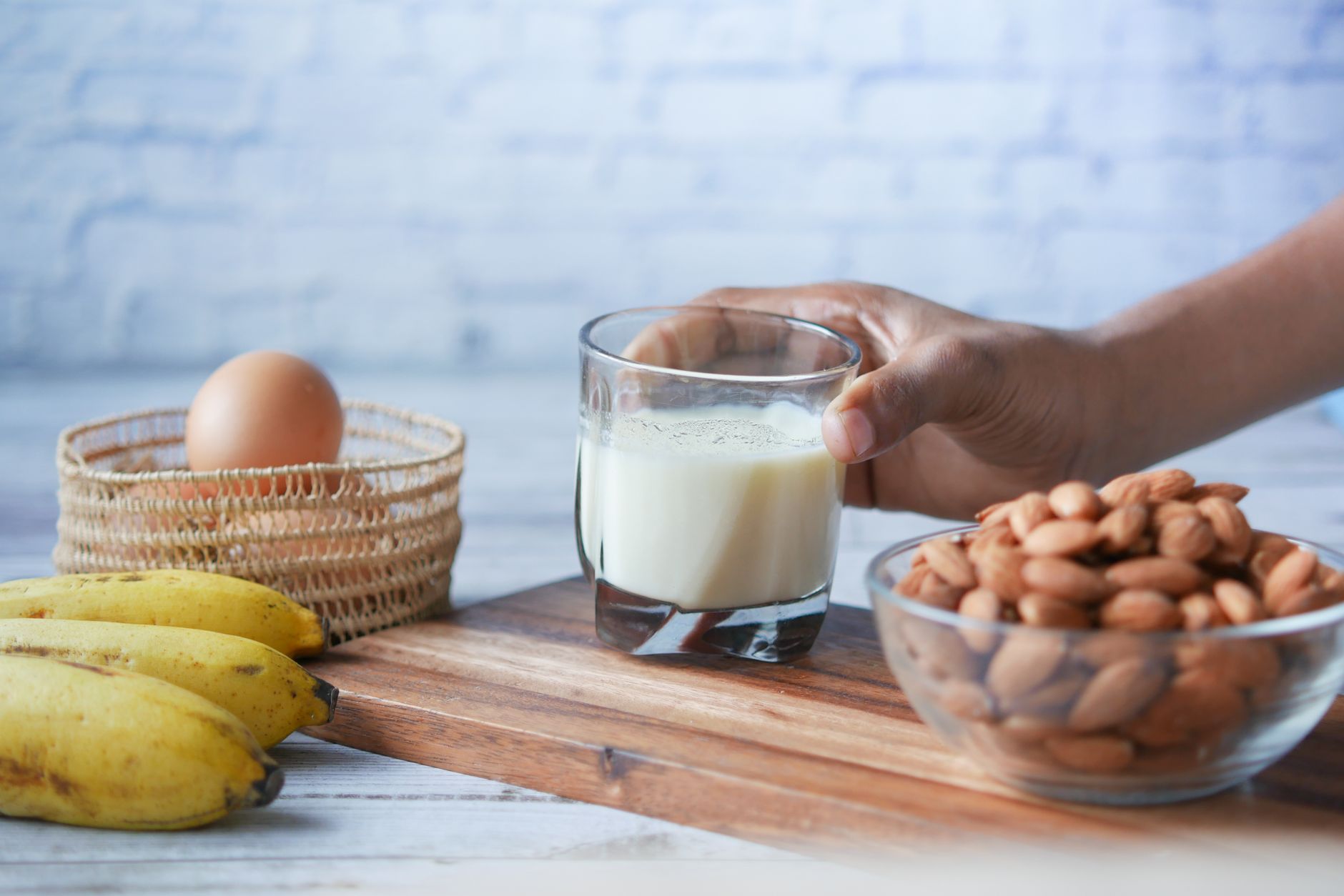
Bone health rarely gets attention until something breaks. But bone is living tissue that is rebuilt continuously, and the inputs that protect it — a few nutrients and the right kind of loading — are unglamorous and well established. Here is what the numbers actually are, and which parts of the popular advice are weaker than they sound.
Bone is alive, and on a schedule
Your skeleton is constantly demolished and rebuilt by two cell types working against each other. Until your late twenties, building outpaces breakdown and you accumulate peak bone mass — the reserve you draw down for the rest of your life. After that the balance slowly reverses.
For women, menopause changes the slope sharply. Oestrogen restrains bone breakdown; when it falls, loss accelerates to roughly 1–2% a year, and in some women 3–5%. That faster phase lasts about five years before settling to 0.5–1% annually — which means up to 20% of lifetime bone loss can happen in those five years.
This is why the advice below is not evenly urgent across a lifetime. In your twenties it builds the reserve. Around menopause it defends it.
How much you actually need
| Nutrient | Adults 19–50 | Women 51+ / Men 71+ | Upper limit |
|---|---|---|---|
| Calcium | 1,000 mg/day | 1,200 mg/day | 2,500 mg (2,000 mg over 50) |
| Vitamin D | 600 IU (15 µg) | 800 IU (20 µg) over 70 | 4,000 IU (100 µg) |
| Protein | At least 0.8 g/kg; roughly 1.0–1.2 g/kg is commonly advised for older adults | — | |
The upper limits matter as much as the targets. More calcium is not better — beyond requirement it does not add protection, and it is where the supplement risks live.
Where to get them
| Nutrient | Food sources | Rough amount |
|---|---|---|
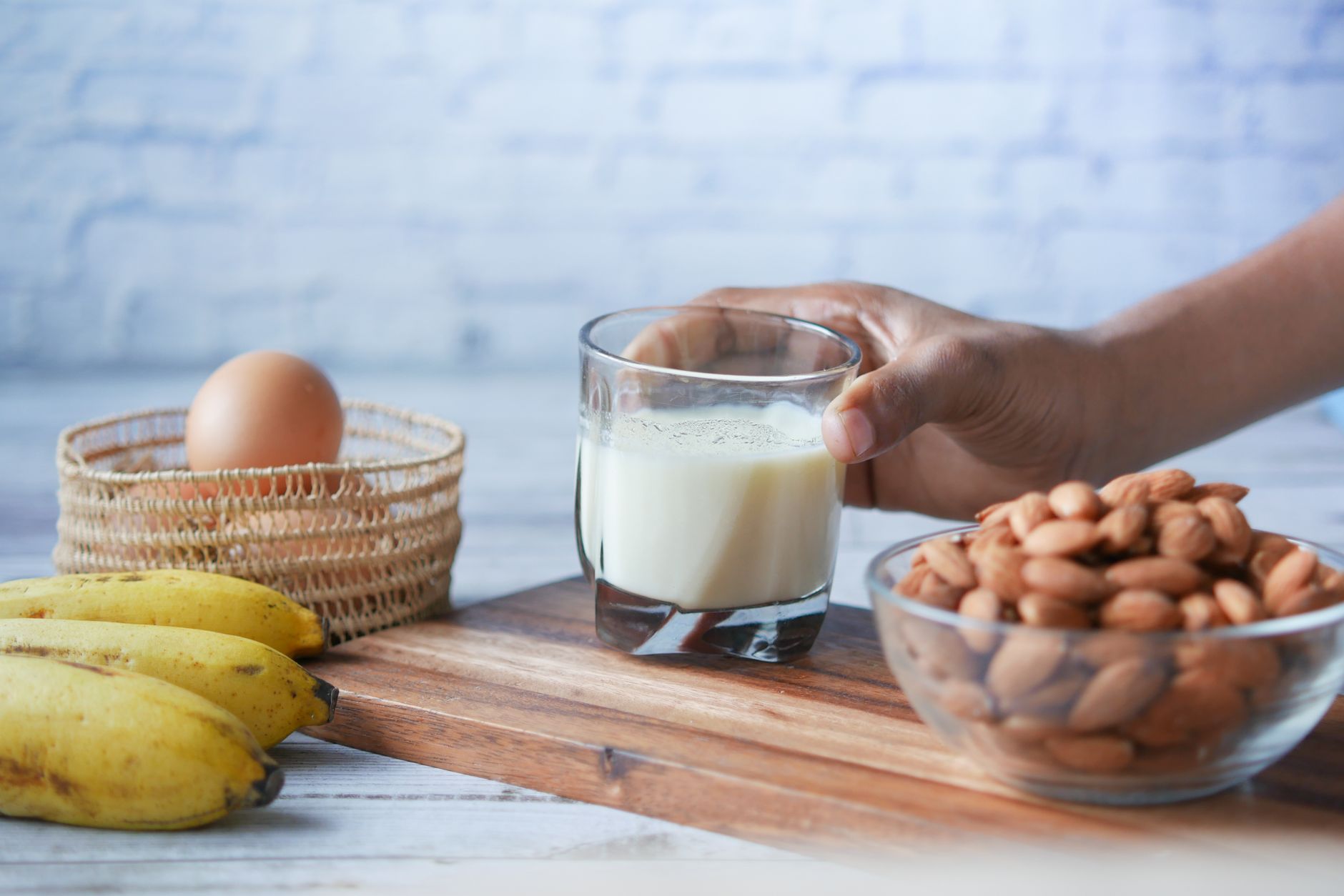
| Calcium | Milk or fortified plant milk | ~300 mg per cup |
| Yoghurt | ~300–400 mg per cup | |
| Canned sardines, with bones | ~325 mg per 100 g | |
| Calcium-set tofu | ~350 mg per half cup | |
| Kale, bok choy | ~100 mg per cooked cup | |
| Vitamin D | Oily fish, egg yolk, fortified milk; sunlight | Food alone rarely reaches 600 IU |
| Protein | Fish, eggs, dairy, beans, lean meat | Spread across meals |
| Vitamin K, magnesium | Leafy greens, nuts, whole grains | Supporting roles, weaker evidence |
Spinach is the classic trap: it is high in calcium but also high in oxalate, which binds it, so very little is absorbed. Kale and bok choy are the better greens here.
The protein myth worth retiring
You may have read that protein “leaches calcium from bones” because it acidifies the blood. That idea shaped advice for years and has not held up. Higher protein intakes increase calcium absorption, and in older adults adequate protein is associated with better bone density, not worse. Under-eating protein is the more common problem, particularly in older people who are also losing muscle.
Food first — with one honest exception
Get these from food where you can. Vitamin D is the exception: few foods contain much, and skin synthesis falls with latitude, winter, sunscreen, darker skin, and age. A supplement is often reasonable, and this is the one worth a blood test rather than guesswork.
Calcium supplements are a different case. Use them to close a dietary gap, not as insurance on top of an adequate diet. Whether calcium supplements raise cardiovascular risk has been argued for over a decade and is not settled — but the debate is specifically about supplements, not about calcium in food, and it is a good reason to reach the target with meals where possible.
Move to build bone
Bone responds to mechanical load. It has to be loaded to be told to stay dense.
- Weight-bearing impact — brisk walking, jogging, dancing, stairs. Swimming and cycling are good for you but do little for bone, because your skeleton is unloaded.
- Resistance training — the strongest signal available, because muscle pulling on bone is what bone remodels around.
- Balance work — this is the one people skip. Most fractures come from falls, so not falling is at least as valuable as bone density.
💡 Tip: If you already strength-train for muscle, your bones are getting the same stimulus. You do not need a separate bone programme.
Habits that quietly weaken bones
- Smoking — consistently associated with lower bone density and higher fracture risk
- Heavy alcohol use
- Very low body weight or repeated crash dieting — being underweight is a recognised fracture risk factor
- Very high salt or cola intake — a smaller factor than the others, and often overstated
Who should be cautious
- A history of kidney stones. Calcium supplements can raise stone risk; dietary calcium generally does not, and may even lower it. This distinction matters and is frequently reversed.
- Kidney disease, sarcoidosis, or hyperparathyroidism. Vitamin D and calcium dosing needs specialist input; these conditions change how the body handles both.
- Anyone taking thyroid medication, bisphosphonates, or certain antibiotics. Calcium blocks absorption of several drugs — levothyroxine notably. Separate doses by several hours and check with a pharmacist.
- High-dose vitamin D. The upper limit is 4,000 IU/day. Very high doses are not more protective and have been associated with more falls in some trials.
- Anyone already diagnosed with osteoporosis. Nutrition and exercise support treatment; they are not a substitute for the medication if it has been prescribed.
When to talk to a doctor
Worth raising: a family history of osteoporosis or hip fracture, early menopause, low body weight, long-term steroid use, or any fracture from a fall from standing height — that last one is the classic red flag and is often dismissed as bad luck. Your doctor can advise whether a DXA scan is appropriate and, if so, what follows.
FAQ
Q. How much calcium do I actually need?
1,000 mg a day for most adults, 1,200 mg for women over 50 and men over 70, ideally from food. Beyond that there is no added protection, and the upper limit is 2,000–2,500 mg depending on age.
Q. Do I need a calcium supplement?
Only to close a gap. Add up what you actually eat first — two servings of dairy or fortified alternative gets most people close. If you consistently fall short or have osteoporosis, discuss it with your doctor rather than defaulting to a high-dose tablet.
Q. Is it too late if I’m past 50?
No. You cannot rebuild peak bone mass, but you can slow loss and — more importantly — reduce fracture risk, which is what actually affects your life. Resistance and balance training work at any age.
Q. Does exercise really strengthen bones?
Weight-bearing and resistance exercise signal bone to stay dense; unloaded exercise like swimming does not. Balance training lowers falls, and falls are what break bones.
Q. What about vitamin K2 supplements?
Interesting mechanism, thin outcome evidence. Leafy greens are a reasonable way to cover vitamin K; a dedicated K2 supplement is not supported strongly enough to prioritise over calcium, vitamin D, protein, and lifting something heavy.
Sources
- NIH Office of Dietary Supplements — Calcium
- NIH Office of Dietary Supplements — Vitamin D
- Bone Health & Osteoporosis Foundation — What women need to know
- International Osteoporosis Foundation — Nutrition
⚠️ Medical disclaimer: This article is for general information only and is not a substitute for medical advice. For concerns about osteoporosis, supplements, or fracture risk, consult a qualified healthcare professional.


Leave a Reply