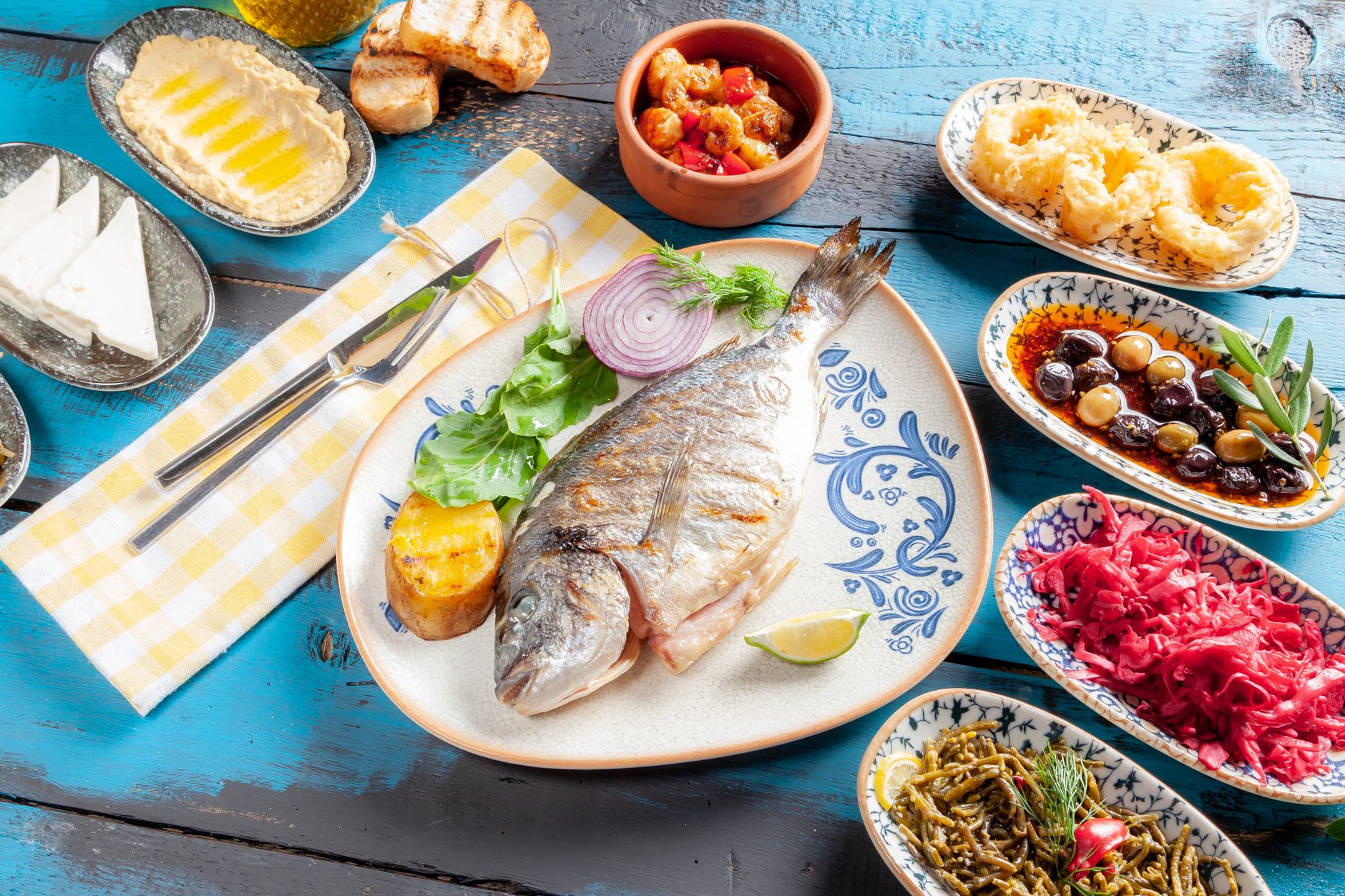
If you only ever adopt one way of eating, the evidence points to this one. The Mediterranean diet has topped the rankings of best overall diets year after year, and it’s the eating pattern most consistently linked to a longer, healthier life. The best part: it’s not a restrictive “diet” at all — no calorie counting, no banned food groups, no gimmicks. Here’s what it actually is, why researchers keep recommending it, and the simple swaps to start this week.
What the Mediterranean diet actually is
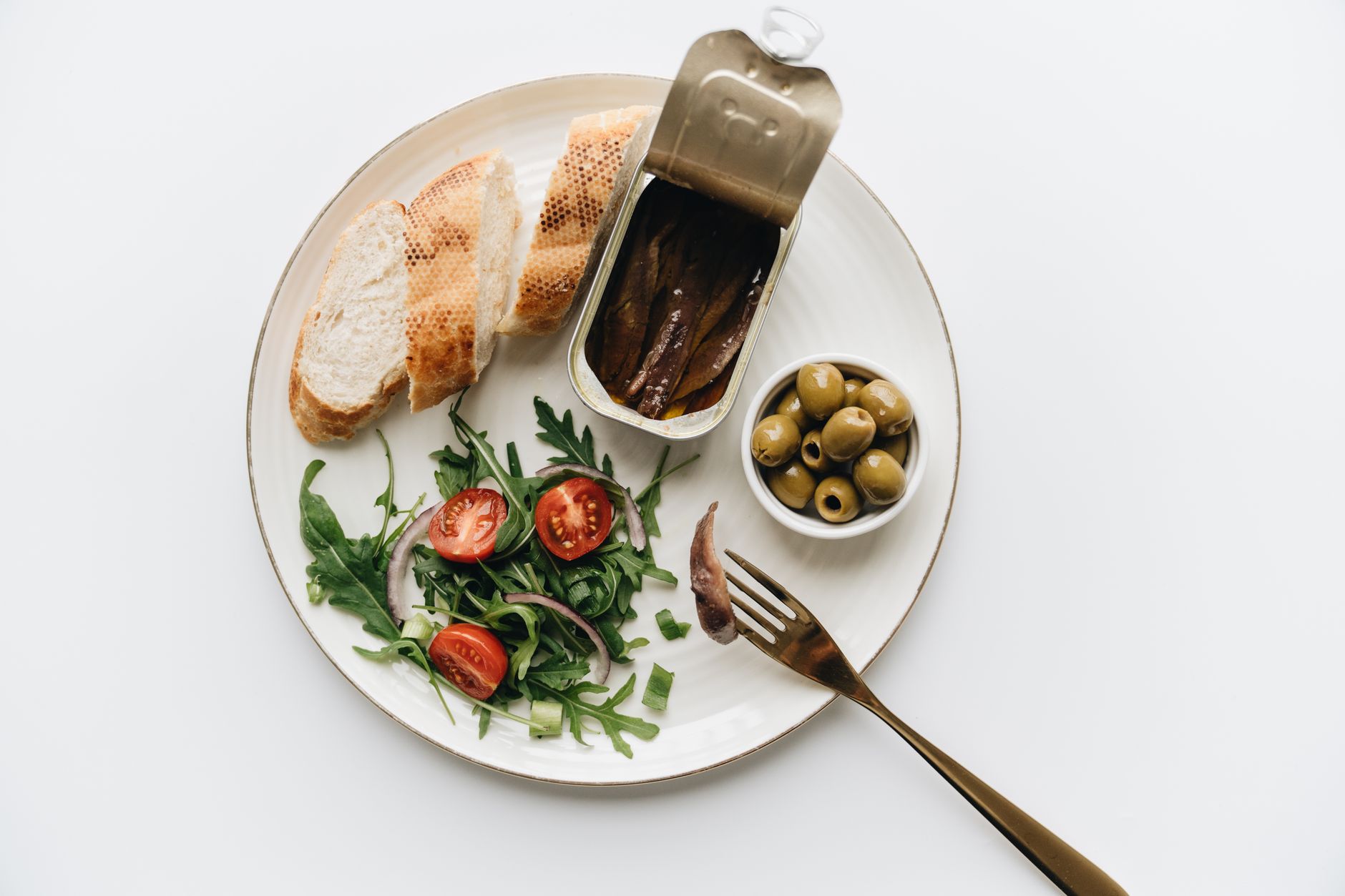
It isn’t a strict plan but a pattern — the traditional way of eating around the Mediterranean Sea, built on whole, minimally processed foods. The emphasis is on plants, healthy fats, and fish, with red meat and sweets as occasional rather than everyday foods.
Crucially, it’s something you can keep up for life, which is exactly why it works where crash diets fail. There’s no phase to “finish” and nothing to white-knuckle through — it’s a sustainable default, not a temporary fix.
The evidence: why it ranks #1
Few eating patterns are as well-studied. Large randomized trials — most famously PREDIMED — and decades of population research consistently link it to better health. The associations are striking: higher adherence has been tied to roughly a 28% lower risk of all-cause mortality, a large drop in coronary heart disease and stroke, and in newer research about a 31% lower risk of type 2 diabetes.
The benefits reach the brain, too. The diet is linked to slower cognitive decline and a meaningfully lower risk of dementia in long-term studies. That’s why bodies like the American Heart Association rank it among the best eating patterns for heart and overall health.
What’s on your plate
The pattern is easy to picture once you see the proportions:
| Eat most | Eat moderately | Eat rarely |
|---|---|---|
| Vegetables, fruit, legumes | Fish and seafood (2+ times/week) | Red meat |
| Whole grains, nuts, seeds | Poultry, eggs, yogurt, cheese | Sweets and pastries |
| Olive oil as the main fat | Ultra-processed foods |
The single most characteristic feature is extra virgin olive oil as the primary fat. Newer research suggests the quality of fat matters, not just the amount — higher extra virgin olive oil intake tracks with better cardiovascular outcomes than lower-quality oils.
💡 Tip: Don’t try to overhaul everything at once. Aim to make half your plate vegetables and swap butter for olive oil — those two changes alone move you most of the way there.
How to start: simple swaps
You don’t need Mediterranean ingredients or recipes to eat this way. Start with swaps you’ll actually keep:
- Cook with olive oil instead of butter or seed-oil blends
- Make beans or lentils the base of a couple of meals each week
- Eat fish twice a week in place of red meat
- Snack on nuts and fruit instead of chips or sweets
- Choose whole grains — whole-grain bread, brown rice, oats
- Treat sweets and processed snacks as occasional, not daily
Stack one or two swaps at a time until they’re automatic, then add more.
It’s more than food
The traditional Mediterranean lifestyle is part of the picture: meals are unhurried and shared, daily movement is built in, and food is enjoyed rather than rushed. Those habits support the diet’s benefits and are worth borrowing.
A word on wine: the traditional pattern includes moderate red wine with meals, and you’ll see it in older descriptions of the diet. But current health guidance is clear that no amount of alcohol is risk-free, so this is not a reason to start drinking. The diet delivers its benefits with or without it.
FAQ
Q. Is the Mediterranean diet good for weight loss?
It can help, but it’s designed for long-term health rather than rapid loss. Because it’s filling and built on whole foods, many people naturally eat better and manage their weight without counting calories — the trade-off is gradual, sustainable change over quick results.
Q. Isn’t olive oil too high in calories?
Olive oil is calorie-dense, but it’s a cornerstone of the diet for good reason: its healthy fats are linked to better heart health. Use it as your main fat in normal cooking amounts rather than drowning food in it, and the benefits outweigh the calorie concern for most people.
Q. Do I have to eat fish if I don’t like it?
No. Fish is encouraged for its omega-3s, but the diet still works built around vegetables, legumes, whole grains, nuts, and olive oil. If you skip fish, consider other omega-3 sources like walnuts and flaxseed.
Sources
- American Heart Association — What is the Mediterranean Diet?
- Harvard T.H. Chan School of Public Health — Diet Review: Mediterranean Diet
⚠️ Medical disclaimer: This article is for general information only and is not a substitute for medical advice. If you have a health condition or take medication, talk to a healthcare professional before making major dietary changes.




Leave a Reply