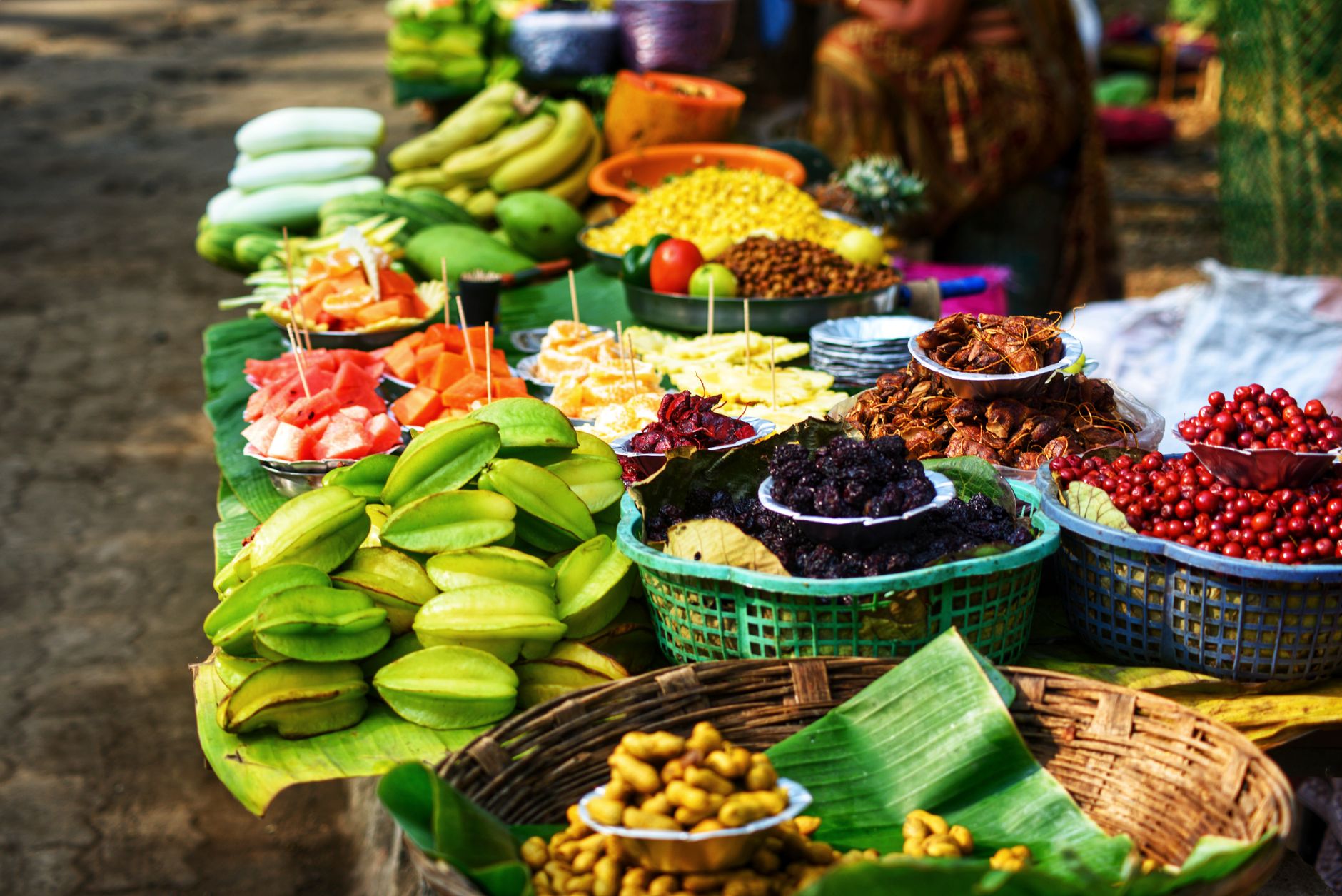
What you eat has a real, measurable effect on blood pressure — enough that diet is a frontline tool alongside medical care. The DASH eating pattern, for example, can lower systolic blood pressure by roughly 8–14 mmHg in studies, comparable to some medications. Here are 9 foods worth eating more often, the bigger pattern they fit into, and one safety note that matters.
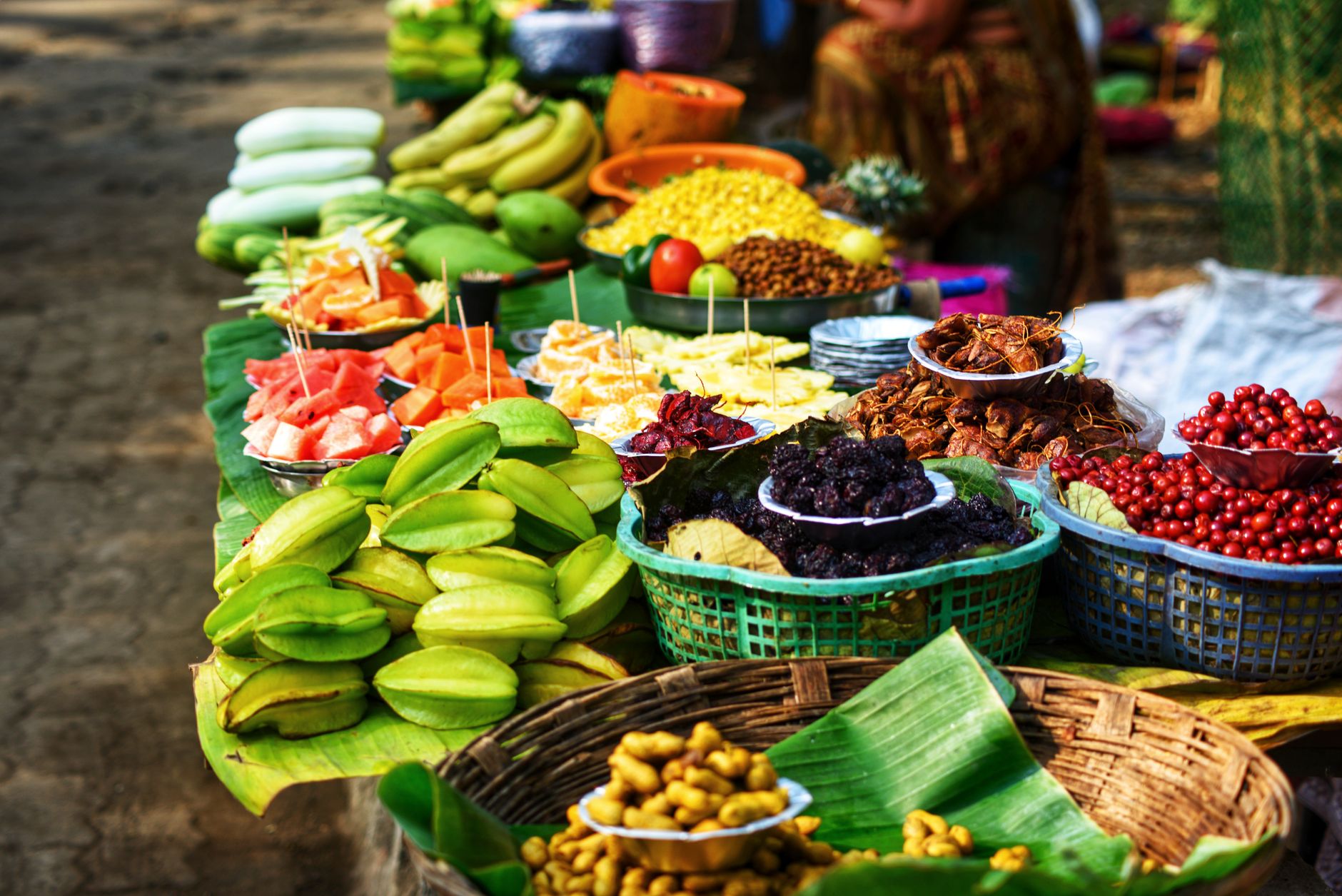
Why food matters for blood pressure
Two themes drive most of the benefit, and they work together:
- More potassium helps your body shed excess sodium and relaxes the walls of your blood vessels. It’s the ratio of potassium to sodium that matters, not just cutting salt.
- Less excess sodium, which pulls more water into the bloodstream and raises pressure.
Some foods add a third mechanism: nitrates in beets and leafy greens are converted by your body into nitric oxide, a molecule that widens blood vessels and eases blood flow. Fiber and protective plant compounds round out the effect.
The 9 foods
- Leafy greens — spinach, kale, Swiss chard: rich in potassium and nitrates.
- Berries — blueberries and strawberries: antioxidants (anthocyanins) linked to better vascular health.
- Bananas — a famous, easy potassium source.
- Beets — high in nitrates that the body turns into vessel-relaxing nitric oxide.
- Oats — soluble fiber that supports both blood pressure and cholesterol.
- Fatty fish — salmon, mackerel, sardines: omega-3 fats associated with heart health.
- Plain yogurt — low-fat dairy is part of patterns shown to support healthy blood pressure (choose unsweetened).
- Garlic — may have a modest lowering effect, and adds flavor without salt.
- Nuts and seeds — pistachios, almonds, pumpkin seeds: magnesium, potassium, and healthy fats.
The bigger picture: the DASH approach
These foods work best as part of an overall pattern. The widely recommended DASH (Dietary Approaches to Stop Hypertension) eating style emphasizes:
| Eat more | Eat less |
|---|---|
| Vegetables, fruit, whole grains | Salt / sodium |
| Beans, nuts, seeds | Added sugar |
| Low-fat dairy, fish, poultry | Highly processed and fried foods |
💡 Tip: The simplest high-impact change for many people is cutting back on salt and ultra-processed foods — that’s where most dietary sodium hides, not the salt shaker.
Food is one lever — the others that matter
Diet is powerful, but it’s not the only thing that moves blood pressure, and pretending it is can be misleading. Losing even a small amount of excess weight, limiting alcohol, getting regular exercise, not smoking, managing stress, and sleeping well all independently help. The most effective approach combines a DASH-style diet with these habits — and, when prescribed, medication. They reinforce each other rather than competing.
A caution: potassium isn’t right for everyone
Most people benefit from more potassium-rich foods, but there’s an important exception. If you have chronic kidney disease, or take certain blood pressure medications such as ACE inhibitors, ARBs, or potassium-sparing diuretics, extra potassium can build up to dangerous levels in your blood. If either applies to you, don’t load up on high-potassium foods or potassium-based salt substitutes without checking with your doctor first — this is a case where “more” is not automatically better.
FAQ
Q. How quickly can food affect blood pressure?
Some people see meaningful changes within a few weeks of consistent dietary improvement, especially with a DASH-style pattern and lower sodium. Results vary by individual.
Q. Should I stop my blood pressure medication if I eat well?
Never stop or change prescribed medication on your own. Diet works alongside — not instead of — your doctor’s plan, and stopping medication abruptly can be dangerous.
Q. Is coffee bad for blood pressure?
Caffeine can cause a short-term rise, more noticeably in people who aren’t habitual coffee drinkers. If you’re sensitive, monitor how you respond, but moderate intake is fine for many people.
Sources
- American Heart Association — Managing blood pressure with a heart-healthy diet
- U.S. National Heart, Lung, and Blood Institute (NHLBI) — DASH Eating Plan
⚠️ Medical disclaimer: This article is for general information only and is not a substitute for medical advice, diagnosis, or treatment. If you have high blood pressure or kidney disease, work with your healthcare provider on a plan that’s right for you before making big dietary changes.
Leave a Reply