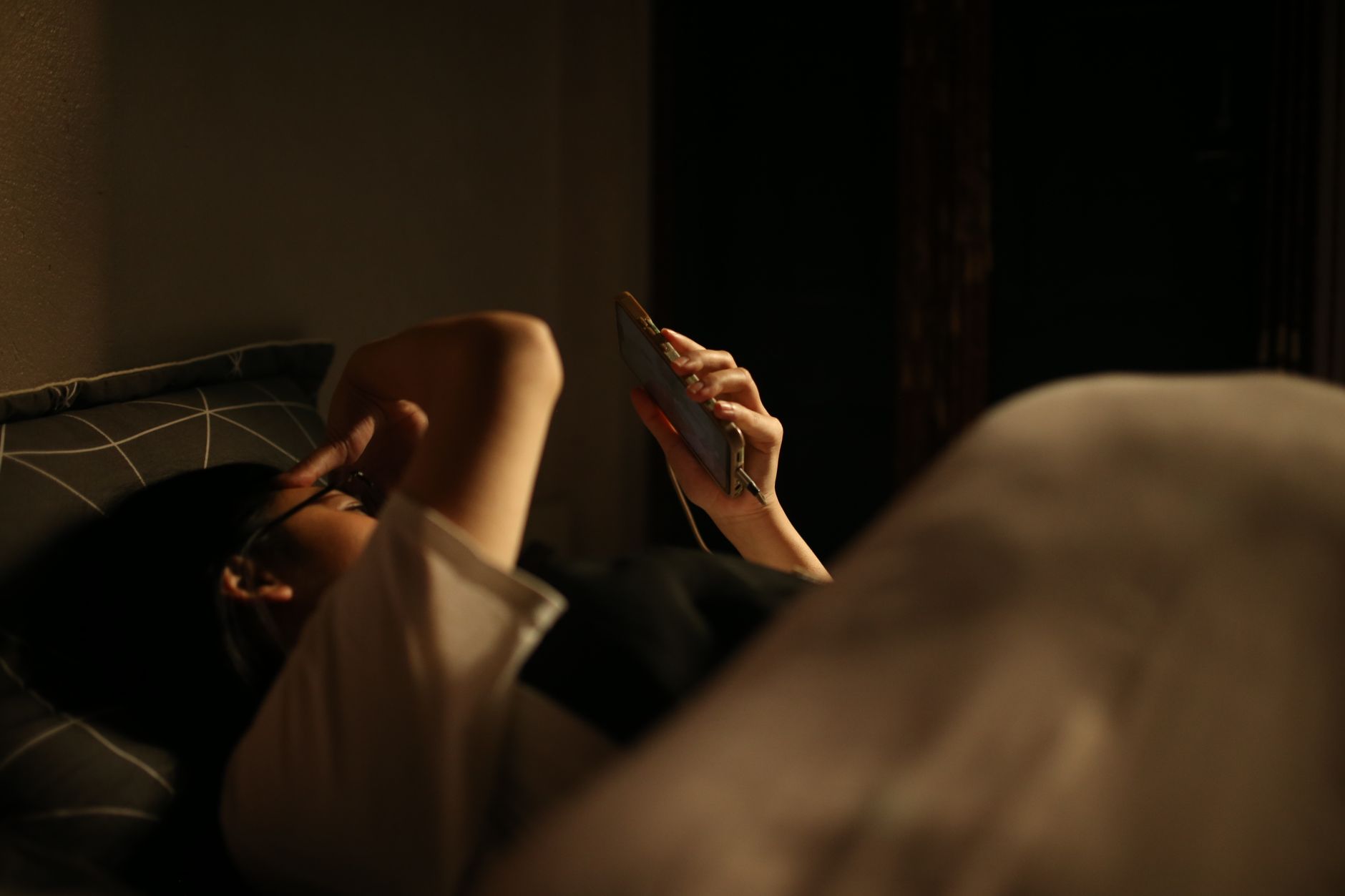
You pick up your phone for a quick check and surface 40 minutes later feeling vaguely worse — more anxious, more scattered, oddly drained. You’re not imagining it. Adults now average over two and a half hours a day on social media alone, and a growing body of research links heavy, passive use to worse mood, sleep, and focus. The good news: this isn’t about quitting screens, it’s about changing a few patterns. Here’s what the science actually shows and the boundaries that genuinely help.
How screens affect your mental health
Let’s be accurate: screens aren’t simply “bad.” The clearest signal in the research is that heavy, passive use — endless scrolling rather than real connection — is consistently linked to higher anxiety, low mood, and disrupted sleep. The causal direction is still debated (anxious people may scroll more, and scrolling may worsen anxiety), so it’s a two-way street.
But it’s not all correlation. In a controlled study, young adults who took a one-week break from social media reported meaningfully lower anxiety, depression, and insomnia — roughly 16% fewer anxiety symptoms and 25% fewer depression symptoms. That suggests how you use screens genuinely shapes how you feel.
The usual culprits are social comparison (everyone’s highlight reel vs. your real life), variable rewards (the slot-machine pull of refreshing a feed), and displacement — hours of scrolling crowd out the sleep, movement, and face-to-face connection that protect mental health.
Doomscrolling: why your brain gets hooked
Doomscrolling — compulsively scrolling negative news even though it makes you feel worse — deserves special mention because it’s so common and so draining. When you endlessly refresh crisis headlines and outrage, your nervous system can’t tell the difference between a genuine threat and an algorithmically optimized one. It responds as if danger is everywhere, and stress hormones like cortisol rise.
The result is a loop: anxiety makes you seek information for a sense of control, the feed delivers more alarming content, and you feel worse — so you scroll more. Recognizing the loop is the first step to breaking it.
The night-time problem
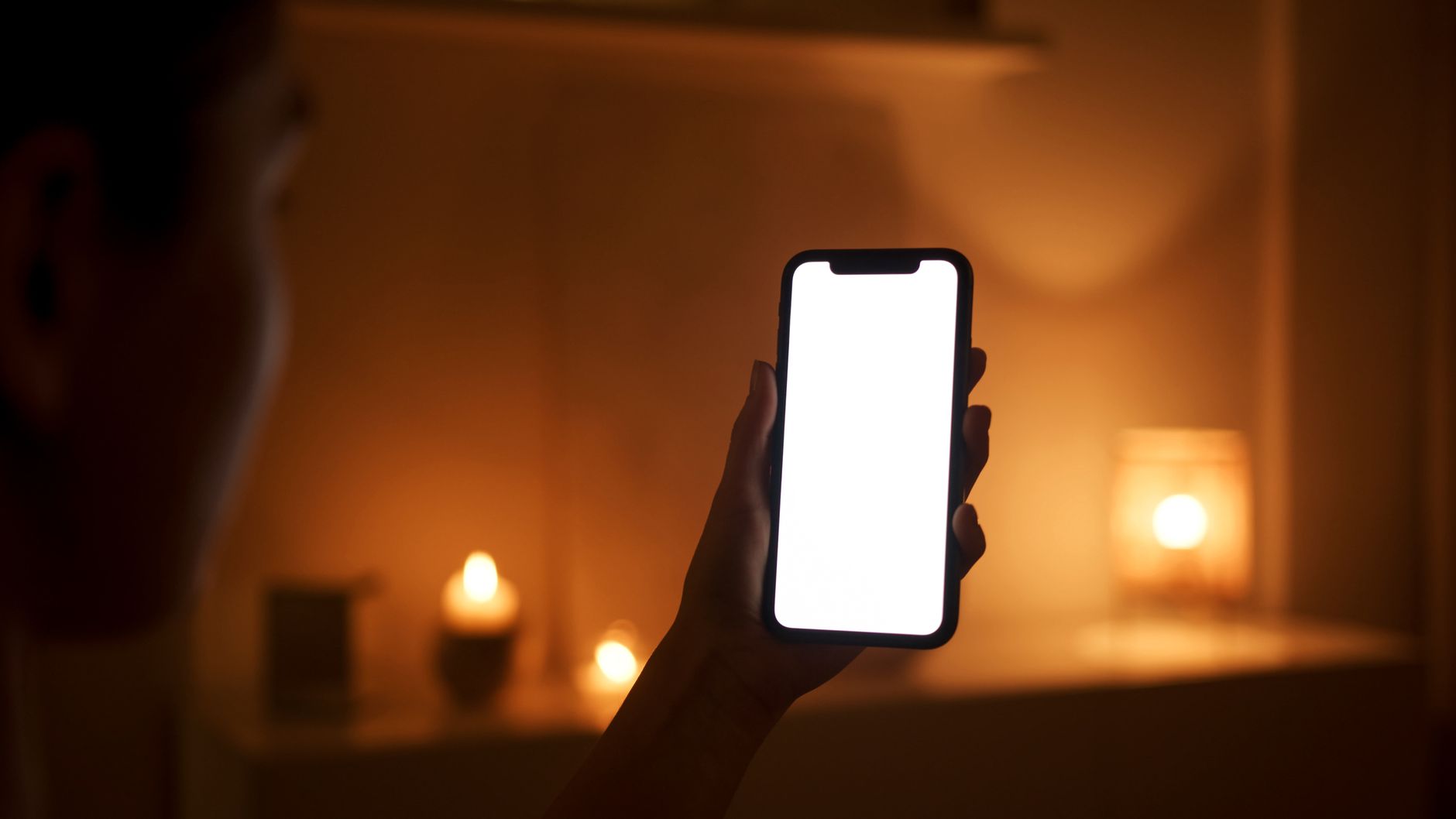
If you change one thing, make it the phone in bed. Around 78% of people use social media before sleep, and it’s a double hit: the bright screen and stimulating content delay your wind-down, while just one more video pushes your bedtime later. Poor sleep then worsens mood and anxiety the next day — feeding right back into more scrolling.
A simple rule helps: no doomscrolling in the 30–60 minutes before bed, and ideally charge the phone outside the bedroom.
What actually helps
You don’t need a digital detox retreat. Small, friction-based changes work best:
| Strategy | Why it works |
|---|---|
| Scroll-free hours (first/last 30–60 min of day) | Protects your sleep and your morning headspace |
| Curate your feed | Mute or unfollow accounts that spark envy or dread |
| Habit substitution | Swap the scroll for a walk, water, or a few pages of a book |
| Use built-in limits | App timers and focus modes add helpful friction, free |
| Turn off non-essential notifications | Fewer pulls back into the loop |
💡 Tip: When you feel the urge to doomscroll, do something physical for two minutes — stand up, get water, step outside. Breaking the body’s autopilot is often easier than trying to win an argument with your own willpower.
Most people notice a real difference within 2–3 weeks of consistent boundaries. Aim for better patterns, not perfection.
When it’s more than a habit
Sometimes screen use crosses from a draining habit into something harder to control. It’s worth talking to a mental health professional if your use feels compulsive despite wanting to cut back, if it’s interfering with work, relationships, or sleep, or if your low mood or anxiety persists even after you scale back. Reaching out is a sign of strength, not failure.
FAQ
Q. Is all screen time bad for mental health?
No. Active, intentional use — video-calling a friend, learning something, creating — is very different from passive, endless scrolling. The research concern is mainly about heavy passive use and doomscrolling, not screens in general. Quality and context matter more than raw hours.
Q. How long until cutting back makes a difference?
Often within two to three weeks of consistent boundaries. A controlled study even found measurable drops in anxiety and depression after just a one-week social media break, so changes can come faster than you’d expect.
Q. Do screen-time apps and limits actually work?
They help by adding friction — a timer or focus mode interrupts autopilot and makes you pause. They’re not magic on their own, but combined with feed curation and phone-free times (especially before bed), they make better habits much easier to keep.
Sources
- American Psychological Association — Social media and the internet
- Cleveland Clinic — What Doomscrolling Is and How To Stop
⚠️ Medical disclaimer: This article is for general information only and is not a substitute for professional advice. If you are struggling with anxiety, low mood, or compulsive technology use, consider reaching out to a qualified mental health professional.




Leave a Reply