Fatty liver disease has quietly become one of the most common chronic conditions in the world, affecting roughly 1 in 3 adults — and most people who have it don’t know, because in its early stages it causes no symptoms at all. The good news is that, caught early, it’s one of the most reversible conditions there is. No drug required: diet and lifestyle do the heavy lifting. Here’s what fatty liver really is, why it matters more than its silence suggests, and the changes that actually move the needle.

What fatty liver (MASLD) actually is
Fatty liver means exactly that — too much fat stored in liver cells. When it’s driven by metabolic factors rather than alcohol, doctors now call it MASLD (metabolic dysfunction-associated steatotic liver disease), a name adopted in 2023 to replace the older “NAFLD.”
A little liver fat is normal. The problem begins when it builds up enough to inflame and, over years, scar the liver. The drivers are mostly metabolic: excess calories, a lot of added sugar and refined carbs, insulin resistance, and carrying extra weight around the middle. It’s strongly tied to type 2 diabetes and metabolic syndrome — fatty liver is, in many ways, the liver’s version of those problems.
Why a fatty liver matters
It’s easy to ignore something you can’t feel. But fatty liver matters for two reasons.
First, in a minority of people it progresses — from simple fat, to inflammation (steatohepatitis), to fibrosis and eventually cirrhosis or liver failure. Catching it early is what keeps you off that path.
Second, even when the liver itself stays stable, fatty liver is a flashing warning light for the rest of your metabolism. It travels with a markedly higher risk of type 2 diabetes and heart disease — which is actually the most common cause of death in people with MASLD. Treating your liver well treats your whole metabolic picture.
Weight loss: the biggest lever
If there’s one intervention with the strongest evidence, it’s gradual weight loss for those carrying excess weight. The amounts are surprisingly specific:
- ≥5% of body weight lost reduces liver fat
- ≥7% improves the inflammation
- ≥10% can stabilize or even reverse early scarring (fibrosis)
For someone weighing 90 kg (about 200 lb), that 7–10% is roughly 6–9 kg. Slow and steady wins — crash diets and rapid loss can actually stress the liver. Aim for gradual, sustainable change.
Eating to reverse it
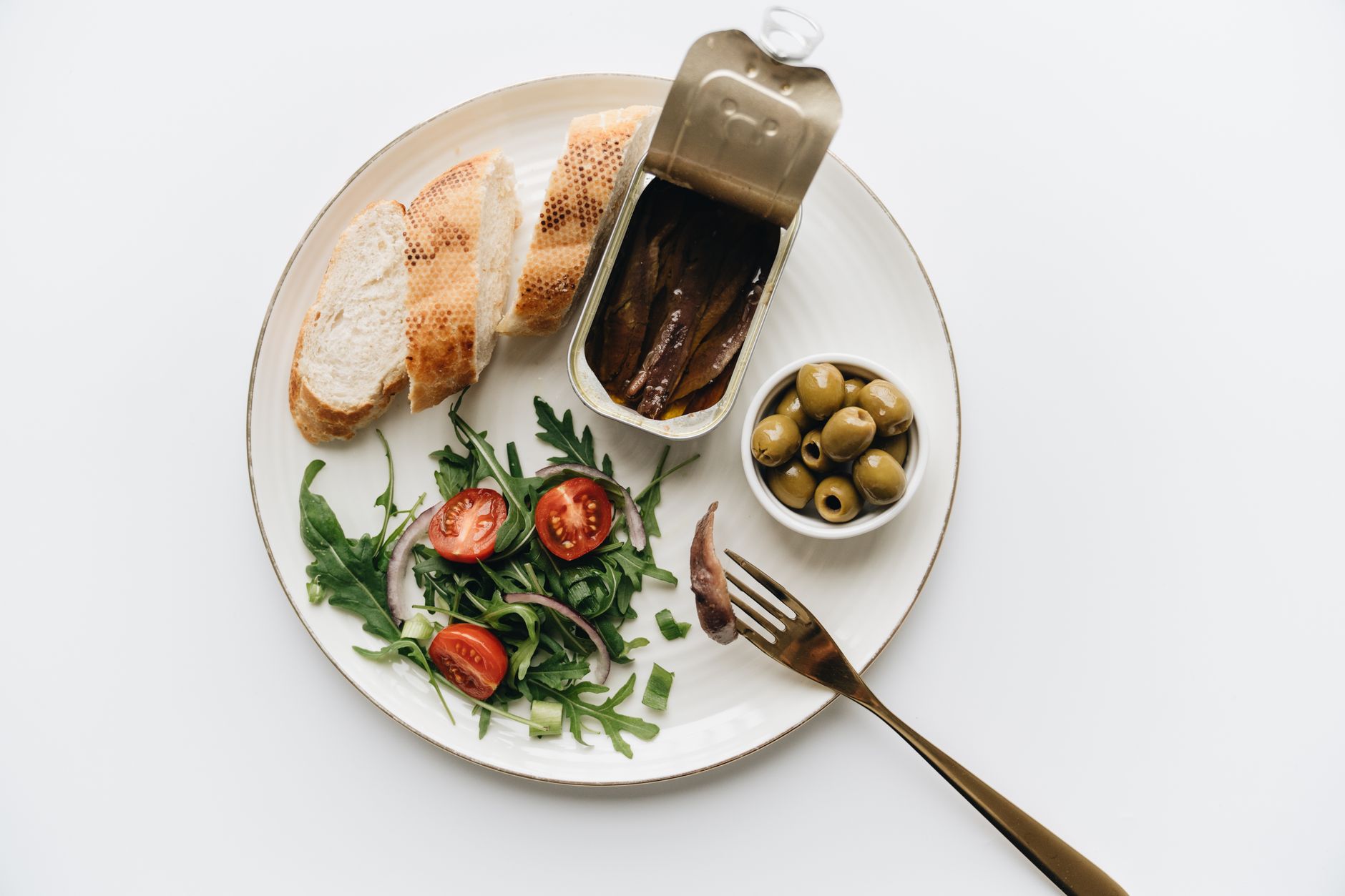
You don’t need an exotic “liver detox” — those don’t work. The first-line eating pattern in the research is the Mediterranean diet, and the principles are straightforward:
| Cut back on | Lean into |
|---|---|
| Sugary drinks and excess fructose | Vegetables, fruit, legumes |
| Refined carbs (white bread, pastries) | Whole grains and fiber |
| Saturated and fried/processed foods | Olive oil, nuts, fish |
| Alcohol | Water, unsweetened drinks |
One change punches above its weight: cutting sugary drinks. Liquid fructose from soda and juice is processed largely in the liver and is a major contributor to liver fat — dropping it is one of the highest-return moves you can make.
💡 Tip: Swapping one daily soda or sweetened coffee for water or an unsweetened option is a small, concrete change that directly eases the load on your liver.
Movement, alcohol, and who should get checked
Exercise helps independently of weight loss — it lowers liver fat even if the scale barely moves. Both aerobic activity (brisk walking, cycling) and resistance training work, so aim for a regular mix most weeks. On alcohol: since metabolic and alcohol-related liver damage stack, cutting back (or out) is a direct favor to your liver.
You have more reason to ask your doctor for a check if you have type 2 diabetes, obesity, high blood pressure, or high cholesterol/triglycerides — the classic metabolic cluster. Fatty liver is usually found through routine blood tests (liver enzymes) or an ultrasound, not symptoms, so testing is the only way to know. Diagnosis and staging are a medical job — these habits support your liver but don’t replace that evaluation.
FAQ
Q. Can fatty liver really be reversed?
In its early stages, yes — often fully. Losing 7–10% of body weight, following a Mediterranean-style diet, cutting sugary drinks, and exercising can clear excess liver fat and even improve early scarring. The sooner you act, the more reversible it is.
Q. I don’t drink alcohol — how do I have fatty liver?
MASLD is driven by metabolic factors, not alcohol. Excess calories, added sugar, insulin resistance, and extra weight cause fat to build up in the liver regardless of drinking — which is exactly why the condition was renamed away from “non-alcoholic.”
Q. What’s the single most important change?
For most people, gradual weight loss is the strongest lever, with cutting sugary drinks close behind. If you do nothing else, start there.
Sources
- Mayo Clinic — Fatty liver disease (MASLD) diet
- American Liver Foundation — Metabolic Dysfunction-Associated Steatotic Liver Disease (MASLD)
⚠️ Medical disclaimer: This article is for general information only and is not a substitute for medical advice. If you have risk factors or abnormal liver tests, see a healthcare professional for proper diagnosis and care.



Leave a Reply