
Every cold season brings a flood of products promising to “boost” your immune system. The honest truth: no single food or supplement supercharges immunity overnight, and “boosting” is the wrong goal anyway. What you can do is support your immune system so it works the way it’s meant to — through daily habits, a few key nutrients, and some genuinely proven protections. Here’s what actually helps.

First, a reality check
Your immune system isn’t a muscle you can crank up to superhuman levels — and you wouldn’t want to, since an overactive immune system drives allergies and autoimmune problems. It’s a finely balanced network. The realistic goal is to support normal, healthy immune function and stop undermining it, not to “supercharge” it. That reframing matters, because it’s why most products promising a quick “boost” are selling a fantasy.
Habits that genuinely support immunity
The fundamentals are unglamorous but well-supported:
- Prioritize sleep — short sleep is one of the clearest ways to weaken defenses; studies link under ~6–7 hours to catching more colds
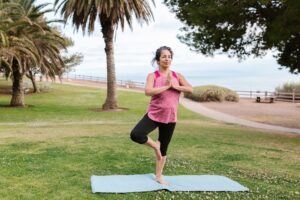
- Move regularly — moderate, consistent exercise supports immune function; you don’t need to overdo it
- Manage chronic stress — long-term stress hormones suppress immune responses
- Don’t smoke, and limit alcohol — both impair your defenses
- Keep a healthy weight — chronic inflammation from excess weight can blunt immune function
Food and the nutrients that matter
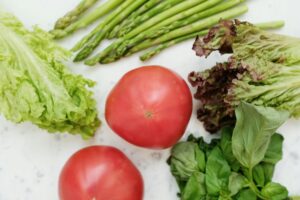
A varied, plant-rich diet supplies the raw materials immune cells need. Rather than chasing one “super” food, aim for variety across vegetables, fruit, whole grains, legumes, and protein. A few nutrients have clear immune roles:
| Nutrient | Where it comes in |
|---|---|
| Vitamin C | Citrus, peppers, broccoli — widespread in produce |
| Vitamin D | Sunlight, oily fish, fortified foods; deficiency is common |
| Zinc | Meat, shellfish, legumes, seeds |
| Protein | The building block of antibodies and immune cells |
Your gut also houses much of your immune system, so fiber and fermented foods that support the microbiome indirectly support immunity too.
What about supplements?
| Supplement | Reality |
|---|---|
| Vitamin C | Won’t prevent colds; may slightly shorten them in some |
| Vitamin D | Helps mainly if you’re deficient |
| Zinc | May modestly shorten colds; high doses cause harm, don’t overdose |
| “Immune booster” blends | Mostly marketing |
The pattern is consistent: supplements help most when they’re correcting an actual deficiency. In well-nourished people, mega-doses don’t add extra protection — and some (like too much zinc) backfire.
💡 Tip: The unglamorous basics — sleep, a varied diet, movement, not smoking — do far more for your immune system than any “immune” supplement on the shelf.
Don’t overlook vaccines and hygiene
Here’s what’s often missing from “natural immunity” advice: the most effective immune support of all is vaccination, which trains your immune system against specific threats, plus basic hygiene like regular handwashing. These do more to keep you from getting sick than any supplement — they’re not opposed to a healthy lifestyle, they’re the proven core of it. People who are older or have chronic conditions especially benefit from staying current on recommended vaccines.
FAQ
Q. What’s the single best thing for immunity?
There isn’t one. Consistent sleep, a varied diet, regular movement, not smoking, and staying current on vaccines together matter far more than any single food or pill.
Q. Do immune-boosting supplements work?
Most are overhyped. Supplements mainly help when you’re correcting a deficiency (such as low vitamin D). For well-nourished people, mega-doses don’t add benefit and can cause harm.
Q. Can I strengthen immunity quickly before travel?
Not dramatically — immunity isn’t something you can rev up in a day. Focus on sleep, hydration, hygiene, and being up to date on relevant vaccines around your trip.
Sources
- Harvard Health — How to boost your immune system
- Harvard T.H. Chan School of Public Health — Nutrition and immunity
⚠️ Medical disclaimer: This article is for general information only and is not a substitute for medical advice. Consult a healthcare professional about your individual needs, including which vaccines are right for you.


Leave a Reply