Fiber is one of the most underrated parts of a healthy diet, and most people fall well short — typical intake is around 15 grams a day, roughly half the target. That gap matters more than it sounds: large studies link higher fiber intake to a meaningfully lower risk of heart disease, type 2 diabetes, and earlier death. Here’s what fiber actually is, how much you need, and how to get more without the bloating.
What is fiber?
Fiber is the part of plant foods your body can’t fully digest. There are two main types, and you benefit from both:
- Soluble fiber dissolves in water into a gel, helping lower cholesterol and slow sugar absorption (oats, beans, apples, barley).
- Insoluble fiber adds bulk and keeps things moving through your gut (whole grains, vegetable skins, nuts).
There’s a third dimension worth knowing: much of your fiber is fermented by gut bacteria, which produce short-chain fatty acids that nourish your colon and help regulate inflammation. So fiber isn’t just “roughage” — it’s food for your microbiome.
How much you need — and the gap most people have
General guidance for adults is roughly:
- Women: ~25 grams per day
- Men: ~38 grams per day
Most people get only about 15 grams — well under half. You don’t need to count grams obsessively; the practical version is simply to build most meals around whole plants. Closing even part of that gap is one of the higher-impact dietary upgrades available.
Why fiber matters
| Benefit | How fiber helps |
|---|---|
| Digestion | Prevents constipation, supports regularity |
| Heart health | Soluble fiber helps lower LDL cholesterol |
| Blood sugar | Slows sugar absorption, steadies energy |
| Fullness & weight | Keeps you satisfied on fewer calories |
| Gut & longevity | Feeds beneficial bacteria; higher intake is linked to lower mortality |
A large 2019 analysis in The Lancet found that people eating the most fiber had notably lower rates of heart disease, stroke, type 2 diabetes, and colorectal cancer — among the strongest evidence for any single dietary component.
Easy ways to eat more fiber
- Choose whole grains over refined (brown rice, whole-grain bread, oats)
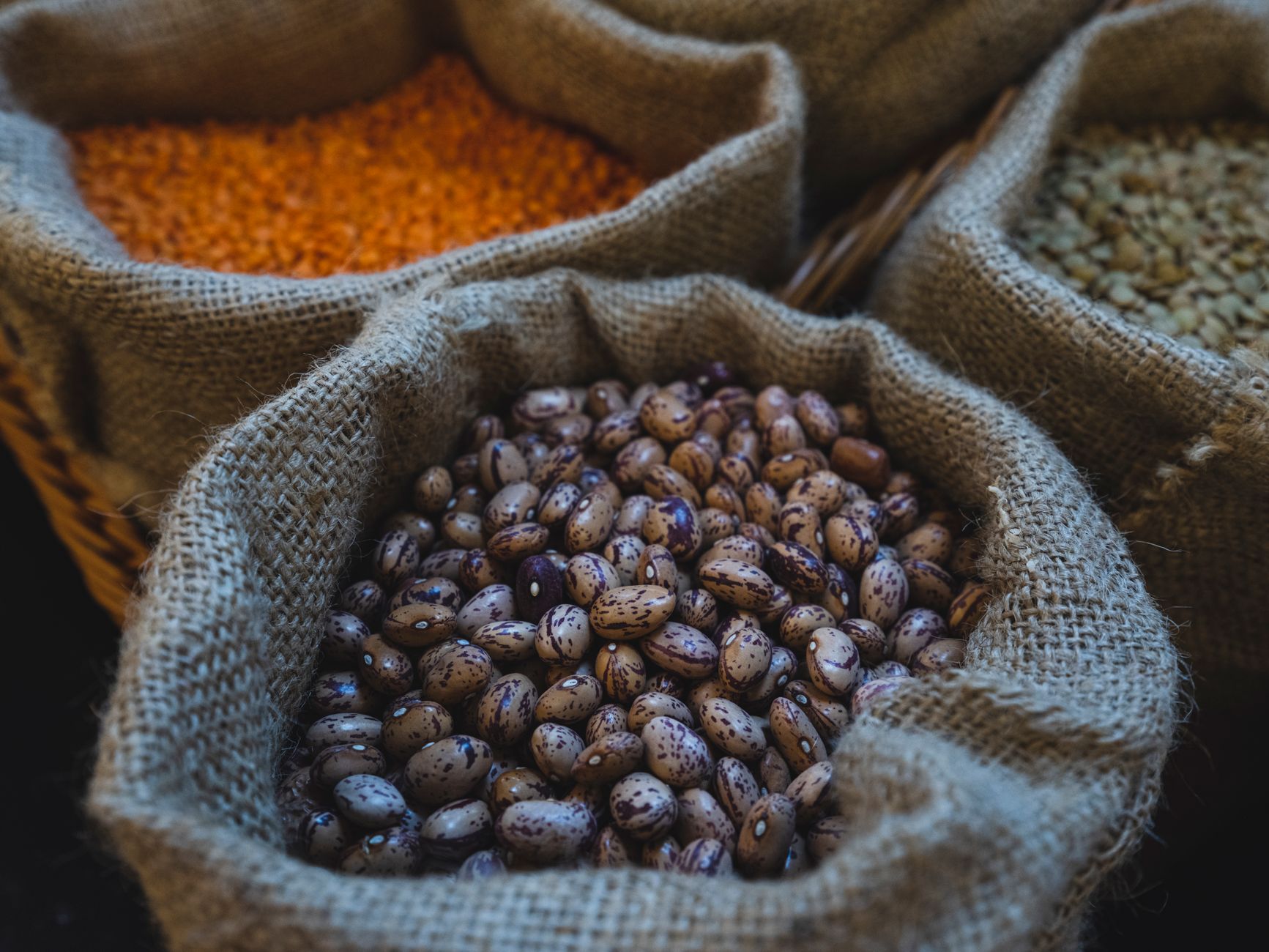
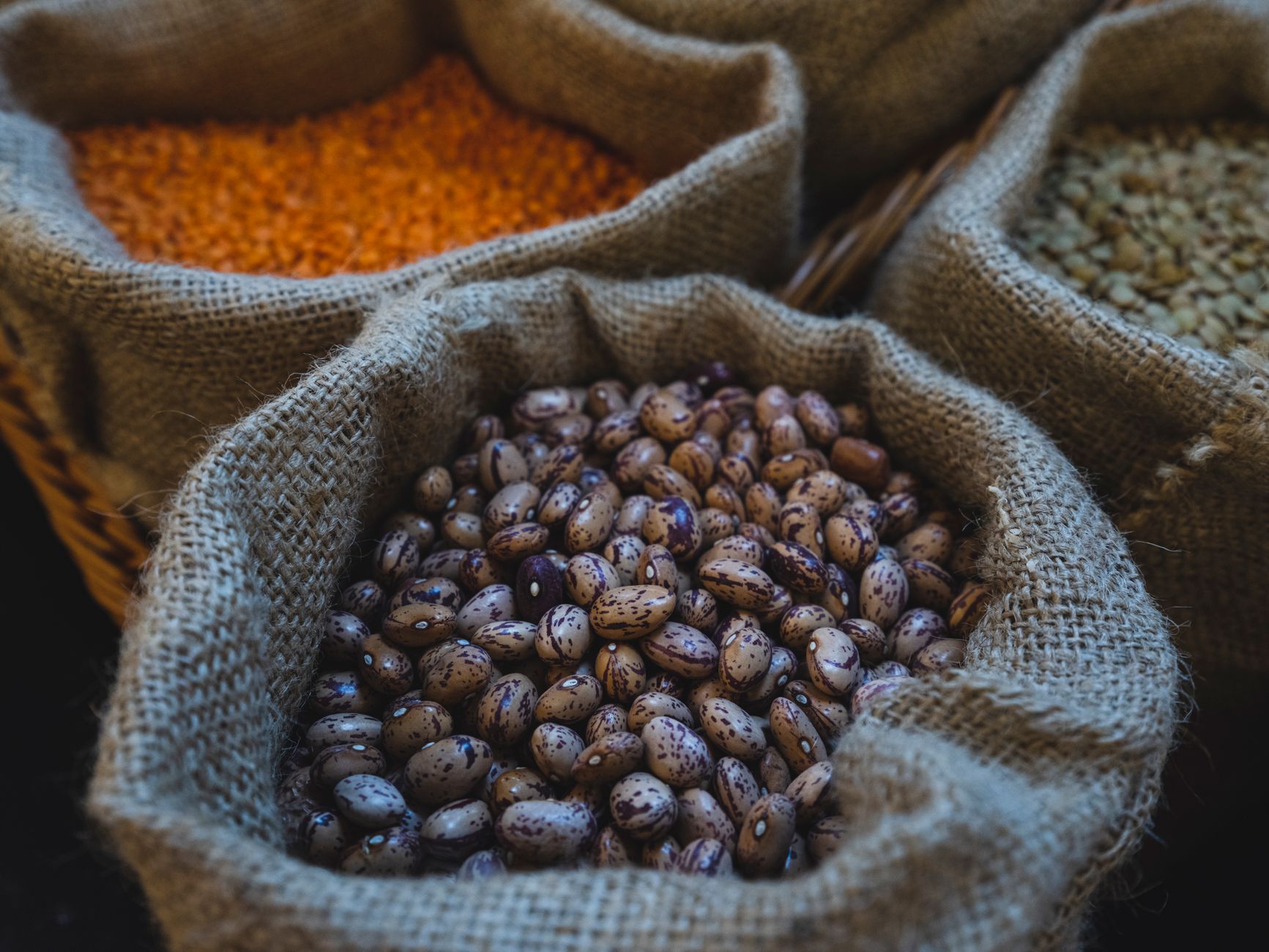
- Add beans or lentils to soups, salads, and bowls — among the most fiber-dense foods
- Keep the skin on fruits and vegetables
- Snack on fruit, nuts, or seeds instead of processed snacks
- Add an extra vegetable to meals you already eat
For perspective on density: a cup of cooked lentils has ~15 g of fiber, a cup of raspberries ~8 g, and a medium avocado ~10 g — so a couple of smart swaps can move the needle fast.
A few cautions
Fiber is safe and beneficial for almost everyone, but two practical points matter. First, increase it gradually and drink plenty of water — adding a lot too fast is the most common cause of gas and bloating, because gut bacteria need time to adapt. Second, people in an active flare of certain conditions (such as inflammatory bowel disease or a bowel narrowing) may be advised to temporarily reduce fiber — that’s an individual call to make with a doctor, not a reason for everyone else to eat less.
FAQ
Q. Can I get enough fiber from supplements?
Supplements (like psyllium) can help fill a gap and have real benefits, but whole foods provide fiber plus vitamins, minerals, and the variety your microbiome thrives on. Food first, supplements to top up.
Q. Why does fiber make me bloated?
Usually because it was increased too quickly. Ramp up slowly over a few weeks and drink enough water, and your gut bacteria adapt with far less gas.
Q. Which foods are highest in fiber?
Beans and lentils, whole grains, berries, avocado, and vegetables like broccoli are all excellent. Legumes are the standouts — among the most fiber-dense foods you can eat.
Sources
- Mayo Clinic — Dietary fiber: Essential for a healthy diet
- Harvard T.H. Chan School of Public Health — The Nutrition Source: Fiber
⚠️ Medical disclaimer: This article is for general information only and is not a substitute for medical advice. If you have a digestive condition, consult a healthcare professional before making big changes to your fiber intake.




Leave a Reply