
Probiotics — live “good” bacteria — are marketed for everything from digestion to immunity to glowing skin. The reality is more nuanced than the marketing: some uses have solid evidence, many don’t, and the right product depends heavily on the specific strain. Here’s an honest look at what probiotics can and can’t do, and the food-first habits that often matter more than any pill.
What are probiotics (and prebiotics)?
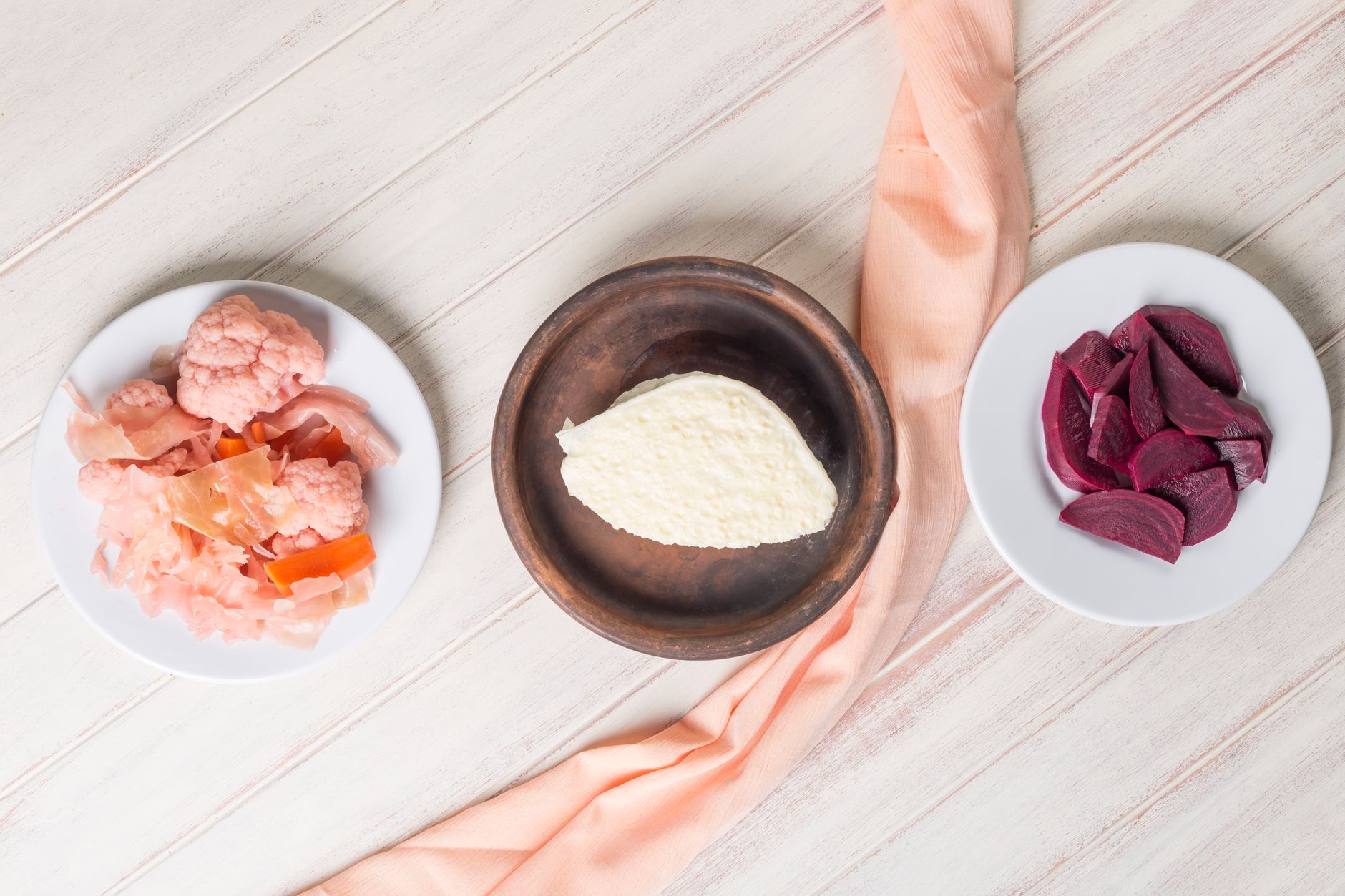
Probiotics are live microorganisms that, in adequate amounts, may offer a health benefit. You’ll find them in supplements and in fermented foods like yogurt, kefir, kimchi, sauerkraut, and miso. Prebiotics are different — they’re the fibers that feed your existing good bacteria (think onions, garlic, oats). Your gut hosts trillions of microbes, collectively called the microbiome, that influence digestion, immune signaling, and more.
What the evidence actually supports
It helps to separate the well-studied uses from the marketing:
| Use | Evidence |
|---|---|
| Antibiotic-associated diarrhea | Reasonable — certain strains may reduce risk |
| Irritable bowel syndrome (IBS) | Mixed — may help some people, strain-dependent |
| Acute infectious diarrhea | Some support for specific strains |
| General “immune boosting” / detox / weight loss | Weak or overstated |
The honest takeaway: probiotics aren’t magic, the benefits are specific rather than general, and a product that transformed one person’s digestion may do nothing for yours.
Why strain and dose matter
This is the detail most labels gloss over. Probiotic effects are strain-specific: Lactobacillus rhamnosus GG is not interchangeable with a random “Lactobacillus” on a label, and a benefit shown for one strain doesn’t transfer to others. Two practical things to check: the specific strain (genus, species, and strain code) and the dose in CFU (colony-forming units) — studies that worked usually used billions of CFU of a named strain. Many also need refrigeration to keep the bacteria alive. A vague “probiotic blend” with no strains listed is a red flag.
Food first: feed your gut
For general gut health, what you eat day to day often beats any capsule:
- Fermented foods (yogurt with live cultures, kefir, kimchi, sauerkraut)
- Fiber and prebiotics that feed good bacteria (onions, garlic, leeks, oats, bananas, legumes)
- A varied, plant-rich diet — variety of plants is one of the strongest dietary predictors of a diverse, resilient microbiome
💡 Tip: Aiming for many different plants across a week (vegetables, fruits, legumes, nuts, whole grains) may do more for your gut than any single probiotic supplement.
Should you take a supplement, and how to choose?
A probiotic is worth trying for a specific reason — for example, alongside or after a course of antibiotics — ideally one with a named strain studied for that use. If you try one, give it a few weeks and look for a clear change. For general wellness with no particular issue, a food-first approach is the sensible starting point, and you can save your money.
Safety and who should be cautious
For healthy people, probiotics are generally safe, with side effects usually limited to temporary gas or bloating. But they aren’t risk-free for everyone: people who are seriously ill, critically hospitalized, or significantly immunocompromised should not start probiotics without medical advice, as rare serious infections have been reported in these groups. When in doubt, ask your doctor.
FAQ
Q. Do I need a probiotic supplement?
Not necessarily. Many people support gut health well through fermented foods and a high-fiber, plant-varied diet. Supplements are most useful for specific situations, like after antibiotics, and ideally with a strain studied for that purpose.
Q. Are probiotics safe?
Generally yes for healthy people, aside from temporary gas or bloating. Those who are seriously ill or immunocompromised should check with a doctor first, since rare infections have occurred in vulnerable groups.
Q. How long until I notice effects?
If a probiotic is going to help, it’s often within a few weeks. If nothing changes after that, the strain or dose may not be right for you, and it’s reasonable to stop.
Sources
- U.S. National Institutes of Health, Office of Dietary Supplements — Probiotics
- Harvard Health — Health benefits of taking probiotics
⚠️ Medical disclaimer: This article is for general information only and is not a substitute for medical advice. Consult a healthcare professional about your specific situation, especially if you have a serious illness or weakened immune system.


Leave a Reply