
Zinc is a small mineral with an outsized role — especially in your immune system, where immune cells literally can’t work properly without it. It’s also central to wound healing, taste, smell, and growth. But more isn’t better, and the “zinc for colds” story is more nuanced than the supplement aisle suggests. Here’s what zinc does, how much you need, and how to get it sensibly.
Why zinc matters
Zinc is a workhorse mineral involved in hundreds of enzyme reactions. Key roles include:
- Immune function — many immune cells depend on zinc to develop and signal
- Wound healing and tissue repair
- Taste and smell
- Normal growth and development, especially in childhood and pregnancy
Because your body doesn’t store much zinc, you need a steady supply from food.
How much do you need?
The amounts are modest, and overshooting carries its own risks:
| Group | Recommended zinc |
|---|---|
| Adult men | ~11 mg/day |
| Adult women | ~8 mg/day |
| Pregnancy / breastfeeding | ~11–12 mg/day |
| Upper limit (adults) | 40 mg/day from supplements |
Staying under that upper limit matters — chronically high zinc backfires (more on that below).
Who’s most at risk of low zinc
Mild deficiency is more common in some groups than others. People who may run low include vegetarians and vegans (plant zinc is absorbed less efficiently), older adults, people with digestive conditions that impair absorption (like Crohn’s or celiac), heavy drinkers, and those who are pregnant. Signs can include frequent infections, slow wound healing, a reduced sense of taste or smell, hair thinning, or poor appetite — but these overlap with many other causes, so a doctor should confirm rather than you self-diagnosing.
Best food sources (and absorption)
| Food | Notes |
|---|---|
| Oysters | Exceptionally high in zinc |
| Meat & poultry | Well-absorbed source |
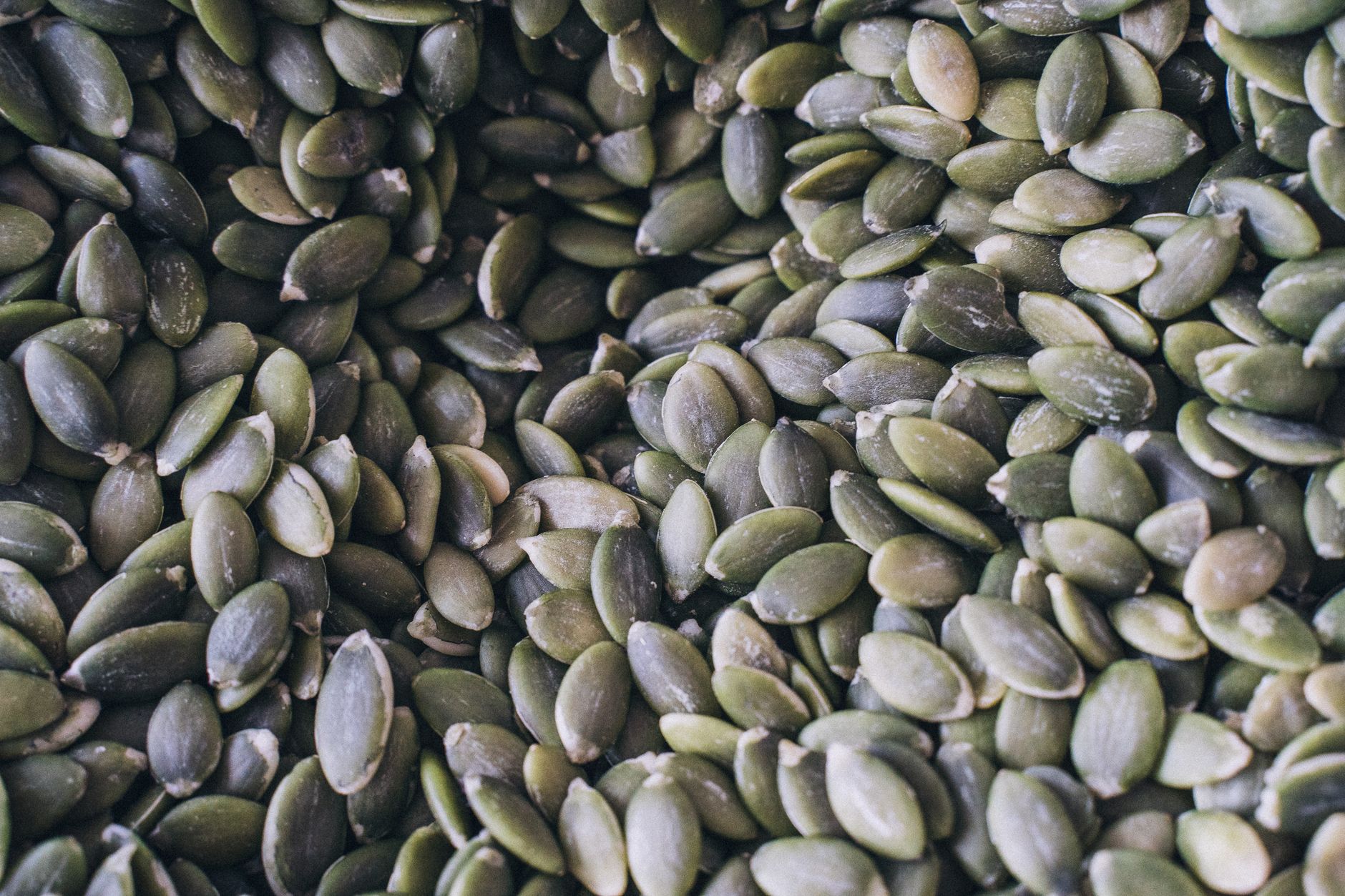
| Pumpkin seeds, cashews | Good plant sources |
| Legumes (chickpeas, lentils) | Plant source, absorbed less efficiently |
| Whole grains, dairy | Contribute to daily intake |
One detail for plant-based eaters: compounds called phytates in legumes and whole grains bind zinc and lower absorption. Soaking, sprouting, or fermenting these foods improves it — which is why plant-based eaters may need somewhat more zinc overall.
Supplements and the “zinc for colds” question
Zinc lozenges are popular at the first sign of a cold, and some evidence suggests they may modestly shorten cold duration — but mainly when started within about 24 hours and at adequate doses, and results are genuinely mixed. Weigh that against the downsides:
- Too much zinc causes nausea, and chronically high intake interferes with copper absorption, which can cause its own deficiency
- Don’t exceed the 40 mg/day upper limit without medical advice
- Nasal zinc products have been linked to lasting loss of smell — avoid them
💡 Tip: For everyday immune support, a varied diet with zinc-rich foods beats high-dose supplements — save lozenges for short-term use at the very start of a cold, if at all.
FAQ
Q. Does zinc cure colds?
No. Some evidence suggests zinc lozenges may modestly shorten a cold if started within ~24 hours, but it’s not a cure and the evidence is mixed. It won’t prevent colds.
Q. How much zinc do I need?
Roughly 8 mg/day for women and 11 mg/day for men, a bit more in pregnancy. More isn’t better — stay under 40 mg/day from supplements unless a doctor advises otherwise.
Q. Can I get enough from a plant-based diet?
Yes, with attention to zinc-rich plant foods, and soaking or sprouting legumes and grains to improve absorption. Some plant-based eaters need a little more due to lower absorption.
Sources
- U.S. National Institutes of Health, Office of Dietary Supplements — Zinc
- Harvard T.H. Chan School of Public Health — The Nutrition Source: Zinc
⚠️ Medical disclaimer: This article is for general information only and is not a substitute for medical advice. Consult a healthcare professional before taking zinc supplements, especially at higher doses or alongside other medications.



Leave a Reply