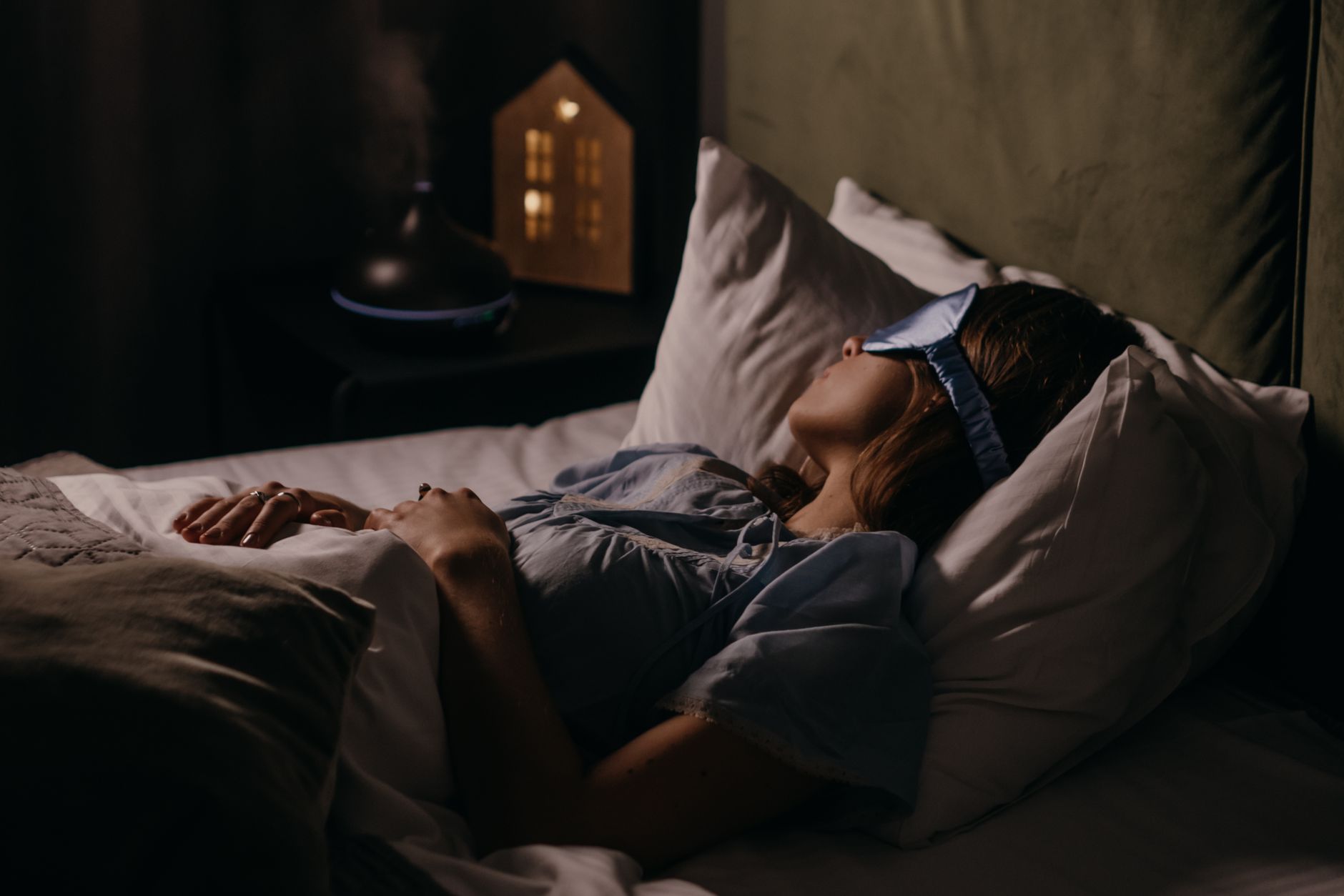
You feel exhausted, but the moment you lie down your mind races — and even when you do drift off, you keep waking up before dawn. The problem usually isn’t willpower. It’s your evening habits. Sleep isn’t a switch you flip; it’s a process your body prepares for hours in advance. Below are 7 routines sleep researchers consistently recommend, plus the science behind why they work. Change one at a time.
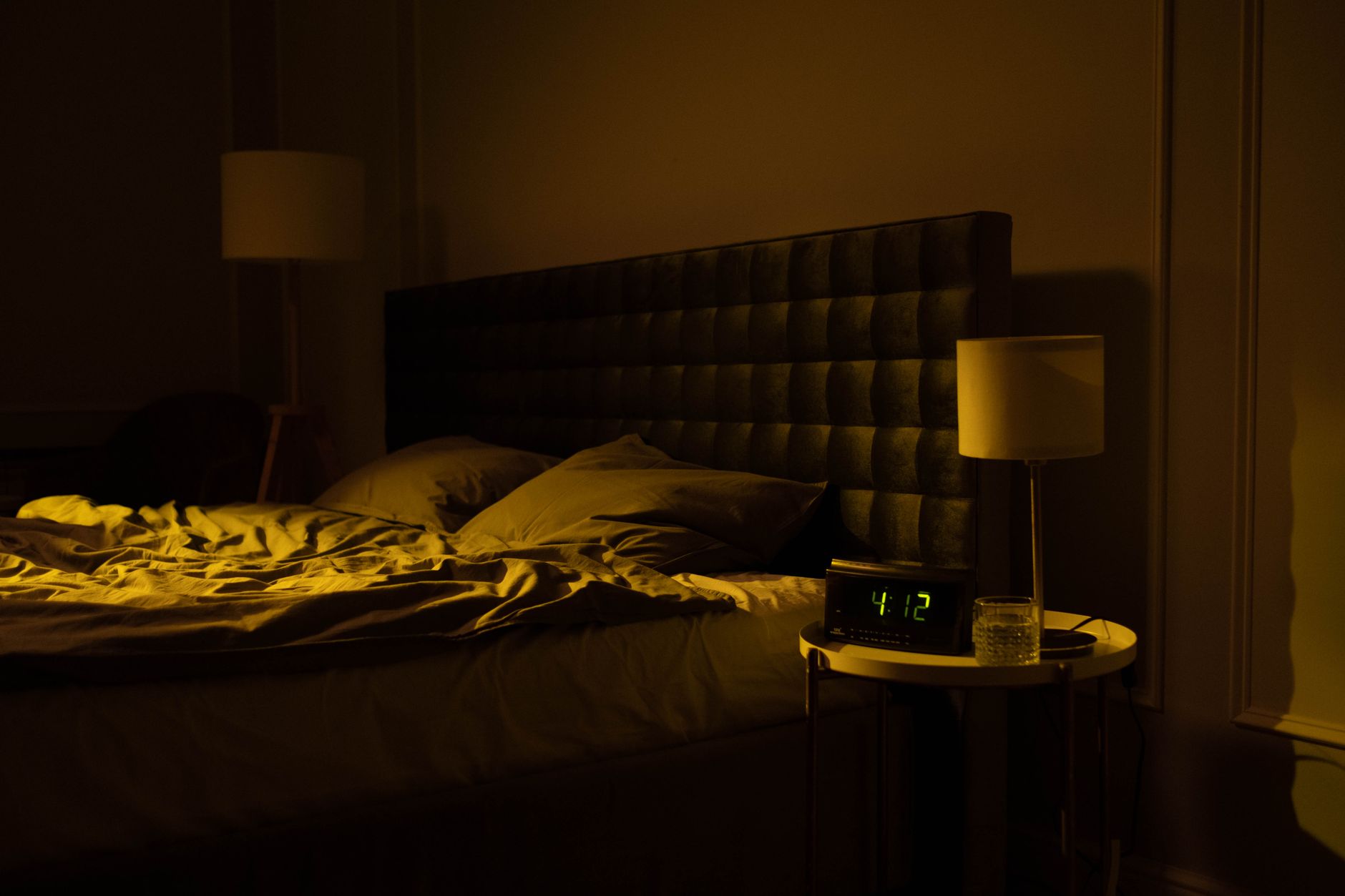
Why can’t you fall asleep?
Two systems govern sleep. One is sleep pressure: a chemical called adenosine builds up the longer you’re awake, making you sleepier as the day goes on. The other is your circadian rhythm, your internal 24-hour clock, which releases melatonin as night falls and lets your core temperature drop to prepare for sleep. Good sleep happens when these line up. Bright light, caffeine, late screens, and irregular bedtimes all interfere — so the goal isn’t to chase sleep, but to create the conditions for it. (And most adults genuinely need 7–9 hours; chronically sleeping less isn’t something you can fully train away.)
1. Go to bed and wake up at the same time
The most basic habit, and the most powerful — it keeps your circadian clock aligned. Try not to shift your wake-up time by more than an hour, even on weekends.
💡 Fix your wake-up time first. Once that’s consistent, your bedtime naturally follows.
2. Dim the lights 1–2 hours before bed
Bright evening light and screen glare suppress melatonin and push your clock later. Lower your room lights to a warm tone, switch your phone to night mode, and try to put screens away about 30 minutes before bed.
3. Cut off caffeine by early afternoon
Caffeine has a half-life of about 5 hours, meaning half of an afternoon coffee is still in your system at bedtime — and it works by blocking the very adenosine that makes you sleepy. If you sleep poorly, switch to caffeine-free drinks from early afternoon on.

4. Take a warm shower
A warm shower 1–2 hours before bed brings blood to the skin, so your core temperature falls afterward — and that temperature drop is one of the body’s signals that it’s time to sleep.
5. Optimize your bedroom
The rule is dark, cool, and quiet.
| Factor | Recommended |
|---|---|
| Temperature | A slightly cool ~18–20°C |
| Light | Blackout curtains; cover even small LED lights |
| Noise | Earplugs or white noise |
| Use | Keep the bed for sleeping only |
That last point matters more than people think: using the bed only for sleep helps your brain associate it with sleep rather than scrolling or worrying.
6. Wind down with breathing or stretching
If your thoughts won’t stop, relax your body first — it’s easier to calm the mind through the body than by force.
- 4-7-8 breathing: inhale 4s, hold 7s, exhale slowly 8s — repeat 5 times
- Gentle neck and shoulder stretches
- Write tomorrow’s worries in a notebook and hand them to “tomorrow you”
7. Get daylight and move during the day
Night sleep is actually decided during the day. Morning light anchors your body clock so melatonin arrives on time at night, and daytime activity builds the adenosine “sleep pressure” that helps you drift off. Just avoid intense exercise in the hour or two right before bed.
About that nightcap
Alcohol is a common DIY sleep aid — and a trap. It can help you fall asleep faster, but it suppresses REM sleep and fragments the second half of the night, so you wake more and feel less rested. A nightcap buys quicker sleep onset at the cost of sleep quality.
When to see a doctor
If, despite these changes, any of the following lasts more than 3 weeks, talk to a professional:
- It takes 30+ minutes to fall asleep most nights and it affects your day
- Loud snoring with pauses in breathing, or waking gasping (possible sleep apnea)
- Severe daytime drowsiness that disrupts daily life
For ongoing insomnia, the most effective treatment is CBT-I (cognitive behavioral therapy for insomnia), which works better and lasts longer than sleeping pills — ask your doctor about it.
Work out your own bedtime
What time should you go to bed?
Work backwards from when you have to be up. Adults need 7–9 hours, and falling asleep takes most people 10–20 minutes — time that is easy to forget to budget for.
If you regularly need more than 30 minutes to fall asleep, or wake and cannot get back to sleep, that is a pattern worth addressing rather than scheduling around — see why you wake at 3am and when to get tested for sleep apnea. Background: an evening routine that actually works.
FAQ
Q. Should I just lie there if I can’t sleep?
If you’re still awake after about 20 minutes, get up, do something calm in dim light, and return to bed only when you feel sleepy. Lying there frustrated trains your brain to associate the bed with being awake.
Q. Does a nightcap help?
You may fall asleep faster, but alcohol lowers sleep quality, suppresses REM, and makes you wake more during the night — so you feel less rested overall.
Q. How many hours do I actually need?
Most adults need 7–9 hours. Quality matters too: consistent, uninterrupted sleep is more restorative than the same hours broken up, so the habits above help on both fronts.
Sources
⚠️ Medical disclaimer: This article is for general information only and is not a substitute for medical diagnosis or treatment. If sleep problems persist, consult a healthcare professional.



Leave a Reply