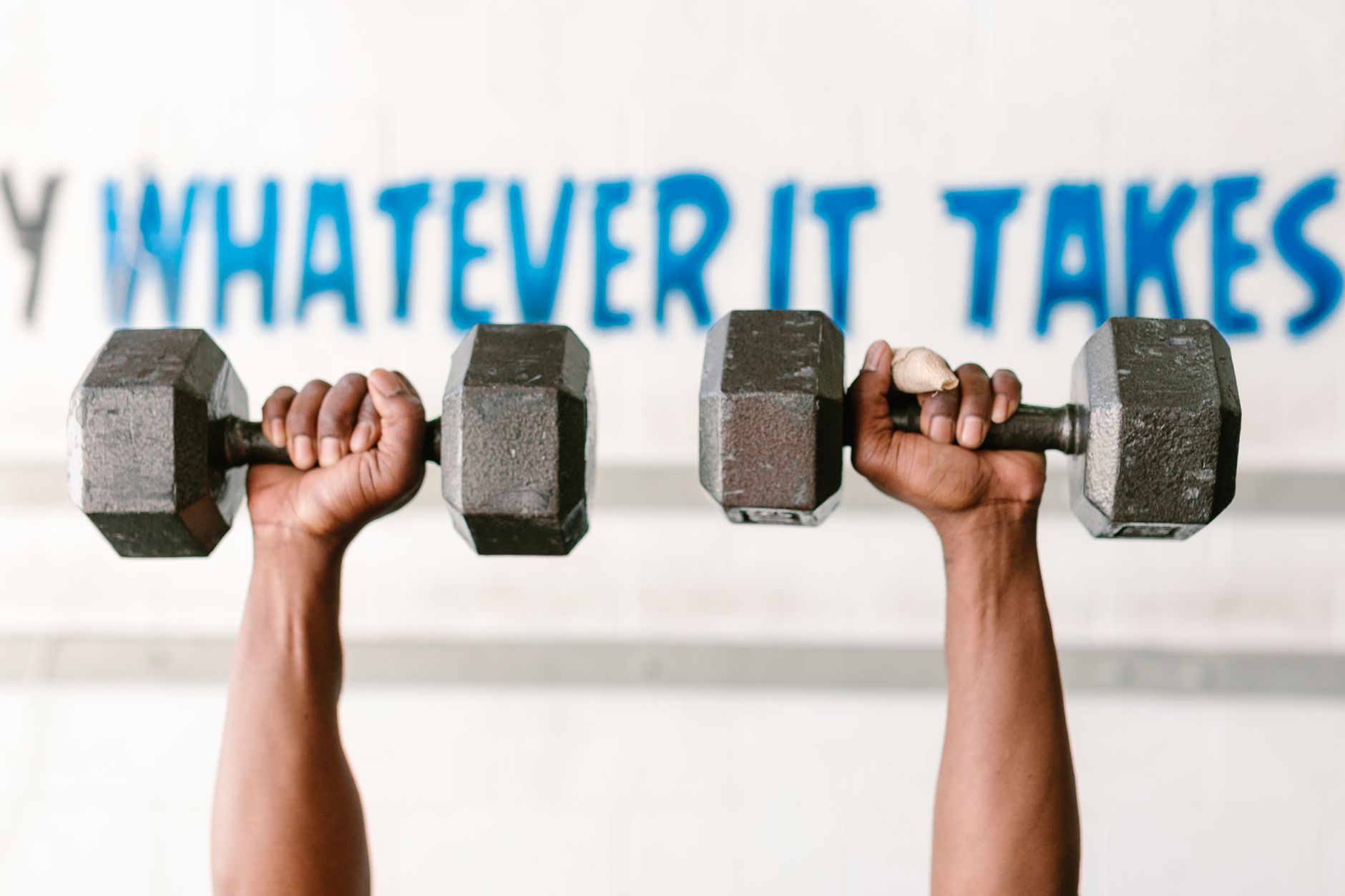
It sounds too simple to be true: how hard you can squeeze your hand turns out to be one of the best low-tech predictors of long-term health. Researchers now treat grip strength as a vital sign of aging — a quick window into the state of your whole body. But the story has an important catch that most headlines miss. Here’s what the science actually shows, why grip strength reflects so much, how to measure yours, and the simple ways to build it.
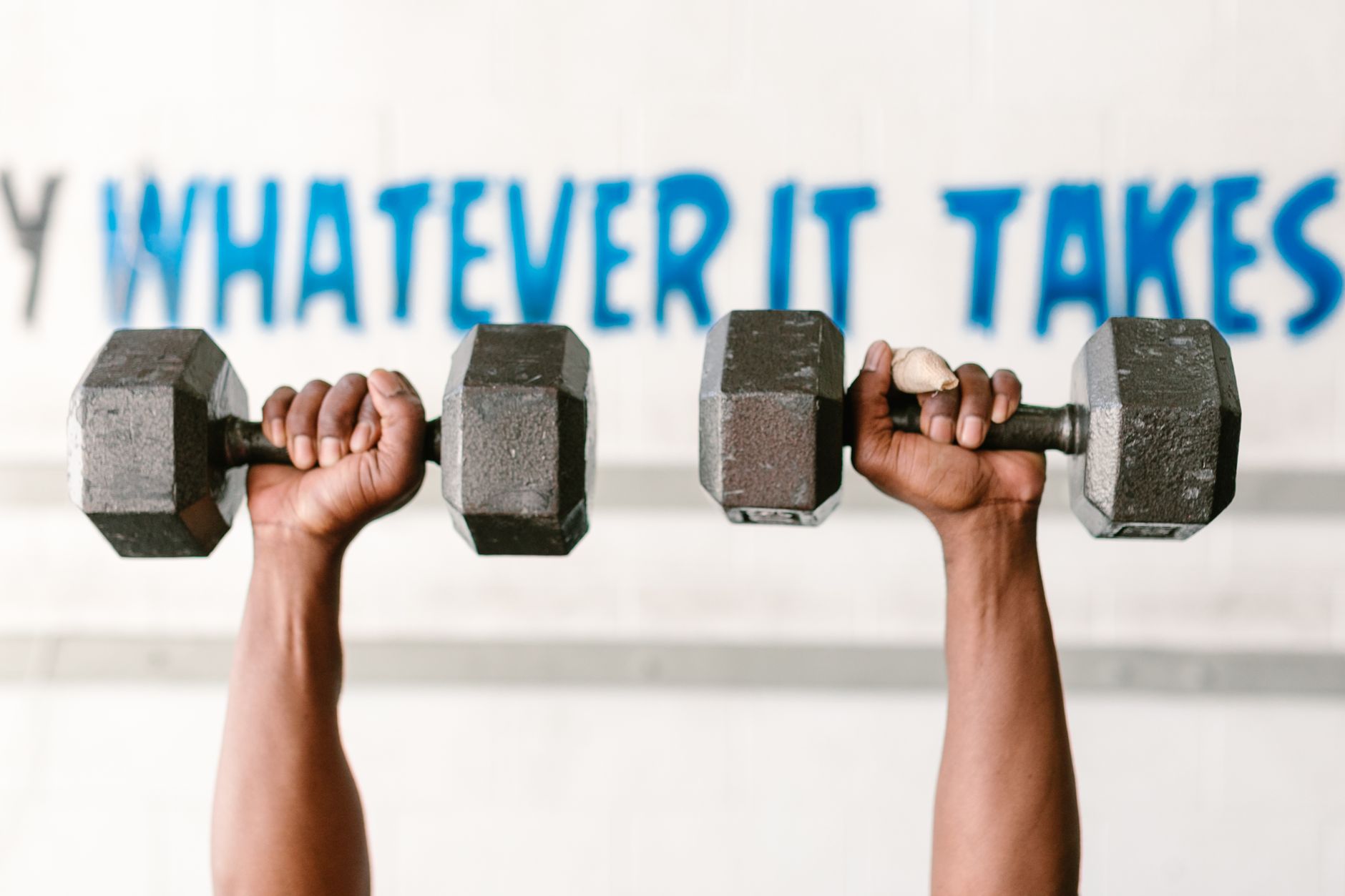
Why grip strength became a longevity marker
Grip strength is cheap, fast, and painless to measure — and it tracks health far better than you’d expect. The reason is that squeezing hard isn’t just about your hands. It draws on overall muscle mass, your nervous system, and your cardiovascular fitness, so a strong grip tends to signal a body that’s well-muscled, well-nourished, and active.
That’s why doctors and longevity researchers have started paying attention to it. It functions as a biomarker — a simple measurement that reflects what’s happening across many systems at once.
What the evidence shows
The numbers are genuinely striking. In the large international PURE study, every 5 kg (about 11 lb) drop in grip strength was associated with a 16% higher risk of death from any cause, a 17% higher risk of cardiovascular death, and a higher stroke risk. In some analyses, grip strength predicted all-cause death better than systolic blood pressure.
Pull the research together and the pattern is consistent: people with weaker grips, on average, face higher risks of early death, heart disease, and disability — while a strong grip tracks with healthier aging.
The honest catch: marker vs cause
Here’s what most articles leave out: grip strength is a marker, not a magic lever. Squeezing a hand-gripper by itself almost certainly won’t add years to your life. The reason grip predicts health is that it stands in for something bigger — your total muscle strength and overall fitness.
So the real takeaway isn’t “train your hands.” It’s that whole-body strength matters for longevity, and grip happens to be the easiest part to measure. Build overall strength and your grip improves as a side effect — along with the health it reflects. Chasing the number without building real strength misses the point.
How to measure your grip
You have a few options, from precise to practical:
- Hand dynamometer. A simple squeeze device, available for around $20–50 or at many clinics, gives a number in kg or lb you can track over time.
- Dead hang. Hang from a sturdy bar and time it. Building toward 30–60 seconds is a solid everyday goal.
- The real-world test. Notice whether carrying groceries, opening jars, or holding luggage has gotten harder — a meaningful change is worth acting on.
💡 Tip: Don’t fixate on a single reading. What matters is the trend over months. A grip that’s holding steady or improving as you age is the real win.
How to build a stronger grip
Because grip reflects total strength, the best approach is full-body resistance training, with a few grip-focused moves layered in:
- Loaded carries (farmer’s walks) — carry heavy dumbbells or kettlebells for distance
- Dead hangs from a bar, building up your time
- Deadlifts and rows, which demand a strong grip to hold the weight
- Skip the lifting straps sometimes, so your hands do the work
Train it 2–3 times a week and progress gradually. Most people can meaningfully improve grip and strength at any age — studies suggest consistent training can give a 60-year-old the strength of a much younger adult.
A note on caution: if you have arthritis, carpal tunnel, or a recent hand or wrist injury, start gentle and check with a doctor or physical therapist before loading your grip hard. Build up over time rather than forcing it.
FAQ
Q. Will squeezing a grip trainer make me live longer?
Probably not on its own. Grip strength predicts longevity because it reflects whole-body strength and fitness, not because your hands are special. Building overall strength is what matters — your grip improves as part of that, which is the version that actually counts.
Q. What’s a “good” grip strength?
It varies by age and sex, so the most useful comparison is you over time. Rather than chasing a universal number, track your own measurement and aim to keep it stable or rising as you get older.
Q. How often should I train grip?
Two to three sessions a week, folded into regular resistance training, is plenty. Loaded carries, dead hangs, and heavy pulling exercises build grip and overall strength together.
Sources
- Cleveland Clinic — What Grip Strength Says About Your Health
- Harvard Health — Grip strength may provide clues to heart health
⚠️ Medical disclaimer: This article is for general information only and is not a substitute for medical advice. If you have joint problems or a hand or wrist condition, talk to a healthcare professional before starting grip or strength training.




Leave a Reply