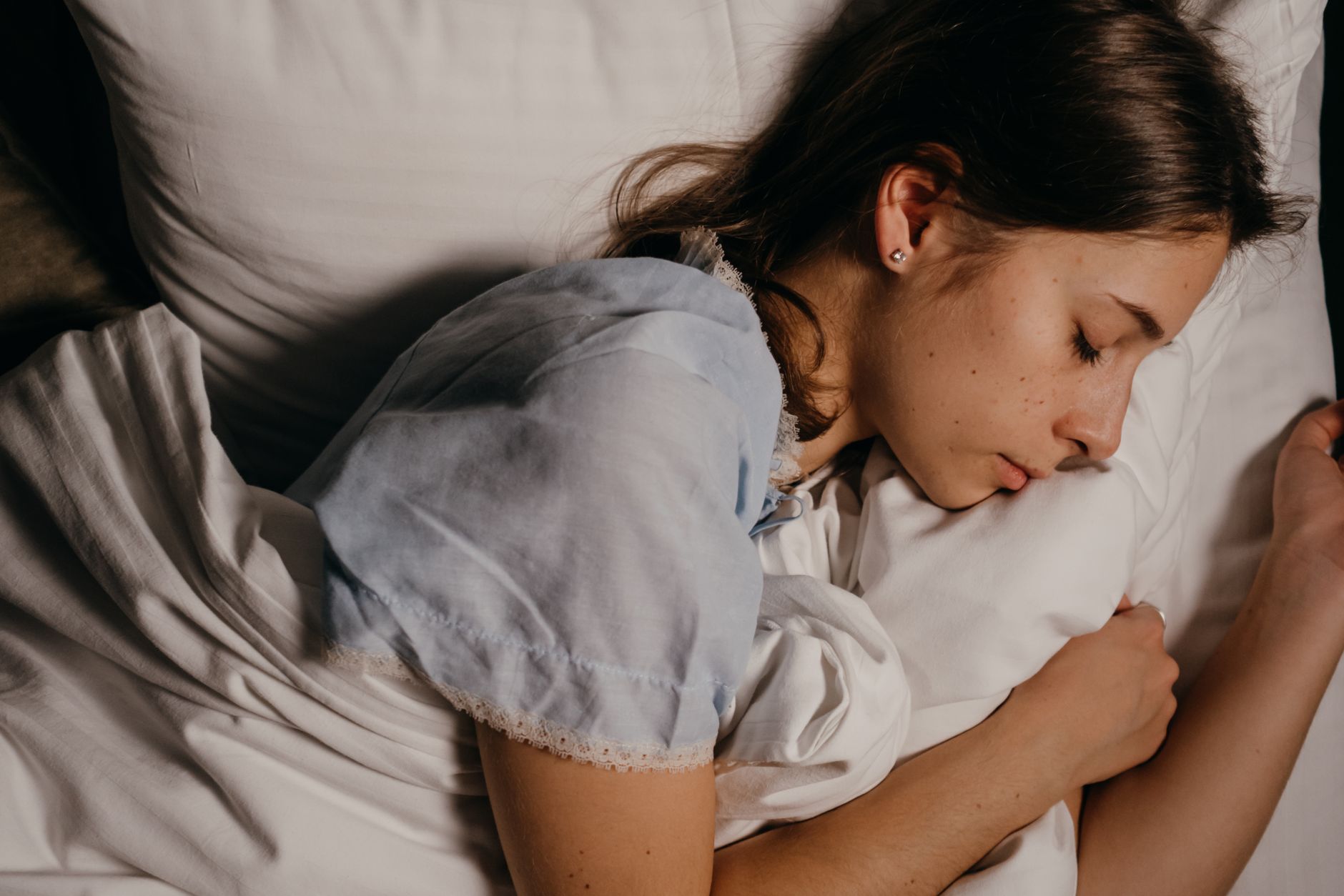
You sleep a full night but wake up exhausted, your partner complains about loud snoring, and you can’t shake daytime fatigue no matter what you do. These are classic signs of sleep apnea — a common but seriously underdiagnosed condition. By some estimates, more than 80% of people who have it are never diagnosed, quietly raising their risk of heart disease and more. Here’s what sleep apnea actually is, the warning signs, why it matters so much, and when to get tested.
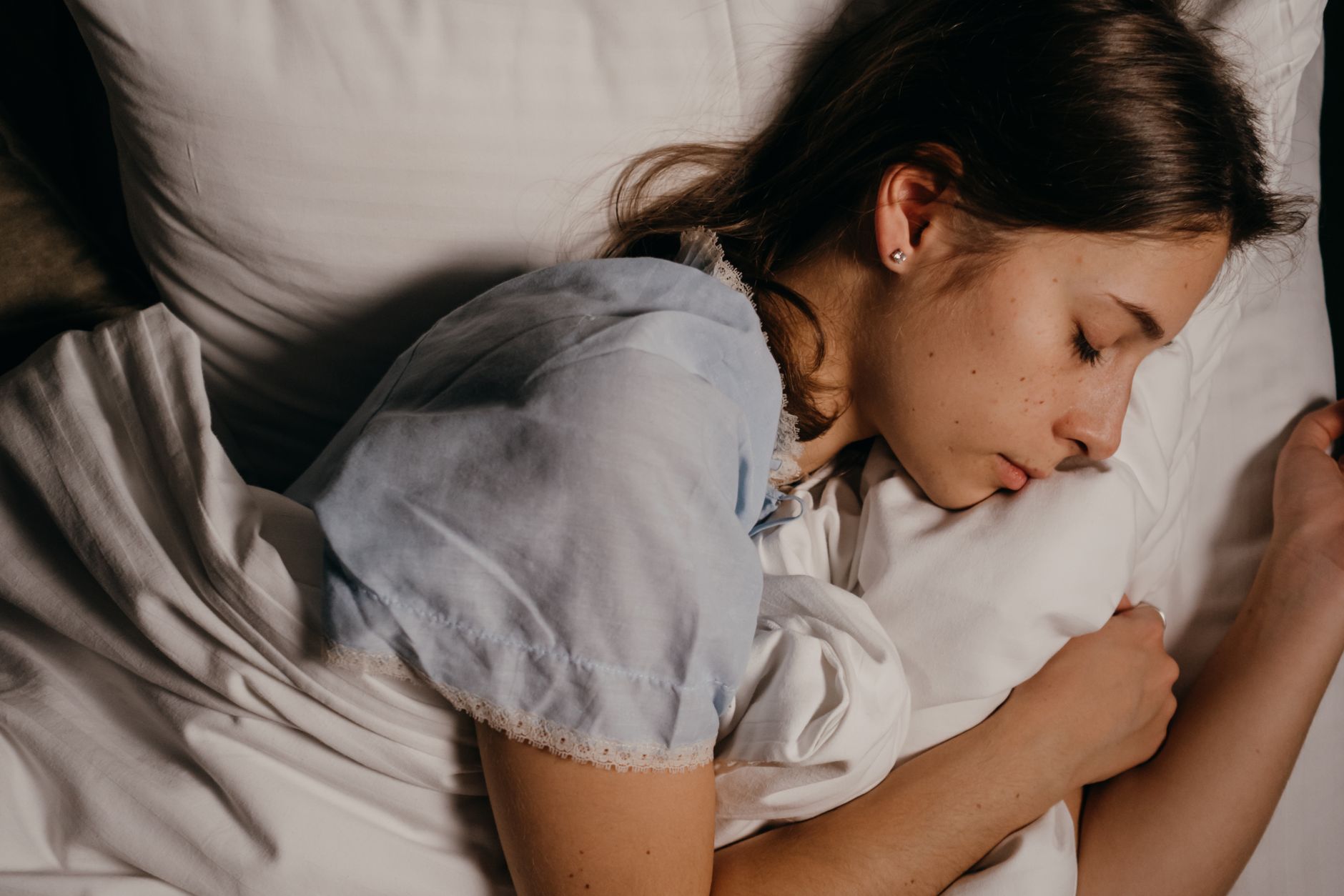
What sleep apnea actually is
In the most common form — obstructive sleep apnea (OSA) — the muscles at the back of your throat relax during sleep and the airway repeatedly collapses, so breathing briefly stops and restarts over and over through the night. Each time, your blood oxygen dips and your brain jolts you into a lighter sleep just enough to reopen the airway.
You usually don’t remember these awakenings — which is exactly why it’s so easy to miss. But they can happen dozens of times an hour, shredding your sleep quality even if you spent eight hours in bed. That’s why the fatigue feels inexplicable: you slept, but you never truly rested.
The warning signs (and why it’s missed)
Sleep apnea is more than snoring, and the most telling clues often come from a bed partner:
- Loud, chronic snoring
- Pauses in breathing, gasping, or choking during sleep (often noticed by a partner)
- Waking unrefreshed despite enough hours
- Excessive daytime sleepiness — dozing off at your desk, in meetings, or driving
- Morning headaches, dry mouth, or sore throat
- Waking to urinate at night
- Irritability, trouble concentrating, or memory lapses
It’s missed so often because the main symptom — fragmented sleep — happens while you’re unconscious. Many people blame stress or aging for the daytime exhaustion and never connect it to their breathing.
Why untreated sleep apnea is dangerous
This isn’t just about feeling tired. Each drop in oxygen and micro-awakening stresses your cardiovascular system, night after night. Left untreated, sleep apnea is an independent risk factor for high blood pressure, heart disease, stroke, and type 2 diabetes, and it’s linked to higher overall mortality.
There’s an immediate danger too: the daytime drowsiness markedly raises the risk of motor vehicle accidents. Treating sleep apnea isn’t a comfort upgrade — for many people it’s genuinely protective.
Who’s most at risk
Some factors make sleep apnea much more likely:
| Risk factor | Why |
|---|---|
| Excess weight | Fat around the neck/airway narrows it |
| Larger neck circumference | Less room for the airway |
| Being male, or older | Higher prevalence |
| Alcohol or sedatives before bed | Relax throat muscles further |
| Nasal congestion / structure | Harder to breathe through the night |
| Family history | A genetic component |
Women’s risk also rises notably after menopause. Importantly, you can have sleep apnea without being overweight — body type is a risk factor, not a requirement.
Getting tested and treated
If the signs sound familiar, the next step is simple: see a doctor. Don’t try to self-diagnose from an app. A clinician can arrange a sleep study — either an overnight test in a lab (polysomnography) or, increasingly, a portable home sleep test — to measure your breathing and oxygen and confirm whether you have apnea and how severe it is.
The good news is that it’s very treatable. CPAP (a small machine that keeps your airway open with gentle air pressure) is the gold-standard treatment, and users often report dramatically better sleep, energy, and mood — with research linking it to lower cardiovascular risk. Other options, depending on severity, include weight loss, side-sleeping (positional therapy), oral appliances, treating nasal congestion, and avoiding alcohol before bed. The right plan is one your doctor tailors to you.
FAQ
Q. Does snoring always mean sleep apnea?
No. Plenty of people snore without having apnea. The red flags that point to apnea are snoring plus pauses or gasping in breathing, and daytime exhaustion. If those are present, it’s worth getting checked.
Q. Can I have sleep apnea if I’m not overweight?
Yes. While excess weight is a major risk factor, sleep apnea also occurs in lean people due to airway anatomy, a smaller jaw, large tonsils, nasal issues, or genetics. Don’t rule it out based on your weight alone.
Q. Do I really need a sleep study, or can an app tell me?
Apps and wearables can hint at a problem, but they can’t diagnose sleep apnea. A proper sleep study — in a lab or with a doctor-ordered home kit — is what confirms it and measures severity, which is essential for choosing the right treatment.
Sources
⚠️ Medical disclaimer: This article is for general information only and is not a substitute for medical advice. If you have signs of sleep apnea, see a healthcare professional for proper testing and diagnosis.




Leave a Reply