
Tag: hydration

  • Do You Really Need Electrolyte Drinks? What the Science Says

    Do You Really Need Electrolyte Drinks? What the Science Says

    Electrolyte powders and tablets have become a wellness staple — sold for energy, focus, hangovers, and “optimal hydration.” But here’s the honest answer most marketing skips: for everyday life and short workouts, plain water plus a normal diet covers your electrolytes just fine. They earn their place in specific situations, not as a daily habit. Here’s how to tell the difference.

    Clear glass of water with sliced lemons on a wooden surface in natural sunlight.
    For most everyday hydration, water plus a balanced diet is all you need (사진: Arina Krasnikova / Pexels)

    What electrolytes actually do

    Electrolytes are minerals — mainly sodium, potassium, magnesium, and chloride — that carry electrical charge and help run your nerves, muscles, and fluid balance. You lose them mostly through sweat and urine, and you replace them through food and drink. The key point: your body is very good at keeping these in balance, and a normal diet supplies plenty for ordinary days.

    When water is all you need

    For most situations, plain water is the right choice:

    • Everyday hydration at your desk or around the house
    • Light activity and walks
    • Workouts under about an hour

    In these cases, you’re not losing enough electrolytes to need replacing on the spot. A balanced diet — fruit, vegetables, dairy, a normal amount of salt — refills them naturally across the day.

    When electrolyte drinks genuinely help

    There are real scenarios where they make a difference:

    Situation Why electrolytes help
    Hard exercise over ~60 minutes Replaces sodium lost in sweat, sustains performance
    Training or working in the heat Heavy sweating drains sodium faster
    Illness with vomiting or diarrhea Rapid fluid and electrolyte loss (oral rehydration solutions)
    Endurance events Prevents low sodium from drinking only water for hours

    💡 Tip: If you’re sweating heavily for more than an hour, that’s the clearest signal an electrolyte drink is worth it — not a casual gym session.

    The sodium catch most products miss

    Here’s a detail the labels rarely highlight: to actually improve hydration, research points to a sodium concentration of roughly 40–100 mmol/L. Many popular sports drinks sit at only 20–30 mmol/L — low enough that the hydration benefit is inconsistent. So a drink can be marketed for “hydration” while being too dilute in sodium to meaningfully outperform water. If you genuinely need electrolytes, the sodium dose matters more than the flavor or the trendy label.

    The downsides of overdoing it

    For healthy people, extra electrolytes from the occasional drink aren’t harmful — your kidneys clear the excess. But daily electrolyte drinks add up: many are loaded with sodium you don’t need, and some contain added sugar. If you have high blood pressure, kidney disease, or heart conditions, the extra sodium isn’t trivial — check with your doctor before making them a habit.

    FAQ

    Are electrolyte drinks better than water for daily hydration?
    For most people, no. Plain water plus a normal diet keeps you hydrated and replaces electrolytes naturally. Electrolyte drinks mainly help during prolonged sweating, heat, or illness — not routine days.

    Do I need electrolytes after a normal gym workout?
    Usually not. For exercise under about an hour, water is enough and your next meal replaces what you lost. Reserve electrolyte drinks for sessions over 60 minutes or heavy sweating in heat.

    What should I look for in an electrolyte drink?
    Enough sodium to matter (many products are too low), little or no added sugar unless you need fuel for endurance, and a reason to use it. If you don’t fit a high-sweat or illness scenario, you probably don’t need one at all.


    Sources

    ⚠️ Medical disclaimer: This article is for general information only and is not a substitute for medical advice. If you have high blood pressure, kidney disease, or another condition affecting sodium or fluid intake, consult a qualified healthcare professional.
  • How Much Water Should You Actually Drink a Day?

    How Much Water Should You Actually Drink a Day?

    “Drink 8 glasses of water a day” is one of the most repeated pieces of health advice — but it’s a rough rule of thumb, not a scientific law, and it’s often misunderstood. Your real needs depend on your body, activity, climate, and even what you eat, and for most healthy people the body is remarkably good at managing it. Here’s a clearer, more practical answer.

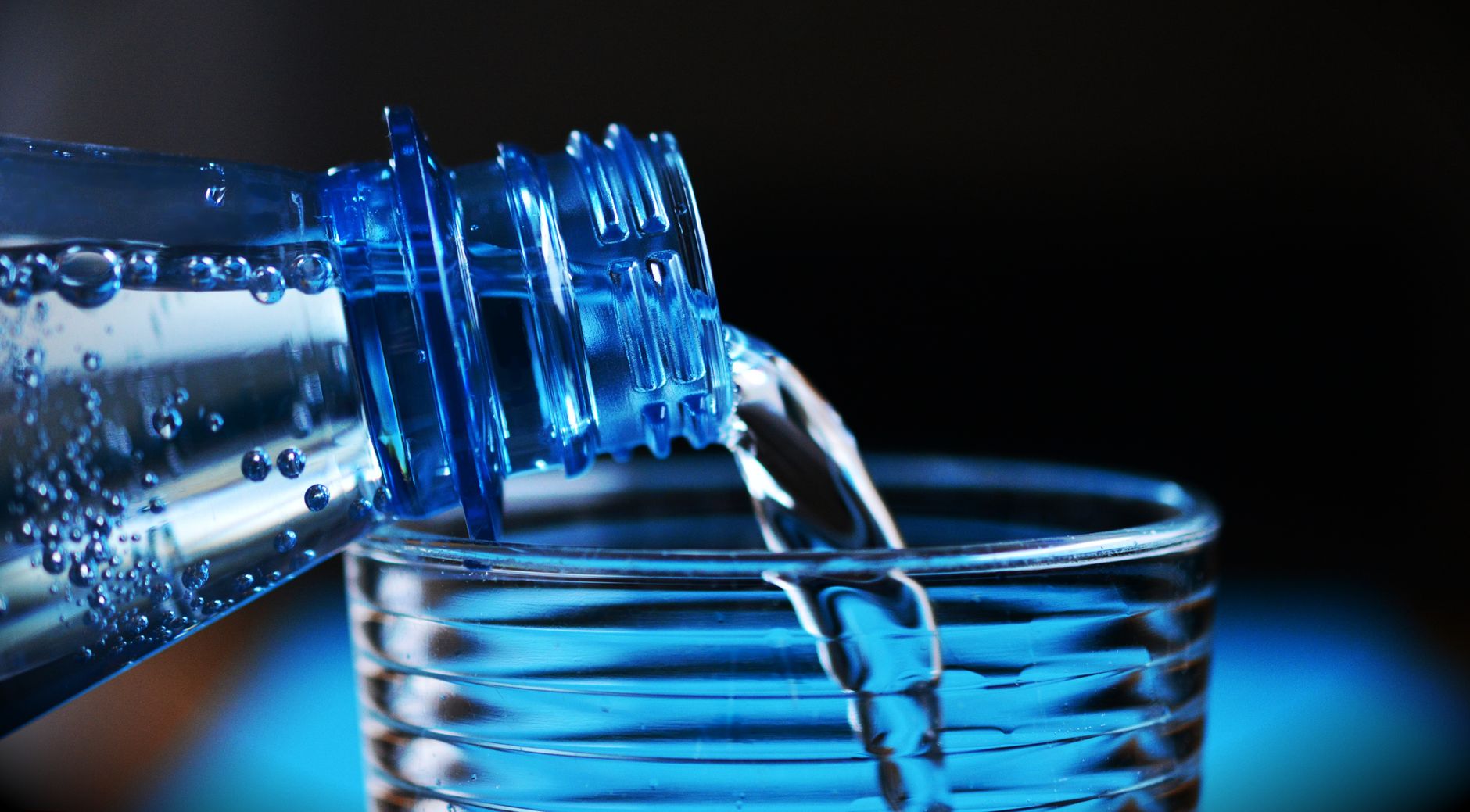
    Close-up of sparkling water being poured from a bottle into a glass with bubbles visible.
    Your water needs depend on your body, activity, and climate (사진: Pixabay / Pexels)

    Where the “8 glasses” rule came from

    The famous “eight 8-oz glasses” target has surprisingly thin origins. It’s often traced to a 1945 recommendation of about 2.5 liters of fluid a day — but the same advice noted that much of that comes from food, a part that got dropped in the retelling. There’s little hard evidence that healthy adults need to force down a fixed number of glasses. It’s a memorable goal, not a medical requirement.

    So, how much do you really need?

    General guidance from health authorities suggests a total daily fluid intake of roughly:

    • About 2.7 liters (≈11 cups) for women
    • About 3.7 liters (≈15 cups) for men

    Here’s the key that most people miss: that’s total fluids from all sources, not plain water alone — and about 20% typically comes from food. So the amount you actually need to drink is meaningfully less than those headline numbers.

    What counts toward your fluids

    You don’t have to get every drop from a water bottle. These all contribute:

    • Water and sparkling water
    • Tea and coffee — yes, in normal amounts they hydrate, despite the old myth
    • Milk and plant milks
    • Water-rich foods: fruit, vegetables, soups, yogurt

    Simple signs you’re well hydrated

    Forget counting every milliliter — your body gives reliable signals:

    Sign What it suggests
    Pale straw-yellow urine Well hydrated
    Dark yellow urine Drink more
    Rarely thirsty, normal energy Likely fine
    Headache, fatigue, dry mouth, dizziness Possible dehydration

    One nuance: urine that’s completely clear all the time isn’t a goal — it can mean you’re drinking more than you need. Aim for pale yellow, not colorless.

    💡 Tip: For most healthy adults, thirst is a reliable everyday guide. Drink when thirsty, keep water handy, and top up around exercise, heat, and illness.

    When you need more — and who should be careful

    Drink more than usual when you’re exercising or sweating heavily, in hot or humid weather, ill with fever, vomiting, or diarrhea, or pregnant or breastfeeding. Two groups deserve extra attention in both directions: older adults often have a blunted sense of thirst, so they may need to drink on a schedule rather than wait to feel thirsty; and people with heart failure, kidney disease, or on certain medications may actually need to limit fluids — for them, more is not better, and the right amount comes from their doctor.

    Can you really drink too much?

    Rarely, but yes. Drinking extreme amounts in a short time — common in some endurance events or misguided “water challenges” — can dilute blood sodium to dangerous levels, a condition called hyponatremia. For everyday life this is uncommon. The simple safeguard is to spread your intake through the day rather than forcing huge volumes at once.

    FAQ

    Q. Does coffee dehydrate me?
    In normal amounts, no. The fluid in coffee and tea more than offsets their mild diuretic effect, so they count toward your daily total.

    Q. Should I drink a fixed number of glasses?
    A target can be a helpful reminder, but it’s not mandatory. For most people, urine color and thirst are better guides than a fixed count.

    Q. Is it better to drink cold or warm water?
    Hydration is the same either way — drink whichever temperature you’ll actually drink more of.


    Sources

    ⚠️ Medical disclaimer: This article is for general information only and is not a substitute for medical advice. If you have a heart, kidney, or other condition that affects fluid intake, follow your doctor’s guidance rather than general targets.