The official recommendation — 0.8 grams of protein per kilogram of body weight per day — is the amount that prevents deficiency, not the amount that keeps you strong. For most adults, especially anyone over 50 or anyone who exercises, the research points higher: roughly 1.0–1.6 g per kilogram, spread across the day. Here’s how to find your number and actually hit it.
The RDA is a floor, not a target
The 0.8 g/kg figure was set to prevent deficiency in nearly everyone — the nutritional equivalent of a minimum wage. Meeting it means you won’t be deficient; it doesn’t mean you’re eating optimally for muscle, satiety, or healthy aging. That distinction explains why two credible-sounding numbers (“you need 50 g” vs. “you need 100 g”) can both be technically right.
Finding your number
Your weight in kilograms times the factor that matches your situation:
| Situation | Daily protein |
|---|---|
| Healthy, mostly sedentary adult | 1.0–1.2 g/kg |
| Regularly active or losing weight | 1.2–1.6 g/kg |
| Strength training regularly | up to ~1.6–1.7 g/kg |
| Adults 65+ (healthy) | at least 1.0–1.2 g/kg |
| Recovering from illness (with medical guidance) | 1.2–1.5 g/kg |
For a 70 kg (154 lb) adult, 1.2 g/kg is 84 g of protein a day — about what three balanced meals with a clear protein source provide.
Why the target rises as you age
Older bodies become less responsive to protein — a phenomenon called anabolic resistance — so the same meal builds less muscle at 70 than at 30. Combine that with naturally declining appetite, and it’s no surprise that studies find around 30% of men and up to half of women over 70 don’t even reach the minimum. Since muscle loss (sarcopenia) drives frailty and falls, protein quietly becomes one of the highest-leverage nutrients of later life.
Spread it across the day
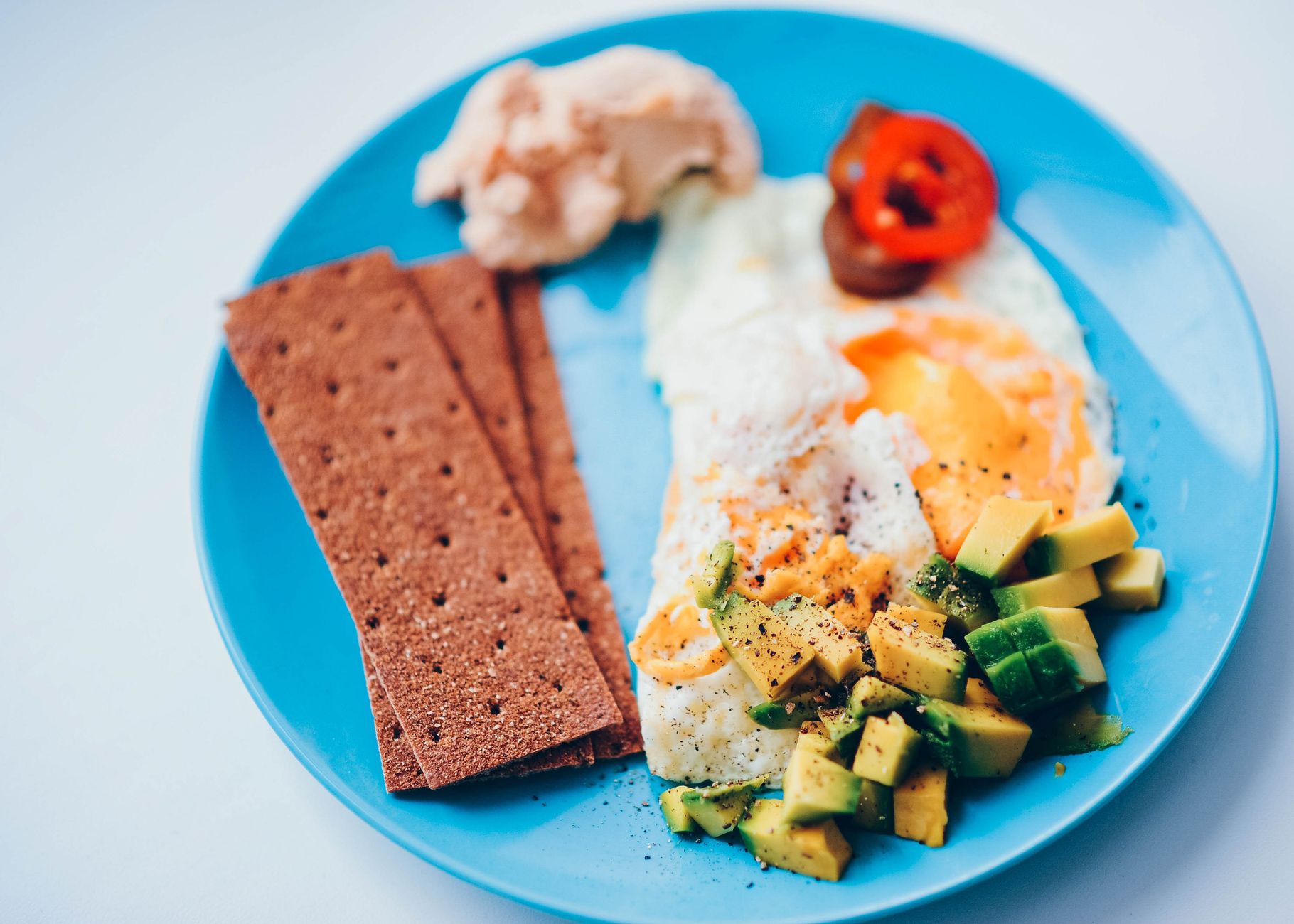
Your muscles respond best to roughly 25–30 g of protein per meal — about 0.4 g/kg. The typical Western pattern (almost no protein at breakfast, a huge portion at dinner) leaves the morning dose below the threshold where muscle-building switches on. Moving some protein to breakfast — eggs, Greek yogurt, leftover chicken — is one of the simplest upgrades.
💡 Tip: Quick mental check: does each meal contain a palm-sized portion of something protein-rich? If breakfast fails the test, start there.
Good sources, animal and plant
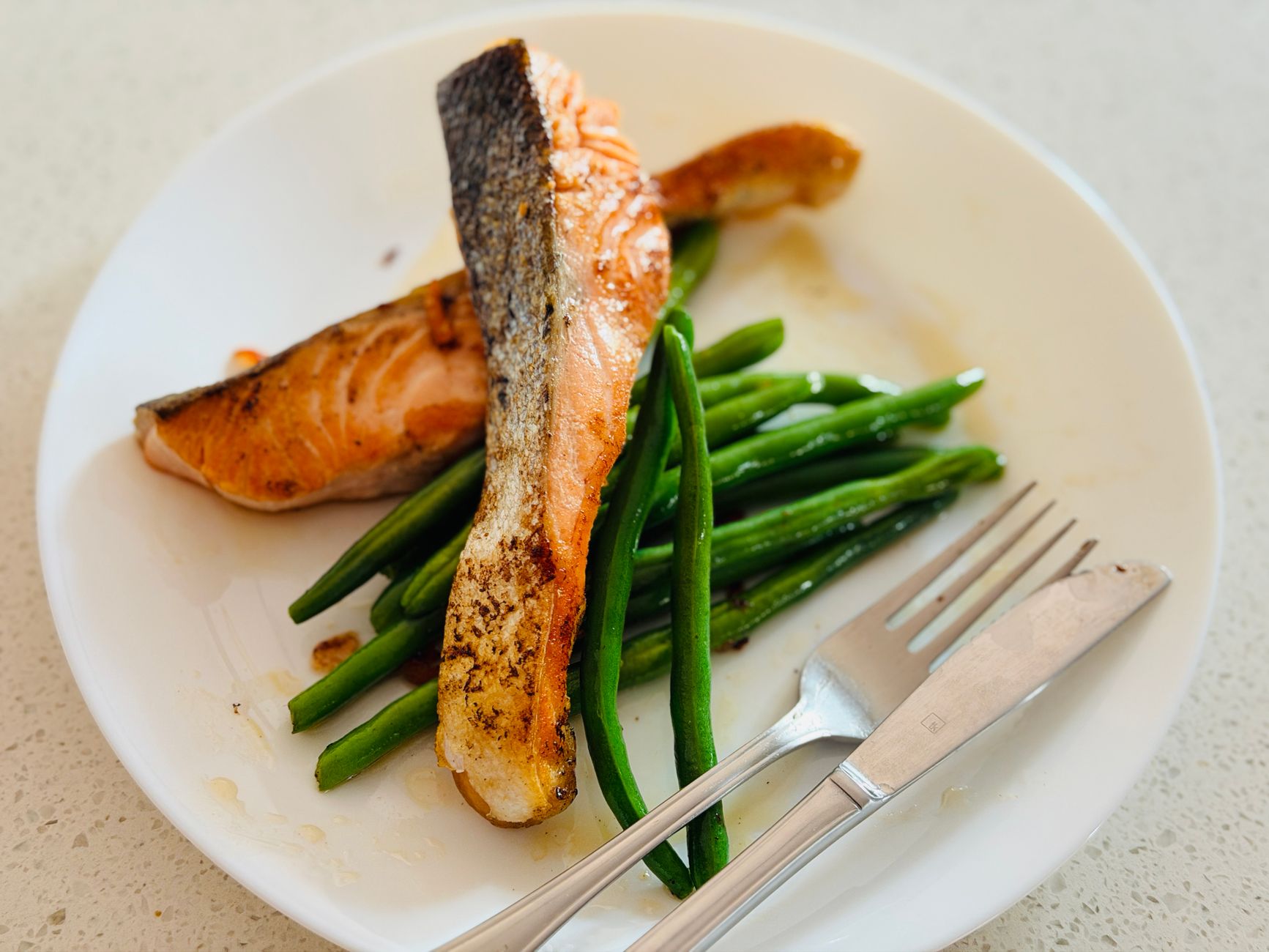
Both work. Animal sources (fish, poultry, eggs, dairy, lean meat) are protein-dense and complete. Plant sources (beans, lentils, tofu, tempeh, nuts, whole grains) bring fiber and healthy fats along for the ride — you just need slightly larger portions, since their protein is less concentrated. Mixing plant sources across the day covers any amino-acid gaps; strict planning isn’t necessary.
The kidney question
The persistent worry that higher protein damages kidneys isn’t supported in people with healthy kidneys — research at intakes well above the RDA hasn’t shown harm. The caveat is real, though: if you have existing kidney disease, protein targets are genuinely different and should be set with your doctor.
FAQ
Can you eat too much protein?
Beyond roughly 2 g/kg there’s no added benefit for most people, and very high intakes can crowd out fiber-rich foods. The practical risk of moderately high protein is low for healthy adults — the bigger problem, statistically, is too little.
Do I need protein powder?
No — it’s a convenience, not a requirement. Most people can hit their target with food. Powder earns its place if appetite is low, you’re often rushed, or breakfast protein is hard to manage.
Is plant protein enough to build muscle?
Yes. With slightly larger portions and variety across the day (beans, soy, lentils, grains), plant-based eaters build and keep muscle effectively — soy and pea protein perform close to whey in training studies.
Sources
- Harvard T.H. Chan School of Public Health — The Nutrition Source: protein
- PROT-AGE Study Group and 2025 review on protein and aging (Nutrients)
⚠️ Medical disclaimer: This article is for general information only and is not a substitute for medical advice. If you have kidney disease or another medical condition affecting your diet, consult a qualified healthcare professional before changing your protein intake.