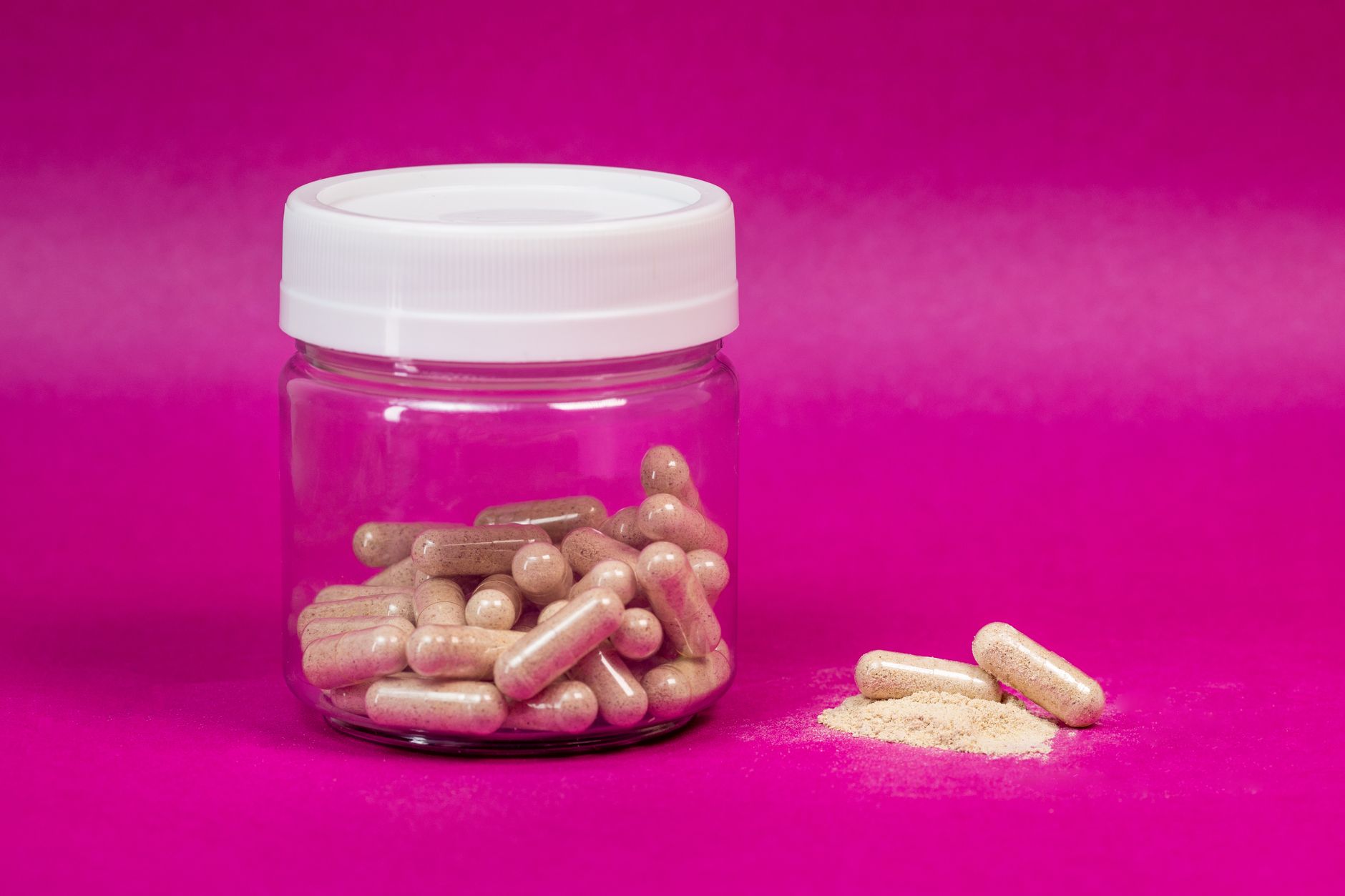
Adaptogens — herbs marketed to help your body “adapt” to stress — are one of the fastest-growing supplement categories of 2026, and ashwagandha leads the pack. It’s in gummies, lattes, and sleep blends, with bold promises about calm, focus, and better sleep. So what holds up? Of all the adaptogens, ashwagandha actually has a respectable body of human research. Here’s what the evidence really shows, how it’s typically taken, and the safety caveats that matter most.
What “adaptogens” really means
“Adaptogen” isn’t a strict medical category — it’s a label for plants traditionally used to help the body cope with stress. The proposed idea is that they nudge the HPA axis (the hypothalamic-pituitary-adrenal system that governs your stress response) toward balance, dampening the cortisol surge of chronic stress.
The best-known examples are ashwagandha (Withania somnifera), rhodiola, and Asian ginseng. The catch: “adaptogen” is more a marketing term than a guarantee of effect, and the quality of evidence varies enormously from herb to herb. Ashwagandha simply happens to be the one with the most clinical trials behind it.
What the evidence says about ashwagandha
This is where ashwagandha stands out. Multiple randomized, placebo-controlled trials — typically running 8 weeks with standardized root extract — have found meaningful reductions in perceived stress and anxiety scores, and lower cortisol, versus placebo. Some studies also report modest improvements in sleep quality.
Two honest caveats keep this in perspective:
- Trials are mostly small and short. Many have a few dozen participants over 1–3 months, and several were funded by supplement makers.
- It’s a nudge, not a cure. As Cleveland Clinic puts it, ashwagandha may ease symptoms of stress so you feel more at ease — but it won’t make the source of the stress go away. It works best alongside sleep, movement, and the basics, not instead of them.
In short: the evidence is genuinely better than for most herbal supplements, while still being early.
How to take it
If you want to try it, a few practical points reflect how it’s used in the research:
- Form: Standardized root extract (brands like KSM-66 or Sensoril) is what most trials used — not generic “ashwagandha powder” of unknown strength.
- Dose: Studies most often use 250–600 mg per day; more isn’t necessarily better.
- Timing: Many take it with food to limit stomach upset; an evening dose is common when sleep is the goal.
- Patience: Effects build over weeks, not hours. If nothing changes after about 8 weeks, it’s probably not for you.
💡 Tip: Supplements aren’t regulated like medicines, so quality varies. Look for a standardized extract and third-party testing (such as USP or NSF) on the label.
Safety and side effects
For most healthy adults, ashwagandha is well tolerated in the short term — studies generally cover up to about 3 months. Common side effects are mild: stomach upset, loose stools, nausea, or drowsiness.
Two things deserve real caution. First, long-term safety isn’t established — there’s little data beyond a few months. Second, there have been rare reports of liver injury linked to ashwagandha supplements. Stop and see a doctor promptly if you notice yellowing skin or eyes, dark urine, or unusual abdominal pain.
Who should avoid ashwagandha
This is the most important section. Skip ashwagandha, or talk to a doctor first, if you are:
| Group | Why |
|---|---|
| Pregnant or breastfeeding | Insufficient safety data; traditionally avoided in pregnancy |
| Living with a thyroid disorder | It may raise thyroid hormone levels |
| Managing an autoimmune condition | It may stimulate immune activity |
| Taking sedatives, thyroid, blood pressure, or diabetes medication | Effects can stack and interact |
| Scheduled for surgery | Stop well beforehand due to sedative effects — tell your surgeon |
| Living with liver disease | Given the rare liver-injury reports |
When in doubt, run it past a pharmacist or doctor — especially if you take any regular medication.
FAQ
Q. Does ashwagandha actually work for stress?
The evidence is better than for most herbs: several short, placebo-controlled trials show reduced stress and anxiety scores and lower cortisol. But studies are small and short, and it eases symptoms rather than removing the cause — think of it as support, not a fix.
Q. How long until I notice anything?
Most trials run about 8 weeks, and benefits build gradually over that time. If you feel no difference after roughly two months, it’s reasonable to stop.
Q. Is it safe to take every day, long term?
Short-term use (up to ~3 months) is generally well tolerated, but long-term safety isn’t established and rare liver-injury cases have been reported. Periodic breaks and a doctor’s input are sensible, especially with ongoing use.
Sources
- U.S. National Institutes of Health, Office of Dietary Supplements — Ashwagandha
- Cleveland Clinic — Ashwagandha: Uses and Side Effects
⚠️ Medical disclaimer: This article is for general information only and is not a substitute for medical advice. Talk to a healthcare professional before starting any supplement, especially if you are pregnant, have a health condition, or take medication.