
We ask a lot of our eyes — hours of screens, bright sun, and the slow effects of age. The good news is that a few foods and simple habits genuinely support long-term eye health. No single trick gives you “perfect vision,” but together these basics add up.
What your eyes actually need
Your eyes are living tissue that benefit from antioxidants, a couple of specific pigments, and healthy blood flow. That means diet, daily habits, and protection from sun and strain all play a part — not any one miracle food or supplement.
Think of it as three layers: feed your eyes well, rest them often, and protect them from damage.
The key nutrients for eyes
A handful of nutrients have the most evidence behind them.
| Nutrient | Where to find it |
|---|---|
| Lutein & zeaxanthin | Leafy greens, egg yolks, corn |
| Omega-3 (DHA/EPA) | Salmon, sardines, walnuts, flax |
| Vitamin A / beta-carotene | Carrots, sweet potato, squash |
| Vitamin C & E | Citrus, peppers, nuts, seeds |
| Zinc | Beans, eggs, lean meat, seeds |
The carrot myth
Carrots earned their reputation because vitamin A matters for night vision — but eating extra only helps if you were low to begin with. They won’t give you super-sight. If anything, leafy greens rich in lutein are the underrated eye food.
Screens and digital eye strain
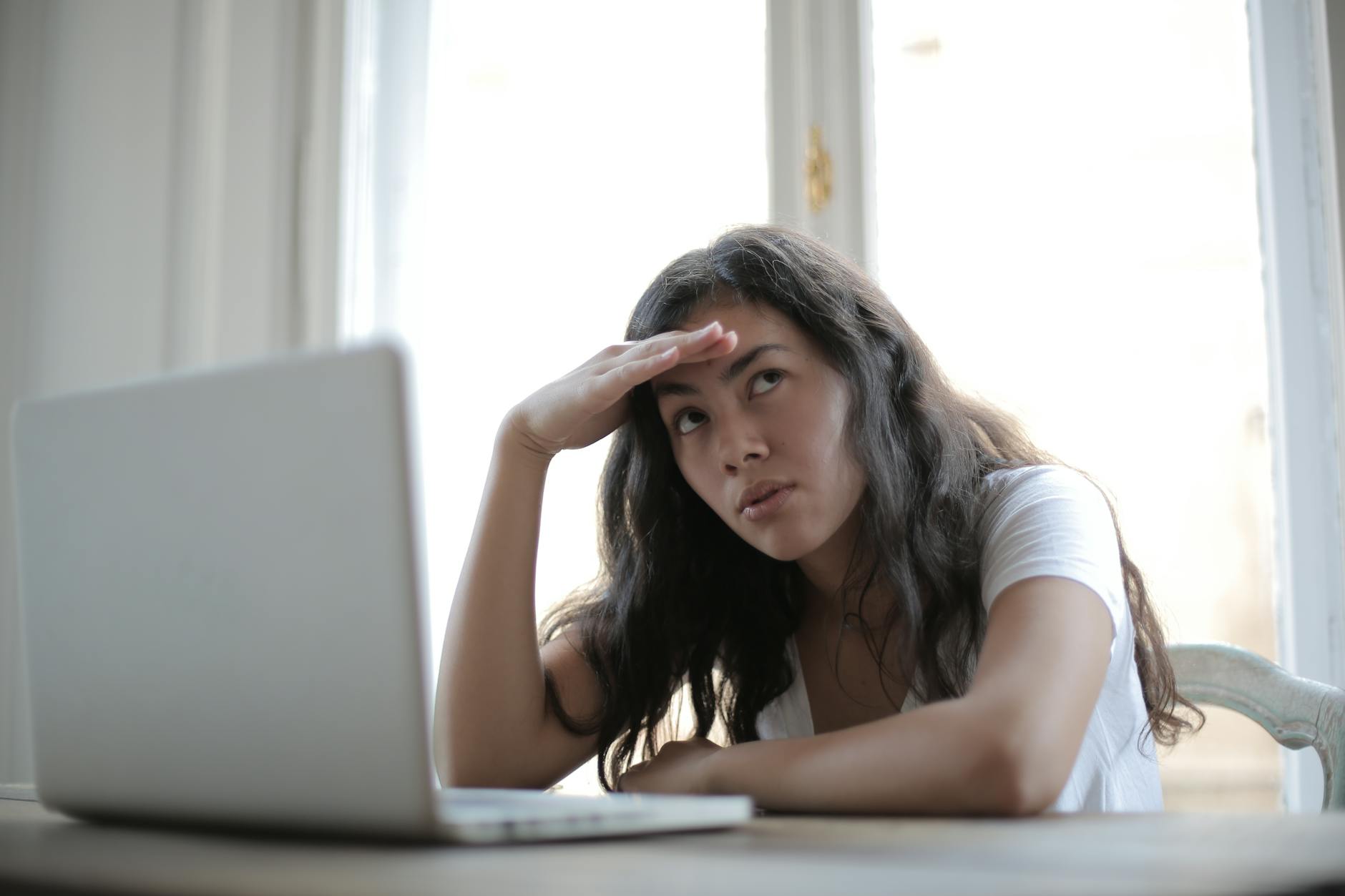
Long hours on screens cause “digital eye strain”: dry, tired eyes, blurriness, and headaches. The main culprits are reduced blinking and holding your focus at one distance for too long.
It’s uncomfortable, but in adults it isn’t known to cause permanent damage. Small adjustments make a real difference.
Habits that ease screen strain
- Take distance breaks. The popular 20-20-20 rule — every 20 minutes, look at something 20 feet away for 20 seconds — is low-risk and easy, though the evidence is mixed.
- Blink on purpose. We blink less at screens, which dries the eyes.
- Fix your setup. Reduce glare, soften lighting, and keep the screen a bit below eye level and an arm’s length away.
- Get outside. Time in daylight may help, especially for children’s developing eyes.
💡 Tip: If your eyes feel dry by evening, a humidifier and the occasional lubricating eye drop can help — and remember to blink during long focus sessions.
Protect your eyes long-term
Beyond screens, a few habits protect vision over the years:
- Wear UV-blocking sunglasses outdoors
- Don’t smoke — it raises the risk of several eye diseases
- Keep blood sugar and blood pressure in check, since diabetes and hypertension damage the eyes
- Get regular eye exams, which catch problems early — often before you notice symptoms
When to see an eye doctor
Some symptoms need prompt attention: a sudden change in vision, new flashes or floaters, persistent pain or redness, or strain that won’t settle. Supplements such as the AREDS2 formula are meant for people with diagnosed macular degeneration, not for general use — so check before starting.
FAQ
Do blue-light glasses work?
The evidence is mixed. Most screen discomfort comes from reduced blinking and dryness rather than blue light itself, so taking breaks and blinking more tends to help more than the glasses.
Can food reverse vision problems?
No. A good diet supports eye health and may lower the risk of some conditions, but it won’t fix refractive errors or reverse disease. See an eye doctor for any real change in vision.
Is screen time permanently damaging my eyes?
Digital eye strain is uncomfortable but isn’t known to cause permanent damage in adults. In children, lots of close-up work with little outdoor time is linked to short-sightedness.
Sources
- American Academy of Ophthalmology — diet and nutrition for your eyes
- National Eye Institute (NIH) — keep your eyes healthy
⚠️ Medical disclaimer: This article is for general information only and is not a substitute for professional eye care. For any change in vision or persistent symptoms, consult a qualified eye-care professional.