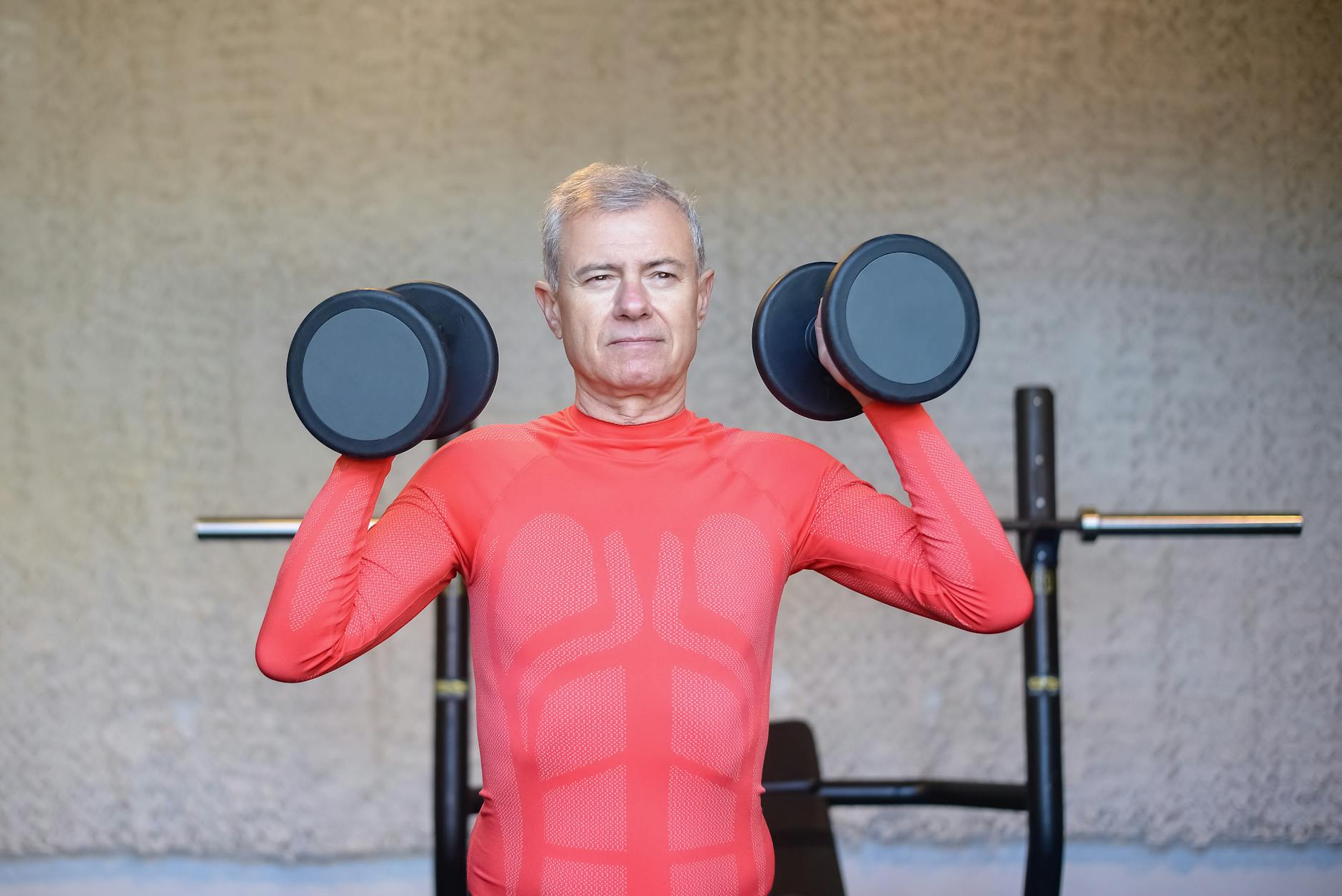
Tag: fitness

  • Strength Training After 40: Why Muscle Is Your Longevity Asset

    Strength Training After 40: Why Muscle Is Your Longevity Asset

    Cardio gets the spotlight, but if you want to stay strong, steady, and independent as you age, muscle is the asset to protect. From around your late 30s, you slowly lose it — and strength training is the most effective way to fight back. Here’s why it matters and how to start at any age.

    Senior woman performing outdoor exercise with a resistance band in a park setting.
    Resistance bands, dumbbells, or just bodyweight — strength training works at any age and any level (사진: SHVETS production / Pexels)

    Why muscle matters more with age

    After roughly 30 to 40, we gradually lose muscle — a process called sarcopenia that speeds up after 60. That loss isn’t just about looks. Muscle drives your strength, balance, metabolism, and blood-sugar control, and it’s a big part of staying independent later in life.

    The encouraging part: muscle responds to training at any age.

    The longevity link

    Research consistently finds that people with more muscle and stronger grip tend to live longer and stay functionally independent — more so than body weight alone predicts. Strength training is the single most effective tool against age-related muscle loss, and it’s never too late to start. Studies show meaningful gains even in people in their 80s and 90s.

    How much, and how often

    You don’t need to live in the gym. The basics are simple:

    • 2 to 4 days a week, with rest days between
    • Work all the major muscle groups (legs, hips, back, chest, shoulders, arms)
    • Aim for around 8–12 repetitions per set, with good form
    • Gradually add resistance over time (progressive overload)

    It’s not just heavy weights

    Bodyweight squats, sit-to-stands, push-ups against a wall, resistance bands, or carrying groceries all build strength. Start where you are — form comes before load, and something is always better than nothing.

    Pair it with protein

    Muscle is built from protein plus the stimulus of training. Research shows resistance exercise combined with enough protein beats either one alone for building and keeping muscle. Many older adults under-eat protein, so spreading it across meals — eggs, yogurt, beans, fish, lean meat — helps.

    💡 Tip: Aim for a protein source at each meal rather than loading it all into dinner. Your muscles use it best in steady doses.

    Beyond muscle: balance and bones

    Strength work pays off in ways you feel daily. It improves balance, which helps prevent falls, and it stresses bone in a way that supports density. Functional moves — sitting and standing, stepping up, lifting and carrying — carry directly into real life and independence.

    Getting started safely

    Begin light and learn good form, whether from a trainer, a class, or reputable videos. Build up gradually rather than going all-out on day one. If you have a heart condition, joint problems, or are new to exercise, check with a healthcare professional about what’s right for you. Consistency, not intensity, is what wins over the years.

    FAQ

    Is it too late to start strength training?
    No. Studies show people gain strength and muscle even in their 80s and 90s. Muscle responds to training at any age, so the best time to start is now.

    Do I need a gym or heavy weights?
    No. Bodyweight moves, resistance bands, and household items work well, especially at first. What matters is challenging your muscles and gradually progressing over time.

    How soon will I see results?
    Strength often improves within a few weeks as your nervous system adapts. Visible muscle and everyday functional gains build over a couple of months of consistent training.


    Sources

    ⚠️ Medical disclaimer: This article is for general information only and is not a substitute for medical advice. If you have a health condition or are new to exercise, talk to a qualified professional before starting a strength program.
  • Exercise Snacks: Tiny Workouts That Add Up

    Exercise Snacks: Tiny Workouts That Add Up

    If a full workout feels impossible some days, there’s good news: tiny bursts of movement count too. “Exercise snacks” — short, frequent bouts of activity spread through your day — are one of 2026’s most talked-about fitness ideas, and the research behind them is genuinely encouraging.

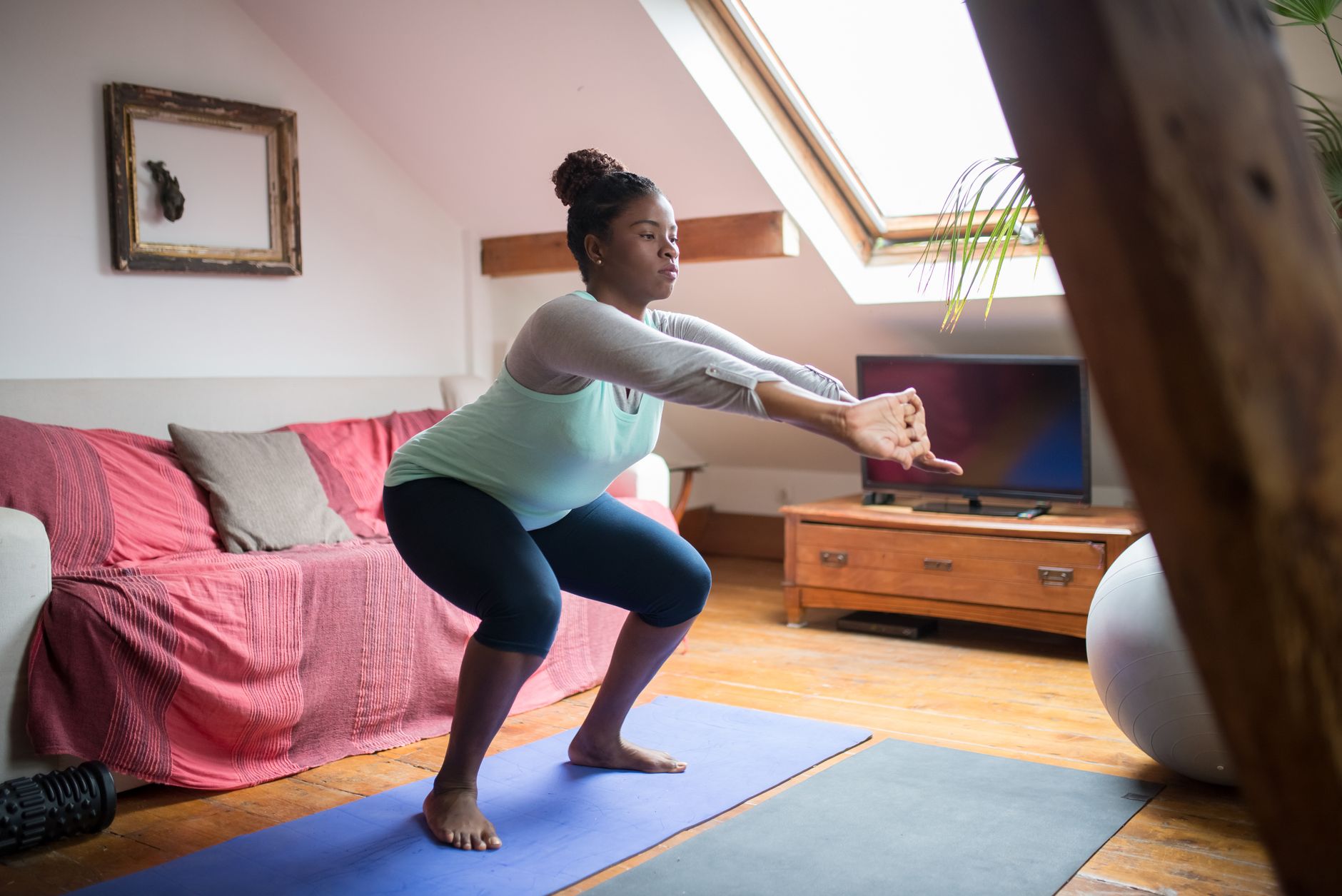
    A woman performs squats on a yoga mat in a cozy living room, promoting home fitness and wellness.
    A minute of stairs or a quick set of squats counts — exercise snacks fit into the gaps in your day (사진: Kampus Production / Pexels)

    What an “exercise snack” is

    An exercise snack is a short burst of movement — roughly 30 seconds to a couple of minutes — done several times a day instead of (or alongside) one long session.

    • A close cousin is VILPA: vigorous intermittent lifestyle physical activity
    • That just means everyday bursts — climbing stairs, carrying heavy groceries, a fast walk to the bus
    • No gym, no kit, no changing clothes required

    Why short bursts work

    The findings surprised even researchers. In people who didn’t otherwise exercise, just 3–4 minutes a day of vigorous bursts was linked to around a 40% lower risk of dying from any cause and nearly 50% lower from heart disease. Short, all-out stair-climbing “snacks” measurably improved fitness in trials. Your body responds to movement even in small doses.

    Easy exercise snacks to try

    Snack When it fits
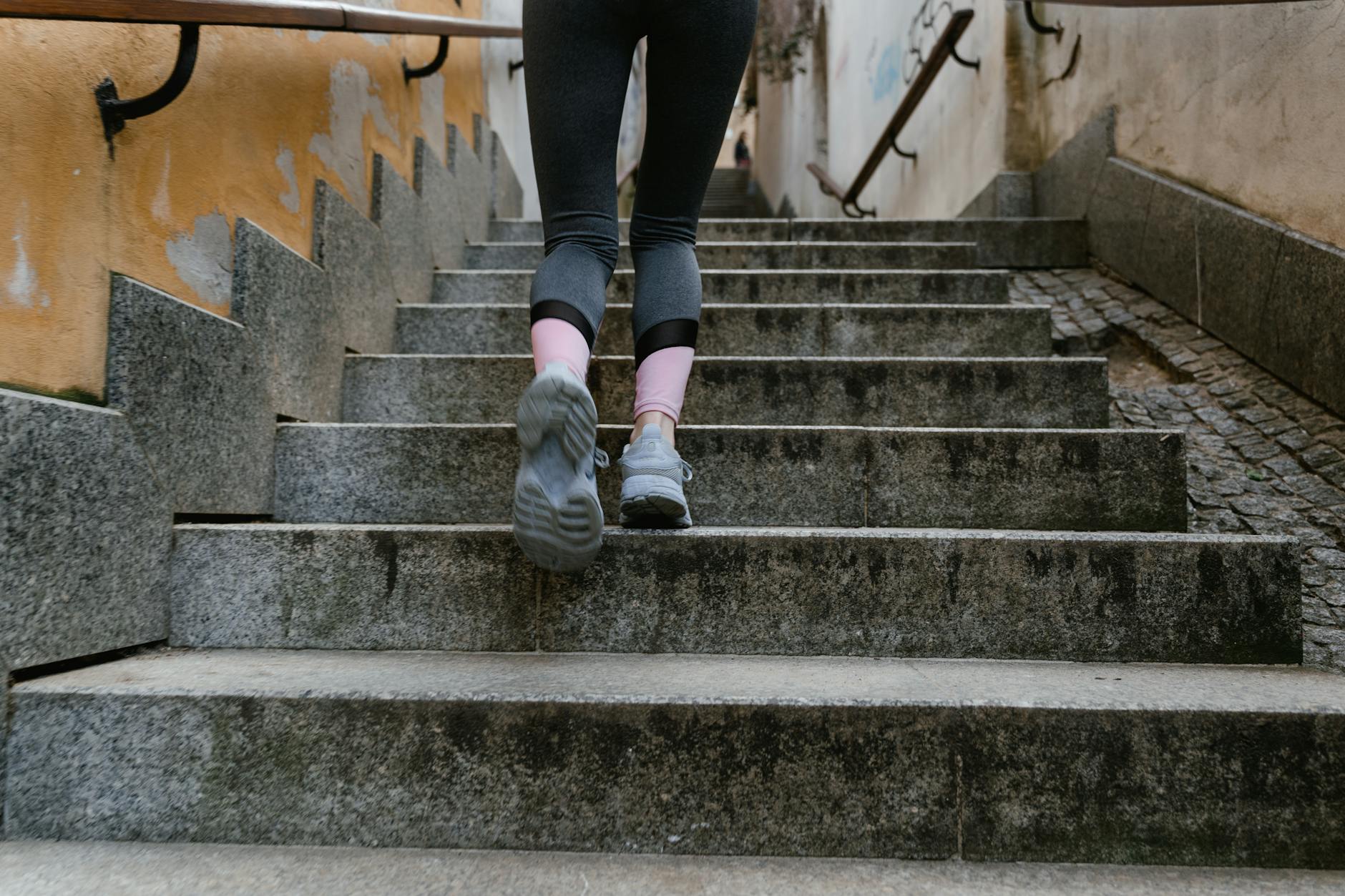
    Climb a flight of stairs briskly Instead of the lift
    10–20 bodyweight squats While the kettle boils
    A fast 1–2 minute walk Between meetings or calls
    Calf raises or marching in place At your desk
    Carry groceries the long way On the way home

    Make them stick

    Anchor each snack to something you already do: squats after your morning coffee, stairs every bathroom break, a brisk lap after lunch. Start with one or two a day and build — easy beats ambitious when it comes to habits.

    Snacks for blood sugar

    Moving for just a minute or two after meals helps blunt the post-meal blood-sugar spike — and short squat breaks can beat one long walk for this. If you sit for work, try to break up long stretches every 30 to 60 minutes, even just to stand and stretch.

    💡 Tip: Set a gentle reminder to move once an hour. The goal isn’t intensity every time — it’s interrupting long stretches of sitting.

    Do they replace regular exercise?

    Exercise snacks aren’t a loophole that cancels everything else — but they absolutely count toward your weekly activity, and they’re a brilliant option for busy or mostly sedentary days. Over time, still aim for a mix of cardio and strength. Snacks are a floor, not a ceiling.

    Safety and getting started

    Build up gradually, and give vigorous bursts a few easy movements first to warm up. If you have a heart condition, joint problems, or are new to exercise, check with a healthcare professional about what intensity is right for you.

    FAQ

    How short can an exercise snack be?
    Very short — anywhere from about 20 seconds to a couple of minutes. Even 3–4 minutes total per day of vigorous bursts has been linked to real health benefits.

    Do exercise snacks really count toward fitness?
    Yes. Trials show short bursts can improve cardiorespiratory fitness and blood-sugar control. The bouts add up across the day, even without a formal workout.

    What if I can’t do vigorous activity?
    Lighter movement still helps. Standing, walking, or stretching every 30 to 60 minutes improves metabolic health compared with sitting all day. Do what your body allows.


    Sources

    ⚠️ Medical disclaimer: This article is for general information only and is not a substitute for medical advice. If you have a health condition or are new to exercise, talk to a qualified professional before increasing intensity.