Tag: gut health

  • The Gut–Brain Connection: How Your Gut Shapes Your Mood

    The Gut–Brain Connection: How Your Gut Shapes Your Mood

    Ever had a “gut feeling” or felt butterflies before something stressful? That’s your gut and brain talking. Research now treats this conversation — the gut–brain axis — as one of the most exciting areas in health. Here’s what it really means for your mood, minus the hype.
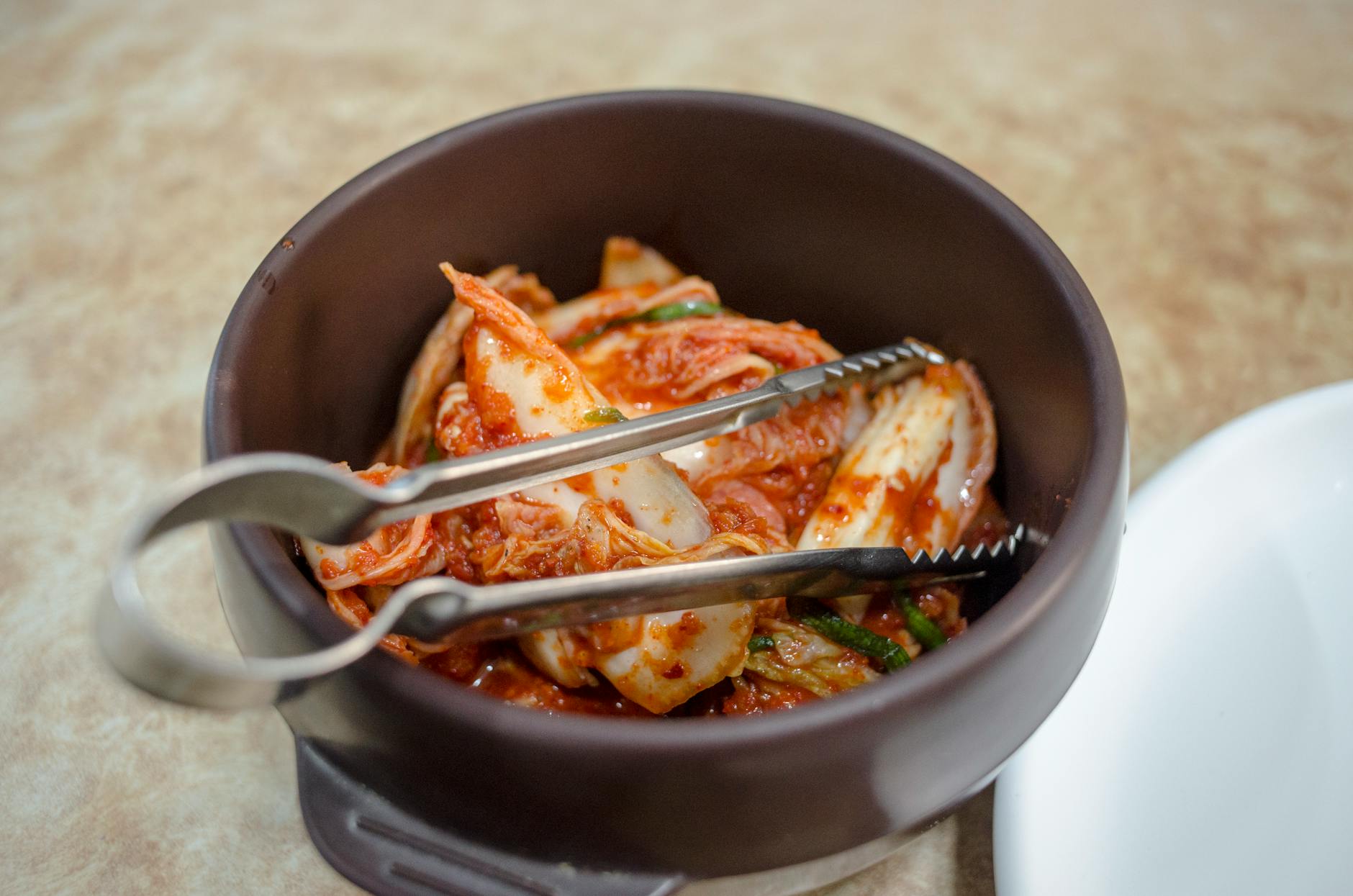
    Close-up of traditional Korean kimchi in a dark ceramic bowl with tongs.
    Fiber-rich and fermented foods feed the gut bacteria that help shape mood signals (사진: makafood / Pexels)

    What the gut–brain axis is

    Your gut and brain are linked by a two-way line of communication. It runs along the vagus nerve, through immune and hormone signals, and through chemicals your gut bacteria make.

    • The brain affects the gut: stress can upset digestion
    • The gut affects the brain: gut signals influence mood and alertness
    • Trillions of gut microbes sit in the middle, shaping those signals

    It’s a conversation, not a one-way street.

    The serotonin myth

    You may have read that “90% of your serotonin is made in your gut, so your gut controls your mood.” The first half is roughly true — but gut serotonin mostly stays in the gut, helping digestion. It doesn’t cross into the brain.

    So your gut doesn’t ship happiness straight to your head. Instead, gut bacteria influence mood through other, more indirect routes.

    How gut bacteria reach the brain

    Pathway What it does
    Vagus nerve Carries gut signals straight to the brain
    Short-chain fatty acids Made when bacteria ferment fiber; calm inflammation
    Immune system Gut health influences body-wide inflammation, tied to mood
    Stress (HPA) axis Microbes help regulate the stress-hormone system
    Neurotransmitter precursors Bacteria affect building blocks like GABA and tryptophan

    What the research can and can’t say

    This field is exciting but young. Much of the strongest data is from animal studies or short human trials, and a lot is association rather than proof. A healthy gut may support a steadier mood — but it is not a cure for anxiety or depression.

    Foods that support a mood-friendly gut

    Diet is the single biggest lever on your microbiome — bigger than any one supplement.

    • Fiber and variety: lots of different plants feed diverse, helpful bacteria
    • Fermented foods: yogurt, kefir, kimchi, sauerkraut add live microbes
    • Omega-3s: oily fish, walnuts, flax support a calmer gut and brain
    • Polyphenols: berries, olive oil, green tea feed good bacteria
    • Go easy on: ultra-processed food and heavy alcohol, which narrow gut diversity

    Beyond food

    Your microbiome and vagus nerve respond to more than diet. Regular sleep, daily movement, time outdoors, and managing stress all shape gut–brain signaling. Slow breathing, in particular, tones the vagus nerve and nudges your body toward calm.

    💡 Tip: Add one new plant food a week rather than overhauling everything. Variety, built slowly, is what gut bacteria thrive on.

    When to get help

    Eating well supports your mood, but it doesn’t replace care. Persistent low mood, anxiety, or ongoing gut symptoms deserve a professional’s attention. Food can be part of the picture — not the whole treatment.

    FAQ

    Can changing my diet cure anxiety or depression?
    No. A gut-friendly diet may support a steadier mood, but it’s not a cure. Think of it as one helpful layer alongside proper care, sleep, and movement.

    Are probiotic supplements worth it for mood?
    Some specific strains (sometimes called “psychobiotics”) show early promise, but the evidence is still thin. For most people, fiber and fermented foods are a better first step than a pricey pill.

    How long until gut changes affect how I feel?
    Your microbiome can shift within days of eating differently, but any mood effect is gradual and varies person to person. Consistency over weeks matters more than a quick fix.


    Sources

    ⚠️ Medical disclaimer: This article is for general information only and is not a substitute for medical or mental-health care. If you’re struggling, please consult a qualified professional.


  • Foods That Support a Healthy Gut Microbiome

    Foods That Support a Healthy Gut Microbiome

    Your gut is home to trillions of microbes that influence digestion, immunity, and even mood. The single biggest lever you have over this “microbiome” is what you eat — and the good news is that the most effective approach is also the simplest, with no expensive supplements required. Here’s what feeds a healthy, diverse gut, and what quietly works against it.

    Vibrant assortment of pickles on display at an indoor market stall.
    A diverse, plant-rich diet feeds a diverse gut microbiome (사진: 424fotograf / Pexels)

    Why your gut microbiome matters

    The trillions of bacteria in your gut aren’t just passengers. When they ferment the fiber you eat, they produce short-chain fatty acids like butyrate that nourish the cells lining your colon, help regulate inflammation, and support the gut barrier. A more diverse microbiome is generally a more resilient one, linked in research to better digestive, metabolic, and immune health. You can’t see it, but you feed it three times a day.

    What your gut bacteria want

    Two things matter most:

    • Prebiotics — the fibers that feed your good bacteria
    • Diversity — a wide variety of plants supports a wide variety of microbes

    Fermented foods can also add beneficial microbes directly. A Stanford study found that a diet rich in fermented foods increased microbiome diversity and lowered markers of inflammation.

    Best foods for your gut

    1. High-fiber plants

    Vegetables, fruit, whole grains, beans, and lentils provide the fiber your microbes ferment into beneficial compounds. Most people fall short — typical intake is around 15 g a day versus the 25–38 g recommended.

    2. Prebiotic-rich foods

    Onions, garlic, leeks, asparagus, slightly green bananas, and oats are especially good “food” for gut bacteria.

    3. Fermented foods

    Yogurt and kefir with live cultures, kimchi, sauerkraut, miso, and tempeh add live microbes.

    4. Polyphenol-rich foods

    Berries, green tea, dark chocolate, and extra-virgin olive oil contain plant compounds gut bacteria help convert into beneficial forms.

    5. A wide variety of plants

    Aim for many different plants each week — variety may matter more than sheer quantity.

    A simple weekly goal

    Goal Why
    30+ different plant foods/week Linked to greater microbiome diversity in research
    Some fermented food daily Adds beneficial microbes
    Build toward 25–38 g fiber/day Fuel for short-chain fatty acid production
    Limit ultra-processed foods They tend to reduce diversity

    💡 Tip: “Eat the rainbow” isn’t just about vitamins — different colored plants feed different gut microbes. Counting types of plants across a week (herbs and spices count too) is a simple way to aim for variety.

    What harms gut health

    A few patterns work against a healthy gut:

    • Diets very high in ultra-processed foods and added sugar
    • Very low fiber intake
    • Unnecessary antibiotics — vital when needed, but they also disrupt gut bacteria, so use only as prescribed
    • Adding lots of fiber too suddenly, which can cause gas — ramp up gradually

    FAQ

    Q. Do I need a probiotic supplement?
    Often not. A fiber-rich, varied, plant-forward diet with some fermented foods supports your gut naturally, and food-based diversity is one of the strongest predictors of a healthy microbiome.

    Q. How fast can diet change my gut?
    The microbiome can begin shifting within days of a dietary change, but lasting benefits come from consistent habits over weeks and months, not a one-week reset.

    Q. Are fermented foods safe for everyone?
    Most people tolerate them well. Introduce them gradually to avoid temporary gas, and check with a doctor if you’re significantly immunocompromised.


    Sources

    ⚠️ Medical disclaimer: This article is for general information only and is not a substitute for medical advice. Consult a professional if you have a digestive condition.

  • Why Am I Always Bloated? Common Causes and Relief

    Why Am I Always Bloated? Common Causes and Relief

    That tight, puffy, full feeling in your belly is one of the most common digestive complaints — and usually harmless. Occasional bloating is normal; frequent bloating is worth understanding so you can target the real cause instead of guessing. Here’s a practical, evidence-based guide to why it happens, what genuinely helps, and the few warning signs that deserve a doctor.

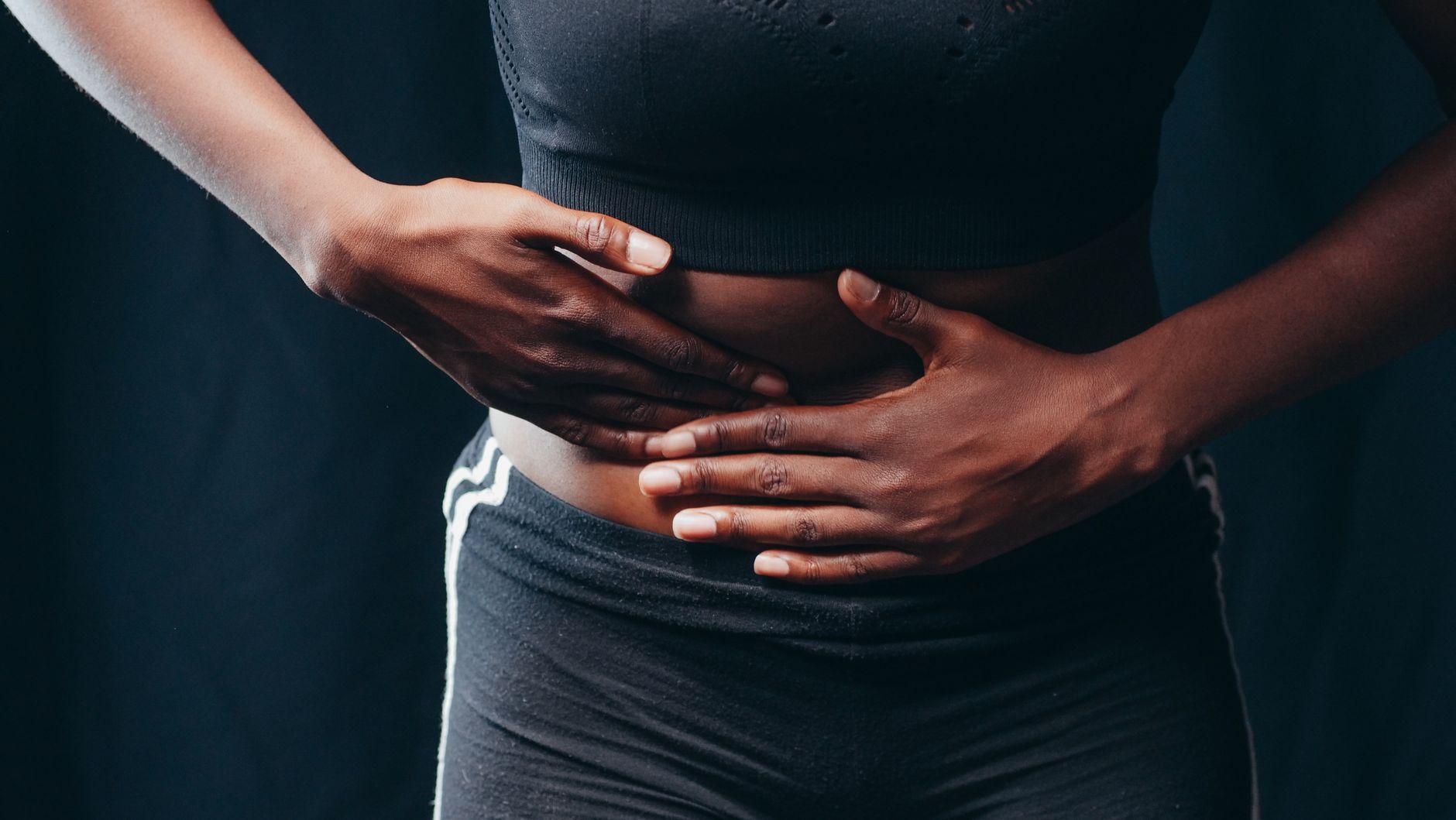
    Crop anonymous barefoot female in casual outfit lying on couch while having acute stomach ache
    Frequent bloating usually traces back to a handful of common causes (사진: Sora Shimazaki / Pexels)

    What bloating actually is

    Bloating is the sensation of increased pressure or fullness in your abdomen, sometimes with visible distension. Most of the time it comes down to gas and how your digestive system moves it, not anything serious. Gas builds up from swallowed air and from gut bacteria fermenting certain foods — a normal process that some people simply feel more.

    The most common causes

    Most frequent bloating traces back to a short list:

    • Eating too fast or too much — rushing means swallowing air and overloading digestion at once
    • Gas-producing foods — beans, onions, broccoli, cabbage, and carbonated drinks
    • Too much salt — high sodium causes water retention and a puffy feeling
    • Food intolerances — lactose, or fermentable carbs called FODMAPs, trigger bloating in sensitive people
    • Constipation — backed-up stool ferments and creates gas and pressure
    • Hormonal changes — many people bloat around their menstrual cycle

    What actually helps

    A few habits relieve most everyday bloating:

    • Eat slowly and chew well — the single most underrated fix
    • Keep a short food diary to spot your personal triggers
    • Cut back on carbonated drinks and excess salt
    • Stay hydrated and keep stools regular
    • Move after meals — even a 10-minute walk speeds gas through
    • Manage stress — the gut-brain link means tension shows up in digestion

    💡 Tip: Bloating that comes with constipation often eases once you’re regular again — water, movement, and gradual fiber usually do more than any “debloat” supplement.

    The fiber paradox

    Fiber is essential for a healthy gut, but adding a lot of it suddenly is one of the most common causes of bloating, because gut bacteria ferment it and produce gas. The fix isn’t less fiber long-term — it’s a slower ramp. Increase fiber gradually over a few weeks and drink enough water alongside it, and your gut bacteria adapt with far less gas.

    When it might be something more

    If bloating is persistent and tied to your diet, a few conditions are worth knowing about. Irritable bowel syndrome (IBS) commonly features bloating, and a structured low-FODMAP approach (ideally with a dietitian) helps many people identify triggers. Lactose intolerance is another frequent culprit. Persistent bloating with other gut symptoms can occasionally point to things like SIBO or celiac disease, which is why ongoing symptoms deserve a proper evaluation rather than endless self-experimentation.

    Red flags: when to see a doctor

    Most bloating is benign, but see a professional if it’s persistent or severe, or comes with unexplained weight loss, blood in the stool, ongoing pain, vomiting, or a major change in bowel habits. These warrant prompt evaluation rather than waiting it out.

    FAQ

    Q. Why am I bloated even when I eat healthy?
    Healthy foods like beans, lentils, broccoli, and lots of fiber are fermented by gut bacteria and produce gas. It’s not a sign anything is wrong — your gut often just needs a more gradual increase and enough water.

    Q. Do probiotics help bloating?
    They may help some people depending on the cause and the specific strain, but results are mixed. Give a named strain a few weeks, and don’t expect it to fix bloating driven by, say, constipation or eating too fast.

    Q. Is bloating ever serious?
    Usually not. But persistent bloating with warning signs — weight loss, blood, severe or ongoing pain, or changed bowel habits — should be checked by a doctor.


    Sources

    ⚠️ Medical disclaimer: This article is for general information only and is not a substitute for medical advice. Persistent or severe symptoms, or any warning signs, should be evaluated by a healthcare professional.

  • Probiotics: Do They Actually Work for Gut Health?

    Probiotics: Do They Actually Work for Gut Health?

    Probiotics — live “good” bacteria — are marketed for everything from digestion to immunity to glowing skin. The reality is more nuanced than the marketing: some uses have solid evidence, many don’t, and the right product depends heavily on the specific strain. Here’s an honest look at what probiotics can and can’t do, and the food-first habits that often matter more than any pill.

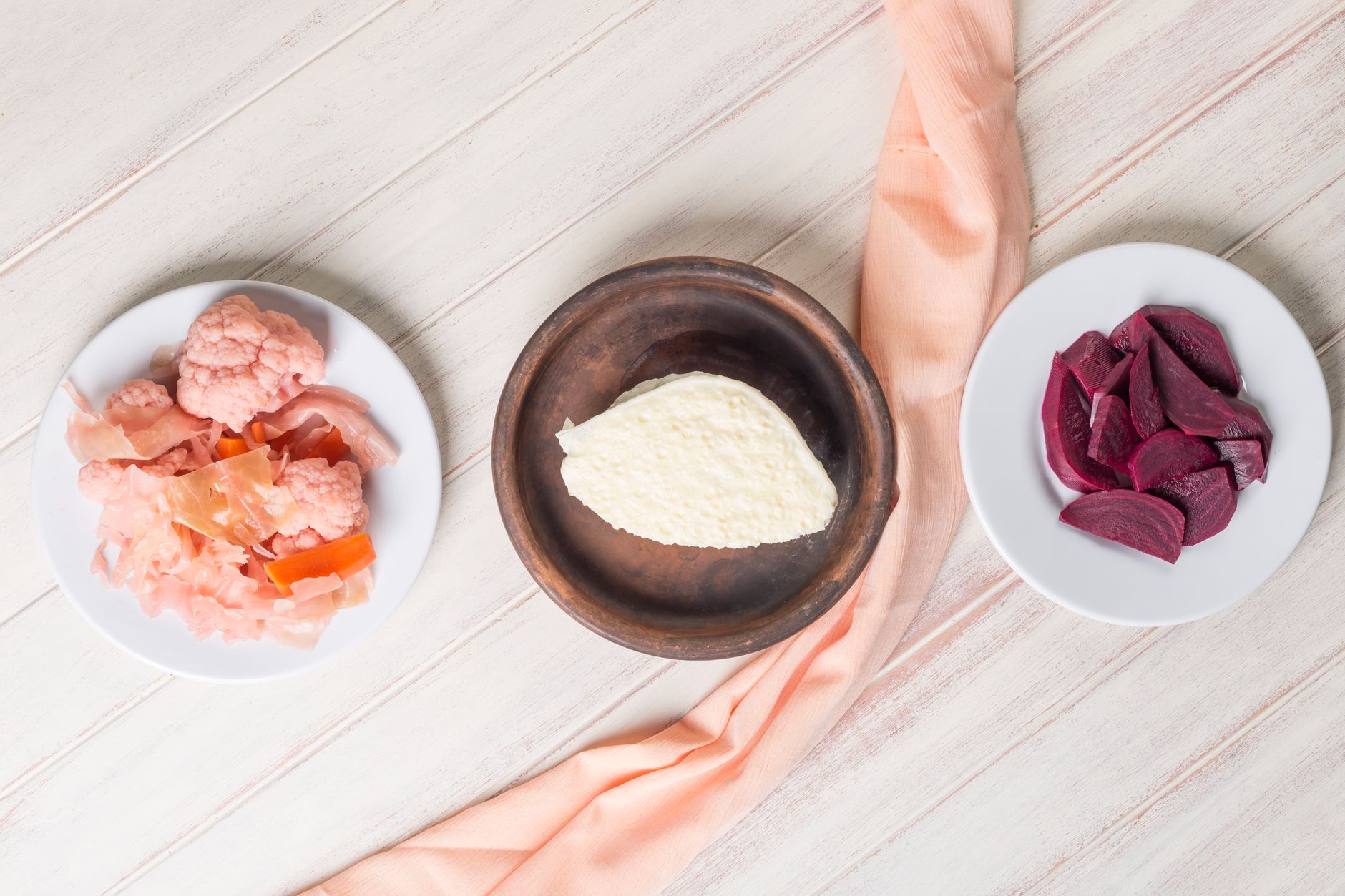
    A flat lay of traditional Turkish meze plates featuring pickled vegetables and cheese.
    Fermented foods like yogurt and kimchi are natural sources of probiotics (사진: Mavi Yıldız Restoran Cumalıkızık Bursa / Pexels)

    What are probiotics (and prebiotics)?

    Probiotics are live microorganisms that, in adequate amounts, may offer a health benefit. You’ll find them in supplements and in fermented foods like yogurt, kefir, kimchi, sauerkraut, and miso. Prebiotics are different — they’re the fibers that feed your existing good bacteria (think onions, garlic, oats). Your gut hosts trillions of microbes, collectively called the microbiome, that influence digestion, immune signaling, and more.

    What the evidence actually supports

    It helps to separate the well-studied uses from the marketing:

    Use Evidence
    Antibiotic-associated diarrhea Reasonable — certain strains may reduce risk
    Irritable bowel syndrome (IBS) Mixed — may help some people, strain-dependent
    Acute infectious diarrhea Some support for specific strains
    General “immune boosting” / detox / weight loss Weak or overstated

    The honest takeaway: probiotics aren’t magic, the benefits are specific rather than general, and a product that transformed one person’s digestion may do nothing for yours.

    Why strain and dose matter

    This is the detail most labels gloss over. Probiotic effects are strain-specific: Lactobacillus rhamnosus GG is not interchangeable with a random “Lactobacillus” on a label, and a benefit shown for one strain doesn’t transfer to others. Two practical things to check: the specific strain (genus, species, and strain code) and the dose in CFU (colony-forming units) — studies that worked usually used billions of CFU of a named strain. Many also need refrigeration to keep the bacteria alive. A vague “probiotic blend” with no strains listed is a red flag.

    Food first: feed your gut

    For general gut health, what you eat day to day often beats any capsule:

    • Fermented foods (yogurt with live cultures, kefir, kimchi, sauerkraut)
    • Fiber and prebiotics that feed good bacteria (onions, garlic, leeks, oats, bananas, legumes)
    • A varied, plant-rich diet — variety of plants is one of the strongest dietary predictors of a diverse, resilient microbiome

    💡 Tip: Aiming for many different plants across a week (vegetables, fruits, legumes, nuts, whole grains) may do more for your gut than any single probiotic supplement.

    Should you take a supplement, and how to choose?

    A probiotic is worth trying for a specific reason — for example, alongside or after a course of antibiotics — ideally one with a named strain studied for that use. If you try one, give it a few weeks and look for a clear change. For general wellness with no particular issue, a food-first approach is the sensible starting point, and you can save your money.

    Safety and who should be cautious

    For healthy people, probiotics are generally safe, with side effects usually limited to temporary gas or bloating. But they aren’t risk-free for everyone: people who are seriously ill, critically hospitalized, or significantly immunocompromised should not start probiotics without medical advice, as rare serious infections have been reported in these groups. When in doubt, ask your doctor.

    FAQ

    Q. Do I need a probiotic supplement?
    Not necessarily. Many people support gut health well through fermented foods and a high-fiber, plant-varied diet. Supplements are most useful for specific situations, like after antibiotics, and ideally with a strain studied for that purpose.

    Q. Are probiotics safe?
    Generally yes for healthy people, aside from temporary gas or bloating. Those who are seriously ill or immunocompromised should check with a doctor first, since rare infections have occurred in vulnerable groups.

    Q. How long until I notice effects?
    If a probiotic is going to help, it’s often within a few weeks. If nothing changes after that, the strain or dose may not be right for you, and it’s reasonable to stop.


    Sources

    ⚠️ Medical disclaimer: This article is for general information only and is not a substitute for medical advice. Consult a healthcare professional about your specific situation, especially if you have a serious illness or weakened immune system.

  • What Is Fiber and How Much Do You Really Need?

    What Is Fiber and How Much Do You Really Need?

    Fiber is one of the most underrated parts of a healthy diet, and most people fall well short — typical intake is around 15 grams a day, roughly half the target. That gap matters more than it sounds: large studies link higher fiber intake to a meaningfully lower risk of heart disease, type 2 diabetes, and earlier death. Here’s what fiber actually is, how much you need, and how to get more without the bloating.

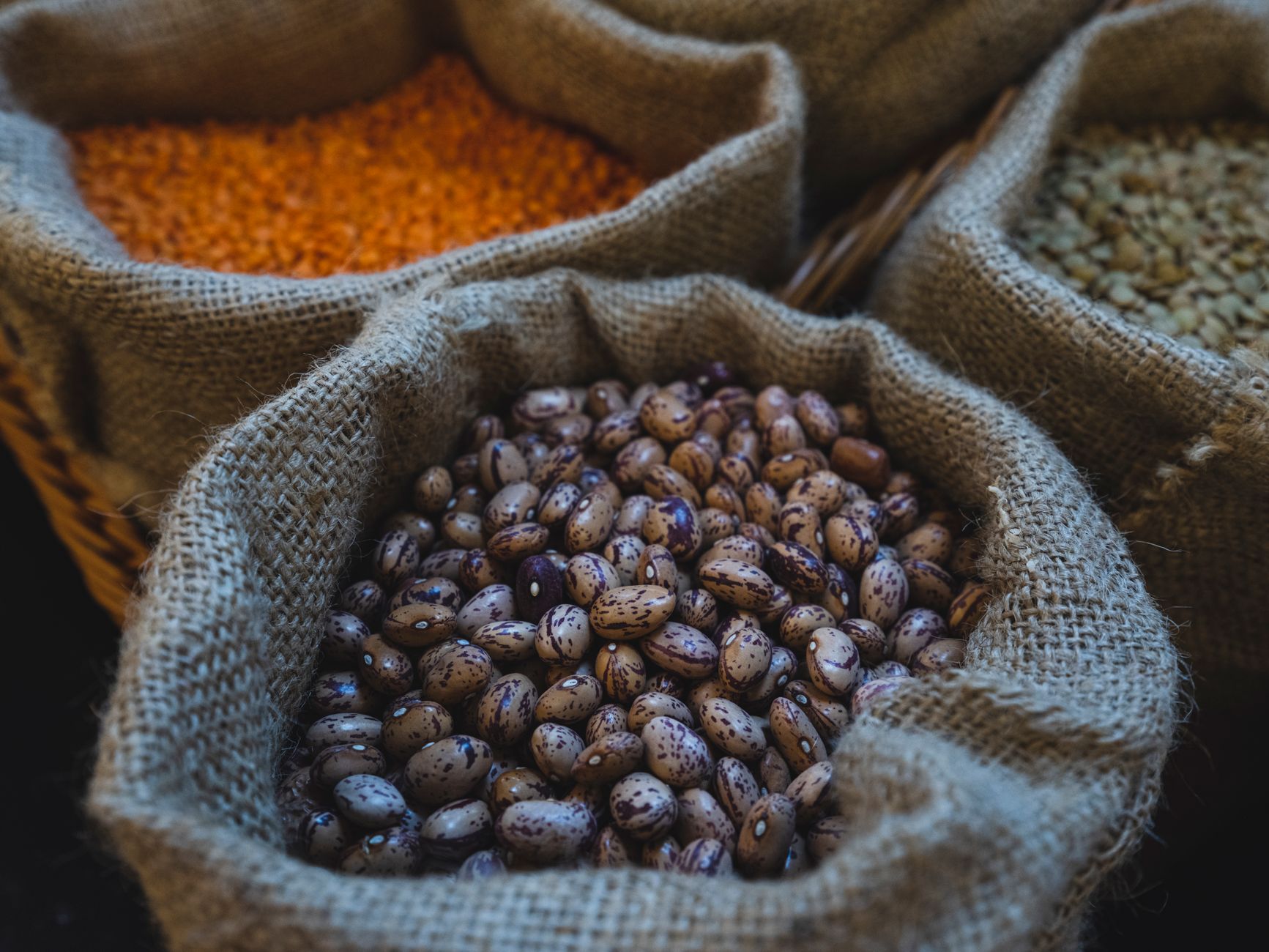
    Close-up of pinto beans, lentils, and other grains in burlap sacks in a market setting.
    Fiber comes from whole plants — grains, beans, fruit, and vegetables (사진: Engin Akyurt / Pexels)

    What is fiber?

    Fiber is the part of plant foods your body can’t fully digest. There are two main types, and you benefit from both:

    • Soluble fiber dissolves in water into a gel, helping lower cholesterol and slow sugar absorption (oats, beans, apples, barley).
    • Insoluble fiber adds bulk and keeps things moving through your gut (whole grains, vegetable skins, nuts).

    There’s a third dimension worth knowing: much of your fiber is fermented by gut bacteria, which produce short-chain fatty acids that nourish your colon and help regulate inflammation. So fiber isn’t just “roughage” — it’s food for your microbiome.

    How much you need — and the gap most people have

    General guidance for adults is roughly:

    • Women: ~25 grams per day
    • Men: ~38 grams per day

    Most people get only about 15 grams — well under half. You don’t need to count grams obsessively; the practical version is simply to build most meals around whole plants. Closing even part of that gap is one of the higher-impact dietary upgrades available.

    Why fiber matters

    Benefit How fiber helps
    Digestion Prevents constipation, supports regularity
    Heart health Soluble fiber helps lower LDL cholesterol
    Blood sugar Slows sugar absorption, steadies energy
    Fullness & weight Keeps you satisfied on fewer calories
    Gut & longevity Feeds beneficial bacteria; higher intake is linked to lower mortality

    A large 2019 analysis in The Lancet found that people eating the most fiber had notably lower rates of heart disease, stroke, type 2 diabetes, and colorectal cancer — among the strongest evidence for any single dietary component.

    Easy ways to eat more fiber

    • Choose whole grains over refined (brown rice, whole-grain bread, oats)
    • Add beans or lentils to soups, salads, and bowls — among the most fiber-dense foods
    • Keep the skin on fruits and vegetables
    • Snack on fruit, nuts, or seeds instead of processed snacks
    • Add an extra vegetable to meals you already eat

    For perspective on density: a cup of cooked lentils has ~15 g of fiber, a cup of raspberries ~8 g, and a medium avocado ~10 g — so a couple of smart swaps can move the needle fast.

    A few cautions

    Fiber is safe and beneficial for almost everyone, but two practical points matter. First, increase it gradually and drink plenty of water — adding a lot too fast is the most common cause of gas and bloating, because gut bacteria need time to adapt. Second, people in an active flare of certain conditions (such as inflammatory bowel disease or a bowel narrowing) may be advised to temporarily reduce fiber — that’s an individual call to make with a doctor, not a reason for everyone else to eat less.

    FAQ

    Q. Can I get enough fiber from supplements?
    Supplements (like psyllium) can help fill a gap and have real benefits, but whole foods provide fiber plus vitamins, minerals, and the variety your microbiome thrives on. Food first, supplements to top up.

    Q. Why does fiber make me bloated?
    Usually because it was increased too quickly. Ramp up slowly over a few weeks and drink enough water, and your gut bacteria adapt with far less gas.

    Q. Which foods are highest in fiber?
    Beans and lentils, whole grains, berries, avocado, and vegetables like broccoli are all excellent. Legumes are the standouts — among the most fiber-dense foods you can eat.


    Sources

    ⚠️ Medical disclaimer: This article is for general information only and is not a substitute for medical advice. If you have a digestive condition, consult a healthcare professional before making big changes to your fiber intake.