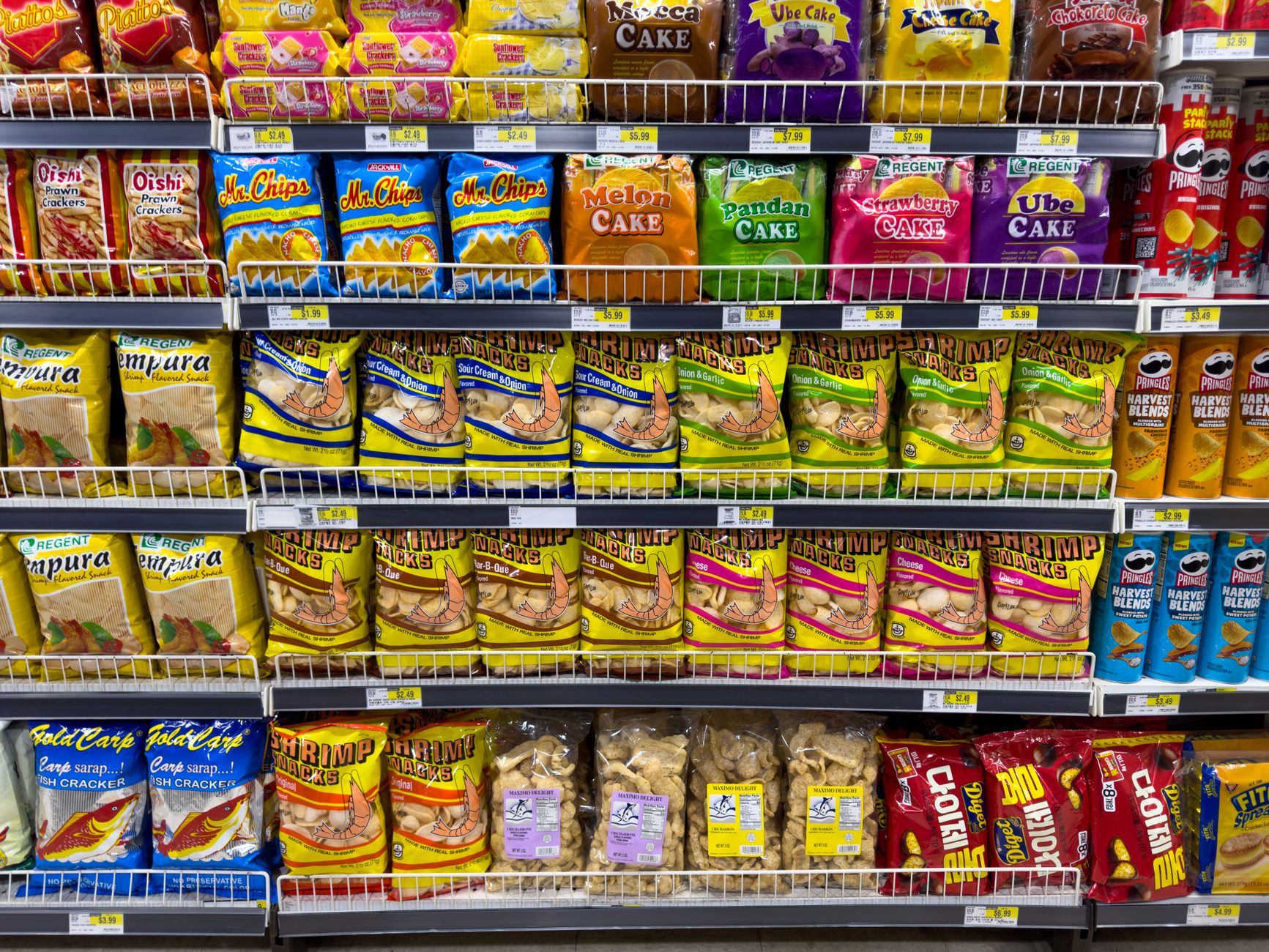
“Ultra-processed” is the nutrition phrase of the moment, and for good reason: large studies keep linking high intake to heart disease, type 2 diabetes, and earlier death. But the takeaway isn’t to fear every package in your kitchen. It’s to recognize what these foods are, understand which ones carry the most risk, and make a few swaps that genuinely add up. Here’s a calm, practical guide.
What “ultra-processed” actually means
Researchers use a system called NOVA, which sorts food by how much it’s been industrially processed — not by calories or nutrients. There are four groups:
| Group | Examples |
|---|---|
| Unprocessed / minimally processed | Fruit, vegetables, eggs, plain milk, rice, fresh meat |
| Processed culinary ingredients | Oil, butter, salt, sugar |
| Processed foods | Cheese, canned beans, fresh bread, tinned fish |
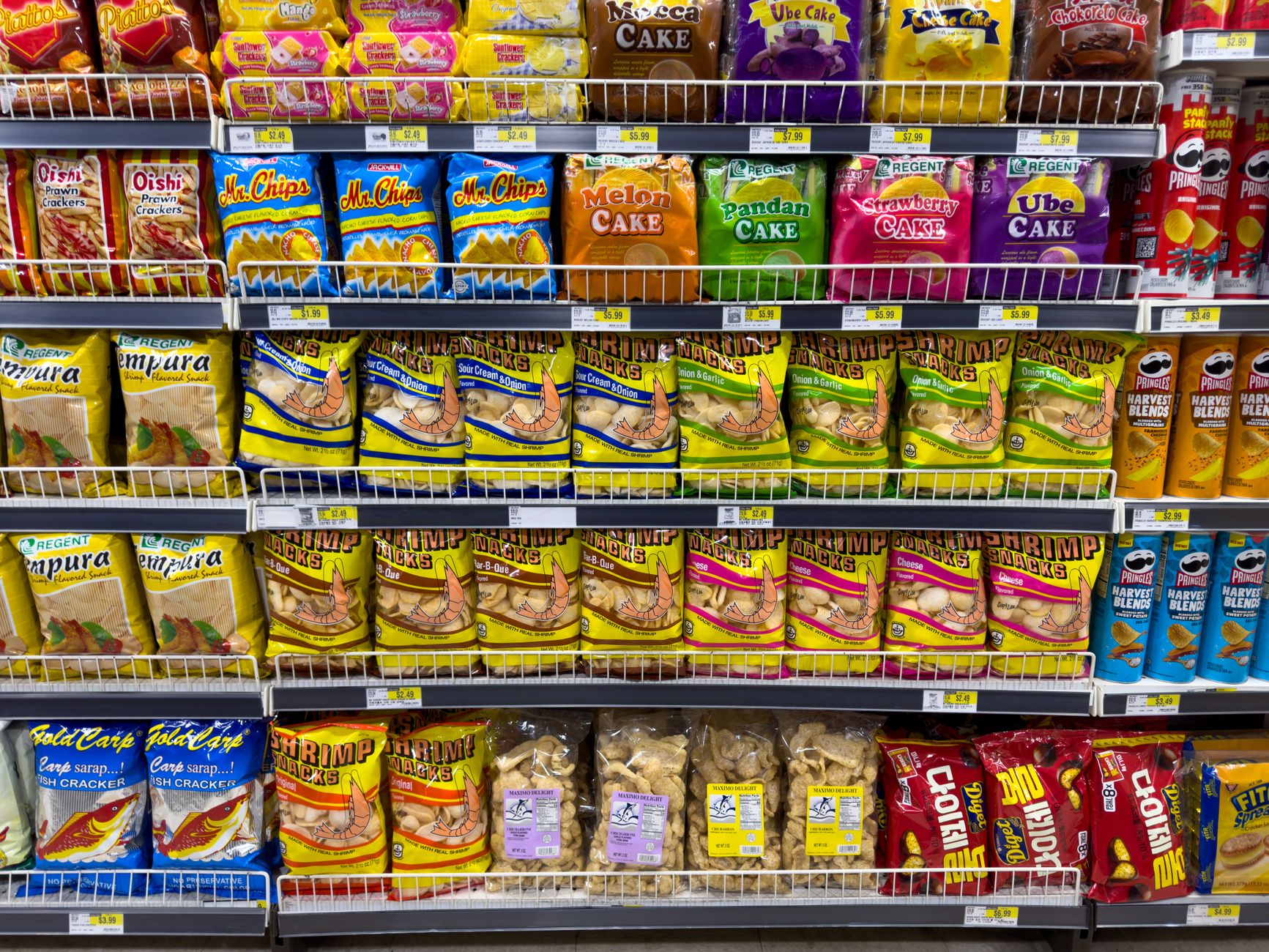
| Ultra-processed | Soft drinks, packaged snacks, instant noodles, many breakfast cereals, reconstituted meats |
The simplest tell for ultra-processed: a long ingredient list full of things you wouldn’t keep in your own kitchen — emulsifiers, isolates, hydrogenated oils, artificial flavors and colors.
Why they’re linked to poor health
The associations show up consistently in research, but the why is still being untangled. Several mechanisms likely overlap: ultra-processed foods are usually energy-dense and easy to overeat, often low in fiber, and engineered to be hyper-palatable, so they’re easy to eat fast and in large amounts. Some researchers also suspect additives and processing itself play a role. Importantly, most evidence is observational — it shows a strong link, not airtight proof that processing alone causes harm.
Not all ultra-processed foods are equal
This is the nuance that headlines miss. Sugar-sweetened drinks and processed meats show the most consistent harm. Meanwhile, some ultra-processed items — fortified whole-grain cereals, plain whole-grain bread, plain yogurt with added cultures — look neutral or even helpful in studies. So the goal isn’t to purge everything labeled “ultra-processed,” but to cut down on the worst offenders first.
💡 Tip: If you change one thing, swap sugary drinks for water, sparkling water, or unsweetened tea. It’s the single most evidence-backed move in this whole category.
Simple swaps that add up
You don’t need a perfect pantry — small, repeatable changes do more than short-lived overhauls:
- Sugary soda → sparkling water with a splash of juice
- Packaged sweet cereal → plain oats with fruit
- Chips → nuts, popcorn, or whole-grain crackers
- Flavored yogurt → plain yogurt with your own fruit
- Instant noodle cups → quick noodles with eggs and frozen veg
Aim to build meals around the first NOVA group — whole and minimally processed foods — and let the rest be the occasional extra.
A realistic, no-guilt approach
Convenience foods exist for real reasons: time, budget, and access. The aim is a pattern, not a perfect day. If most of your meals start from recognizable ingredients, the occasional frozen pizza or packaged snack isn’t going to undo that. Stress and an all-or-nothing mindset are their own health problems — so keep this practical, not punishing.
FAQ
Is all processed food bad for you?
No. Processing is a spectrum. Canned beans, frozen vegetables, plain yogurt, and whole-grain bread are processed but nutritious. The concern is specifically ultra-processed foods, and even there, some are far worse than others.
How do I tell if a food is ultra-processed?
Check the ingredient list. If it’s long and full of substances you wouldn’t cook with at home — emulsifiers, protein isolates, artificial colors and flavors, high-fructose corn syrup — it’s likely ultra-processed.
Do I have to give them up completely?
No, and trying to is usually counterproductive. Focus on cutting back the worst offenders — sugary drinks and processed meats — and building most meals from whole foods. A pattern that’s mostly whole foods leaves plenty of room for the occasional treat.
Sources
- Monteiro et al. — NOVA food classification system
- Harvard T.H. Chan School of Public Health — The Nutrition Source: processed foods
⚠️ Medical disclaimer: This article is for general information only and is not a substitute for medical advice. For personalized dietary guidance, especially with a medical condition, consult a qualified healthcare professional or registered dietitian.