You don’t need diabetes to feel the effects of blood sugar swings. The energy crash an hour after a pastry, the 3 p.m. slump, the cravings that hit soon after a carb-heavy lunch — these are often the downstream of a sharp glucose spike and the dip that follows. With over-the-counter glucose monitors turning blood sugar into a wellness obsession in 2026, it’s worth separating what actually matters from the hype. Here’s what a spike really is, why steadier blood sugar helps, and the simple habits that flatten the curve.

What a blood sugar spike actually is
When you eat carbohydrates, your body breaks them down into glucose, which enters your bloodstream. Your pancreas releases insulin to move that glucose into cells for energy. A modest rise after meals is completely normal — the issue is a sharp, high spike followed by a rapid crash.
How big is too big? For people without diabetes, the International Diabetes Federation suggests glucose should generally stay under 140 mg/dL (7.8 mmol/L) after a meal and return to pre-meal levels within 2–3 hours. Refined carbs and sugary drinks — white bread, pastries, soda, juice — cause the fastest, steepest rises because there’s little fiber, protein, or fat to slow them down.
Why steady blood sugar matters
In the short term, a big spike-and-crash cycle can leave you hungrier, foggier, and more tired than the meal should — the dip below baseline after a spike is part of why cravings return so fast. Steadier glucose tends to mean steadier energy and fewer cravings.
Over the long term, the picture is about repetition. Frequent, sustained spikes year after year are linked to a higher risk of insulin resistance, type 2 diabetes, and cardiovascular disease. The goal isn’t to eliminate every rise — it’s to avoid the constant roller coaster.
Do you really need a glucose monitor?
Continuous glucose monitors (CGMs) went over-the-counter and became a 2026 wellness trend, but for people without diabetes the benefit is far from settled. As researchers at the Johns Hopkins Bloomberg School of Public Health point out, healthy bodies are supposed to have glucose rise and fall around meals, and seeing a normal post-meal bump on an app can cause needless worry — or push people toward overly restrictive eating.
A CGM can be an interesting short experiment to learn how your body responds to specific meals. But you don’t need one to eat in a way that keeps blood sugar steadier. The habits below do most of the work for free.
Habits that flatten the curve
You don’t have to overhaul your diet. A few evidence-backed tweaks make a real difference:
| Habit | Why it works |
|---|---|
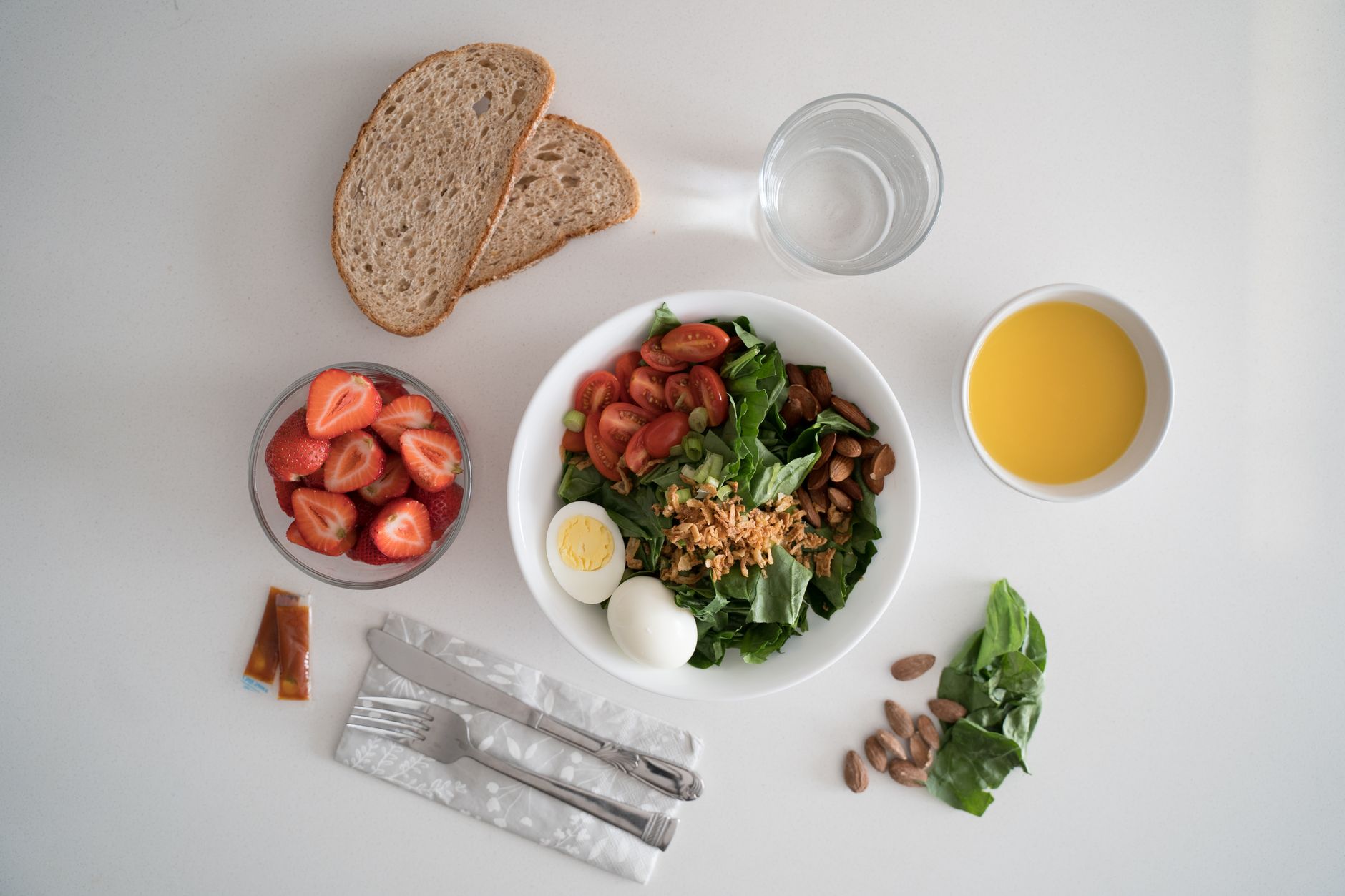
| Eat veg and protein before carbs | Fiber, protein, and fat slow how fast glucose hits your blood — studies show lower post-meal glucose and insulin |
| Take a 10–15 min walk after eating | Muscles pull glucose from the blood; a 2022 meta-analysis found even light post-meal walking meaningfully lowers spikes |
| Pair carbs with protein, fat, or fiber | An apple with nut butter, rice with vegetables and beans — never carbs alone |
| Choose whole over refined | Whole grains, fruit, and legumes raise glucose more gently than white flour and sugar |
| Don’t drink your sugar | Soda and juice spike fastest of all because liquid sugar needs no digesting |
💡 Tip: If you change just one thing, make it the post-meal walk. Ten minutes after your largest meal is one of the highest-return habits for blood sugar — and it’s free.
Sleep and stress matter too: a single poor night or a surge of stress hormones can raise glucose the next day, so they’re part of the same picture.
Who should pay closer attention
Most people can simply build the habits above. But you have more reason to be proactive — and to get tested — if you have:
- A family history of type 2 diabetes
- Prediabetes, PCOS, or a history of gestational diabetes
- Excess weight around the middle, or high blood pressure
- Symptoms like frequent thirst, unusual fatigue, or blurred vision
These call for a simple blood test (such as fasting glucose or HbA1c) through your doctor, not guesswork from an app. Diagnosing or managing diabetes is a medical job — the habits here support good health but don’t replace testing or treatment.
FAQ
Q. Are blood sugar spikes bad if I’m healthy?
A normal rise after eating is expected and harmless. What matters is the pattern over time — frequent large spikes from refined carbs and sugary drinks, day after day, is what raises long-term risk. The occasional dessert is not the problem.
Q. What’s the single most effective habit?
For most people, a 10–15 minute walk after meals gives the biggest return for the effort. Eating vegetables and protein before carbs is a close second.
Q. Should I buy a continuous glucose monitor?
If you don’t have diabetes, you don’t need one. It can be a useful short experiment to see how you react to specific foods, but it can also cause anxiety over normal spikes. The habits above work without it.
Sources
- Harvard T.H. Chan School of Public Health — Carbohydrates and Blood Sugar
- Johns Hopkins Bloomberg School of Public Health — Is Glucose Monitoring Useful for Non-Diabetics?
⚠️ Medical disclaimer: This article is for general information only and is not a substitute for medical advice. If you have symptoms of diabetes or risk factors, see a healthcare professional for proper testing and care.