Tag: skin health

  • Collagen Supplements: What They Can (and Can’t) Do, According to Science

    Collagen Supplements: What They Can (and Can’t) Do, According to Science

    Collagen has moved from beauty counters to mainstream wellness — powders in coffee, gummies, even protein bars. The honest answer on whether it works: collagen supplements are not just expensive placebos, but the benefits are real-yet-modest, mostly for skin hydration and joint comfort. Here’s what the evidence supports, where it gets thin, and how to decide if it’s worth your money.
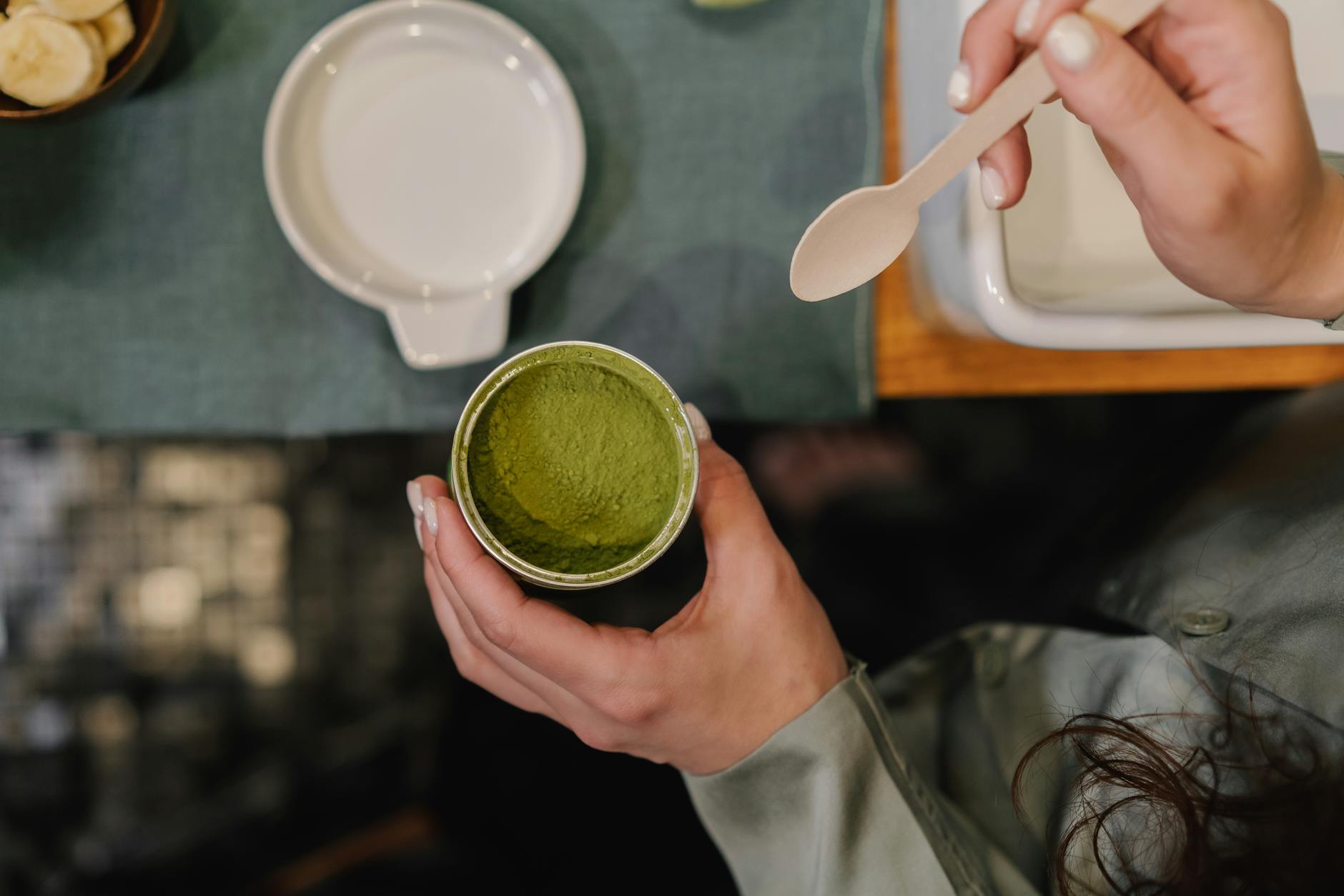
    A person holding a container of matcha powder with a spoon, ready for use.
    Hydrolyzed collagen peptides dissolve easily in drinks — but digestion breaks them down like any protein (사진: Mikhail Nilov / Pexels)

    What collagen supplements actually are

    Collagen is the most abundant protein in your body — the scaffolding of skin, tendons, cartilage, and bone. Supplements are usually hydrolyzed collagen (collagen peptides): collagen broken into small fragments your gut can absorb.

    One thing worth understanding: swallowed collagen doesn’t travel straight to your skin or knees. Digestion breaks it into amino acids and small peptides, like any protein. The working theory is that certain collagen-specific peptide fragments may signal your body to build more of its own collagen — plausible, but still being worked out.

    What the science supports so far

    A 2026 review pooling 16 systematic reviews — nearly 8,000 participants in total — came out cautiously positive. The strongest signals:

    Area What studies suggest
    Skin Modest gains in hydration and elasticity after about 8–12 weeks
    Joints Less activity-related joint pain; moderate improvements in knee osteoarthritis comfort
    Muscle (with training) Small additional benefit when combined with resistance exercise, mainly in older adults

    “Modest” is the key word — think slightly better-hydrated skin, not erased wrinkles.

    Where the evidence gets thin

    Claims about hair growth, nail strength, gut healing, and bone density are running ahead of the data. There are small encouraging studies for nails and bone, but they’re few, short, and often industry-funded. If you’re buying collagen primarily for hair or gut health, know that you’re betting on early-stage evidence.

    How to take it, if you try it

    • Dose: Studies on skin mostly used 2.5–10 g of collagen peptides daily; joint and muscle studies often used 10–15 g.
    • Form: Powdered peptides are the cheapest per gram and mix into coffee, smoothies, or yogurt. Gummies often contain too little to match study doses.
    • Timing: Doesn’t seem to matter. Consistency over weeks does.
    • Vitamin C: Your body needs it to synthesize collagen, so a diet with fruit and vegetables supports the process — an expensive “collagen + C” formula isn’t required.

    💡 Tip: Give it an honest trial — most studies run 8–12 weeks. If you notice nothing after three months, that’s a reasonable point to stop and spend the money elsewhere.

    Who seems to benefit most

    The research hints that people with a higher baseline need respond best: older adults (collagen production declines from our mid-20s and drops faster after menopause), and athletes with joint complaints. If you’re 25 with great skin and no joint issues, you’re the least likely to notice anything.

    Honest caveats before you buy

    Collagen is generally safe and well tolerated, but keep three things in mind. First, it’s an incomplete protein — it lacks tryptophan — so it shouldn’t replace your regular protein sources. Second, much of the research is funded by supplement makers; the findings aren’t invalid, but independent replication is limited. Third, supplements are loosely regulated, so choose brands with third-party testing. The boring fundamentals — sunscreen, sleep, enough protein, not smoking — still do far more for skin and joints than any powder.

    FAQ

    How long does collagen take to work?
    Most studies showing skin or joint benefits ran 8–12 weeks of daily use. If you’ve taken a study-level dose consistently for three months and notice nothing, it’s reasonable to stop.

    Is collagen better than regular protein powder?
    For overall nutrition and muscle, no — whey or soy are complete proteins and superior. Collagen’s potential edge is specific to skin and connective tissue, so the right choice depends on your goal.

    Are collagen supplements safe?
    For most people, yes — side effects are rare and usually mild (fullness, aftertaste). If you have kidney disease or food allergies (many collagens come from fish or eggs), check with your doctor first.


    Sources

    • 2026 umbrella review of collagen supplementation — 16 systematic reviews, ~8,000 participants
    • Harvard T.H. Chan School of Public Health — The Nutrition Source: collagen

    ⚠️ Medical disclaimer: This article is for general information only and is not a substitute for medical advice. Talk to a qualified healthcare professional before starting any supplement, especially if you have a medical condition or take medications.


  • Eat for Your Skin: Foods That Support a Healthy Glow

    Eat for Your Skin: Foods That Support a Healthy Glow

    Serums and sunscreen get the attention, but your skin is also built from what you eat. No food erases wrinkles or clears breakouts overnight — yet a steady, colorful diet gives skin the raw materials and protection it needs. Here’s what the evidence actually supports, minus the miracle claims.

    A vibrant salad featuring fresh lettuce, avocado slices, cherry tomatoes, pine nuts, and cheese, perfect for a healthy meal.
    A plate full of color — berries, greens, nuts, and good fats — gives skin the building blocks it needs (사진: Shameel mukkath / Pexels)

    Does food really affect your skin?

    Yes — but it’s one factor among several. Sleep, sun exposure, genetics, and your skincare routine all matter too. What you eat supplies the building blocks for collagen and the antioxidants that defend skin from daily wear.

    Think of diet as the foundation, not a cure-all. It works quietly, over weeks, alongside everything else.

    Antioxidants: your skin’s daily defense

    Every day, sunlight and pollution create “free radicals” that wear skin down. Antioxidants help neutralize them.

    • Vitamin C: citrus, peppers, kiwi — also needed to build collagen
    • Vitamin E and carotenoids: nuts, seeds, leafy greens, carrots
    • Polyphenols: berries, green tea, tomatoes (lycopene)

    A simple rule: the more natural color on your plate, the broader your antioxidant coverage.

    Healthy fats and protein

    Fats and protein keep skin supple and firm. Omega-3 fats help maintain the skin barrier and reduce moisture loss, while protein and vitamin C together give your body what it needs to make collagen.

    • Omega-3s: salmon, sardines, walnuts, flax and chia seeds
    • Protein: eggs, fish, beans, yogurt — the raw material for collagen and elastin

    The grape headline

    A recent small study made news when daily grapes appeared to shift skin-related gene activity in just two weeks. It’s intriguing — but early, and grapes are no magic bullet. The real lesson is the same as ever: variety and consistency beat any single “miracle” food.

    The sugar–skin connection

    Here’s the habit worth rethinking. Too much sugar drives a process called glycation, where sugar latches onto collagen and elastin and stiffens them — sometimes called “sugar sag.” Heavily processed foods, fried foods, and a lot of alcohol work against your skin too.

    This isn’t about perfection. It’s about dialing back the extras, not banning dessert forever.

    Build a skin-friendly plate

    Food What it gives skin
    Oily fish (salmon, sardines) Omega-3s for a strong barrier
    Berries & citrus Vitamin C and polyphenols
    Leafy greens Carotenoids and folate
    Tomatoes Lycopene, a sun-defending antioxidant
    Nuts & seeds Vitamin E and healthy fats
    Water Hydration that supports skin from within

    Beyond the plate

    Food can’t do it alone. Daily hydration, enough sleep, sun protection, and not smoking arguably matter as much as any single food. As for collagen supplements, the evidence is modest and mixed — a balanced diet with protein and vitamin C does much of the same work for less.

    💡 Tip: Build one colorful habit at a time — a handful of berries at breakfast, greens at lunch. Small, repeatable wins beat a short-lived “skin detox.”

    FAQ

    Can what I eat clear up my skin?
    Diet can support healthier skin, but it rarely fixes everything on its own. Persistent acne, rashes, or other concerns deserve a dermatologist’s input rather than a food fix alone.

    Do collagen supplements work?
    Some early studies suggest modest gains in hydration or elasticity, but results are mixed and quality varies. For most people, eating enough protein plus vitamin C is a cheaper, well-supported first step.

    How long until diet changes show on my skin?
    Skin renews over weeks, so give consistent changes about 4–8 weeks. Pair them with sleep and sun protection — diet works best as part of the whole picture.


    Sources

    ⚠️ Medical disclaimer: This article is for general information only and is not a substitute for medical or dermatological advice. For persistent skin concerns, consult a qualified professional.