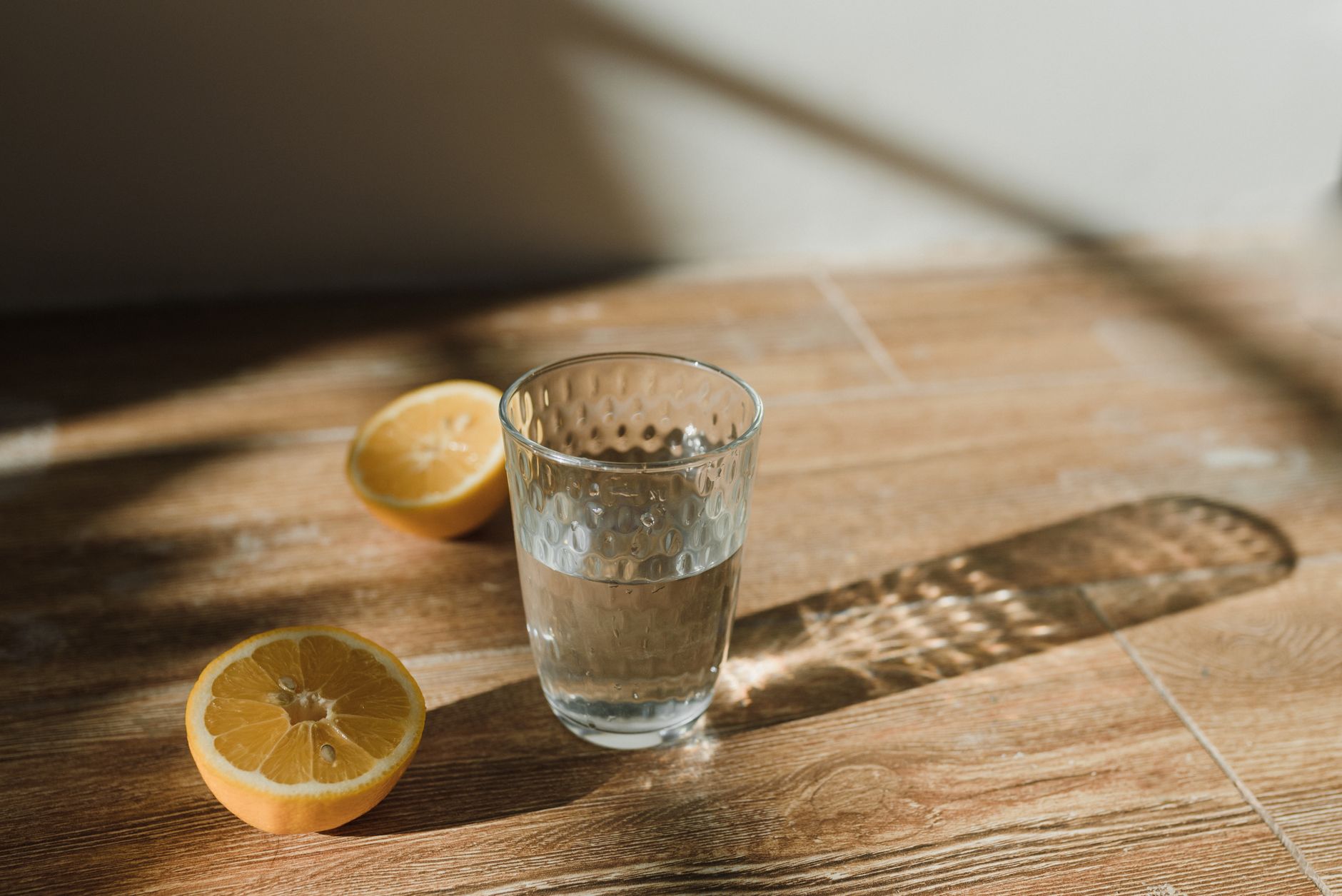
Electrolyte powders and tablets have become a wellness staple — sold for energy, focus, hangovers, and “optimal hydration.” But here’s the honest answer most marketing skips: for everyday life and short workouts, plain water plus a normal diet covers your electrolytes just fine. They earn their place in specific situations, not as a daily habit. Here’s how to tell the difference.
What electrolytes actually do
Electrolytes are minerals — mainly sodium, potassium, magnesium, and chloride — that carry electrical charge and help run your nerves, muscles, and fluid balance. You lose them mostly through sweat and urine, and you replace them through food and drink. The key point: your body is very good at keeping these in balance, and a normal diet supplies plenty for ordinary days.
When water is all you need
For most situations, plain water is the right choice:
- Everyday hydration at your desk or around the house
- Light activity and walks
- Workouts under about an hour
In these cases, you’re not losing enough electrolytes to need replacing on the spot. A balanced diet — fruit, vegetables, dairy, a normal amount of salt — refills them naturally across the day.
When electrolyte drinks genuinely help
There are real scenarios where they make a difference:
| Situation | Why electrolytes help |
|---|---|
| Hard exercise over ~60 minutes | Replaces sodium lost in sweat, sustains performance |
| Training or working in the heat | Heavy sweating drains sodium faster |
| Illness with vomiting or diarrhea | Rapid fluid and electrolyte loss (oral rehydration solutions) |
| Endurance events | Prevents low sodium from drinking only water for hours |
💡 Tip: If you’re sweating heavily for more than an hour, that’s the clearest signal an electrolyte drink is worth it — not a casual gym session.
The sodium catch most products miss
Here’s a detail the labels rarely highlight: to actually improve hydration, research points to a sodium concentration of roughly 40–100 mmol/L. Many popular sports drinks sit at only 20–30 mmol/L — low enough that the hydration benefit is inconsistent. So a drink can be marketed for “hydration” while being too dilute in sodium to meaningfully outperform water. If you genuinely need electrolytes, the sodium dose matters more than the flavor or the trendy label.
The downsides of overdoing it
For healthy people, extra electrolytes from the occasional drink aren’t harmful — your kidneys clear the excess. But daily electrolyte drinks add up: many are loaded with sodium you don’t need, and some contain added sugar. If you have high blood pressure, kidney disease, or heart conditions, the extra sodium isn’t trivial — check with your doctor before making them a habit.
FAQ
Are electrolyte drinks better than water for daily hydration?
For most people, no. Plain water plus a normal diet keeps you hydrated and replaces electrolytes naturally. Electrolyte drinks mainly help during prolonged sweating, heat, or illness — not routine days.
Do I need electrolytes after a normal gym workout?
Usually not. For exercise under about an hour, water is enough and your next meal replaces what you lost. Reserve electrolyte drinks for sessions over 60 minutes or heavy sweating in heat.
What should I look for in an electrolyte drink?
Enough sodium to matter (many products are too low), little or no added sugar unless you need fuel for endurance, and a reason to use it. If you don’t fit a high-sweat or illness scenario, you probably don’t need one at all.
Sources
- American College of Sports Medicine — fluid and electrolyte guidance for exercise
- Nutrients (2025) — sodium concentration and hydration in active adults
⚠️ Medical disclaimer: This article is for general information only and is not a substitute for medical advice. If you have high blood pressure, kidney disease, or another condition affecting sodium or fluid intake, consult a qualified healthcare professional.