Tag: exercise

  • Exercise for Your Mind: How Movement Eases Depression and Anxiety

    Exercise for Your Mind: How Movement Eases Depression and Anxiety

    Most people start exercising to change their body — but surveys now find the top reason is mental and emotional well-being. The science backs that instinct: in 2025 reviews, exercise reduced symptoms of depression and anxiety with effects comparable to, and sometimes exceeding, therapy and medication for many people. Movement isn’t a replacement for treatment, but it’s one of the most accessible, evidence-backed tools for your mind. Here’s how it works and how to begin.
    Legs of anonymous person in white sneakers and black leggings running on sidewalk
    Movement is one of the most accessible, evidence-backed tools for mental health (사진: Ketut Subiyanto / Pexels)

    What the research actually found

    The evidence here is unusually strong for a lifestyle habit. A 2025 meta-analysis found a large effect on depression and a moderate effect on anxiety across dozens of trials. To put that in context, those effect sizes are in the same range as established treatments — which is why clinicians increasingly treat exercise as a genuine intervention, not just generic “self-care” advice.

    Why movement lifts mood

    Several mechanisms work together, which is likely why the effect is so reliable:

    Mechanism What it does
    Brain chemistry Boosts endorphins, serotonin, and dopamine
    Stress hormones Lowers resting cortisol over time
    Brain growth Raises BDNF, which supports new neural connections
    Psychology Builds a sense of mastery, routine, and accomplishment

    It also interrupts rumination — the loop of repetitive negative thinking — by pulling your attention into your body and surroundings.

    You need less than you think

    A common myth is that you need intense, hour-long sessions to see a benefit. The research says otherwise: meaningful improvements showed up even at volumes below official activity guidelines. A brisk 20–30 minute walk most days is enough to start. The biggest predictor of benefit isn’t intensity — it’s consistency.

    💡 Tip: The best exercise for your mental health is the one you’ll actually keep doing. Enjoyment beats optimization every time.

    Which type is best?

    The honest answer: the kind you’ll stick with. That said, the research offers gentle nudges:

    • Aerobic exercise (walking, jogging, cycling, swimming) had a slightly stronger effect on depression.
    • Resistance training (weights, bodyweight) showed a slightly stronger effect on anxiety.
    • A mix of both worked well across the board.

    Outdoor movement adds a bonus — daylight and nature each independently support mood, so a walk outside stacks several benefits at once.

    Starting when motivation is low

    The cruel irony of depression and anxiety is that they drain the very motivation exercise requires. So lower the bar dramatically. Put on your shoes and walk to the corner. Do five minutes. Tell yourself you can stop after that — you usually won’t want to. Pairing movement with something you already do (a podcast, a friend, a regular time of day) makes it stick far better than relying on willpower.

    FAQ

    Can exercise really replace medication or therapy?
    For some people with mild to moderate symptoms, exercise alone produces meaningful improvement. But it’s best seen as a powerful addition, not a guaranteed replacement. Never stop prescribed treatment without talking to your doctor first.

    How long until I feel a difference?
    A single session can lift your mood for a few hours. For lasting change in depression or anxiety symptoms, most studies show benefits building over several weeks of regular movement — consistency is what matters.

    What if I have no energy to exercise?
    Start absurdly small — a five-minute walk counts. Sub-guideline amounts still help, and low-energy days are normal. Reducing the size of the first step is more effective than waiting to feel motivated.


    Sources

    • 2025 systematic review and meta-analysis on exercise for depression and anxiety
    • The Lancet Psychiatry and WHO physical activity guidance

    ⚠️ Medical disclaimer: This article is for general information only and is not a substitute for professional care. If you are experiencing depression, anxiety, or thoughts of self-harm, please consult a qualified healthcare professional or contact a crisis line in your area.
  • Exercise Snacks: Tiny Workouts That Add Up

    Exercise Snacks: Tiny Workouts That Add Up

    If a full workout feels impossible some days, there’s good news: tiny bursts of movement count too. “Exercise snacks” — short, frequent bouts of activity spread through your day — are one of 2026’s most talked-about fitness ideas, and the research behind them is genuinely encouraging.

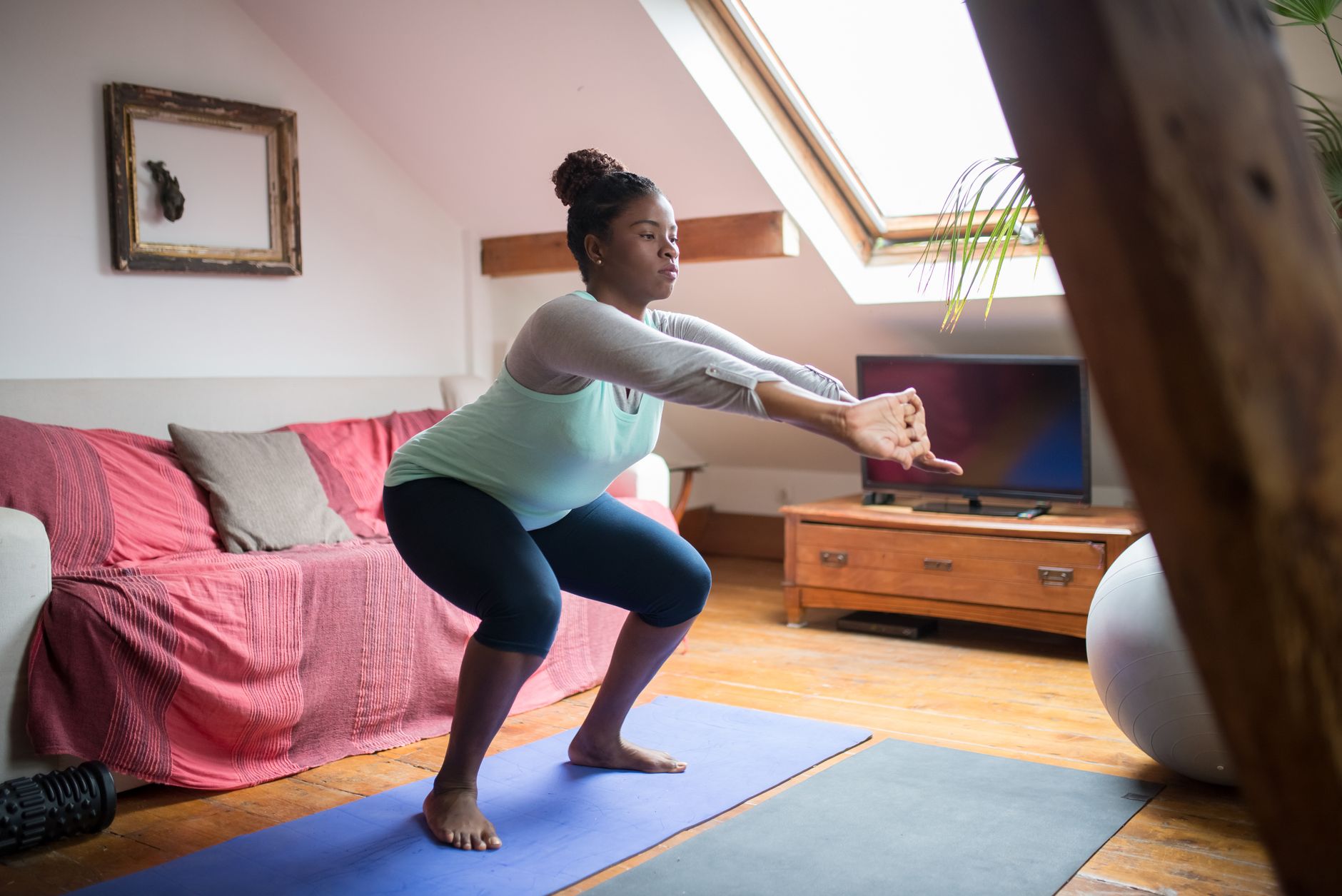
    A woman performs squats on a yoga mat in a cozy living room, promoting home fitness and wellness.
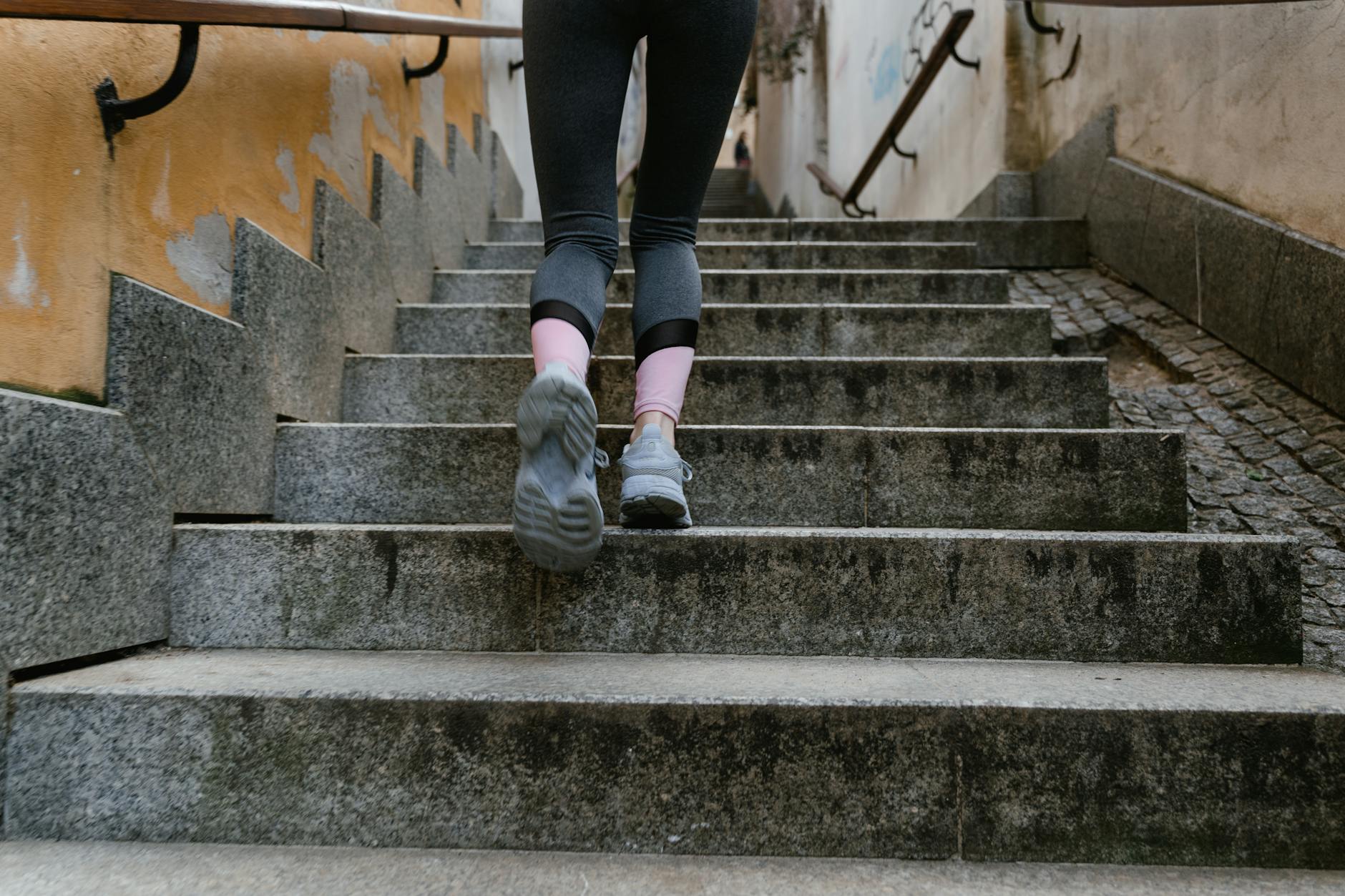
    A minute of stairs or a quick set of squats counts — exercise snacks fit into the gaps in your day (사진: Kampus Production / Pexels)

    What an “exercise snack” is

    An exercise snack is a short burst of movement — roughly 30 seconds to a couple of minutes — done several times a day instead of (or alongside) one long session.

    • A close cousin is VILPA: vigorous intermittent lifestyle physical activity
    • That just means everyday bursts — climbing stairs, carrying heavy groceries, a fast walk to the bus
    • No gym, no kit, no changing clothes required

    Why short bursts work

    The findings surprised even researchers. In people who didn’t otherwise exercise, just 3–4 minutes a day of vigorous bursts was linked to around a 40% lower risk of dying from any cause and nearly 50% lower from heart disease. Short, all-out stair-climbing “snacks” measurably improved fitness in trials. Your body responds to movement even in small doses.

    Easy exercise snacks to try

    Snack When it fits
    Climb a flight of stairs briskly Instead of the lift
    10–20 bodyweight squats While the kettle boils
    A fast 1–2 minute walk Between meetings or calls
    Calf raises or marching in place At your desk
    Carry groceries the long way On the way home

    Make them stick

    Anchor each snack to something you already do: squats after your morning coffee, stairs every bathroom break, a brisk lap after lunch. Start with one or two a day and build — easy beats ambitious when it comes to habits.

    Snacks for blood sugar

    Moving for just a minute or two after meals helps blunt the post-meal blood-sugar spike — and short squat breaks can beat one long walk for this. If you sit for work, try to break up long stretches every 30 to 60 minutes, even just to stand and stretch.

    💡 Tip: Set a gentle reminder to move once an hour. The goal isn’t intensity every time — it’s interrupting long stretches of sitting.

    Do they replace regular exercise?

    Exercise snacks aren’t a loophole that cancels everything else — but they absolutely count toward your weekly activity, and they’re a brilliant option for busy or mostly sedentary days. Over time, still aim for a mix of cardio and strength. Snacks are a floor, not a ceiling.

    Safety and getting started

    Build up gradually, and give vigorous bursts a few easy movements first to warm up. If you have a heart condition, joint problems, or are new to exercise, check with a healthcare professional about what intensity is right for you.

    FAQ

    How short can an exercise snack be?
    Very short — anywhere from about 20 seconds to a couple of minutes. Even 3–4 minutes total per day of vigorous bursts has been linked to real health benefits.

    Do exercise snacks really count toward fitness?
    Yes. Trials show short bursts can improve cardiorespiratory fitness and blood-sugar control. The bouts add up across the day, even without a formal workout.

    What if I can’t do vigorous activity?
    Lighter movement still helps. Standing, walking, or stretching every 30 to 60 minutes improves metabolic health compared with sitting all day. Do what your body allows.


    Sources

    ⚠️ Medical disclaimer: This article is for general information only and is not a substitute for medical advice. If you have a health condition or are new to exercise, talk to a qualified professional before increasing intensity.

  • How Many Steps a Day Do You Really Need?

    How Many Steps a Day Do You Really Need?

    The “10,000 steps a day” target is famous — but it began as a marketing slogan, not a scientific finding. When researchers actually measured how step counts relate to health and longevity, the encouraging picture that emerged is that the biggest gains come well before 10,000, and that any move up from a low baseline counts. Here’s what the evidence says and how to use it without obsessing over a number.

    Woman walking under blooming trees in a sculpture garden during spring.
    Even modest daily walking delivers meaningful, measurable health benefits (사진: Paige Thompson / Pexels)

    Where the 10,000 number really came from

    The 10,000-step goal traces back to a pedometer sold in Japan around the 1964 Tokyo Olympics, named manpo-kei — literally “10,000-step meter.” It was a catchy, round marketing number, not a threshold derived from health research. That doesn’t make it a bad goal; it simply means there’s nothing magical about that exact figure, and treating it as pass/fail discourages people who would benefit most.

    What the research actually shows

    Large studies that track step counts against death rates have converged on a clear, reassuring pattern — a dose-response curve that rises steeply at first and then flattens.

    • A 2022 Lancet Public Health meta-analysis of more than 47,000 adults found that risk of early death kept dropping up to roughly 8,000–10,000 steps for adults under 60, and 6,000–8,000 steps for adults 60 and older — after which the benefit plateaued.
    • A 2023 review in the European Journal of Preventive Cardiology found that all-cause mortality risk began falling at as few as ~4,000 steps a day, with cardiovascular benefits showing up even lower.
    • Crucially, the steepest part of the curve is at the low end: moving from about 3,000 to 5,000–6,000 steps brings a larger proportional gain than going from 8,000 to 10,000.

    The takeaway: for most people, more than your current average is the real target — not a fixed universal number.

    Why walking punches above its weight

    Walking is the most accessible form of moderate exercise, and the benefits are broad:

    Benefit Notes
    Heart health Supports healthy blood pressure, circulation, and blood sugar
    Weight management Burns calories and is easy to sustain day to day
    Mood & stress Walking, especially outdoors, reliably lifts mood
    Joints & longevity Low-impact, and linked to a longer healthy lifespan

    Because it’s low-impact and needs no equipment, walking is also one of the easiest habits to keep for years — and consistency over years is what actually moves health outcomes.

    Does speed matter, or just the total?

    Both help, but in different ways. Total daily steps drive most of the longevity benefit, so accumulating movement throughout the day counts even if it’s slow. That said, research also links a faster cadence (around 100+ steps per minute, a brisk pace where talking is possible but singing isn’t) to additional cardiovascular and metabolic benefit. A practical rule: get the steps in however you can first, then add some brisk stretches once walking is a habit.

    Easy ways to add steps

    You rarely need a dedicated workout — you need to thread movement through your day:

    • Take a 10-minute walk after meals (it also helps blood sugar)
    • Park farther away and take stairs instead of elevators
    • Turn phone calls and some meetings into walking ones
    • Break it up: three 10-minute walks add up as well as one 30-minute walk

    💡 Tip: Don’t fixate on 10,000. Find your current average for a week, add 1,000–2,000 steps, and build from there. A target you actually hit beats a perfect one you abandon.

    Who should ease in

    Walking is safe for almost everyone, but build up gradually if you’ve been very inactive, are recovering from injury or surgery, are pregnant, or have heart, lung, or joint conditions. Start with short walks, increase by about 10% a week, and check with your doctor first if you have a medical condition or any warning symptoms like chest pain or dizziness.

    FAQ

    Q. Is 10,000 steps necessary?
    No. In large studies, much of the longevity benefit appears by 7,000–8,000 steps for younger adults and around 6,000 for older adults, with gains starting as low as ~4,000. More than your current average matters more than any specific number.

    Q. Does walking count as real exercise?
    Yes. Brisk walking is genuine moderate-intensity activity and counts toward the standard recommendation of about 150 minutes of moderate activity per week.

    Q. Faster or longer — which is better?
    Both help. Total daily movement drives most of the benefit, while a brisk pace (about 100+ steps per minute) adds extra cardiovascular value. Prioritize getting the steps in, then work on pace.


    Sources

    • U.S. Department of Health and Human Services — Physical Activity Guidelines for Americans
    • Paluch et al. (2022), The Lancet Public Health — daily steps and mortality dose-response meta-analysis
    • European Journal of Preventive Cardiology (2023) — steps per day and cardiovascular and all-cause mortality

    ⚠️ Medical disclaimer: This article is for general information only and is not a substitute for medical advice. If you have a health condition or symptoms, check with a qualified professional before significantly increasing your activity.