GLP-1 medications like Ozempic and Wegovy are everywhere — and so is the phrase “nature’s Ozempic.” But you don’t need a prescription to have GLP-1: your gut makes this fullness hormone every time you eat. Food won’t match a drug, but the right meals can nudge it in the right direction. Here’s what actually helps.
What GLP-1 actually is
GLP-1 (glucagon-like peptide-1) is a hormone released by cells in your gut after you eat. It does a few useful things:
- Signals fullness to your brain
- Slows how fast your stomach empties, so you feel satisfied longer
- Helps steady blood sugar after meals
Medications copy this hormone at high, steady levels. Food works with your own, smaller supply.
Why “nature’s Ozempic” is a stretch
No food matches a GLP-1 drug. Meals raise the hormone for a while; medications keep it elevated around the clock. Eating well can genuinely curb appetite and steady blood sugar — just don’t expect dramatic, drug-like results. Think “support,” not “replace.”
⚠️ If you’re considering medication for obesity or diabetes, that’s a conversation for your doctor — not something food alone replaces.
Foods that nudge GLP-1 up
Two nutrients do most of the work: protein triggers GLP-1 quickly at a meal, and fermentable fiber feeds gut bacteria that release it more slowly.
| Food | Why it helps |
|---|---|
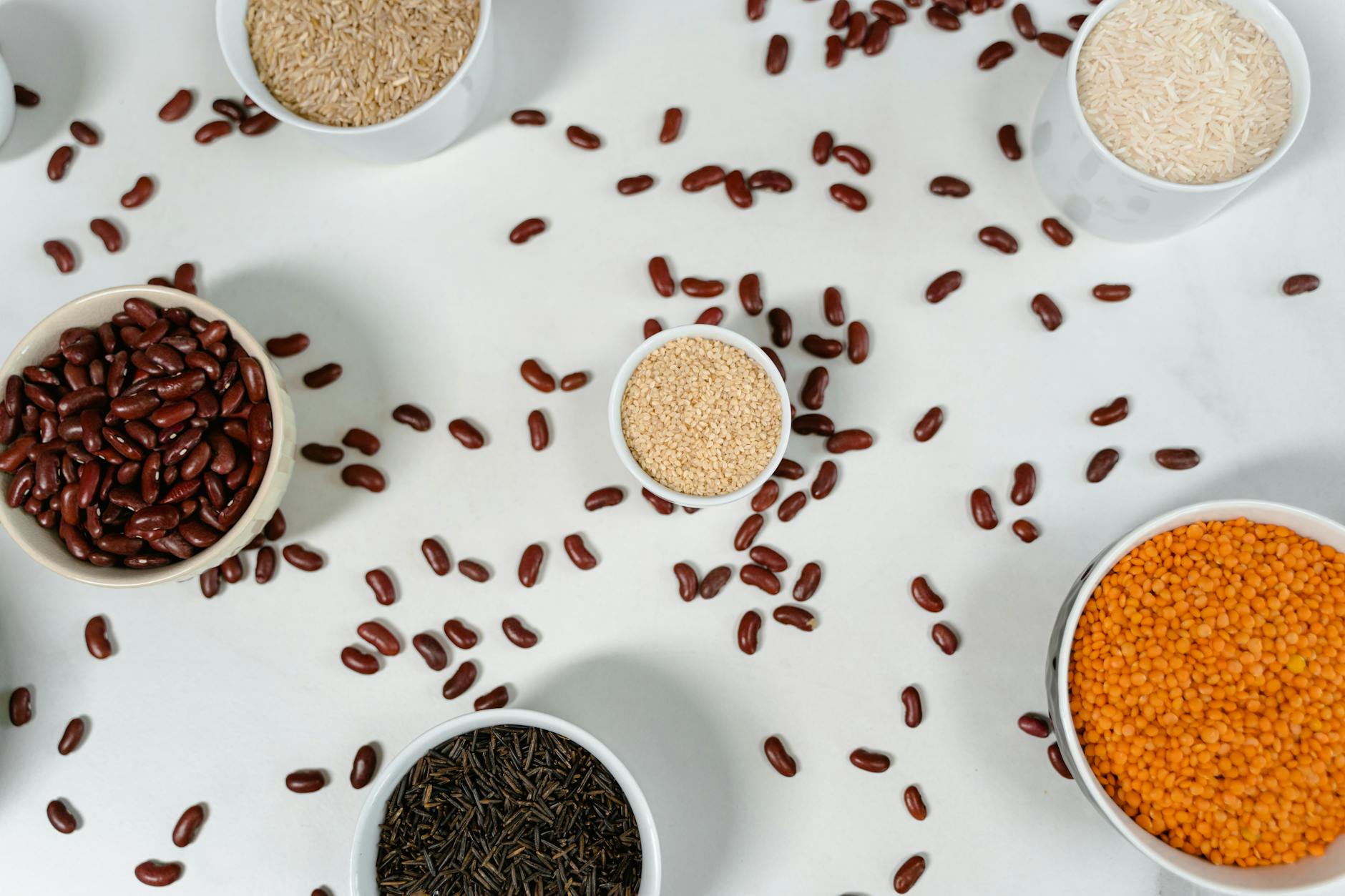
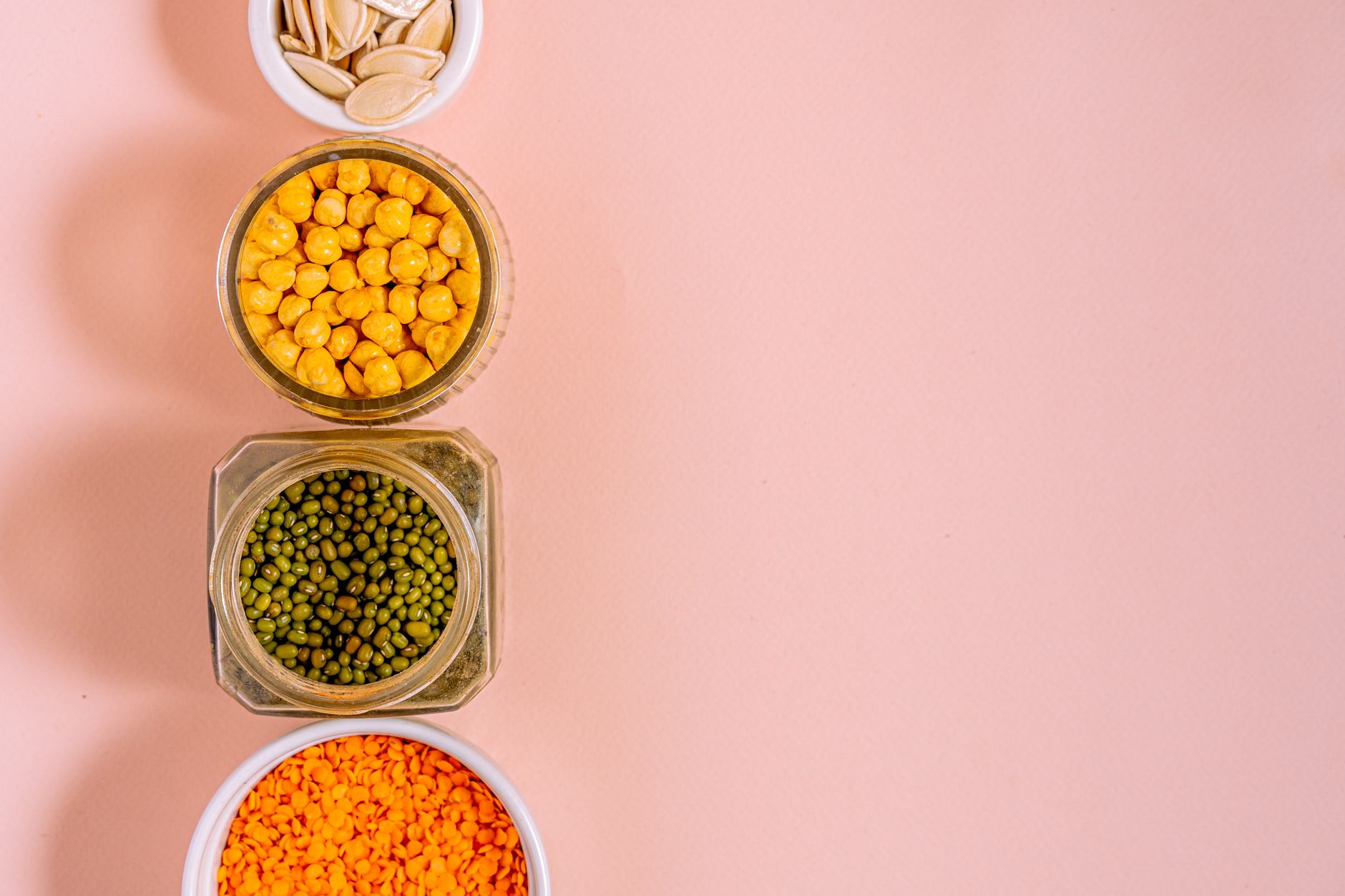
| Beans, lentils, chickpeas | Resistant starch + soluble fiber; strong GLP-1 response |
| Oats & barley | Beta-glucan fiber steadies blood sugar |
| Eggs, fish, Greek yogurt | Protein triggers fullness hormones |
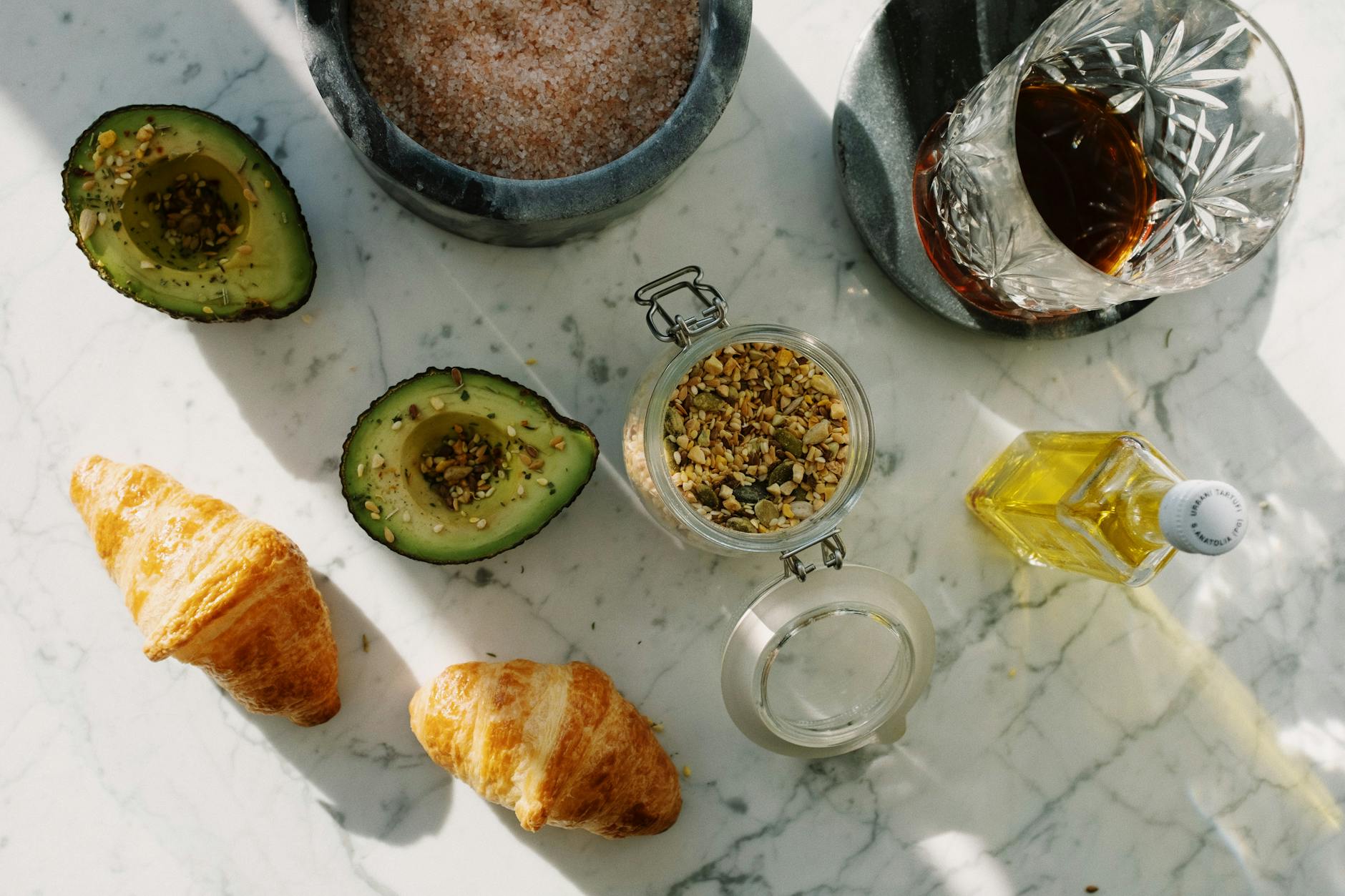
| Olive oil, avocado, nuts | Healthy fats stimulate GLP-1 release |
| Fatty fish (salmon, sardines) | Omega-3s may support the metabolic benefits |
Build a GLP-1-friendly plate
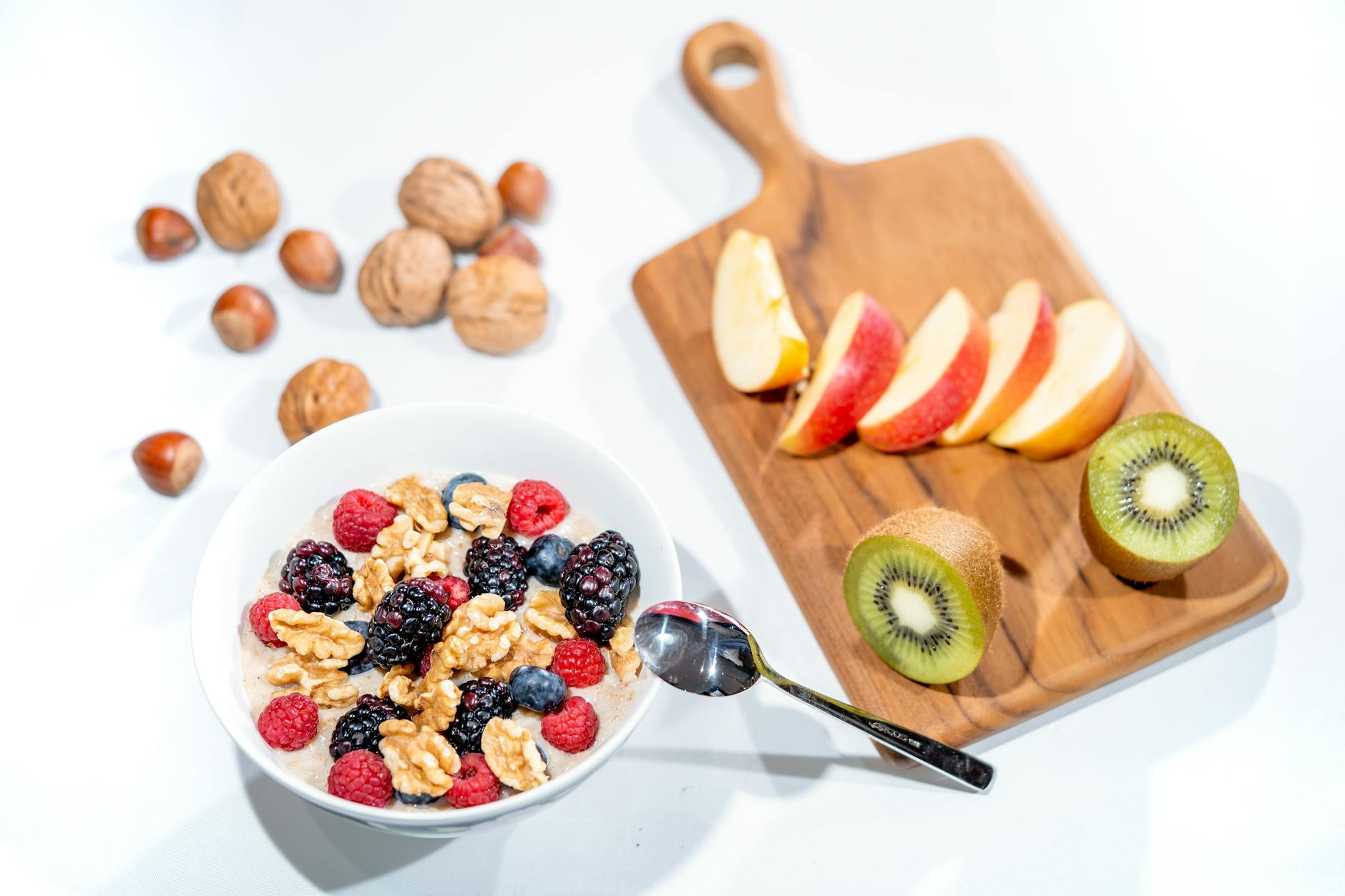
Aim for protein + fiber + a little healthy fat at each meal — say, lentils with olive oil and vegetables, or eggs with oats and berries. The combination keeps you full longer than any single food.
Habits that matter as much as foods
- Eat slowly — fullness signals take time to register
- Be consistent with fiber so your gut bacteria adapt
- Include fermented foods (yogurt, kimchi) that support a healthy microbiome
- Don’t skip meals and then overeat, which blunts the benefit
💡 Tip: Starting a meal with vegetables or a little protein, then eating the starch, can soften the post-meal blood-sugar spike.
What about “GLP-1 booster” supplements?
Pills promising to “boost GLP-1” are flooding the market. The evidence is thin, quality varies, and some can interact with medications. Whole foods give you fiber, protein, and healthy fats together — for far less money and with real evidence behind them.
⚠️ Talk to a healthcare professional before starting any supplement, especially if you take medication or are pregnant.
When food isn’t enough
For some people with obesity or type 2 diabetes, diet alone won’t be enough — and that’s not a personal failure. GLP-1 medications exist for good reasons. Food and medication aren’t either/or; the basics (protein, fiber, movement, sleep) help no matter which path you’re on.
FAQ
Can food really replace GLP-1 medication?
No. Food nudges your natural GLP-1 modestly, while medication keeps it high steadily. Eating well can still curb appetite and steady blood sugar — a worthwhile foundation, not a swap.
Is there one food that boosts GLP-1 the most?
There’s no magic food. The strongest combination is fermentable fiber (beans, oats) plus protein at the same meal. Legumes are among the most consistent performers in studies.
How quickly does this work?
Protein and fat raise GLP-1 within the meal itself. The fiber-and-microbiome effect builds over weeks as your gut bacteria adapt to a higher-fiber diet.
Sources
- Cleveland Clinic — GLP-1 (glucagon-like peptide-1)
- Harvard T.H. Chan School of Public Health — Fiber
⚠️ Medical disclaimer: This article is for general information only and is not a substitute for medical advice. Talk to a qualified professional about your own diet, medications, and health.