“Anti-inflammatory” is on every food label and feed in 2026. Some of it is hype — but the core idea is real and well-studied. Here’s what inflammation actually is, which foods genuinely help calm it, which ones fuel it, and how to start without overhauling your life.
What “inflammation” actually means
Inflammation isn’t all bad. Acute inflammation is your body healing — the redness around a cut, fighting off a cold. The concern is chronic, low-grade inflammation that simmers quietly for years.
- Acute: short-term, helpful, part of healing
- Chronic: long-term, silent, linked to heart disease, diabetes, and more
- Sometimes called “inflammaging” as it rises with age
Diet is one lever you can actually pull on the chronic kind.
Why food matters
What you eat can shift inflammatory markers (like CRP) within weeks. A big part of the effect runs through your gut: fiber and plant polyphenols feed helpful bacteria, while ultra-processed foods can do the opposite. The whole eating pattern matters far more than any single food.
Foods that calm inflammation
| Food | Why it helps |
|---|---|
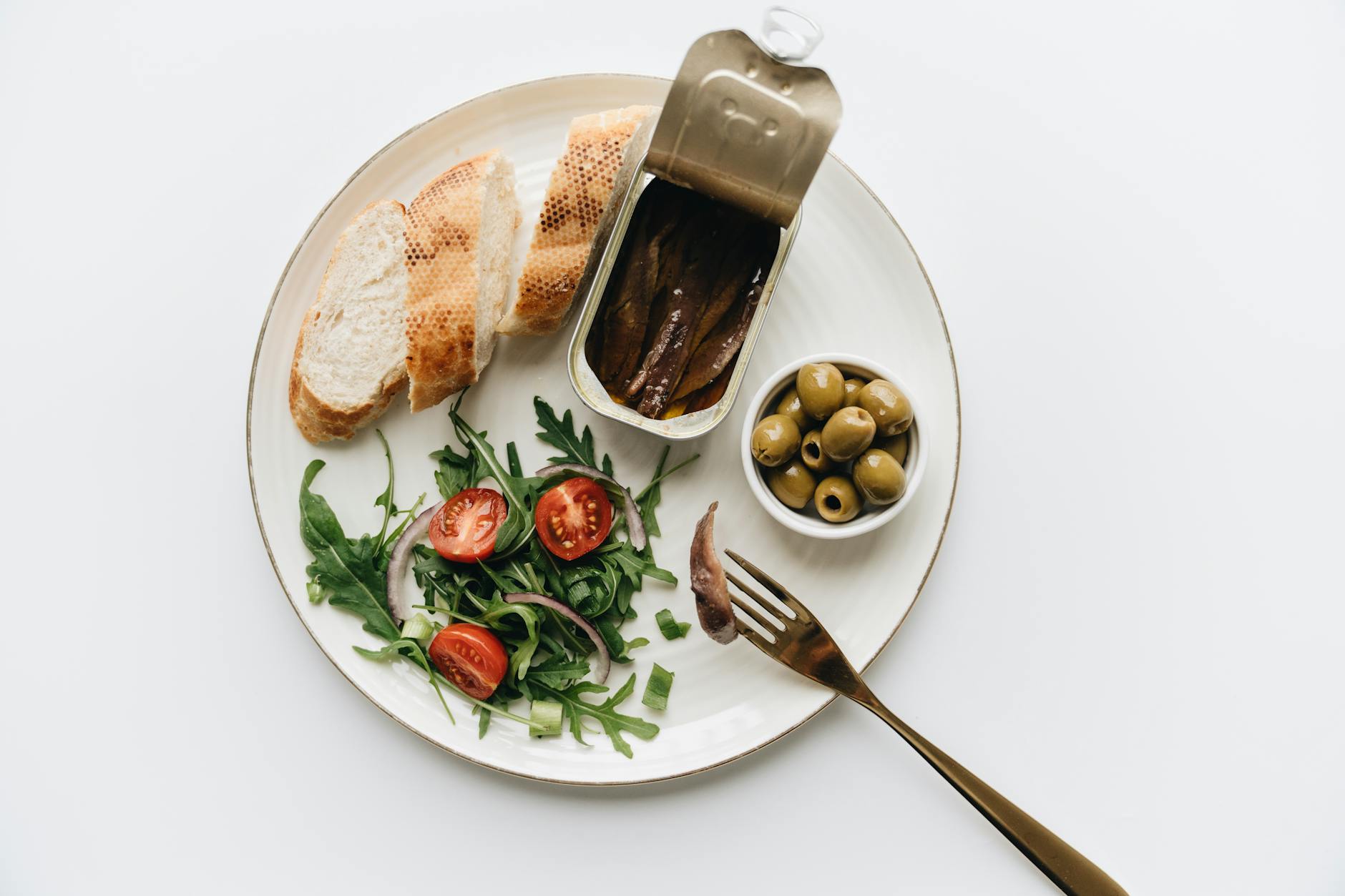
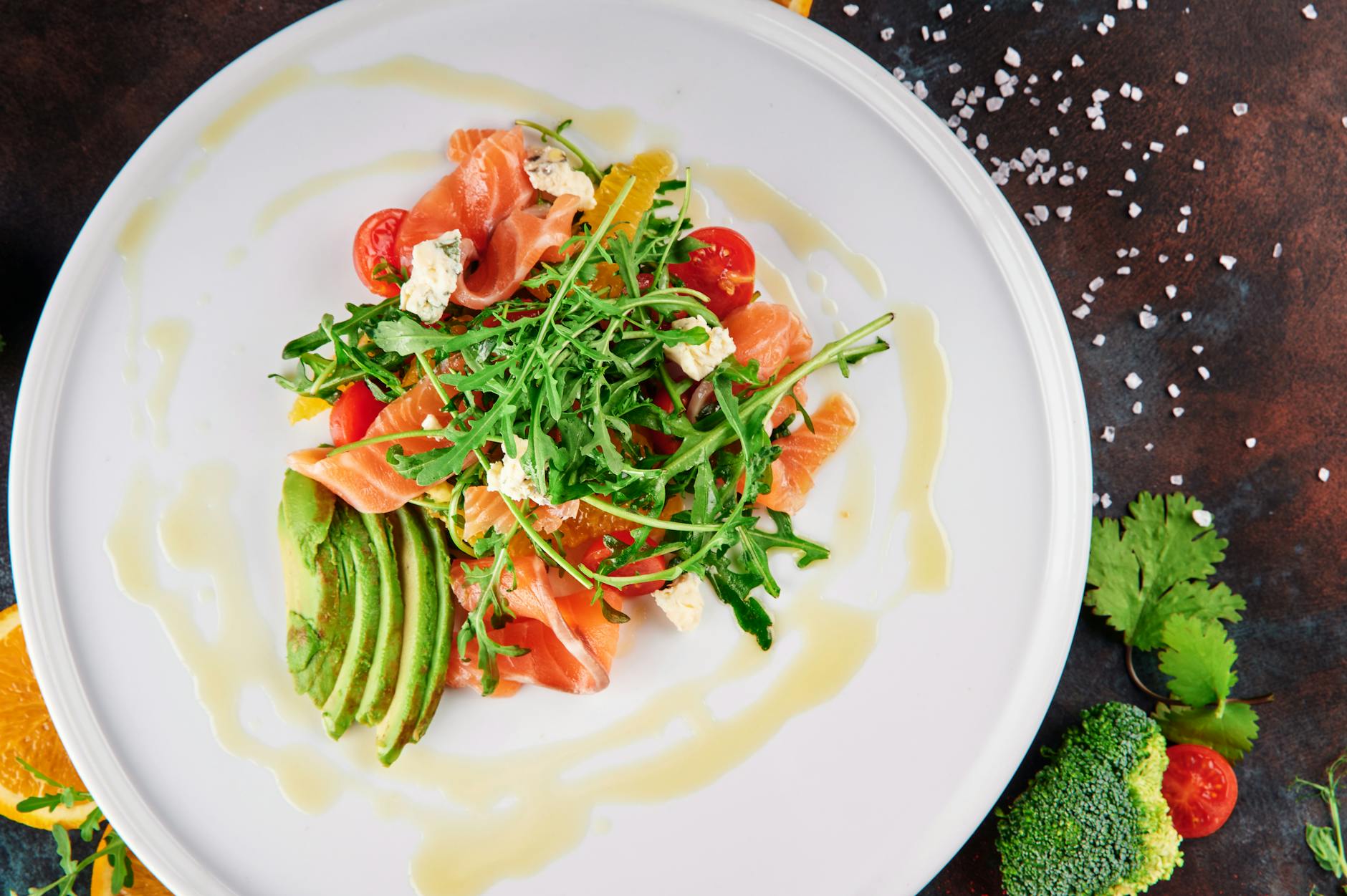
| Fatty fish (salmon, sardines) | Omega-3 fats, strongly anti-inflammatory |
| Berries & colorful fruit | Polyphenols and antioxidants |
| Leafy greens & vegetables | Fiber, vitamins, plant compounds |
| Olive oil | Healthy fat at the heart of the pattern |
| Nuts, beans, whole grains | Fiber that feeds a calmer gut |
| Herbs & spices (turmeric, ginger) | Compounds being actively studied |
It’s the pattern, not a “superfood”
No single food cancels out inflammation — not turmeric, not blueberries. The most studied approach is the Mediterranean pattern: lots of plants, fish, olive oil, and whole grains. Consistency across meals is what moves the needle.
Foods that fuel it
On the other side, some foods tend to push inflammation up when eaten often:
- Ultra-processed foods and sugary drinks
- Refined carbs and added sugar
- Processed meats
- Excess alcohol and trans fats
The goal is to lean away from these most of the time — not to fear a single meal.
Start simple
You don’t need a new diet, just a few swaps you’ll actually keep:
- Use olive oil instead of butter
- Eat fish a couple of times a week
- Make fruit your usual dessert
- Choose water or tea over soda
- Add one vegetable to each meal
💡 Tip: Change one thing this week and let it stick before adding the next. Small, lasting swaps beat a strict plan you drop in a month.
What to expect (and when to see a doctor)
The effects are real but gradual — inflammatory markers may improve over 4 to 8 weeks. This is supportive, not a cure for any disease. If you have a chronic condition or raised markers, work with a healthcare professional; anti-inflammatory eating complements treatment, it doesn’t replace it.
FAQ
Is there one best anti-inflammatory food?
No. No single food does the job — the overall pattern matters most. A varied, Mediterranean-style way of eating beats chasing any one “superfood.”
How fast does anti-inflammatory eating work?
Inflammatory markers can shift within about 4–8 weeks of consistent changes, and some people feel better sooner. Think steady habits, not a quick detox.
Do I need supplements like turmeric or fish oil?
Whole foods come first. Supplement evidence is mixed, doses vary, and some can interact with medications — check with a professional before relying on them.
Sources
- Harvard Health Publishing — foods that fight inflammation
- Cleveland Clinic — anti-inflammatory diet
⚠️ Medical disclaimer: This article is for general information only and is not a substitute for medical advice. If you have a health condition, talk to a qualified professional before making major dietary changes.