
Tag: wellness

  • Sauna and Cold Plunge: What the Evidence Says (and the Safety Rules)

    Sauna and Cold Plunge: What the Evidence Says (and the Safety Rules)

    Ice baths and saunas are everywhere in 2026 — from gym recovery rooms to backyard barrels. Some of the benefits are real and well-studied; others are more hype than proof. Here’s an honest look at what heat and cold therapy can do, and the safety rules that matter most before you jump in.
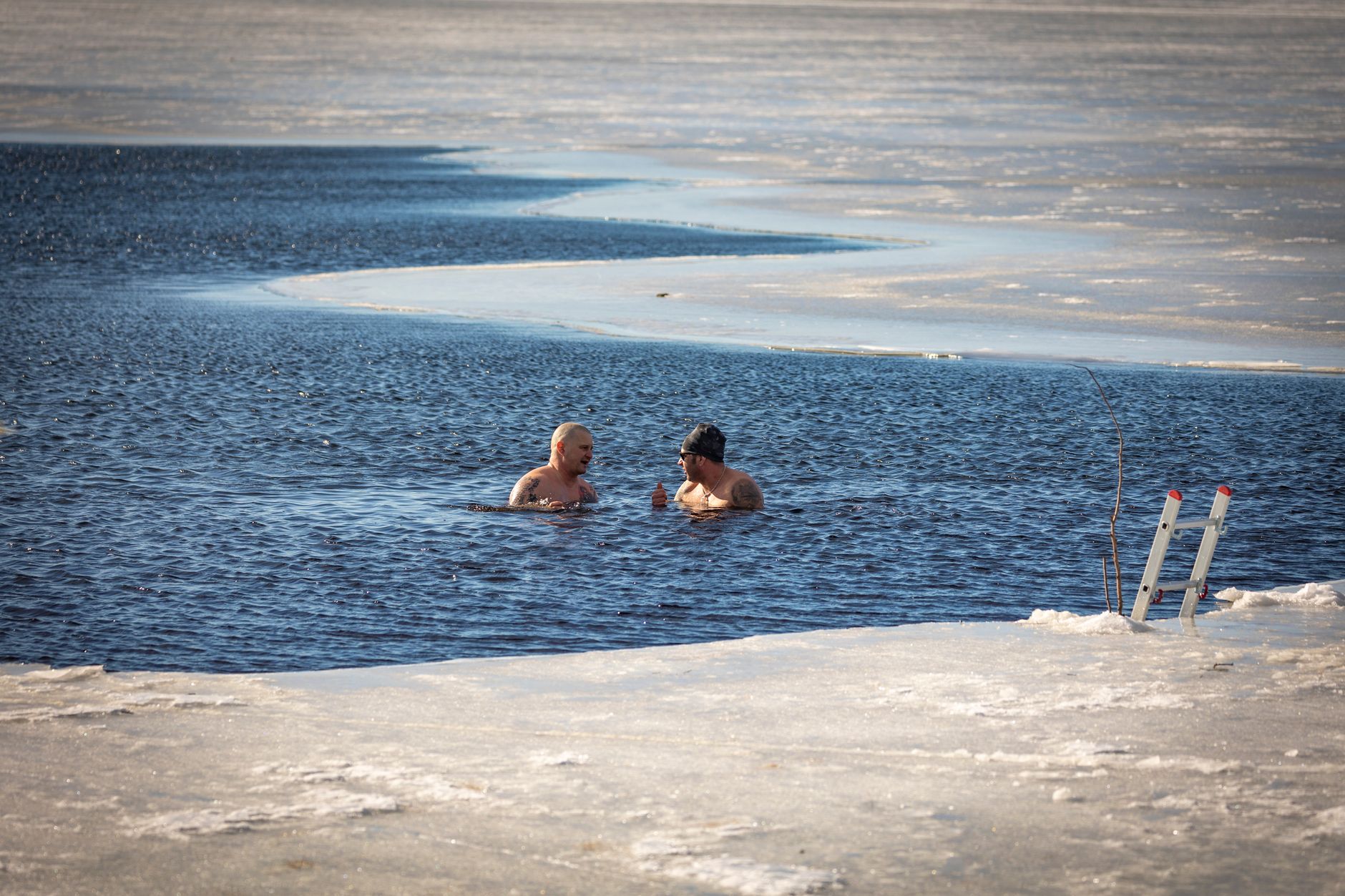
    Two men brave the cold for a swim in a partially frozen lake during winter.
    Heat and cold therapy are having a moment — but easing in and respecting the safety rules matters most (사진: Olavi Anttila / Pexels)

    The heat–cold trend, briefly

    The basic idea: sit in a hot sauna, then plunge into cold water — sometimes alternating, which people call “contrast therapy.” Fans report better recovery, mood, and circulation. The evidence is stronger for some of these claims than others, so it’s worth separating what’s proven from what’s promising.

    Sauna: the stronger evidence

    Sauna bathing has the more solid track record, much of it from long-running Finnish studies.

    • Regular sauna use is linked to lower blood pressure over time
    • Frequent users (4–7 times a week) show notably lower rates of heart disease and death than once-a-week users
    • It’s deeply relaxing, which may help stress and sleep

    Most of this is observational — it shows a strong association, not absolute proof — but the pattern is consistent and encouraging.

    Cold plunge: popular, less proven

    Cold water immersion is the trendier half, and the evidence is thinner. It can ease muscle soreness and aid recovery after exercise, and many people love the jolt of alertness and mood lift afterward.

    One caveat: a cold plunge right after strength training may slightly blunt muscle-building gains, so time it carefully if growth is your goal.

    What about “contrast therapy”?

    Alternating hot and cold is marketed for circulation and recovery, and it feels great. But the research on contrast therapy specifically is still thin — enjoy it if you like it, just don’t expect miracles or treat it as medicine.

    The safety rules that matter

    This is the part to take seriously. Heat and cold both stress your cardiovascular system.

    Setting Watch out for
    Cold plunge Sudden blood-pressure spike and a “gasp” cold-shock reflex; never plunge alone
    Sauna Dehydration and overheating; hydrate and limit your time
    Both Don’t combine with alcohol; ease in gradually
    Either Heart conditions or pregnancy? Get medical clearance first

    ⚠️ The cold-shock response can make you gasp involuntarily — which is dangerous in deep water. Always have someone nearby and get out if you feel faint.

    How to start sensibly

    Begin mild and short: a few minutes in a moderate sauna, or a brief dip in cool (not freezing) water. Build up slowly, hydrate well, and never push through dizziness, chest discomfort, or numbness. Comfort and consistency beat extremes.

    Who should be cautious

    If you have uncontrolled high blood pressure, heart disease, are pregnant, or have certain other conditions, talk to your doctor before trying heat or cold therapy. These practices can be enjoyable extras for healthy people — but they’re not a treatment, and they’re not for everyone.

    FAQ

    Is cold plunging better than a sauna?
    They do different things. Sauna has the stronger long-term evidence for heart health and relaxation, while cold plunges are popular for recovery and a mood-and-alertness boost. Neither is a must-do.

    Will an ice bath after my workout help or hurt?
    It can ease soreness, but cold immersion right after strength training may slightly reduce muscle-building gains. For general recovery it’s fine; if you’re chasing muscle growth, wait a few hours.

    Are saunas safe for your heart?
    For most healthy people, yes — and regular sauna use is actually linked to heart benefits. But uncontrolled high blood pressure or existing heart disease needs a doctor’s clearance first.


    Sources

    ⚠️ Medical disclaimer: This article is for general information only and is not a substitute for medical advice. If you have a heart condition, high blood pressure, are pregnant, or have other health concerns, consult a qualified professional before trying sauna or cold therapy.

  • How to Boost Your Immune System Naturally (What Actually Works)

    How to Boost Your Immune System Naturally (What Actually Works)

    Every cold season brings a flood of products promising to “boost” your immune system. The honest truth: no single food or supplement supercharges immunity overnight, and “boosting” is the wrong goal anyway. What you can do is support your immune system so it works the way it’s meant to — through daily habits, a few key nutrients, and some genuinely proven protections. Here’s what actually helps.

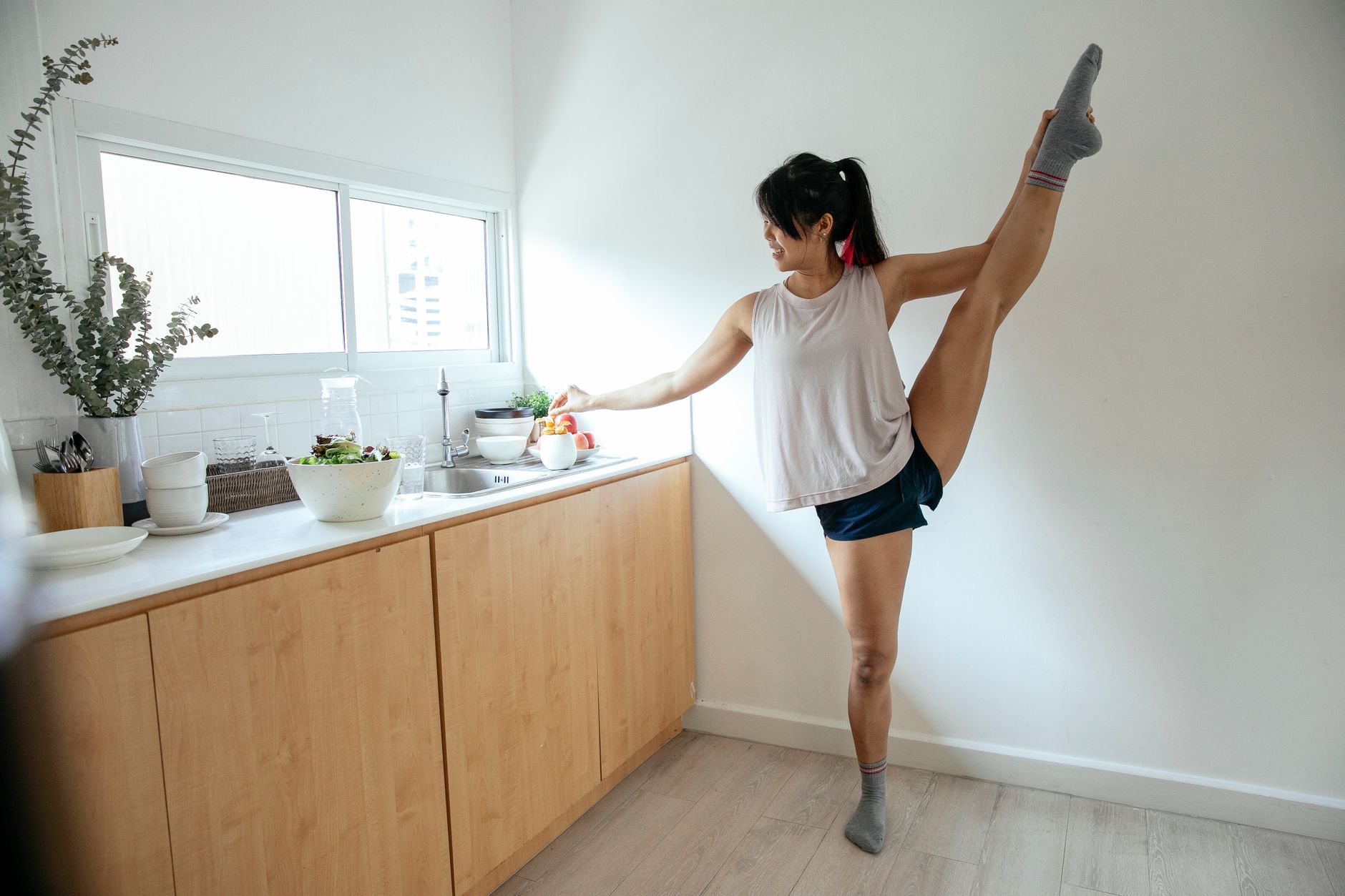
    Full length of young female in sleepwear standing in kitchen and doing splits with leg up near counter while making tea for meal
    Immune health is built by everyday habits, not a single product (사진: Miriam Alonso / Pexels)

    First, a reality check

    Your immune system isn’t a muscle you can crank up to superhuman levels — and you wouldn’t want to, since an overactive immune system drives allergies and autoimmune problems. It’s a finely balanced network. The realistic goal is to support normal, healthy immune function and stop undermining it, not to “supercharge” it. That reframing matters, because it’s why most products promising a quick “boost” are selling a fantasy.

    Habits that genuinely support immunity

    The fundamentals are unglamorous but well-supported:

    • Prioritize sleep — short sleep is one of the clearest ways to weaken defenses; studies link under ~6–7 hours to catching more colds
    • Move regularly — moderate, consistent exercise supports immune function; you don’t need to overdo it
    • Manage chronic stress — long-term stress hormones suppress immune responses
    • Don’t smoke, and limit alcohol — both impair your defenses
    • Keep a healthy weight — chronic inflammation from excess weight can blunt immune function

    Food and the nutrients that matter

    A varied, plant-rich diet supplies the raw materials immune cells need. Rather than chasing one “super” food, aim for variety across vegetables, fruit, whole grains, legumes, and protein. A few nutrients have clear immune roles:

    Nutrient Where it comes in
    Vitamin C Citrus, peppers, broccoli — widespread in produce
    Vitamin D Sunlight, oily fish, fortified foods; deficiency is common
    Zinc Meat, shellfish, legumes, seeds
    Protein The building block of antibodies and immune cells

    Your gut also houses much of your immune system, so fiber and fermented foods that support the microbiome indirectly support immunity too.

    What about supplements?

    Supplement Reality
    Vitamin C Won’t prevent colds; may slightly shorten them in some
    Vitamin D Helps mainly if you’re deficient
    Zinc May modestly shorten colds; high doses cause harm, don’t overdose
    “Immune booster” blends Mostly marketing

    The pattern is consistent: supplements help most when they’re correcting an actual deficiency. In well-nourished people, mega-doses don’t add extra protection — and some (like too much zinc) backfire.

    💡 Tip: The unglamorous basics — sleep, a varied diet, movement, not smoking — do far more for your immune system than any “immune” supplement on the shelf.

    Don’t overlook vaccines and hygiene

    Here’s what’s often missing from “natural immunity” advice: the most effective immune support of all is vaccination, which trains your immune system against specific threats, plus basic hygiene like regular handwashing. These do more to keep you from getting sick than any supplement — they’re not opposed to a healthy lifestyle, they’re the proven core of it. People who are older or have chronic conditions especially benefit from staying current on recommended vaccines.

    FAQ

    Q. What’s the single best thing for immunity?
    There isn’t one. Consistent sleep, a varied diet, regular movement, not smoking, and staying current on vaccines together matter far more than any single food or pill.

    Q. Do immune-boosting supplements work?
    Most are overhyped. Supplements mainly help when you’re correcting a deficiency (such as low vitamin D). For well-nourished people, mega-doses don’t add benefit and can cause harm.

    Q. Can I strengthen immunity quickly before travel?
    Not dramatically — immunity isn’t something you can rev up in a day. Focus on sleep, hydration, hygiene, and being up to date on relevant vaccines around your trip.


    Sources

    ⚠️ Medical disclaimer: This article is for general information only and is not a substitute for medical advice. Consult a healthcare professional about your individual needs, including which vaccines are right for you.