Blog
-

Probiotics: Do They Actually Work for Gut Health?
Probiotics are everywhere — but do they really work? Here’s what the evidence says, why strain and dose matter, who actually benefits, and how to support your gut through food.
-
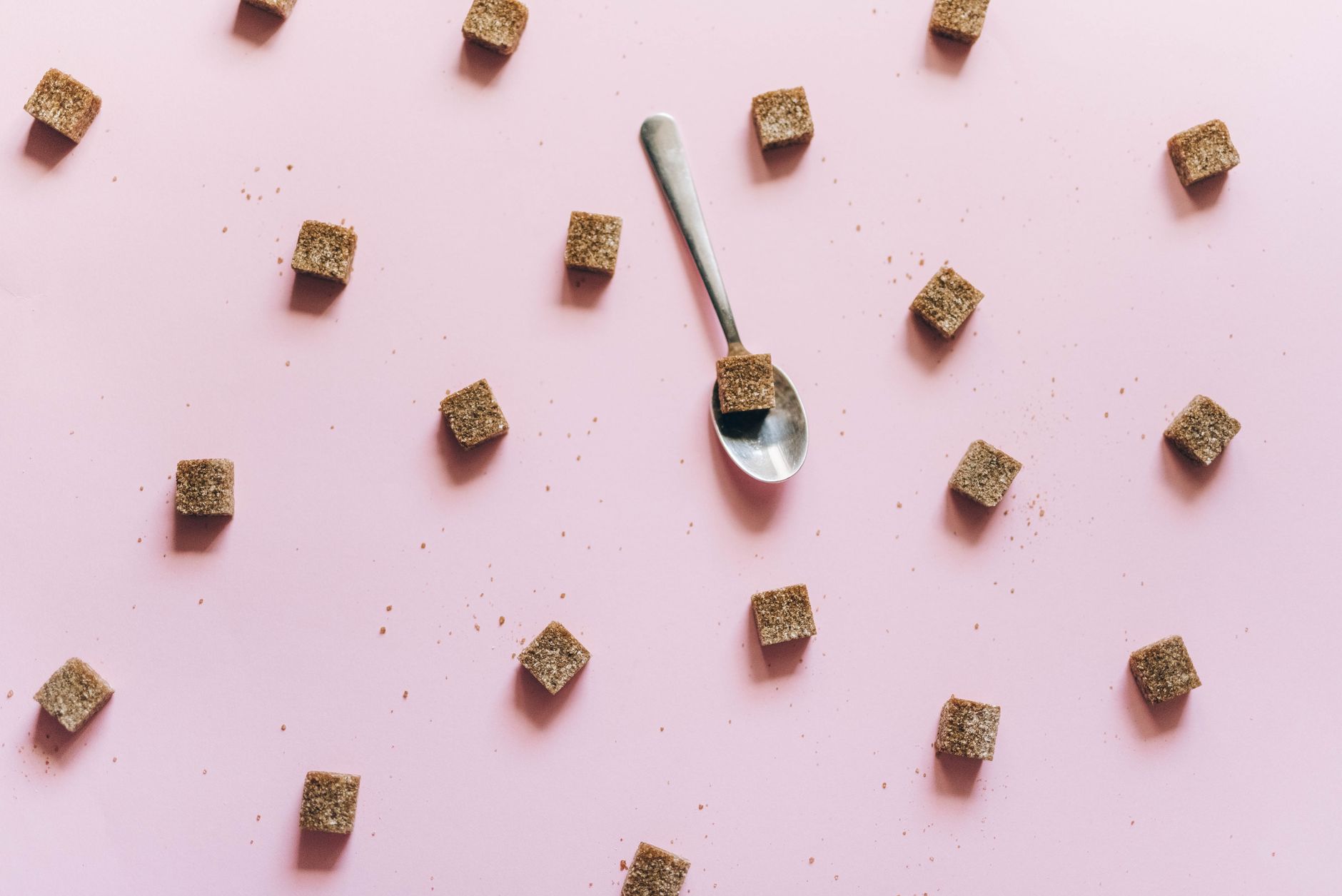
Simple Ways to Eat Less Sugar Without Feeling Deprived
Cutting back on sugar doesn’t mean giving up everything you love. Here’s how much is too much, where added sugar hides, and practical, sustainable ways to eat less starting today.
-
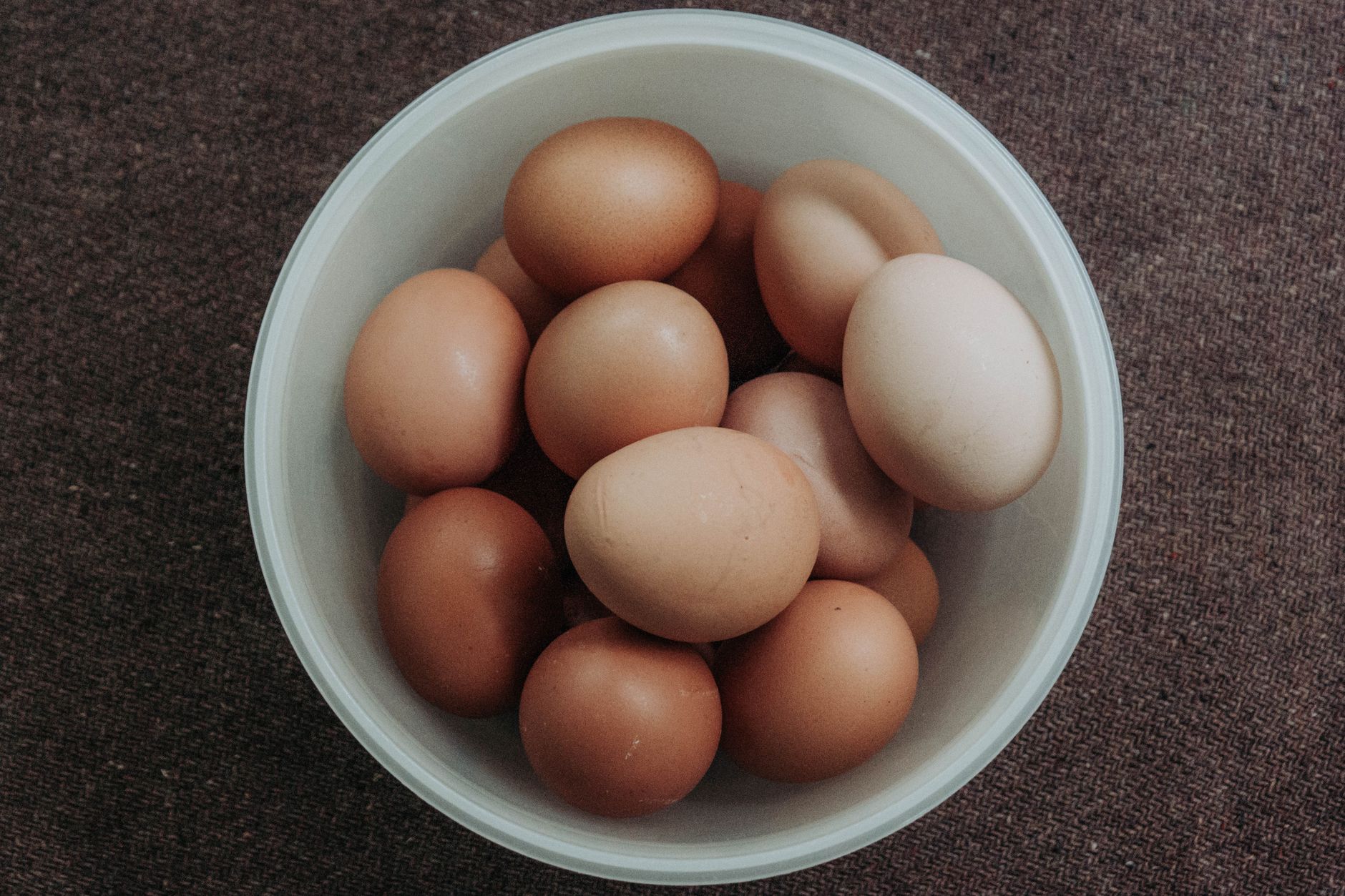
Are Eggs Good or Bad for You? The Cholesterol Question
Eggs were blamed for high cholesterol for decades. Here’s what the current evidence really says about eggs, cholesterol, how many are safe, and who should be cautious.
-

Omega-3: Benefits, Sources, and How Much You Need
Omega-3 fats support your heart, brain, and eyes — but the hype outruns the evidence. Here’s what omega-3 really does, the best sources, how much you need, and who benefits from a supplement.
-

Vitamin B12 Deficiency: Signs You Shouldn’t Ignore
Fatigue, tingling, brain fog? Vitamin B12 deficiency is common with age or a plant-based diet — and the nerve symptoms can become permanent if ignored. Signs, causes, and how to fix it.
-

What Is Fiber and How Much Do You Really Need?
Most people get only half the fiber they need — and it’s one of the most protective parts of the diet. Here’s what fiber does, how much to aim for, and how to eat more without bloating.
-

High-Protein Breakfast Ideas to Keep You Full Until Lunch
A protein-rich breakfast curbs hunger and steadies energy — and most people get protein timing backwards. Here’s how much to aim for and easy ideas to hit it.
-
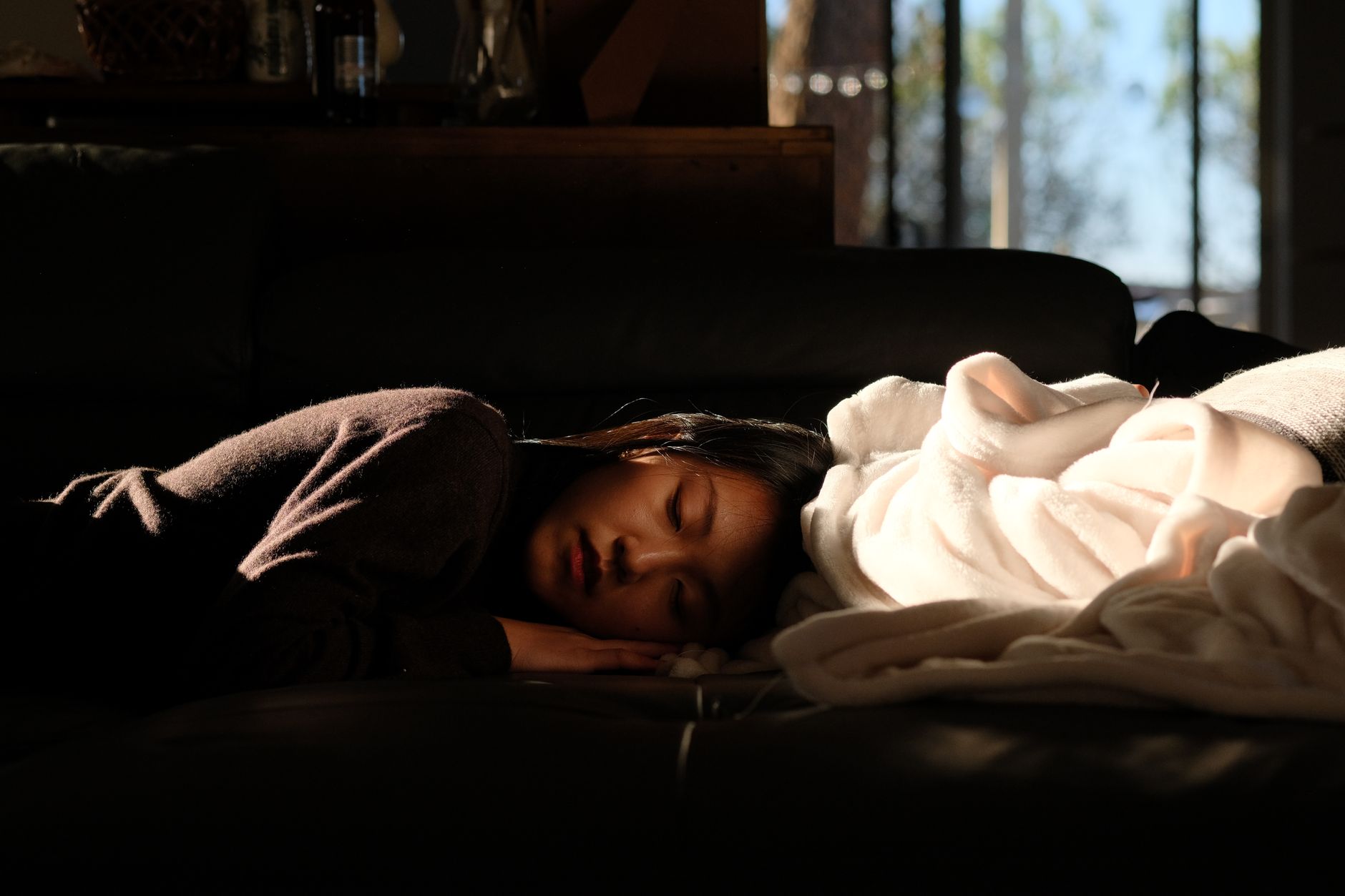
Is Napping Good or Bad for You? What the Science Says
Naps can boost alertness — or wreck your night’s sleep. Here’s the science of nap length, the ideal timing, the coffee-nap trick, and when napping does more harm than good.
-
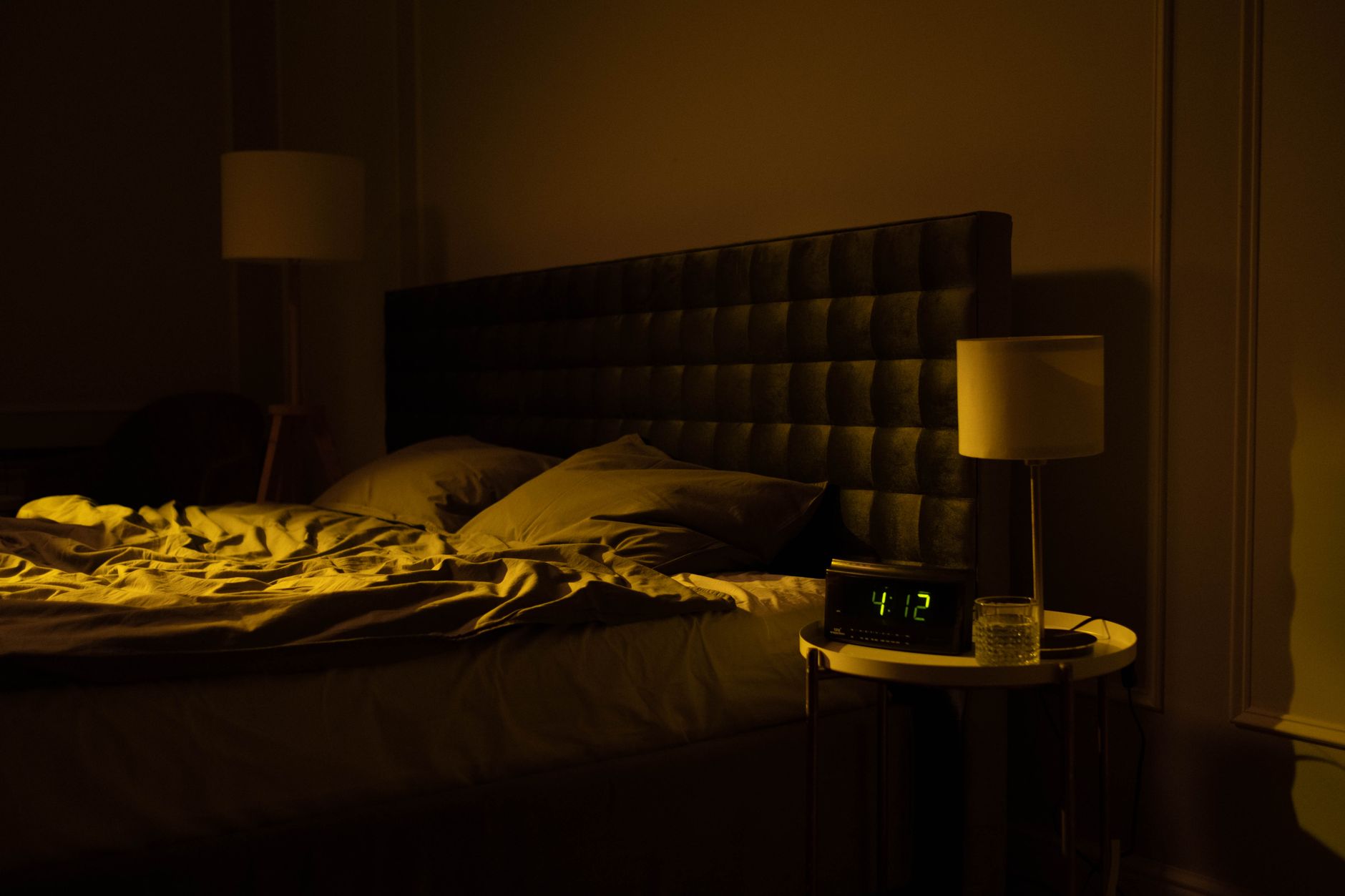
Why Do You Wake Up at 3 AM? Common Causes and Fixes
Waking up at the same time every night? Here’s the science of why you wake around 3 AM, why thoughts feel darker then, and practical ways to sleep through.
-
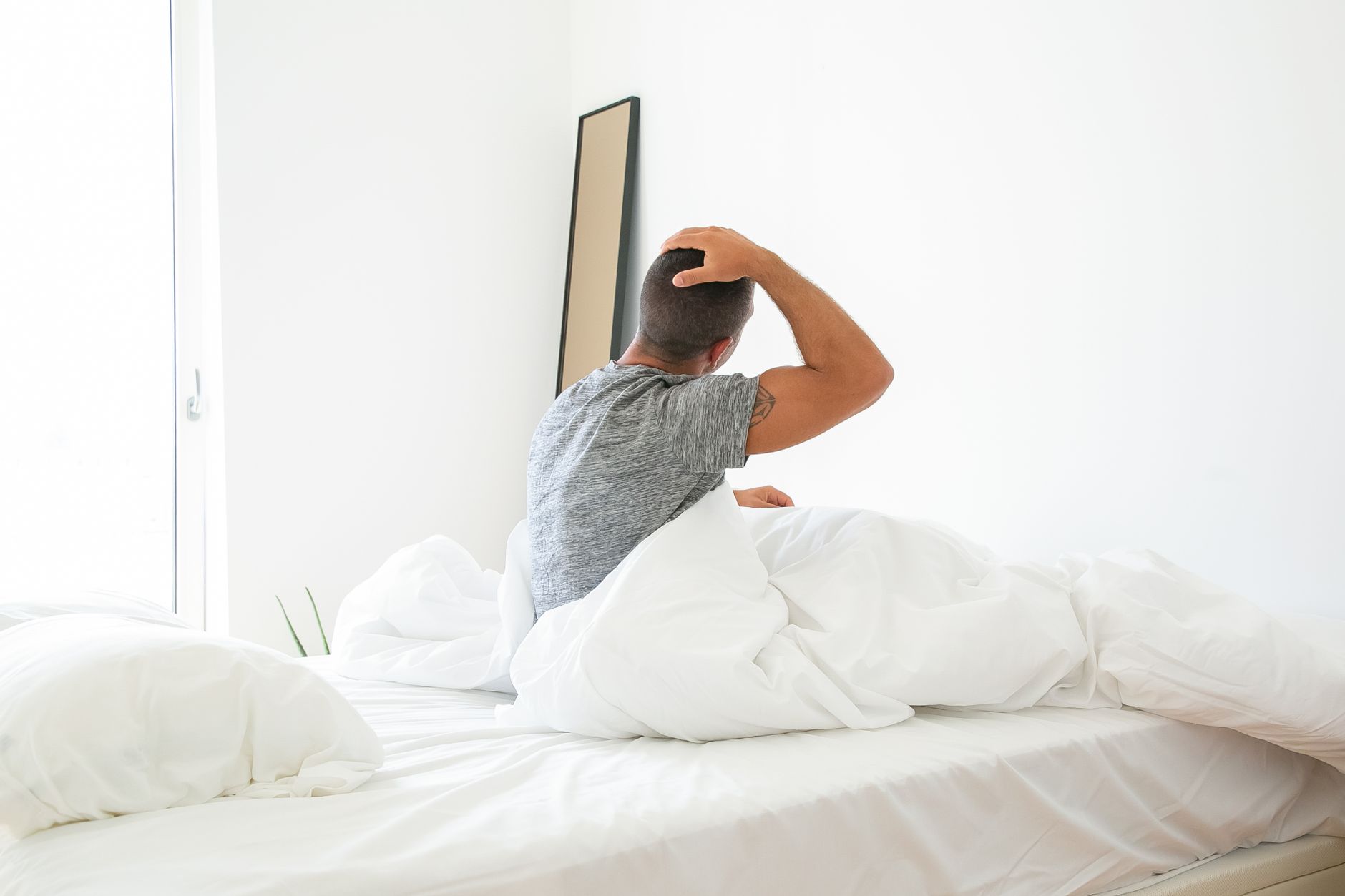
6 Gentle Bedtime Stretches for Better Sleep
A few minutes of gentle stretching before bed can ease tension and help you wind down. Here are 6 simple bedtime stretches, why they work, and how to do them safely.